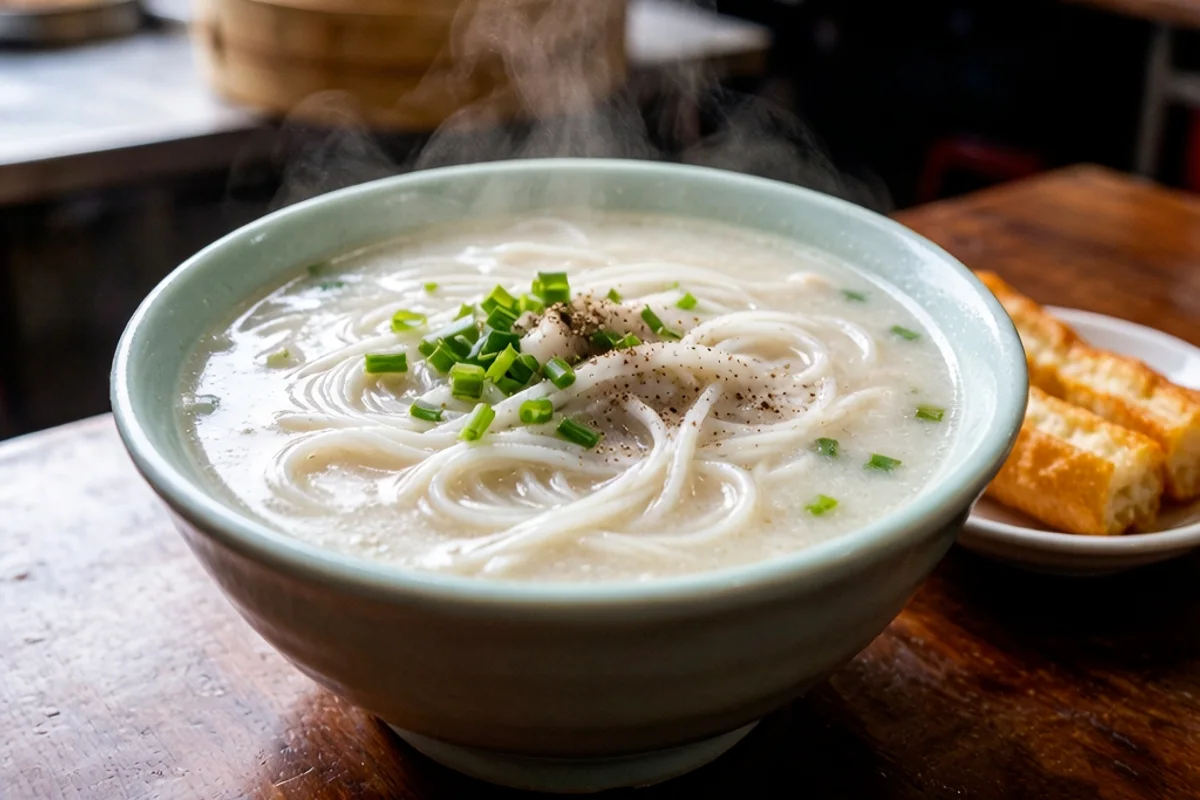
Meet Wuhan’s peppery fish-broth breakfast
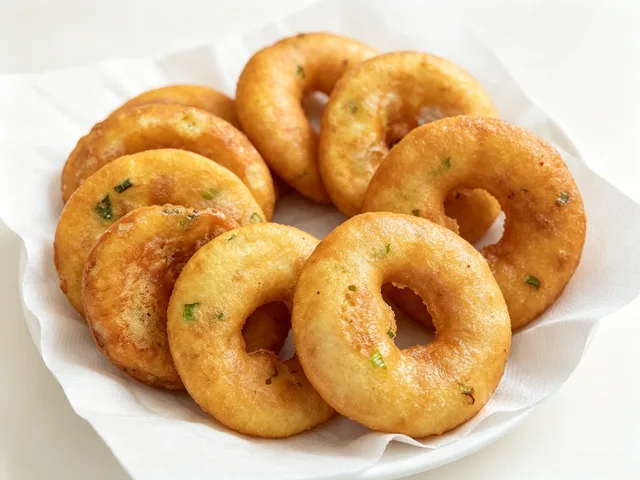
Hutang rice noodles are a Wuhan breakfast of thin rice noodles in a thick, peppery freshwater-fish soup. Small fish are cooked until their flavor passes completely into the broth, which is strained and gently thickened; the classic companion is a fresh youtiao dipped until its crisp surface absorbs the savory soup.
Common ingredientsThin rice noodles, small freshwater fish such as crucian carp, rice slurry, black pepper, scallions and youtiao.
01
Order fine noodles, fish broth and youtiao together
How to order it
Order a fresh youtiao with the bowl even if it is listed separately; the pairing is central to the experience. Taste the broth before adding chilli or vinegar so you can judge the fish and pepper balance. Choose a busy breakfast shop where broth turns over quickly and fried dough is still crisp. Ask about fish and crustacean ingredients if you have allergies; shrimp skin or other garnishes may be used.
How to eat and pair it
Diners alternate between rice noodles and pieces of youtiao. Some dip only one end to preserve a crisp handle; others break the fried dough directly into the bowl and let it soften. Scallions, dried shrimp, pickled radish or chilli can add contrast. The bowl expresses Wuhan’s fish-and-rice landscape in practical breakfast form: long overnight preparation by the shop becomes a quick, intensely warming meal for the customer.
Easy mix-ups
Misconception: Hutang means a bland flour paste with noodles. In practice: The thickness is only one feature; a properly made bowl depends on a deeply extracted freshwater-fish broth and black pepper. Misconception: Youtiao is an optional side with no regional significance. In practice: Official Wuhan descriptions treat fried dough dipped into the fish soup as the classic way to eat the dish.
Pair a small noodle bowl with crisp youtiao rather than soaking the whole stick at once
A classic pleasure comes from dipping a torn section of fried dough briefly into the peppery broth. The outside absorbs fish savoriness while the center retains some crunch. Submerging the entire youtiao turns it heavy and soft before the noodles are finished. Order a small bowl and share one fried item during a breakfast crawl; both noodles and oil-rich dough are more filling than they look. Ask whether the bowl is mildly, moderately or strongly peppered, since reducing pepper after ladling is impossible. Chilli oil can add another kind of heat but may obscure the white-pepper profile. Pickles add salt as well as crunch. Diners watching sodium should taste before adding condiments and treat the broth as seasoned food rather than a drink that must be finished.
Rice noodles do not make the bowl automatically gluten-free or vegetarian
Fish is fundamental to the reference broth, and seasonings may include wheat-containing soy sauce. Fried dough is wheat-based and may share oil with other foods. Ask about stock concentrates, sesame or peanut condiments and cross-contact. A plain-looking white broth can still contain animal ingredients. Diners avoiding fish should choose a purpose-built rice-noodle soup rather than asking the vendor to scoop noodles out of the same pot.
02
A specialist pot is managed for freshness, not simply kept thick all morning
Look for regular stirring, a clean ladle, steady steam and batches that move during the breakfast rush. The vendor should be able to say whether the base contains fish and how pepper intensity runs that day. A skin crusting at the rim, dried splashes falling back into the pot or constant water additions suggest holding problems. Thickness alone is easy to imitate; fresh fish-stock aroma is harder.
When comparing shops, order the same size without chilli oil and take the first spoon before dipping youtiao. Note whether pepper opens into fish savoriness, whether the soup stays smooth and whether noodles remain intact. Then add one small fried-dough piece. This sequence keeps the comparison about the bowl rather than whichever shop supplied the saltiest pickle.
03
Fish savor, pepper and a flowing thickness must stay in balance
The Wuhan bowl works when pepper wakes the fish broth without turning it into one-note heat
Hutang rice noodles are associated with a thick, peppery broth traditionally built from small freshwater fish and rice. Long cooking and straining extract flavor and body; ground rice or another starch component may help create the characteristic suspension. White pepper should rise through the steam and leave warming pungency in the throat, but the broth still needs savory fish depth. A bowl that tastes only of pepper and salt, or one thickened into glue, misses the balance. The rice noodles should remain smooth and separable inside a broth substantial enough to cling. Thin strands overcook quickly, so lift them soon after service. If they break into short paste-like pieces, the bowl has waited too long or boiled too aggressively. Chopped scallion, pickled vegetables or fried dough can add contrast, but taste the unmodified broth first. The soup is the defining component, not a generic base for unlimited toppings.
Small freshwater fish
Crucian carp or other small local fish are cooked slowly so flesh and bones yield flavor. Careful straining creates the traditional idea of “eating fish without seeing fish.”
Thin rice noodles
Fine round noodles provide a gentle base and are quite different from the thicker wheat noodles in many northern soups.
Rice slurry or starch
The broth is thickened enough to cling to noodles and youtiao, but it should still taste of fish rather than raw starch.
Black pepper
A generous amount provides warming fragrance and defines the bowl more clearly than chilli heat.
Fresh-fish hutang
Specialist shops emphasize a long-cooked small-fish broth with no visible bones or chunks, finished with pepper and rice noodles.
Different garnishes
Scallion, dried shrimp, pickled radish and chilli vary by shop and can make one bowl brighter, saltier or more textured.
Thicker or looser broth
Neighborhood preferences differ, but excessive starch should not replace genuine fish flavor.
- A pronounced clean fish aroma without visible bones
- Black-pepper warmth rather than raw flouriness
- Broth that coats but still flows
04
Straining small fish and controlling starch define the broth
Small fish are simmered for hours until their flavor enriches the broth, which is strained and gently thickened with rice slurry. The hot soup is seasoned generously with black pepper, ladled over rice noodles and served with fried dough sticks.
Straining is central because flavor is welcome but small freshwater bones are not
Traditional small fish contribute intensely, yet their fine bones require careful cooking, crushing or extraction followed by thorough straining according to the shop’s process. The finished broth should not contain sharp fragments. Commercial kitchens may use fish stock, minced fish or standardized bases; ask if allergies or species matter. A perfectly smooth bowl cannot by itself prove the exact traditional method, but any bone hazard is unacceptable. Thickening must remain stable from first spoon to last. Raw starch flavor, lumps or a watery layer above paste below point to poor mixing and heat control. Holding the pot too long can continue swelling starch and flatten fresh pepper aroma. Busy breakfast turnover helps because batches are refreshed. Staff should stir and manage temperature without scraping scorched material from the bottom into new servings.
05
Why hutang rice noodles belong to Wuhan’s guozao breakfast
Hutang rice noodles are a longstanding Wuhan breakfast built around the city’s relationship with freshwater fish and rice. The broth is cooked until it carries deep fish flavor without visible pieces of fish.
A fresh youtiao is the classic partner: diners tear off pieces and dip them into the peppery soup. The combination belongs to Wuhan’s guozao breakfast culture and the practical, warming food traditions of a river-port city.
06
How to say Hutang Rice Noodles—and what the name tells you
Pronounced hú tāng fěn. Menus may call it Wuhan fish soup noodles, Wuhan breakfast noodles, hútāng fěn.
Sources