Hot Dry Noodles
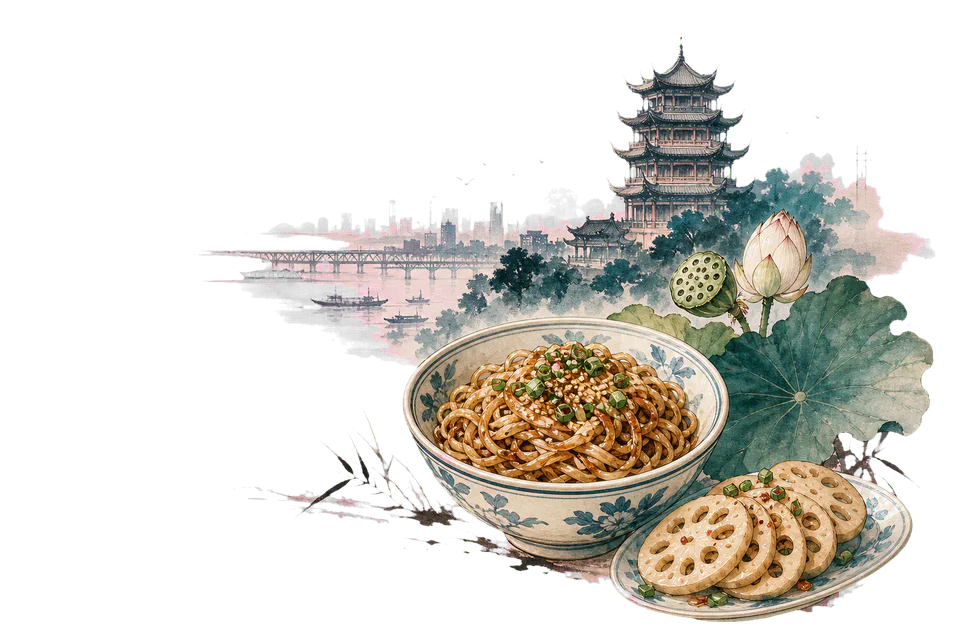
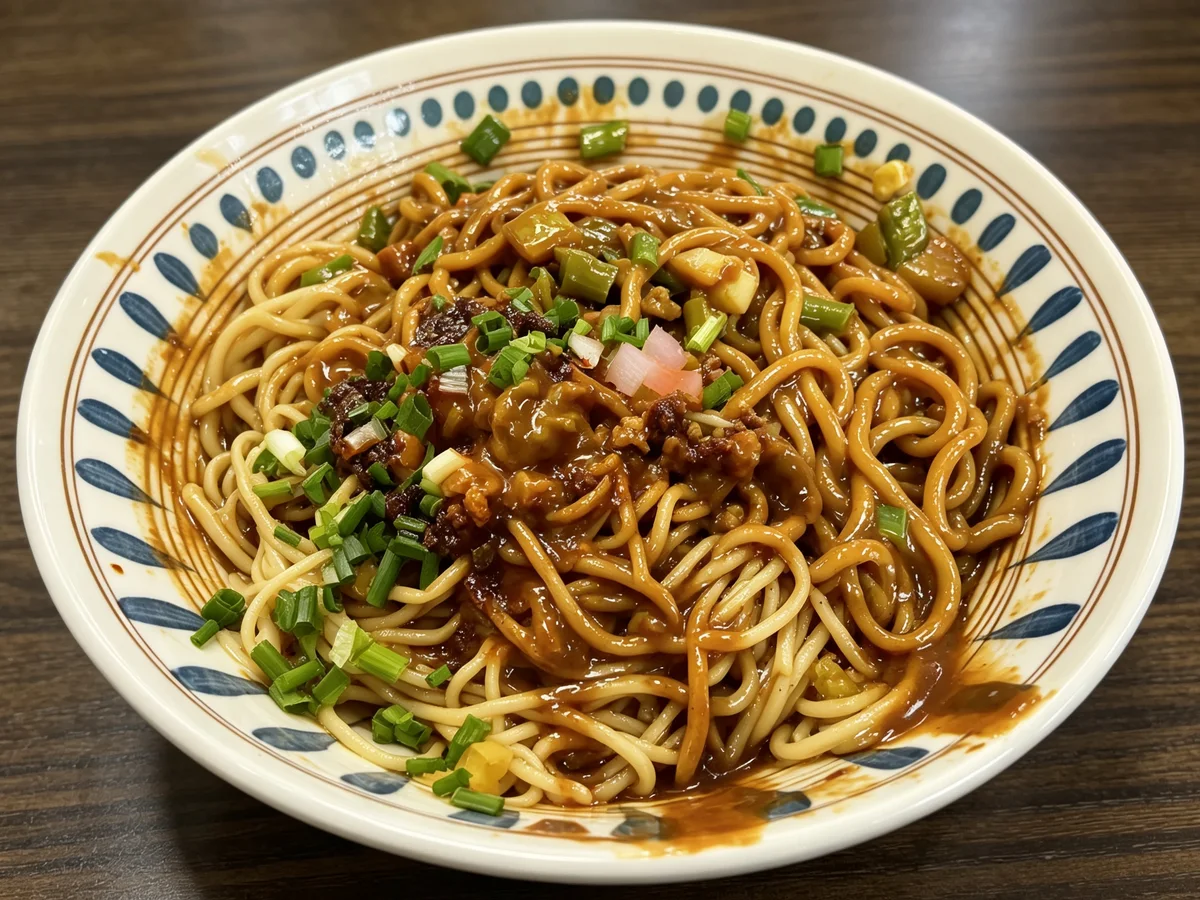
Wuhan breakfast noodles: hot alkaline wheat strands quickly reheated and mixed with sesame paste, savory seasoning and crisp pickles, with no pool of broth.
Regional food guide
Lake country cooking and China’s great breakfast city
Hubei is shaped by rivers and lakes, so freshwater fish, lotus root and soups are central. Wuhan is especially famous for guozao—its lively culture of eating a hot, savory breakfast out in the city.
Start with the classics
Open the region through its most useful dishes first, then read the deeper story behind the flavors below.
Wuhan breakfast noodles: hot alkaline wheat strands quickly reheated and mixed with sesame paste, savory seasoning and crisp pickles, with no pool of broth.
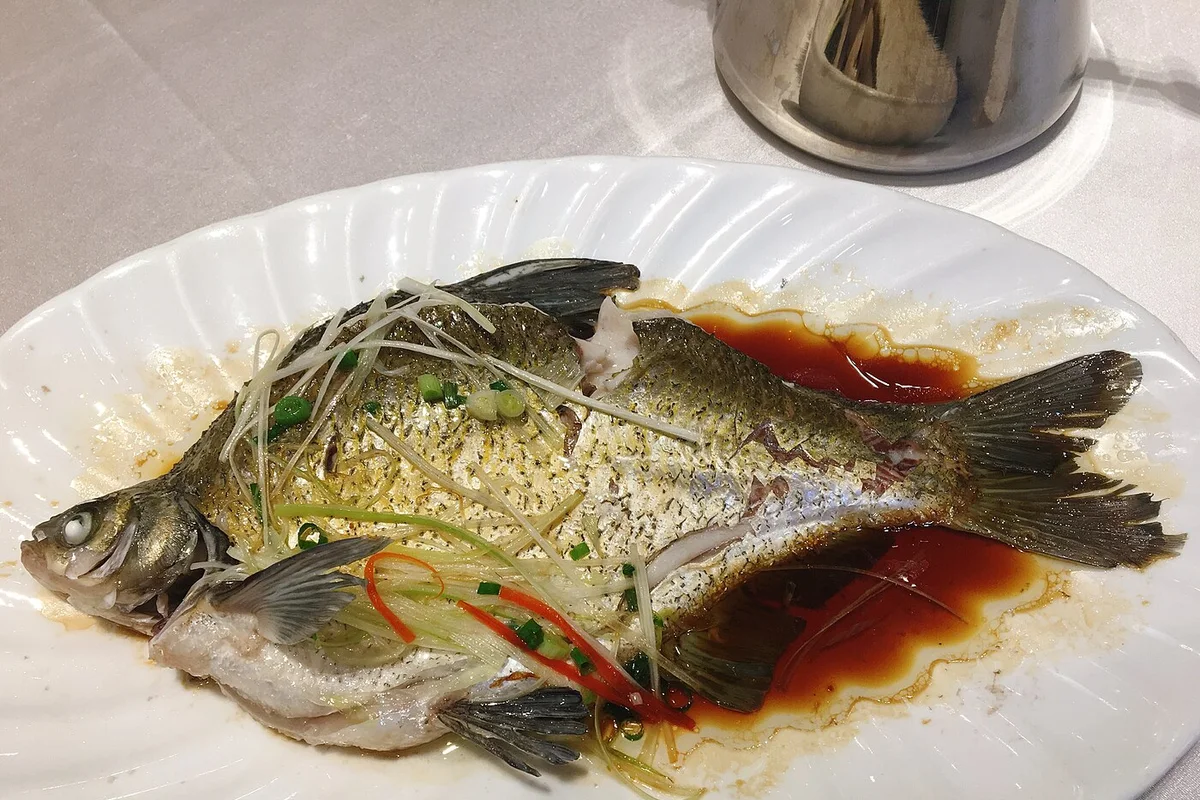
Hubei’s blunt-snout bream, historically linked to Ezhou and served whole in restrained modern steamings or more elaborate banquet preparations.
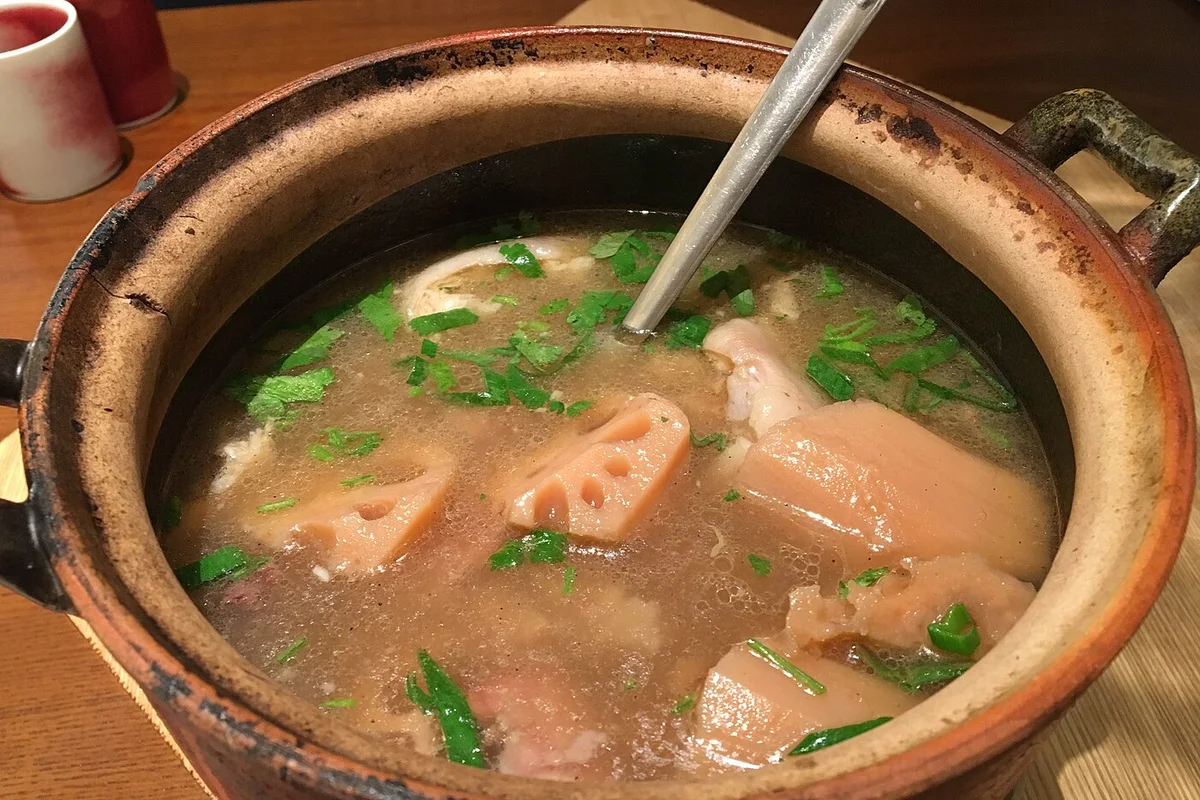
A beloved Hubei soup of pork ribs and lotus root simmered until tender and deeply comforting.
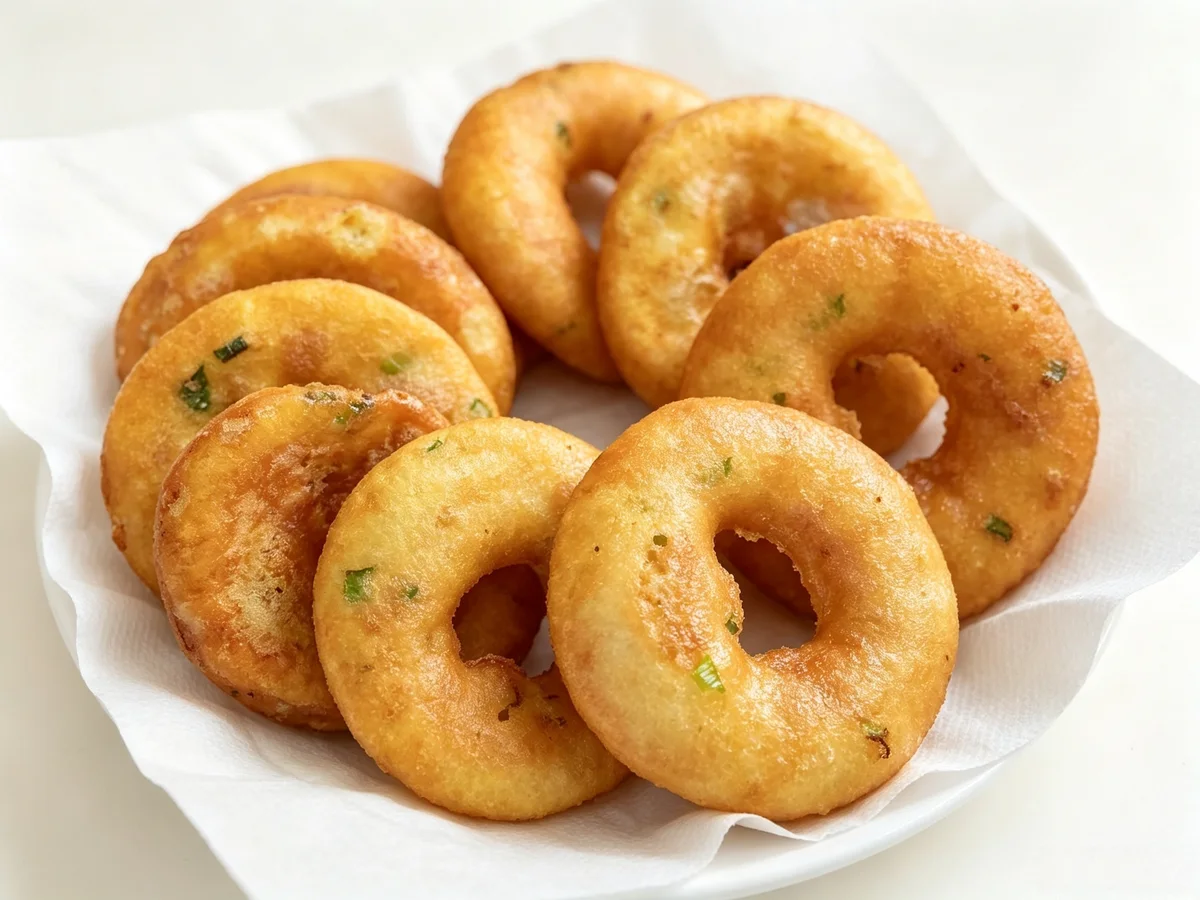
A Wuhan rice-and-soy breakfast fritter shaped by a special ladle for a brittle thin center and a tender, thicker scallion-fragrant rim.
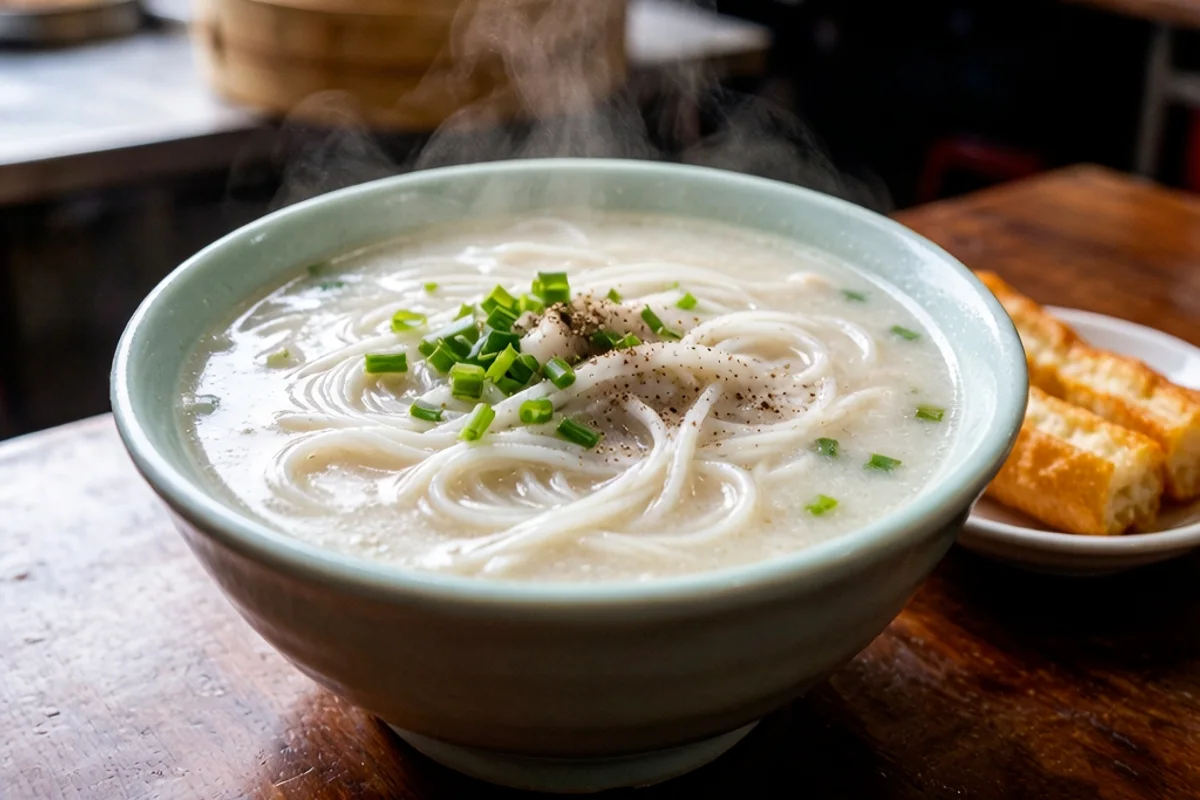
Thin rice noodles in Wuhan’s thick, peppery freshwater-fish broth, traditionally served with crisp youtiao.
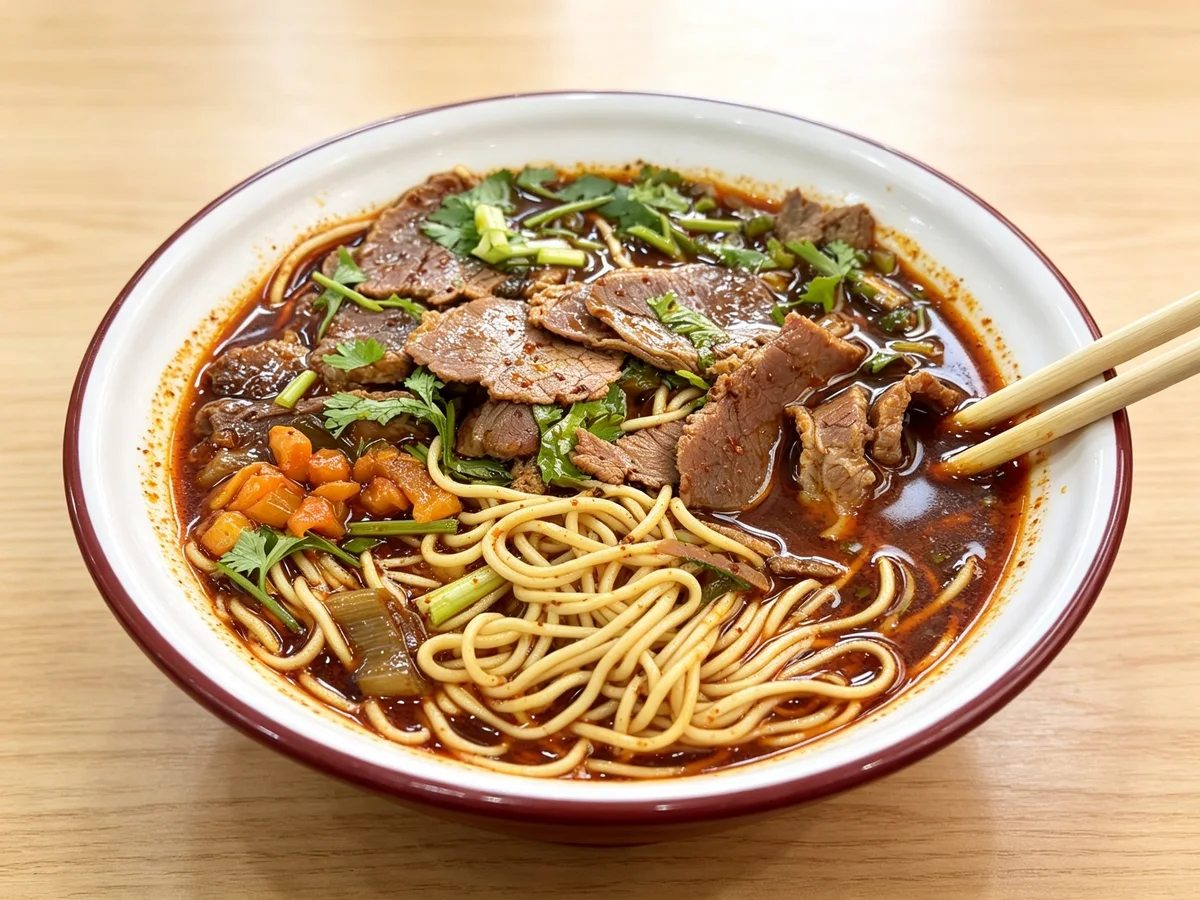
A robust Xiangyang breakfast bowl of alkaline wheat noodles, beef or beef offal and a fragrant red broth.
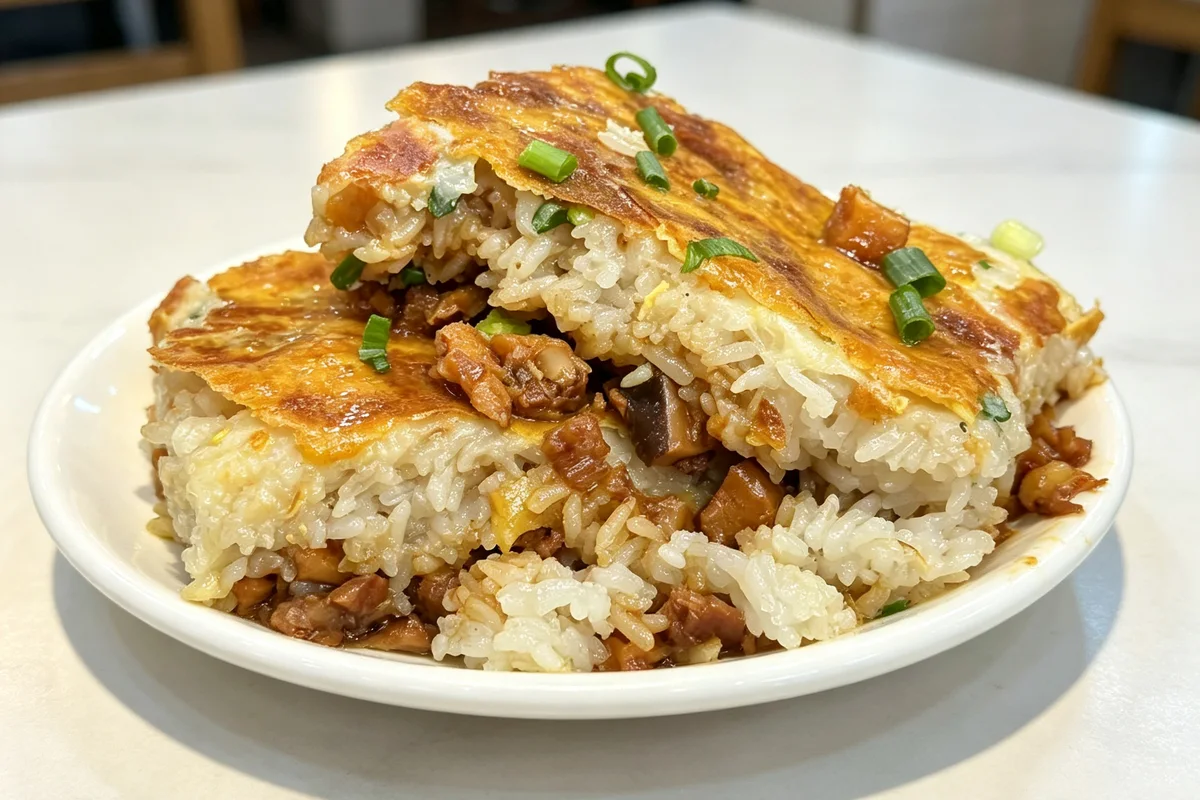
Wuhan’s celebrated crisp bean-and-egg parcel filled with sticky rice and three savory delicacies.
01
Hubei sits in central China around the middle Yangtze, a crossroads province of lakes, rivers, railways and port cities. Wuhan, where the Yangtze and Han rivers meet, is the bold urban face, but the food also belongs to lotus ponds, freshwater markets and smaller towns along the water.
Its cuisine moves between city speed and lake-country patience. Guozao turns breakfast into a public Wuhan ritual of sesame noodles, doupi, fritters and peppery fish broth, while lotus-root soups and steamed freshwater fish reveal the slower, quieter side of the province.
02
Hubei joins two rhythms that look opposite: compact Wuhan breakfasts eaten on the move and patient soups or fish dishes built for a shared table. Water connects both.
Hubei food is shaped by water. Rivers, lakes and lotus ponds supply fish, lotus root, water vegetables and soups, while Wuhan’s position as a transport city helped turn breakfast into a public urban ritual. The cuisine can be fresh and delicate, as with steamed fish, or deeply comforting, as with pork-rib lotus-root soup and peppery breakfast bowls.
Wuhan is the clearest entry point because of guozao, the habit of eating breakfast out. Hot dry noodles, three-delicacy doupi, mianwo and fish paste soup are not minor snacks; they are part of the city’s daily rhythm. People eat quickly, carry bowls away, stand near stalls or sit in small shops before work and school. Morning food becomes a map of the city.
Beyond breakfast, Hubei rewards attention to ingredients. Lotus root is not interchangeable: soup cooks often seek a starchy root that softens into a powdery texture. Wuchang fish depends on freshness and correct geography. Xiangyang beef noodles show a peppery, warming noodle branch. The region is easiest to understand when you connect dish, waterway, market routine and eating time.
03
Hubei cooking often balances freshwater ingredients, savory broths, rice and wheat noodles, sesame paste, pepper, ginger and slow simmering. It is not a cuisine of one extreme flavor. A single day might move from sesame-coated hot dry noodles to a clear fish dish, then to a long-cooked lotus-root soup at dinner.
Guozao makes morning foods central to Wuhan identity, not simply an early version of lunch.
Soup dishes seek roots that become soft and starchy; stir-fries may prefer crisper roots.
Steaming and light seasoning make fish quality and handling visible rather than hiding it under heavy sauce.
Wuhan hot dry noodles, hutang rice noodles and Xiangyang beef noodles use different grains, broths and textures.
04
Hubei’s best-known breakfast culture belongs to Wuhan. Hot dry noodles are mixed quickly with sesame paste, doupi is griddled and layered, mianwo fries into a crisp ring, and fish paste soup can sit beside youtiao. The meal is fast, savory and public, often eaten outside the home as part of the morning commute.
05
06
Guozao is the strongest visitor entry point, but it should lead outward to lake fish, lotus-root soups and city-specific noodles. Plan breakfast as a tasting route, then reserve lunch or dinner for the slower water-country dishes.
One hot dry noodle bowl, fresh doupi, a mianwo and hutang rice noodles already cover sesame, griddling, frying and fish broth. Small portions preserve both appetite and texture.
Wuhan hutang rice noodles center a filtered freshwater-fish broth, black pepper and youtiao. They are not hulatang and not a generic clear fish noodle soup.
A mature, starchier root becomes powdery in pork-rib soup; a crisp root suits quick cooking. Texture is an ingredient choice, not only a matter of boiling longer.
Confirm species, preparation and size, then eat slowly around fine bones. Light seasoning makes freshness and handling easier to judge.
07
Wuhan breakfast is famous, but the province also has lake-country fish, lotus-root soups, Xiangyang noodles and many local dishes.
The bowl depends on alkaline noodles, fast mixing, pickled vegetables and the guozao setting, not sesame paste alone.
The desired soft, powdery texture depends on the type and maturity of the root, not just cooking time.
Sources
We use these references to check regional context, food terms and dining customs. Individual restaurants and households still vary.
Keep exploring
Move from this guide into a different flavor world, with a quick visual hint before you open the next region.