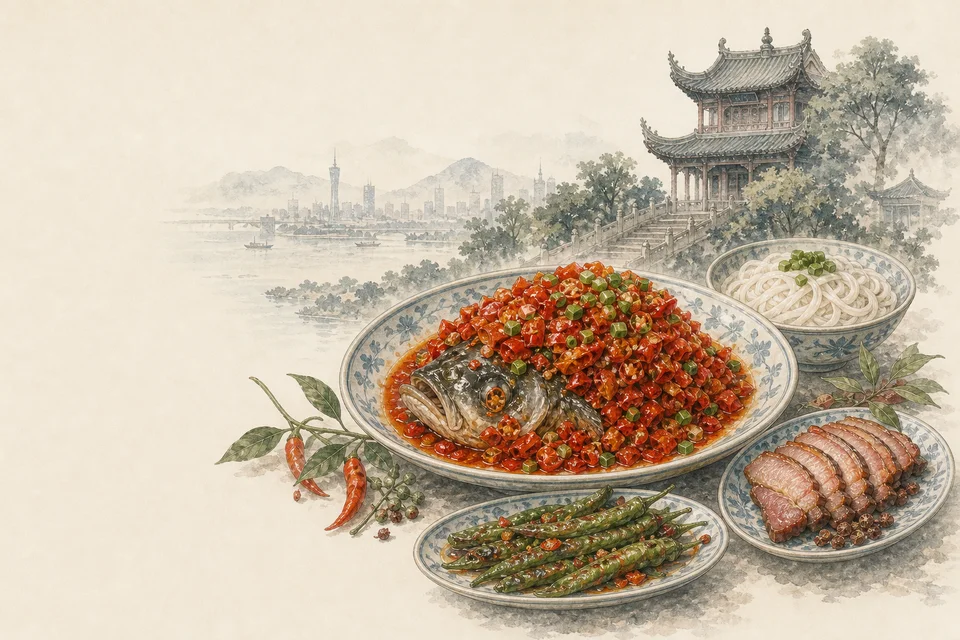
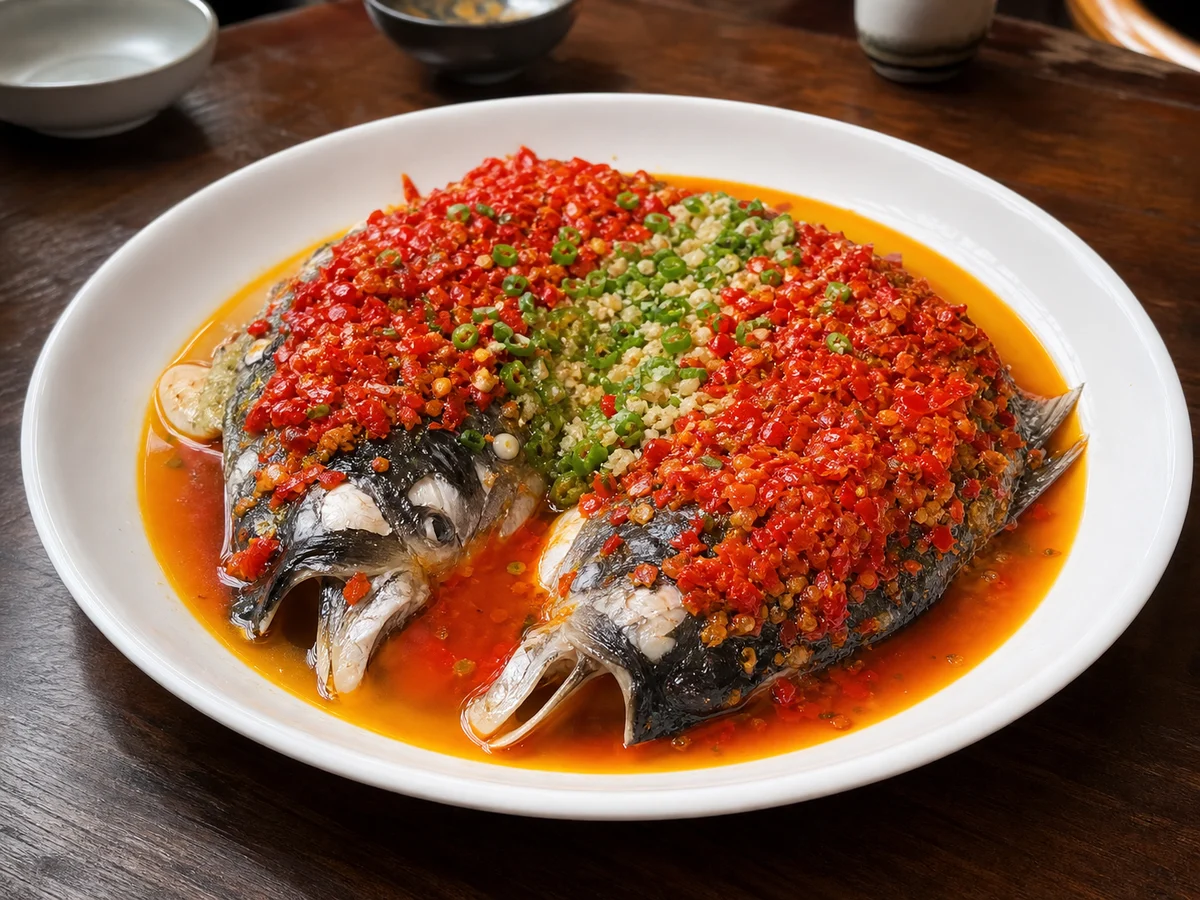
Chopped-Chilli Fish Head
A split freshwater fish head steamed beneath salted or fermented chopped chilli, leaving moist cheek meat and concentrated juices for a noodle second course.
Regional food guide
Fresh chilli, smoke and bold Xiang flavors
Hunan food reflects a central-southern province of rivers, rice fields and restless modern history: fresh chillies, smoke, sour pickles, cured meats, rice noodles and direct, appetite-driven cooking.
Start with the classics
Open the region through its most useful dishes first, then read the deeper story behind the flavors below.
A split freshwater fish head steamed beneath salted or fermented chopped chilli, leaving moist cheek meat and concentrated juices for a noodle second course.
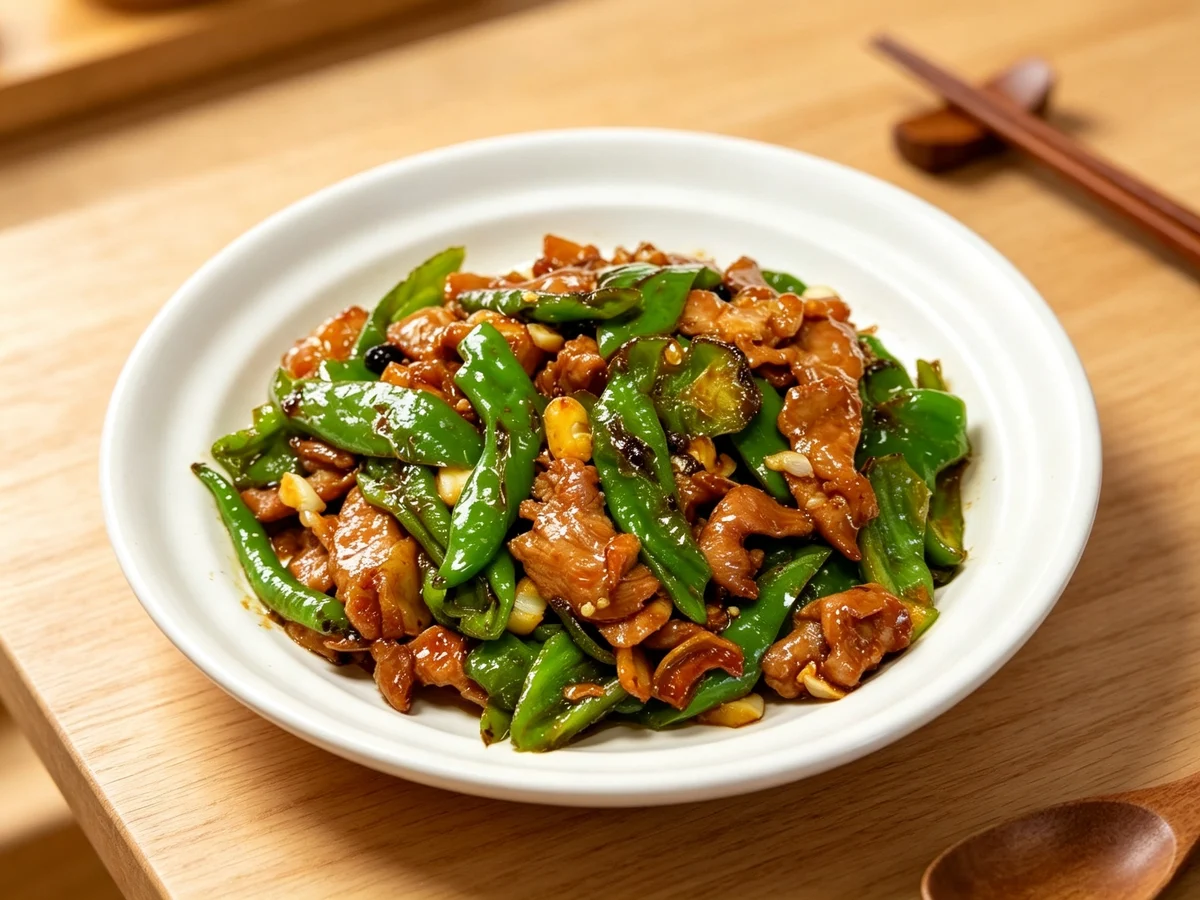
A dry Hunan wok stir-fry in which abundant fresh chilli, lean pork and a little fatty pork remain distinct, aromatic and made for rice.
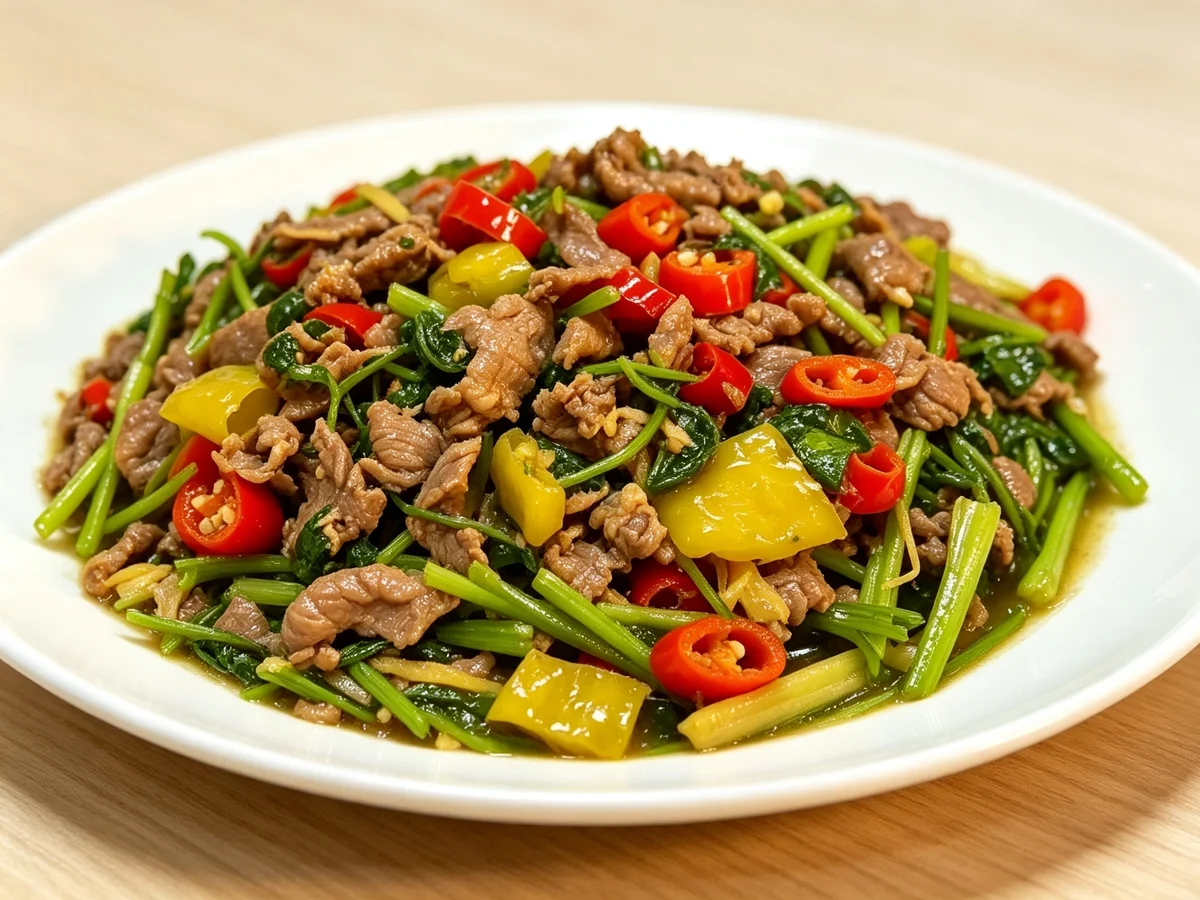
A dry, immediate Hunan xiaochao of thin beef, fresh and pickled chillies, garlic and abundant green herbs—not sweet brown-gravy “Hunan beef.”
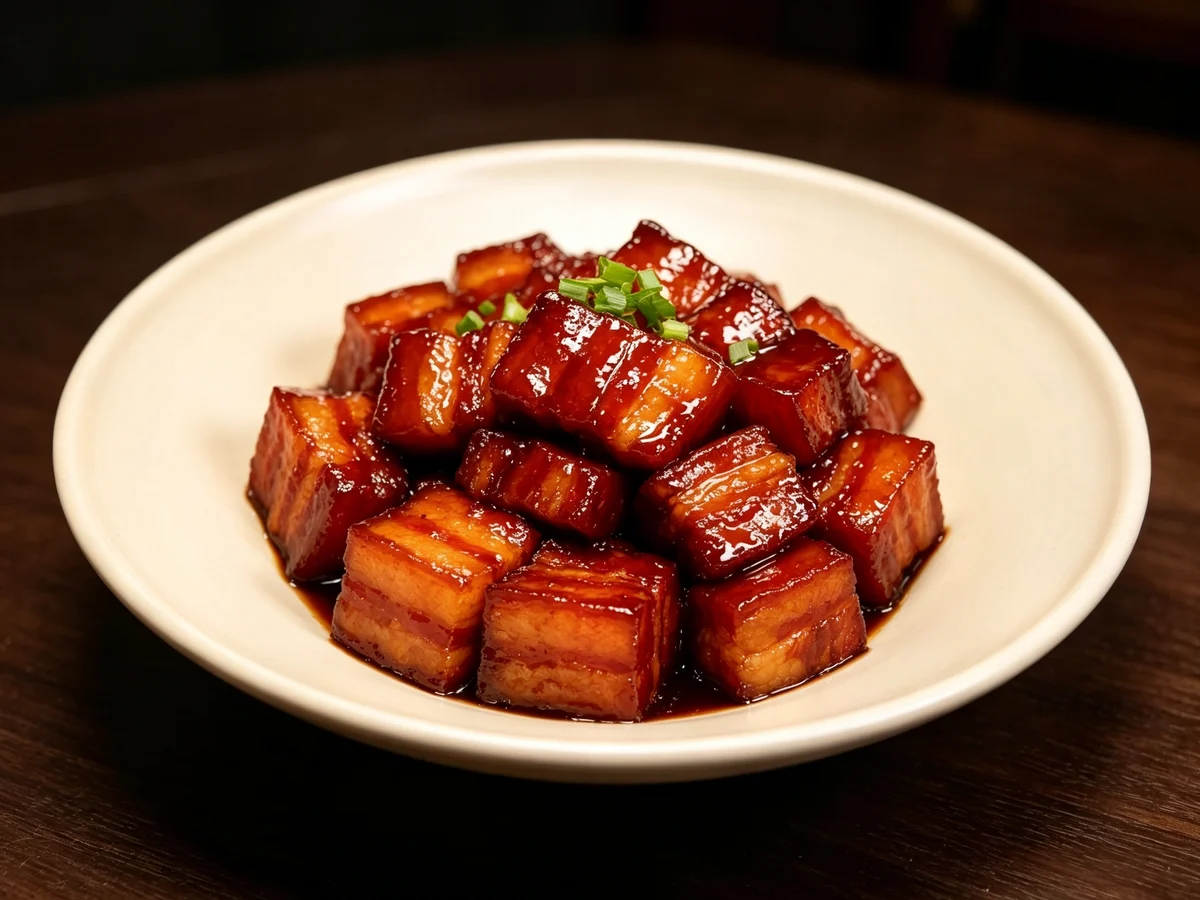
A Shaoshan-associated Hunan pork-belly braise: representative versions rely on caramel for color and omit soy sauce, while other Hunan restaurant and household versions may use a small amount.
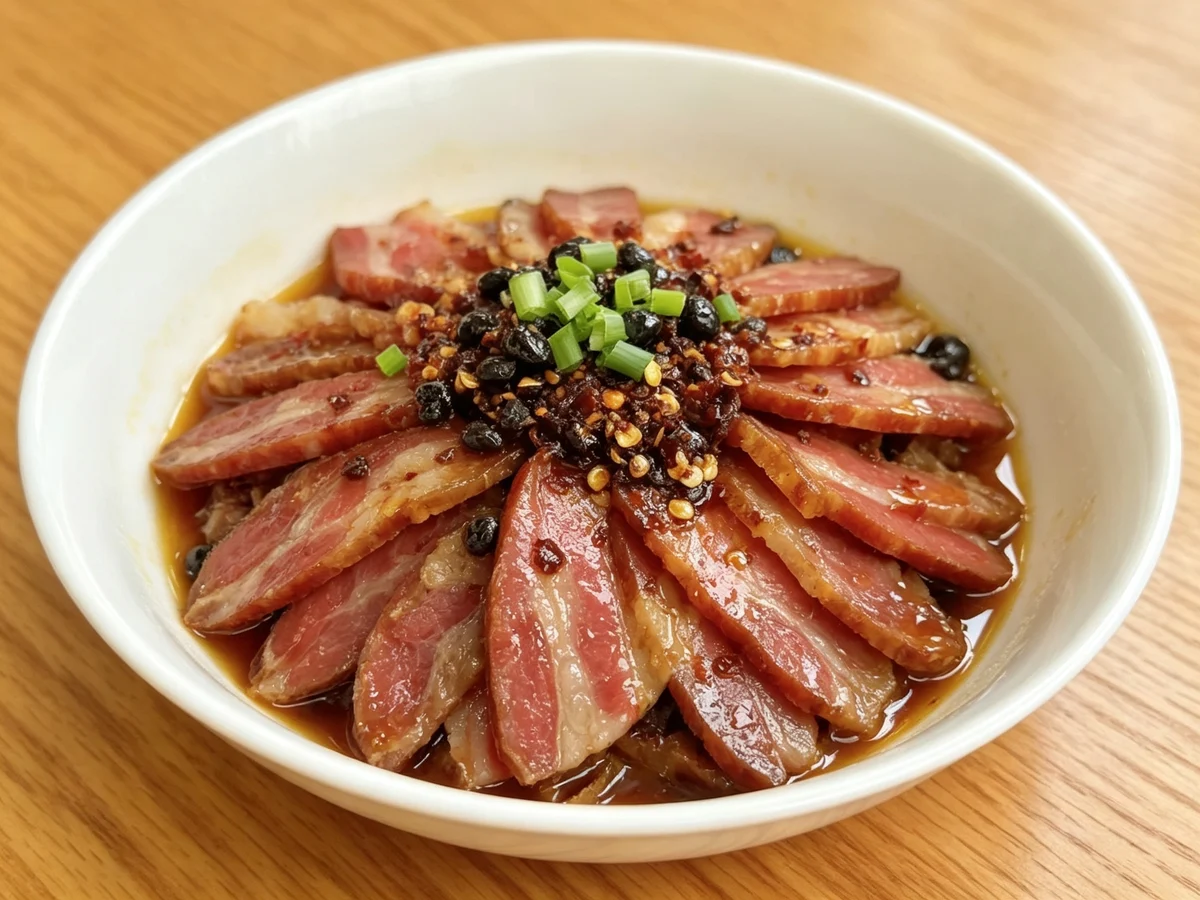
Smoked pork, fish and poultry steamed together so their cured aromas mingle.
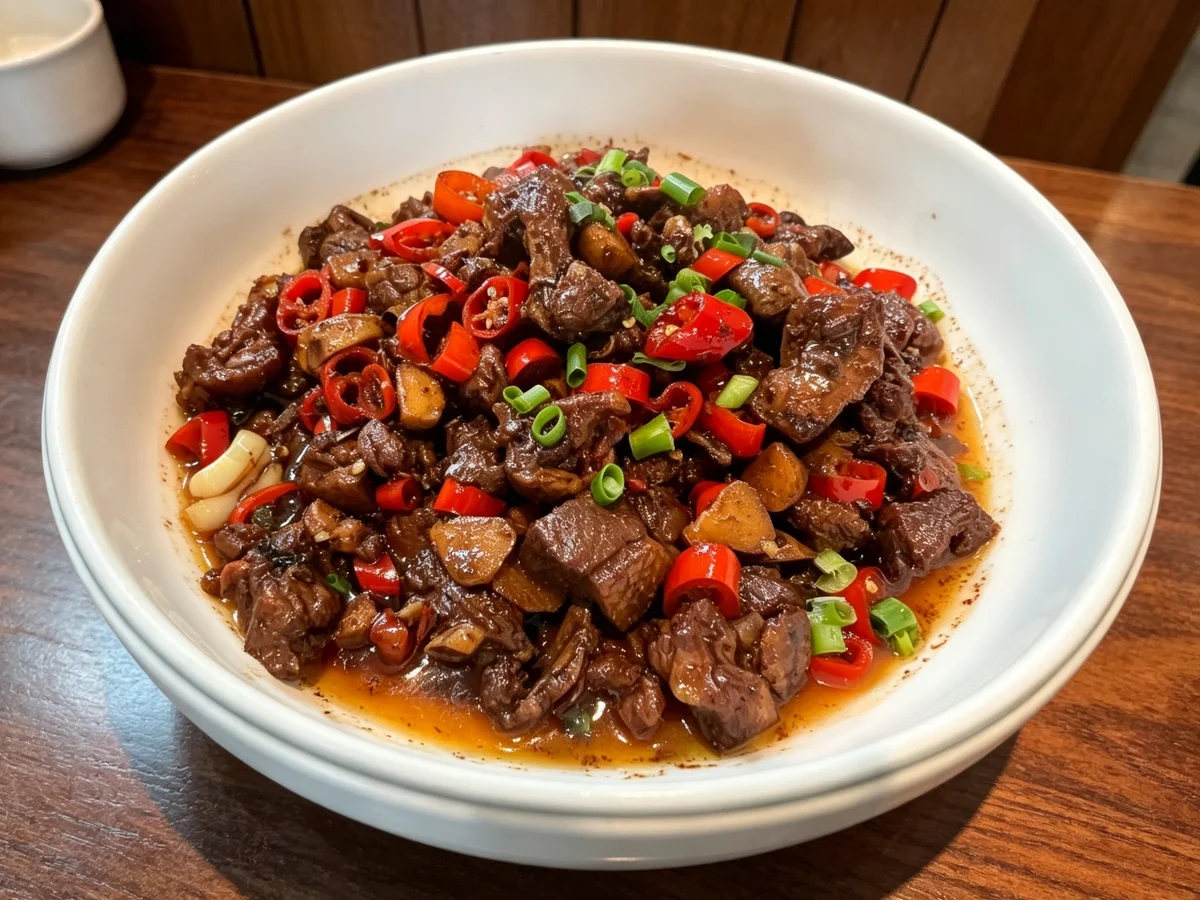
A Yongzhou duck dish finished with seasoned duck blood for a dark, glossy, intensely savory coating.
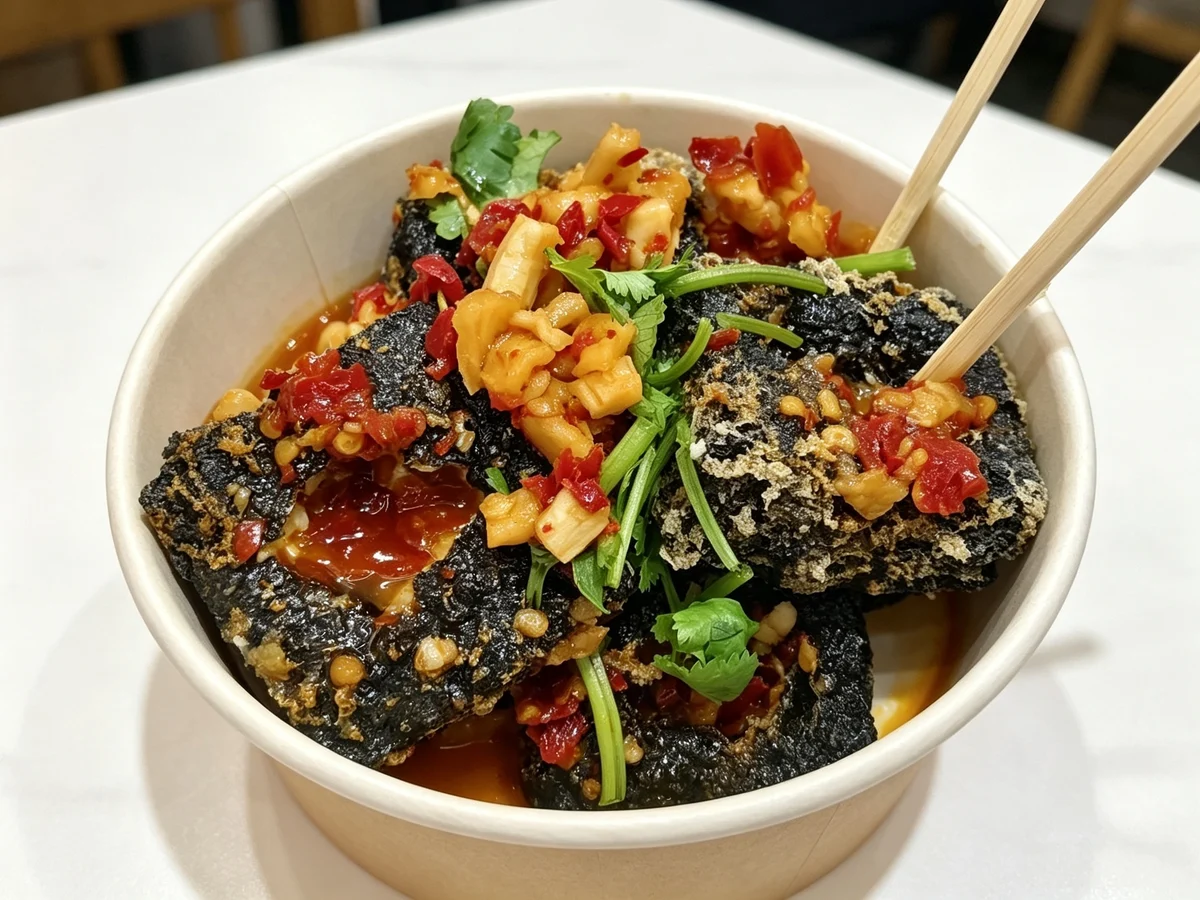
Dark Changsha fermented tofu fried to order, opened to expose a pale porous center and filled with hot chilli-garlic seasoning.
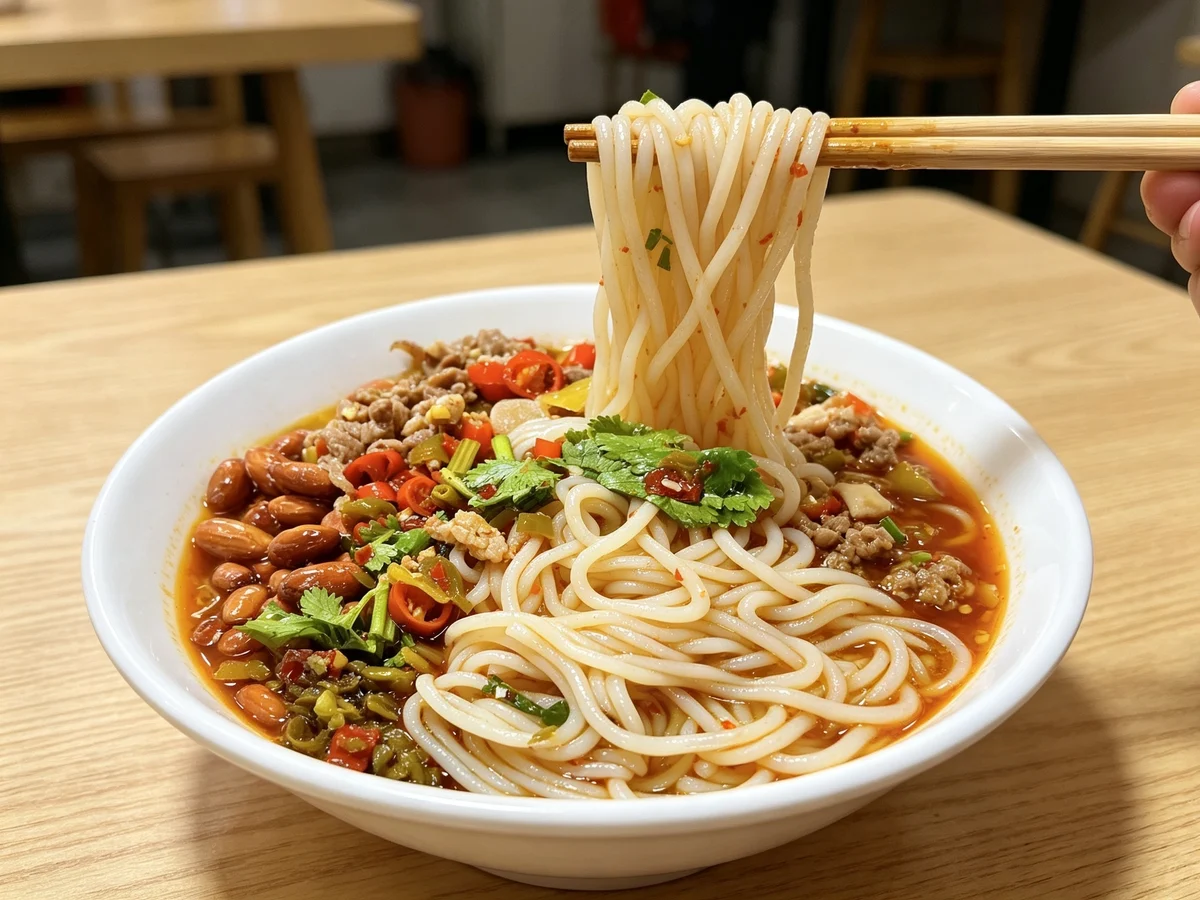
A regional family of breakfast rice noodles with city-specific broths, cuts and meat toppings.
01
Hunan sits south of Dongting Lake, crossed by the Xiang River and framed by mountains, with Changsha as its cultural and nightlife-facing capital. It is also a province with a strong modern historical charge, from academy culture at Yuelu to revolutionary stories around Shaoshan, Xiangtan and the wider Hunan countryside.
The food shares that directness. Humidity, rice agriculture and preservation traditions turn fresh chilli, fermented chopped chilli, smoked meat and pickles into everyday tools rather than decoration. Hunan is hot, but its deeper signature is force, sourness, smoke and appetite.
02
Hunan’s humid river basins, lake country and mountain areas support different ingredients and preservation practices. Fresh peppers, fermented chopped chilli, smoked foods and sour pickles are products of that landscape and history, not one heat scale.
Xiang cuisine is one of China’s major regional traditions, but “very spicy” is only the beginning. Fresh green and red chillies supply grassy heat, fermented chopped chilli brings sour-salty depth, and smoked or cured ingredients add winter fragrance.
The kitchen prizes directness and appetite: fish head steamed beneath red chopped chilli, pork flashed with green peppers, beef tossed with aromatics, duck bound with its own blood, and preserved meats steamed until their smoke perfumes the whole plate.
Rice anchors the table while rice noodles define mornings. County and city bowls differ in broth, toppings and noodle texture, so “Hunan noodles” is a useful family rather than one recipe.
03
Hunan heat is often fresh, sour and aromatic rather than numbing. Chilli works with garlic, fermented black beans, pickles, rice vinegar, smoke and rendered meat; plain rice keeps the table balanced.
Green and red chillies are treated as vegetables and aromatics, not only dried spice.
Cured pork, fish and poultry carry preservation history into steamed and stir-fried dishes.
Pickles and fermented chopped chilli keep rich dishes lively.
Changsha, Changde, Hengyang and other places build different breakfast bowls.
04
Hunan mornings often begin at a specialist rice-noodle shop. Diners choose broth, a meat or offal topping, chilli and pickles, then eat quickly while the noodles are springy and the broth is hot.
05
Fermentation, salting, smoking and curing solve different ingredient and storage problems.
Salted chopped chilli captures fresh peppers in a form suited to steaming and seasoning, while sour pickles preserve vegetables and sharpen rich food. Smoked and cured pork, poultry and fish concentrate winter ingredients through salt, drying and smoke before later steaming or stir-frying. These processes create acidity, aroma and texture as well as heat.
The methods vary across households and localities; “Hunan spicy” is too broad to describe them. A fresh-pepper stir-fry, fermented chilli over fish and a steamed cured-meat plate carry different seasonal histories. Reading the process behind each flavor makes the province’s food system clearer than ranking dishes by intensity.
06
The staple absorbs concentrated flavors while also appearing in city- and county-specific breakfast forms.
Plain rice supports quick stir-fries, steamed fish, braised pork and cured foods by absorbing juices and interrupting salt or heat. Rice noodles create another daily expression of the same staple. Changsha, Changde, Hengyang and other places differ in noodle shape, broth and toppings, so the provincial category contains many local breakfast systems.
Rivers, Dongting Lake, humid valleys and mountainous western areas widen the ingredient base beyond chilli. Freshwater fish, duck, pork, bamboo shoots, mushrooms and preserved vegetables enter different local combinations. Xiang cuisine is therefore held together by rice, appetite and preservation practices while remaining internally regional rather than one uniform red-sauced menu.
07
Xiang cuisine has its own logic of fresh chilli, sourness, smoke, pickles and rice-based staples.
Heat varies; aroma, fermentation, texture and preserved ingredients matter as much as intensity.
Noodle shape, broth and toppings change substantially across cities and counties.
Sources
We use these references to check regional context, food terms and dining customs. Individual restaurants and households still vary.
Keep exploring
Move from this guide into a different flavor world, with a quick visual hint before you open the next region.