Cantonese Yum Cha
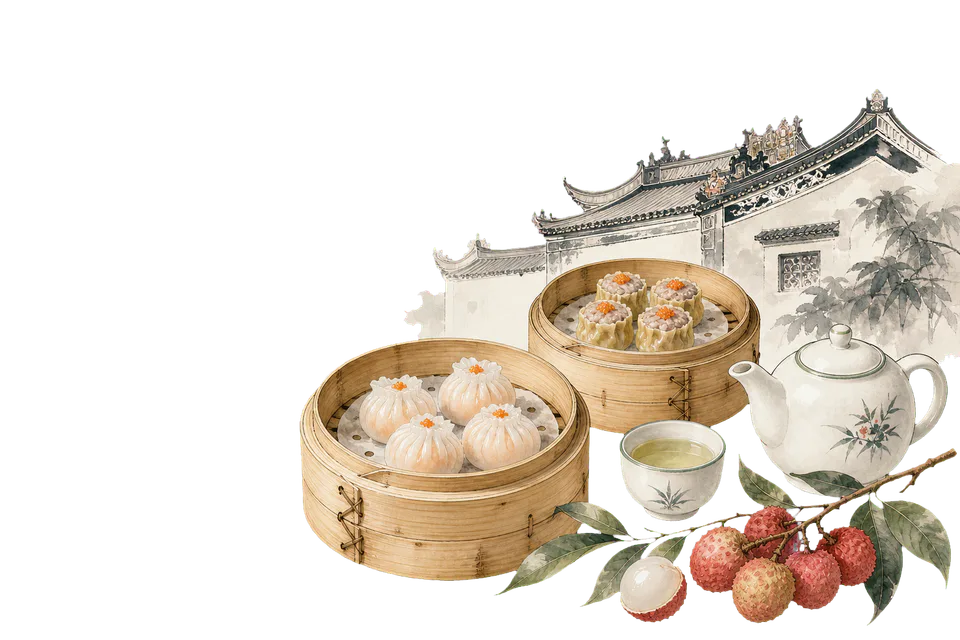
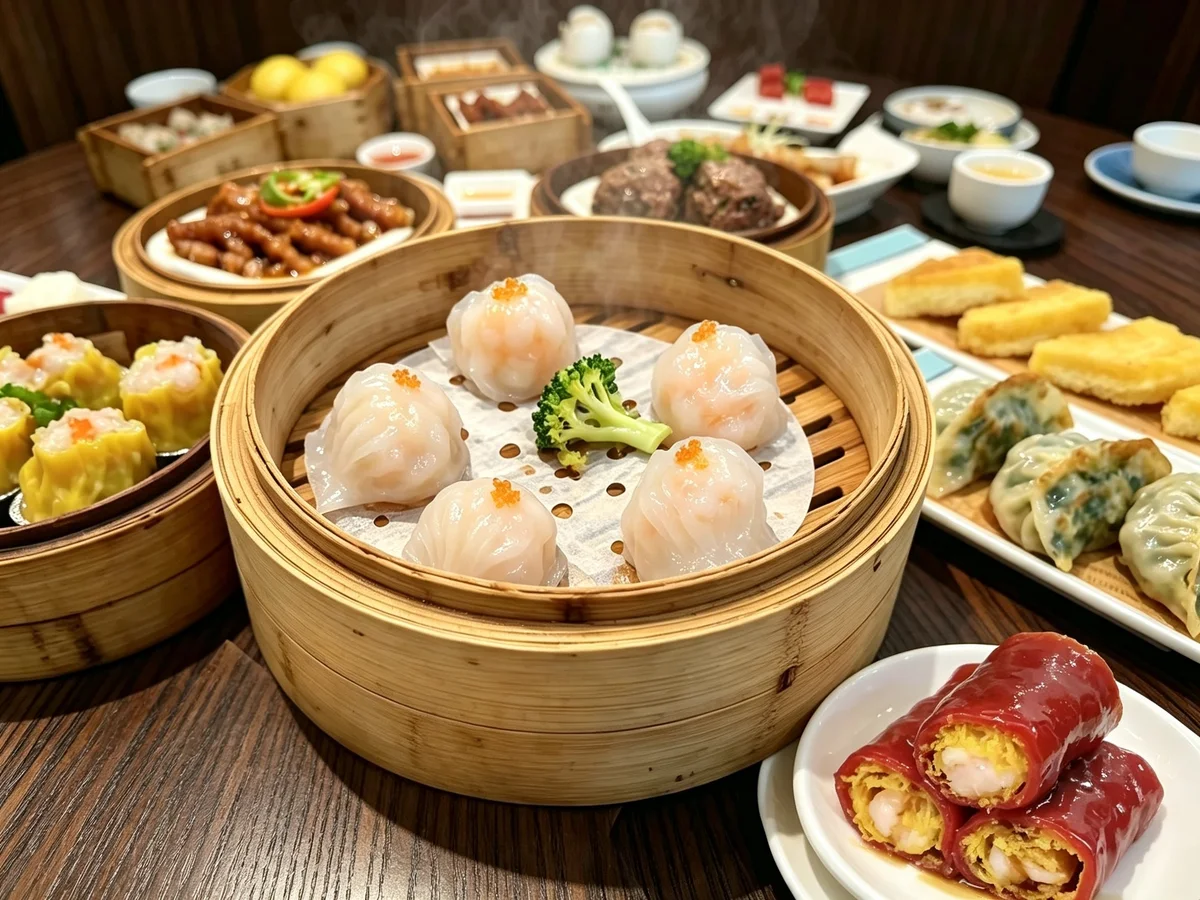
A tea-centered Cantonese social meal in which steamed, baked, fried and braised dim sum arrive in small shared portions over several rounds.
Regional food guide
Fresh ingredients, delicate seasoning and tea culture
Guangdong cooking prizes freshness and natural flavor. The province includes Cantonese, Chaoshan and Hakka traditions, each with its own approach to seafood, roast meats, soups and small dishes served with tea.
Start with the classics
Open the region through its most useful dishes first, then read the deeper story behind the flavors below.
A tea-centered Cantonese social meal in which steamed, baked, fried and braised dim sum arrive in small shared portions over several rounds.
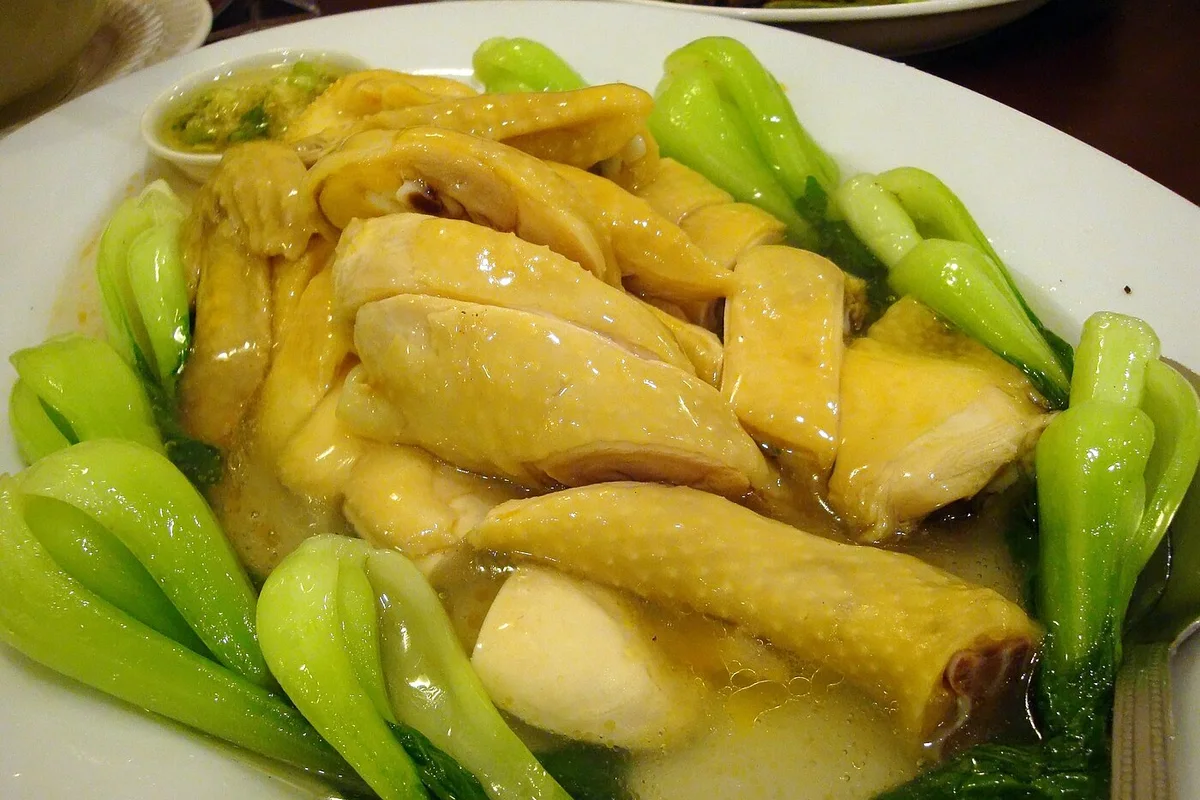
A whole Cantonese chicken gently steeped until safely cooked, rested for supple skin and juicy meat, then chopped bone-in.
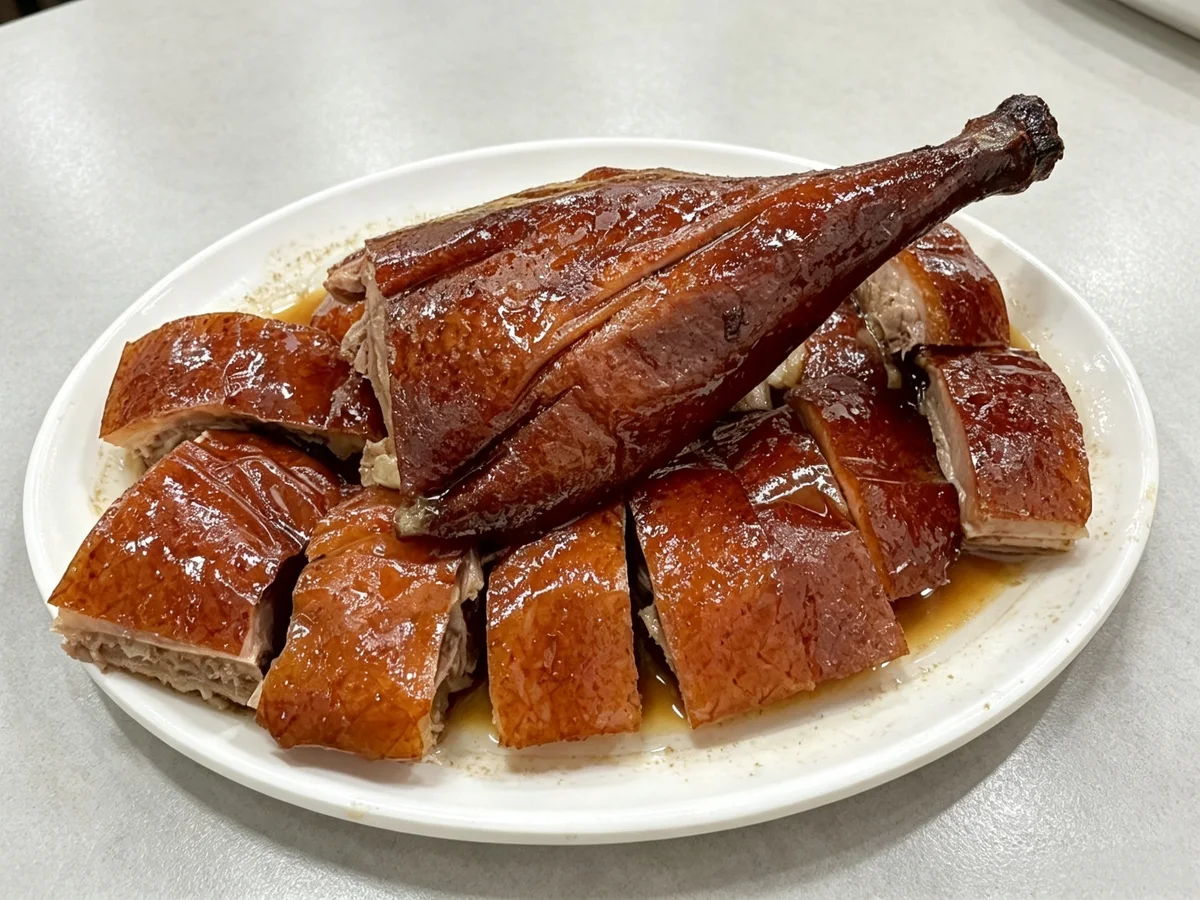
Cantonese siu mei goose with crisp skin, rendered fat and juicy dark meat, seasoned inside and chopped bone-in.
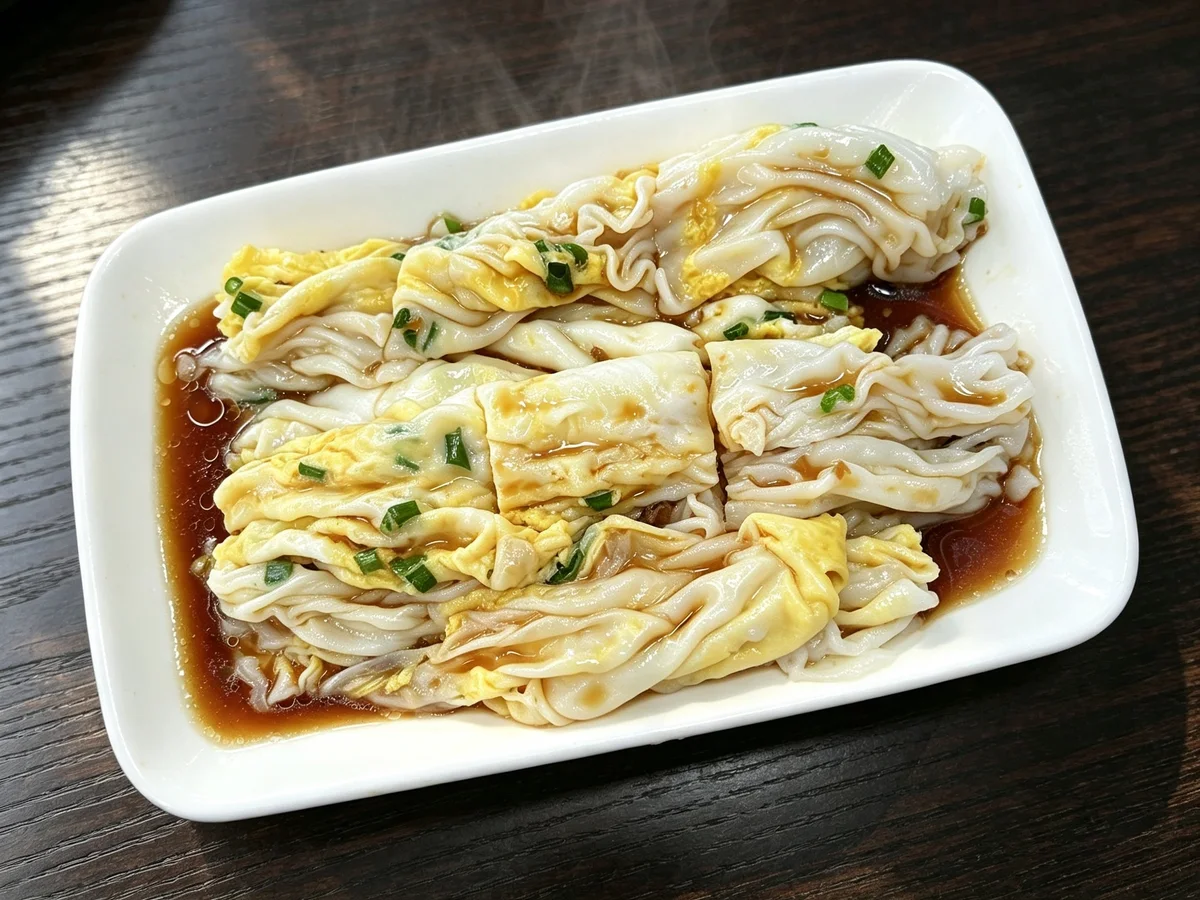
Guangdong rice-batter sheets steamed to order, folded plain or around egg, meat or shrimp, and dressed with light seasoned soy while still warm.
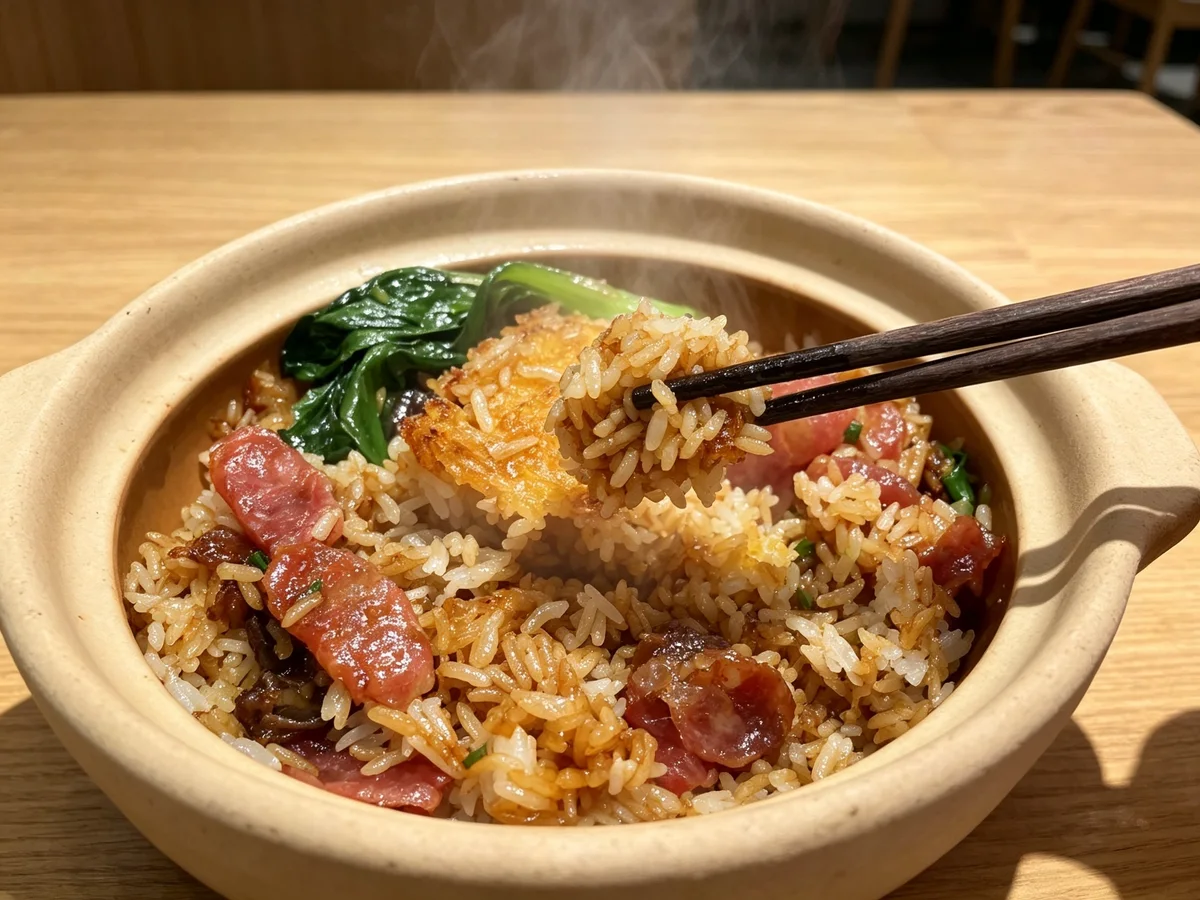
Rice cooked with preserved or fresh toppings in a small earthenware pot, prized for separate grains and a golden bottom crust.
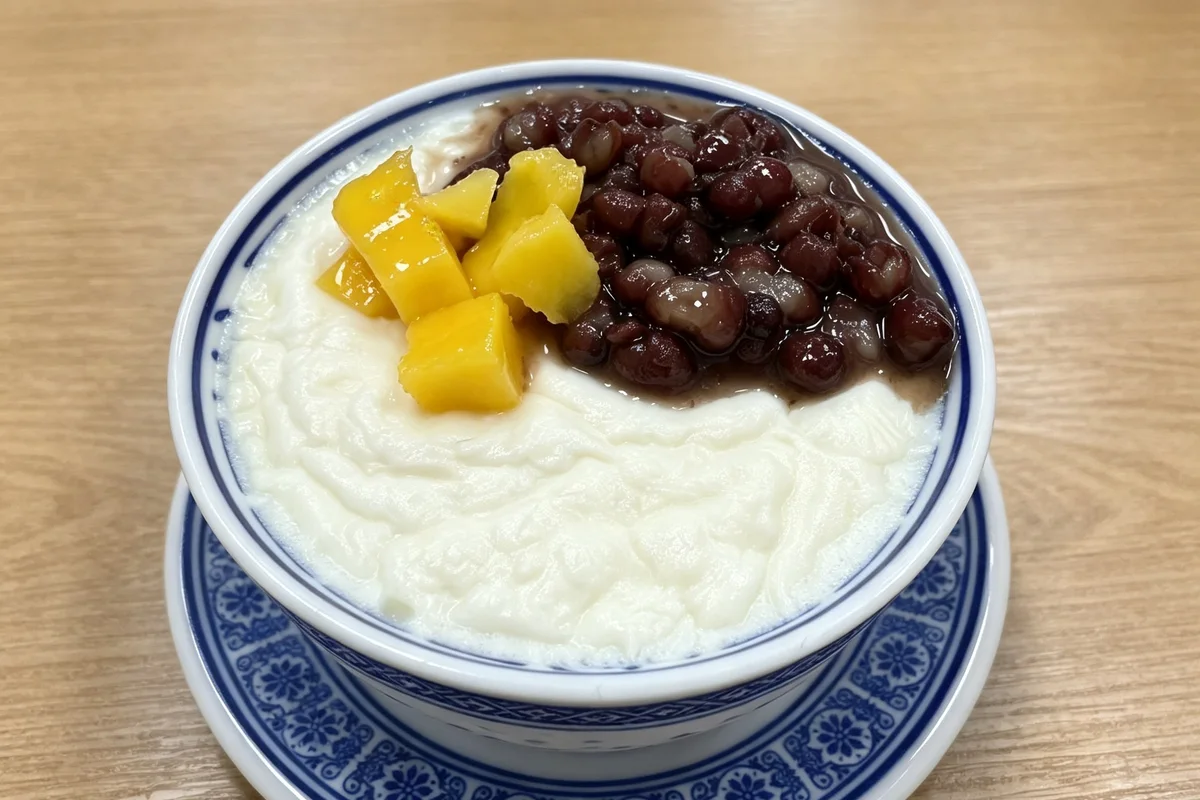
A trembling Shunde milk-and-egg-white custard named for the delicate films formed through cooling, returning and steaming the milk.
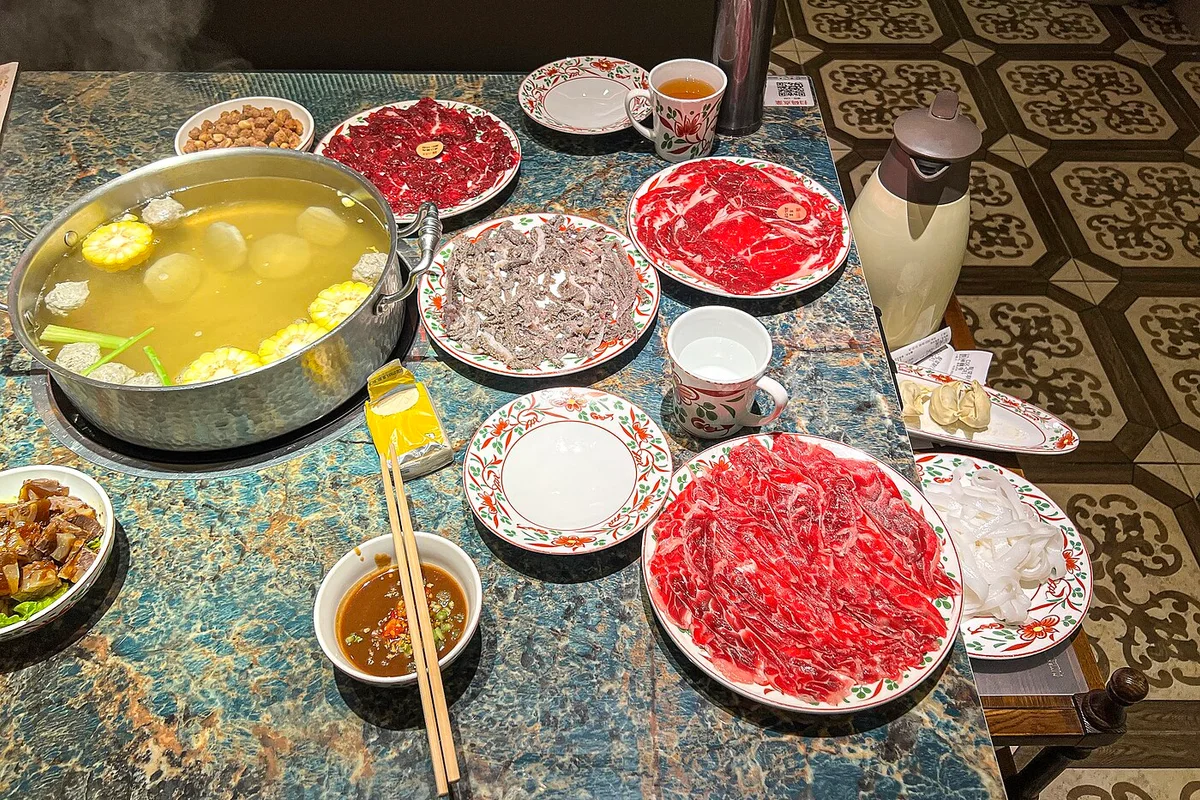
A clear-broth hot pot focused on exceptionally fresh beef cut into different textures.
01
Guangdong is China’s southern gateway: a coastal province of river deltas, trading ports, factory cities and communities long connected to Hong Kong, Southeast Asia and overseas Chinatowns. Guangzhou gives the region its most familiar Cantonese face, while Chaoshan and Hakka traditions add their own languages of freshness and preservation.
The food often speaks with restraint because the culture prizes timing, texture and ingredient quality. Tea houses, seafood tanks, roast-meat windows and congee shops all reward close attention; the best dishes look simple because the kitchen has removed everything unnecessary.
02
Cantonese, Chaoshan and Hakka traditions are related but not interchangeable. Tea-house steaming, siu mei roasting, quick wok cooking and seafood handling reveal more than a simple mild-versus-spicy label.
Guangdong food is often introduced through Cantonese cooking, but the province contains several related traditions. Guangzhou and the Pearl River Delta are closely associated with yum cha, roast meats, seafood, soups and rice-based dishes. Chaoshan food has its own language of freshness, beef hot pot, marinated seafood and shacha sauce. Hakka cooking adds another set of preserved, stuffed and home-style preparations.
The shared thread is not blandness; it is precision. A steamed fish should taste clean because the fish is fresh and the timing is right. White cut chicken succeeds when the skin, flesh and dipping sauce stay in balance. Roast goose is rich, but it is judged by crisp skin, rendered fat and careful chopping. Dim sum is playful, yet each basket depends on wrapper texture, steam control and tea service.
For a newcomer, Guangdong is a useful region for learning texture. Rice noodle rolls are soft and slippery, har gow wrappers are translucent and elastic, congee is comforting and slow-cooked, claypot rice has a crisp base, and Chaoshan beef hot pot separates cuts by tenderness, fat and chew. The food rewards attention to small differences rather than one dominant seasoning.
03
Guangdong cooking often lets the main ingredient speak first, then supports it with light soy, ginger, scallion, clear broth, roast aroma, gentle sweetness or a small dipping sauce. Rice, rice noodles and congee create a soft foundation, while tea, soups and vegetables keep richer meats from overwhelming the table.
The “fresh” reputation depends on shopping, holding, cutting and timing. A simple-looking steamed or poached dish can be technically demanding.
Yum cha is not just snacks on carts. Tea, pacing and shared baskets make it a social form with its own etiquette.
Siu mei shops use marinades, drying and high heat to create crisp skin, lacquered color and juicy meat.
Clear broths, named beef cuts, shacha sauce and precise cooking times make Chaoshan beef hot pot different from a mild version of Sichuan hot pot.
04
Guangdong mornings often blur into brunch. Rice noodle rolls, congee, wonton noodles and steamed dim sum can be quick neighborhood food or part of a longer tea-house meal. In a yum cha setting, diners order several small dishes for the table, refresh tea, and move between steamed, fried, baked and sweet items rather than treating breakfast as one plate.
05
06
“Fresh and light” becomes meaningful only when the table exposes timing: steamed seafood, poached poultry, roast meat, a soft rice preparation and a green vegetable each reveal a different kitchen skill. Sauce should support those differences rather than make every bite taste alike.
Steamed fish or white-cut chicken leaves ingredient handling visible. Confirm portion, bone-in service and market price before ordering a live or whole item.
Roast goose, dim sum or claypot rice depends on equipment and repetition. A focused siu-mei shop or tea house is often a better choice than a menu attempting every Cantonese classic.
Chaoshan beef hot pot, marinated seafood and shacha flavors belong to a regional system within Guangdong. They should not be reduced to milder versions of dishes from elsewhere.
At yum cha, tea sets pace and social structure. Order baskets gradually so wrappers, fried items and baked pastries arrive in useful condition.
07
Many dishes are subtle, but roast meats, claypot rice, preserved ingredients and shacha sauce can be rich, smoky or deeply savory.
Yum cha is the tea-drinking meal; dim sum are the small dishes commonly served during it.
It is organized around fresh beef cuts, clear broth, short cooking times and shacha dipping sauce.
Sources
We use these references to check regional context, food terms and dining customs. Individual restaurants and households still vary.
Keep exploring
Move from this guide into a different flavor world, with a quick visual hint before you open the next region.