What to Order at Your First Chinese Restaurant Meal

Find your next discovery

Search the atlas

Search by English name, Chinese name, region or meal.

A practical first meal

What to order the first time

Skip the bucket-list approach. Start with what the restaurant does best, add a suitable staple and something fresh or light, then leave room to order more. These ten dishes are starting points, not a ranking of Chinese food.

01

Ten dishes to try first

The list includes individual breakfasts and street foods as well as dishes meant for sharing. Choose according to the restaurant, the size of your group and what you enjoy—these are not ten plates for a single dinner.

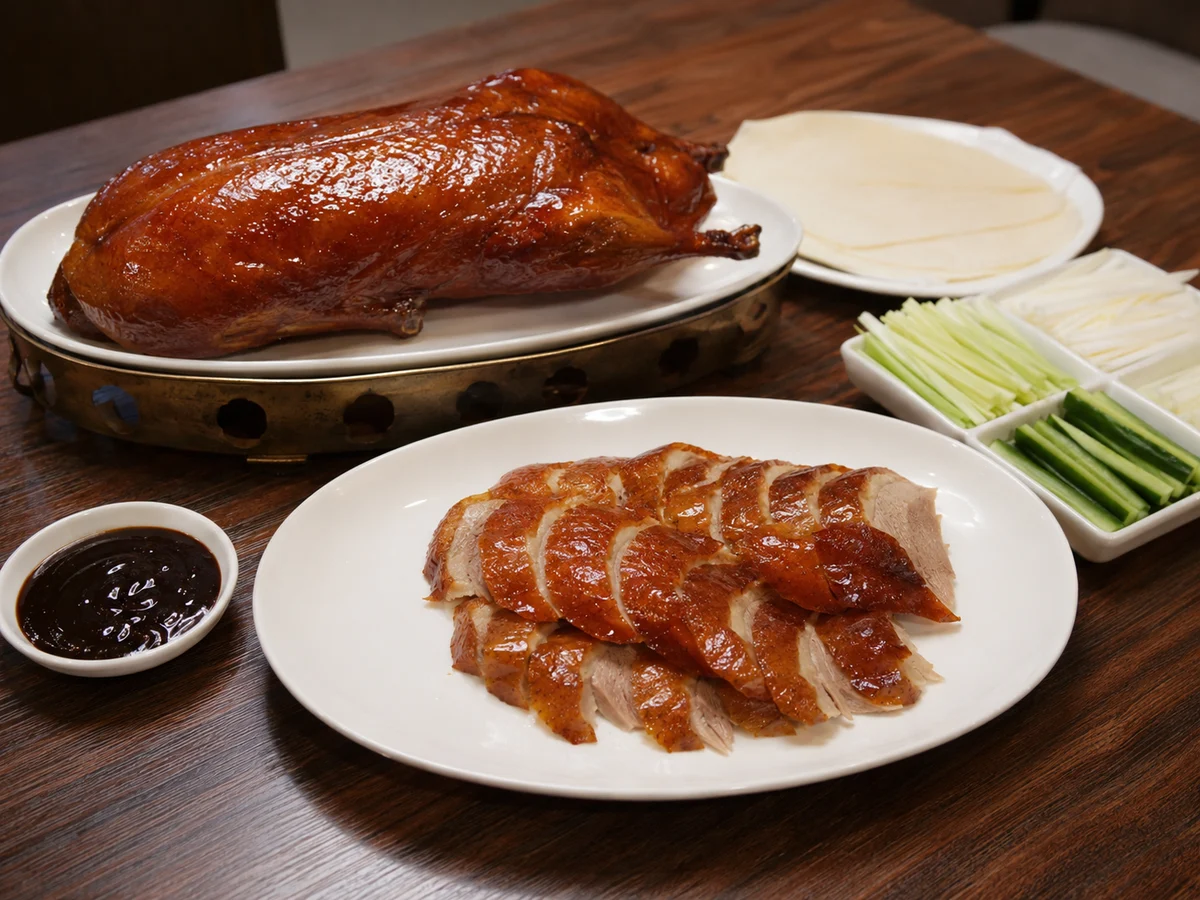
  1. Beijing roast duck with glossy crisp skin, thin pancakes, scallion, cucumber and sweet bean sauce
    01

    BeijingRoast poultry

    Beijing Roast Duck

    Beijing roast duck combines crisp, lacquered skin and juicy meat with soft pancakes, sweet bean sauce, cucumber and scallion.

    Best for
    A special meal to share
    Eating occasion
    Shared meal
    Flavor cues
    Crisp, Rich, Roasted
    Order tip
    Ask whether a whole or half duck suits your group, eat the carved duck while the skin is still crisp, and ask how the restaurant can prepare the remaining bones.
    Read the dish guide
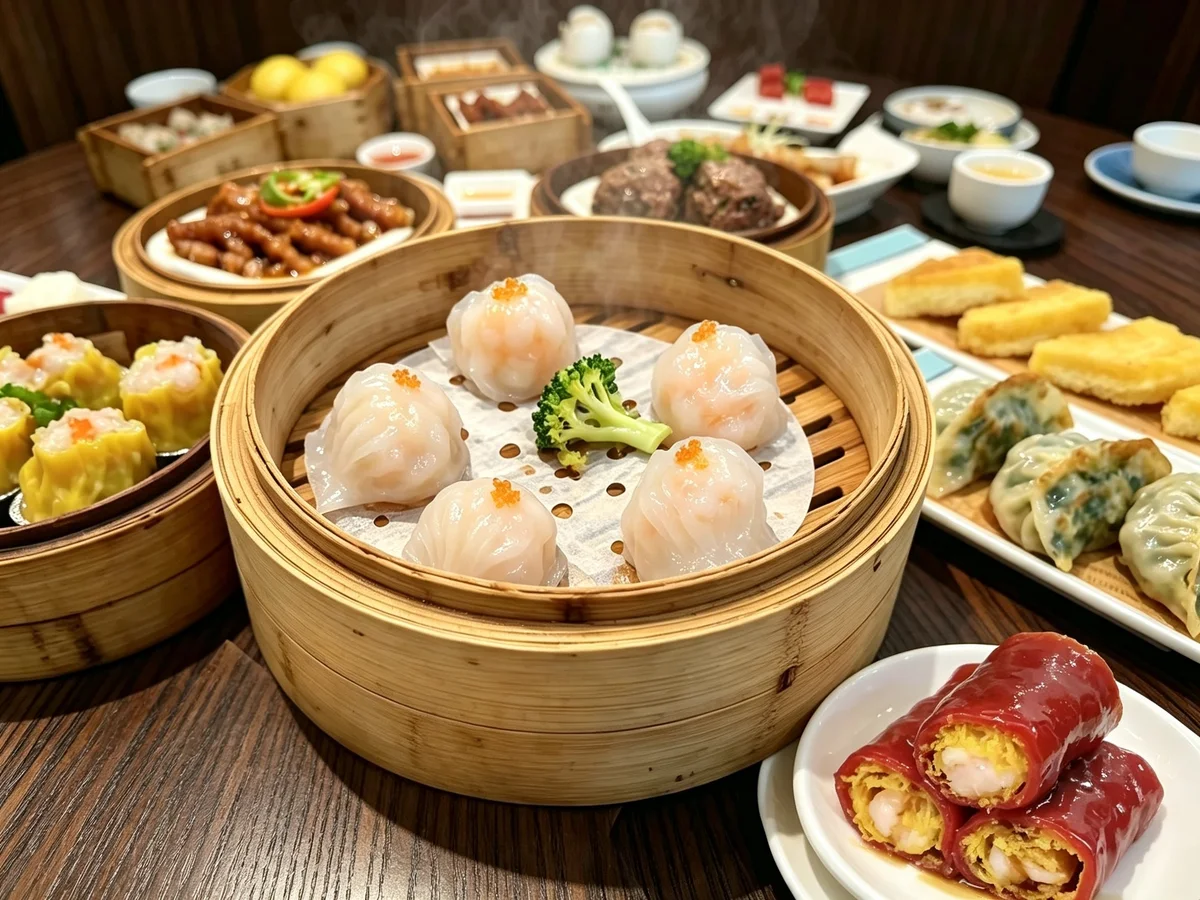
  2. A Cantonese dim sum breakfast spread
    02

    GuangdongDim sum

    Cantonese Yum Cha

    Yum cha works well for a first group meal because you can order a few baskets, compare textures and keep adding dishes while the tea is refilled.

    Best for
    A first shared meal
    Eating occasion
    Breakfast
    Flavor cues
    Delicate, Varied, Fresh
    Order tip
    Choose a steamed dumpling, a rice roll, a bun or pastry and one vegetable instead of ordering only fried items.
    Read the dish guide
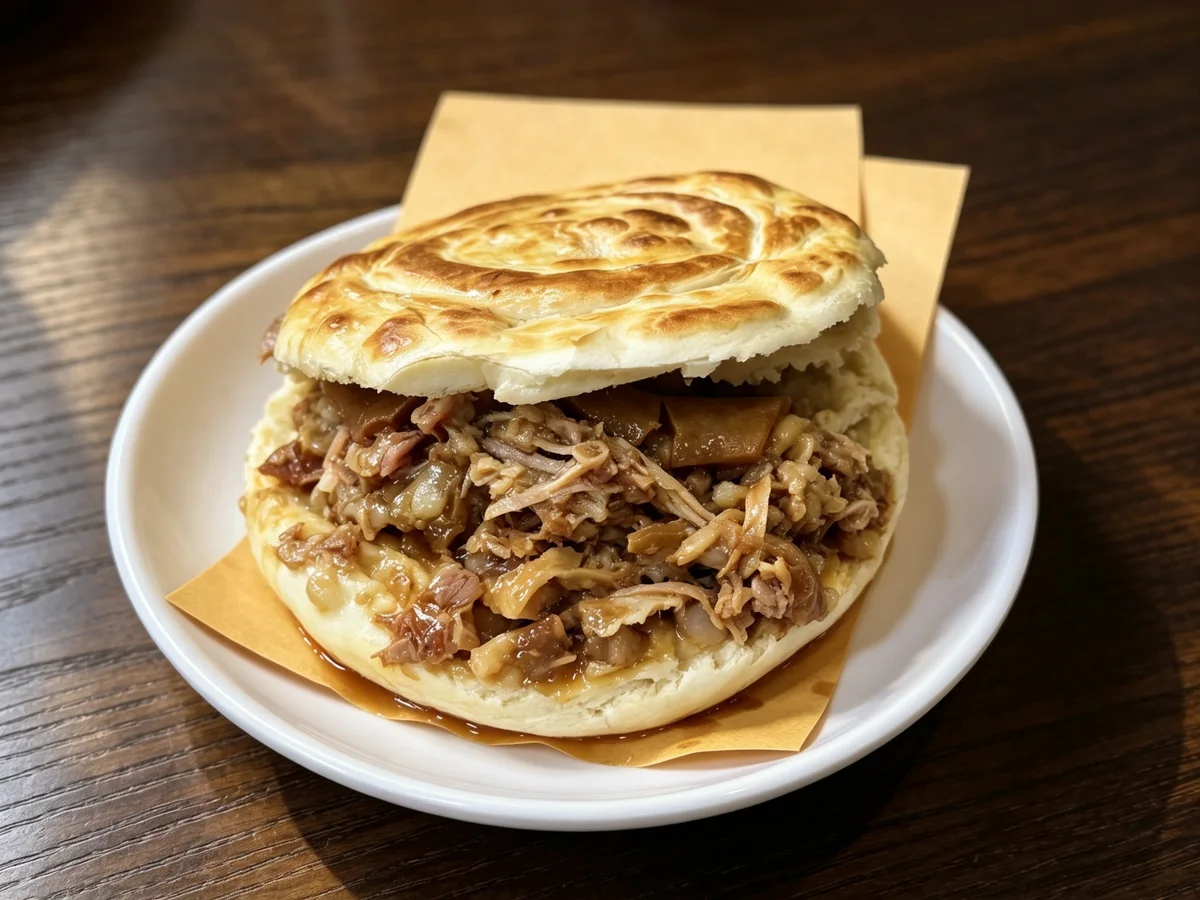
  3. Three Xi’an-style roujiamo flatbreads filled with braised meat
    03

    ShaanxiStreet food

    Roujiamo

    Roujiamo shows the appeal of Shaanxi wheat culture in one hand-held bite: crisp flatbread, chopped braised meat and aromatic juices.

    Best for
    Street food with substance
    Eating occasion
    Snack
    Flavor cues
    Savory, Aromatic
    Order tip
    Ask whether the shop serves pork, beef or lamb versions, especially around Muslim food streets in Xi’an.
    Read the dish guide
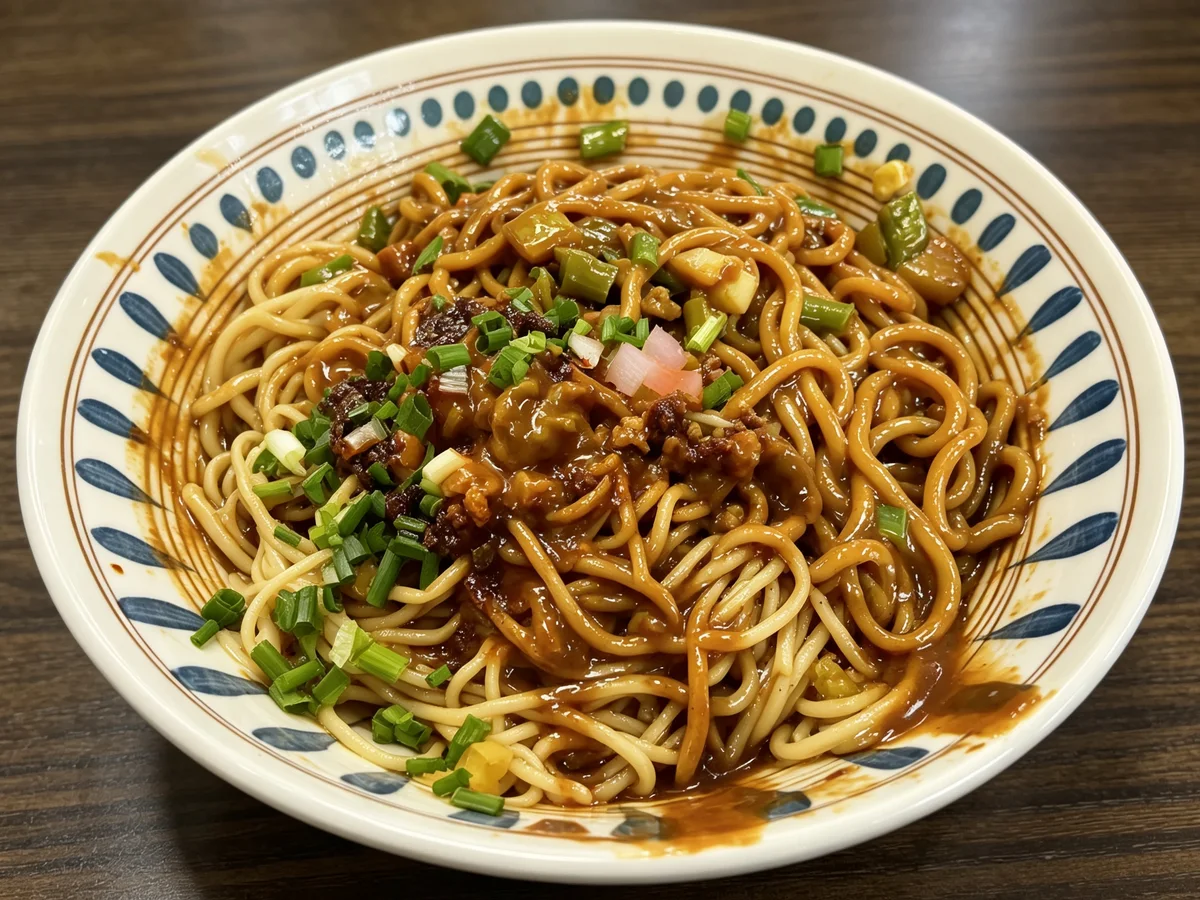
  4. A bowl of Wuhan hot dry noodles topped with pickled vegetables and scallions
    04

    HubeiNoodles

    Hot Dry Noodles

    Wuhan hot dry noodles make breakfast feel local: firm alkaline noodles, sesame paste, pickles and scallions mixed quickly before the sauce tightens.

    Best for
    Breakfast and noodles
    Eating occasion
    Breakfast
    Flavor cues
    Savory, Nutty
    Order tip
    Mix immediately and adjust chilli after tasting; the sesame base is the point, not only the heat.
    Read the dish guide
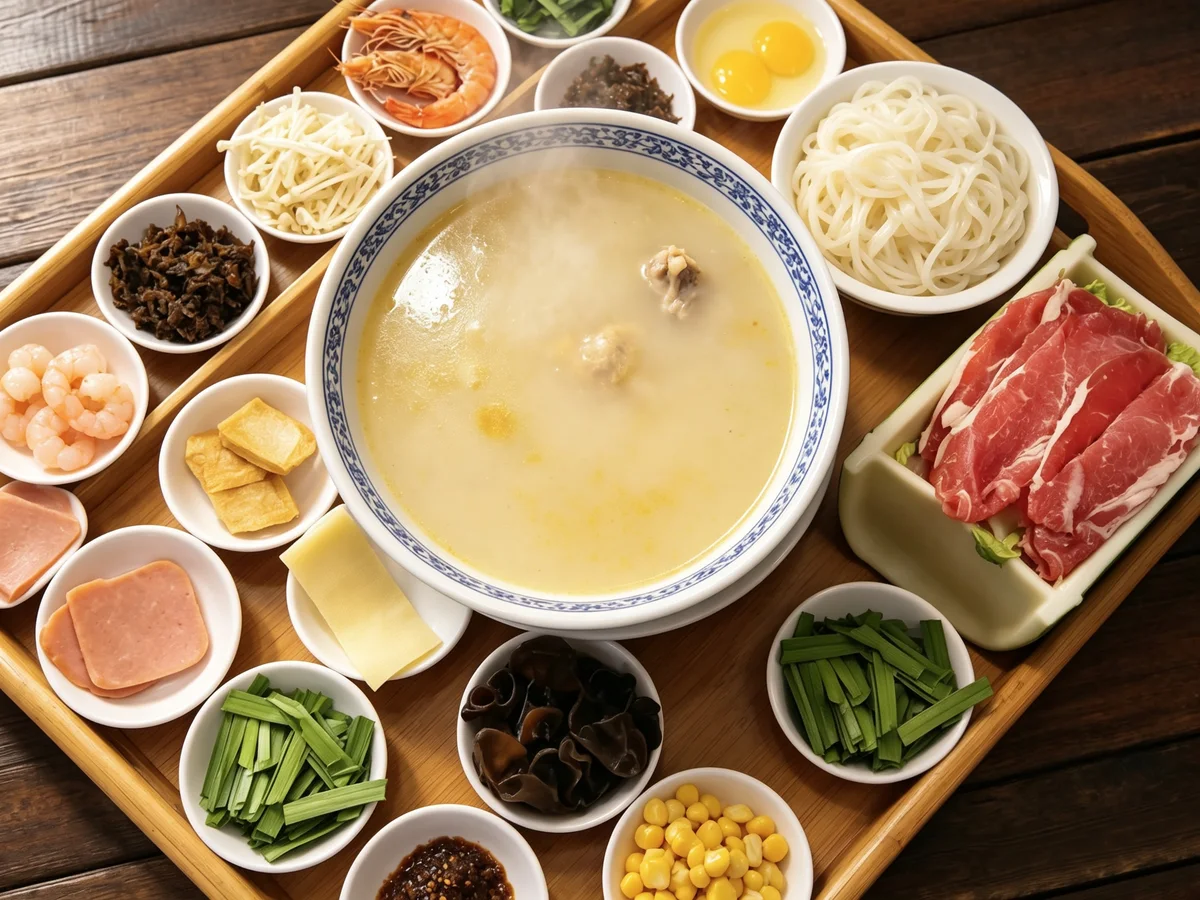
  5. Crossing-the-bridge noodles in Mengzi with hot broth and ingredients arranged in small dishes
    05

    YunnanMain dish

    Crossing-the-Bridge Noodles

    This Yunnan rice-noodle meal is memorable because the bowl is assembled in sequence, with hot broth, separate ingredients and a calmer aromatic profile.

    Best for
    Gentle rice-noodle broth
    Eating occasion
    Lunch or dinner
    Flavor cues
    Fresh, Aromatic
    Order tip
    Add raw slices and delicate ingredients in the order the shop recommends so the broth cooks them properly.
    Read the dish guide
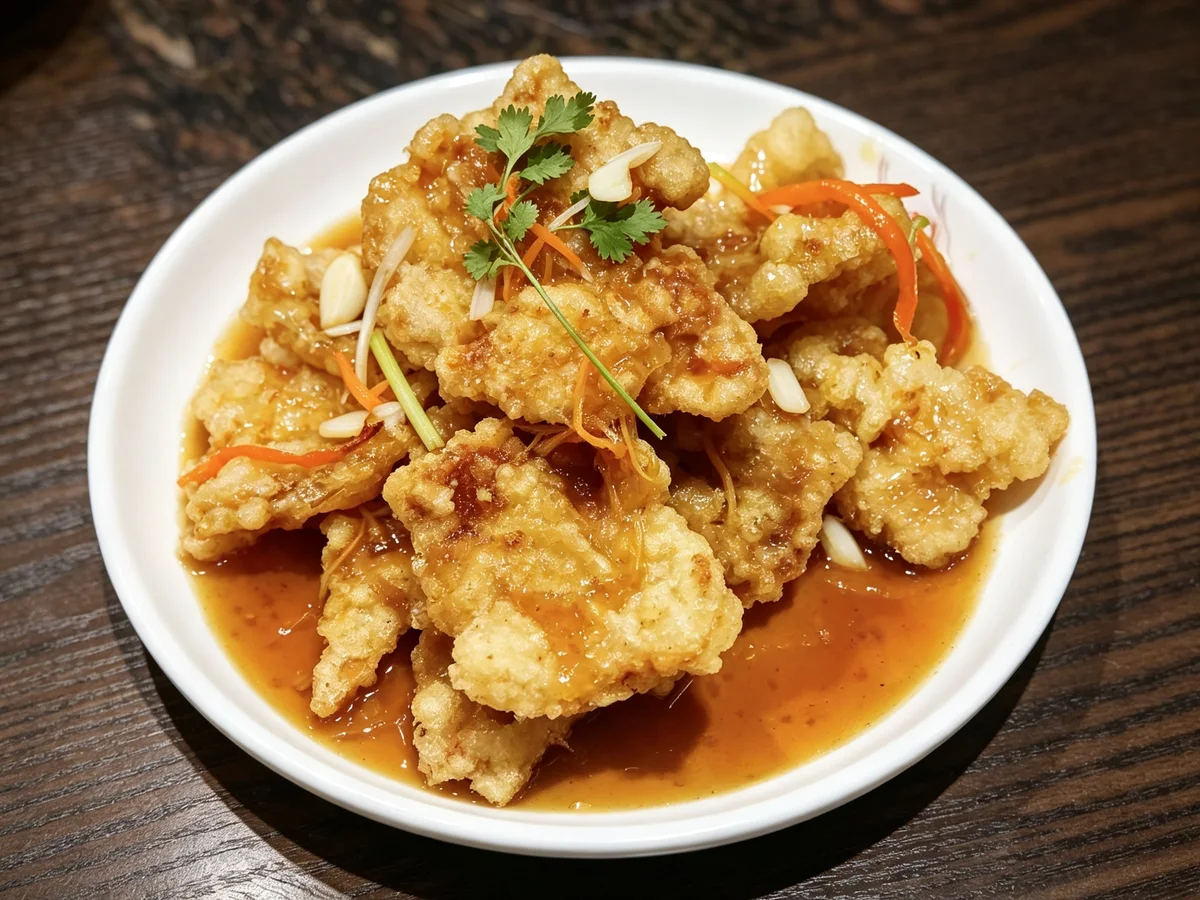
  6. A plate of crisp guo bao rou pork coated in a glossy sweet-and-sour sauce
    06

    Northeast ChinaMain dish

    Guo Bao Rou

    Guo bao rou is approachable but still regionally specific: Harbin-style pork should be bright, crisp and tangy rather than heavy or syrupy.

    Best for
    Crisp sweet-sour sharing
    Eating occasion
    Lunch or dinner
    Flavor cues
    Crisp, Sweet-sour
    Order tip
    Eat it soon after it arrives, before the glaze softens the potato-starch crust.
    Read the dish guide
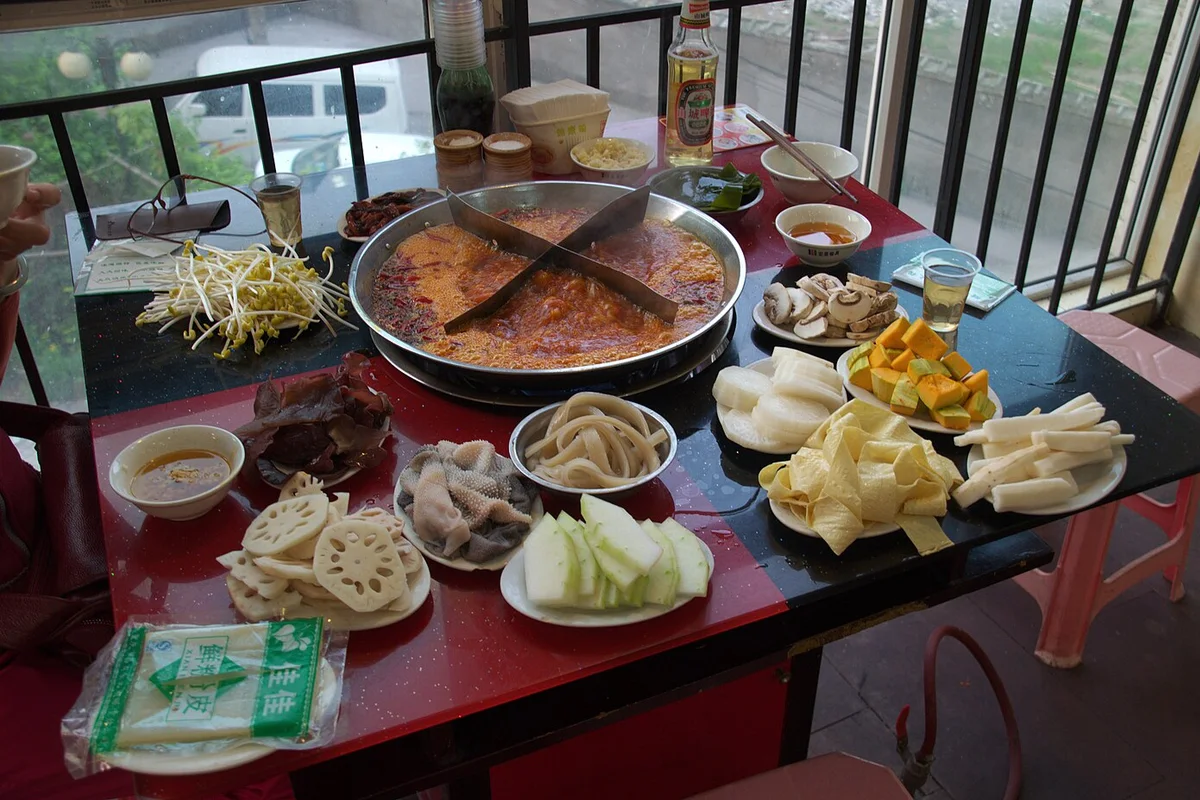
  7. A Sichuan hot pot table with red málà broth, mild center broth and raw meats, vegetables and mushrooms for cooking
    07

    SichuanHot pot

    Sichuan Hot Pot

    Sichuan hot pot teaches the table rules quickly: choose a broth, build a dip, cook in rounds and keep delicate pieces from overcooking.

    Best for
    A social dinner
    Eating occasion
    Shared meal
    Flavor cues
    Spicy, Numbing, Aromatic
    Order tip
    Use a divided pot for mixed spice tolerance and cook ingredients in small batches.
    Read the dish guide
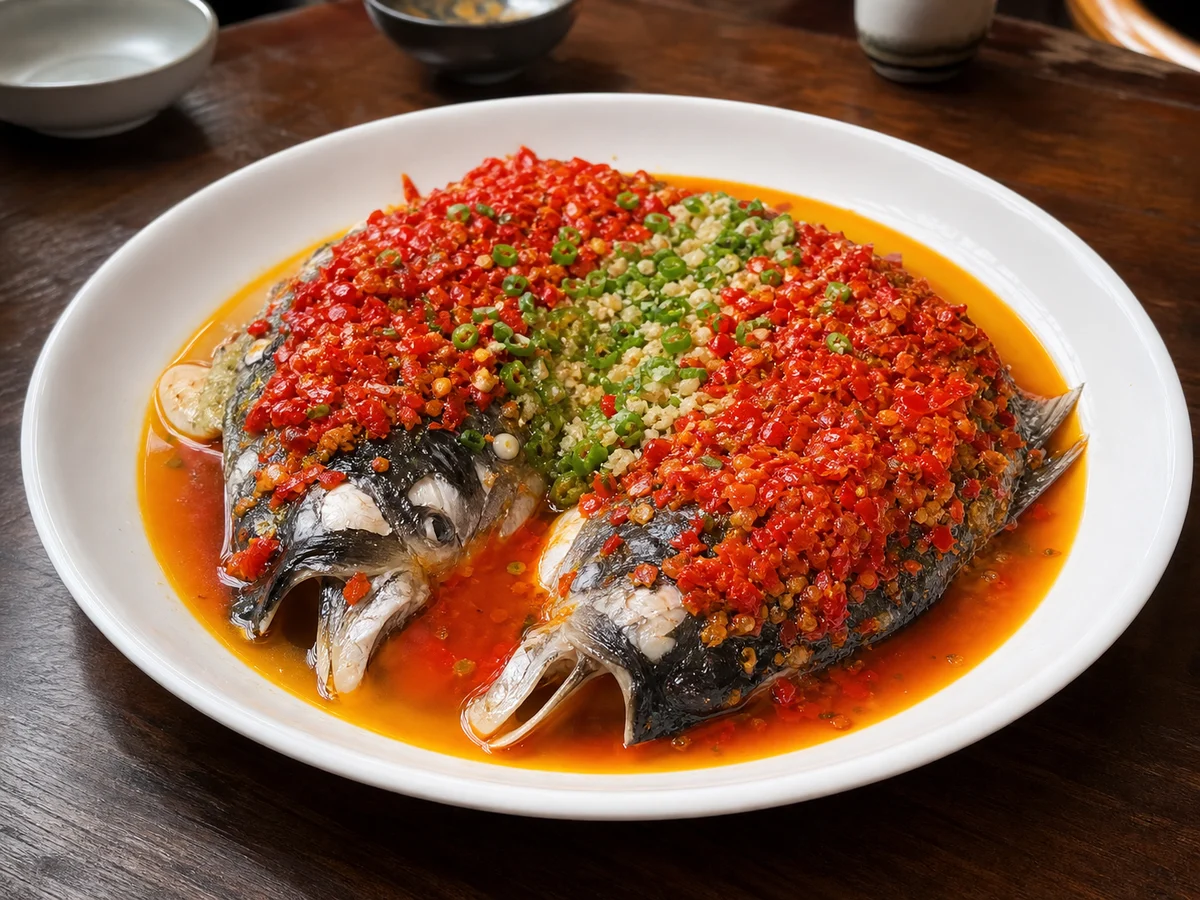
  8. Hunan chopped-chilli fish head steamed beneath red and green fermented chillies, garlic and scallions
    08

    HunanMain dish

    Chopped-Chilli Fish Head

    Chopped-chilli fish head is one of Hunan’s best-known dishes. Salty, lightly sour preserved chilli seasons tender steamed fish, and the juices left on the plate are often finished with noodles.

    Best for
    A famous Hunan centerpiece
    Eating occasion
    Lunch or dinner
    Flavor cues
    Spicy, Sour-salty, Savory
    Order tip
    Ask about the size and chilli level before ordering, share it with the table, watch for small bones, and consider adding noodles to the remaining sauce.
    Read the dish guide
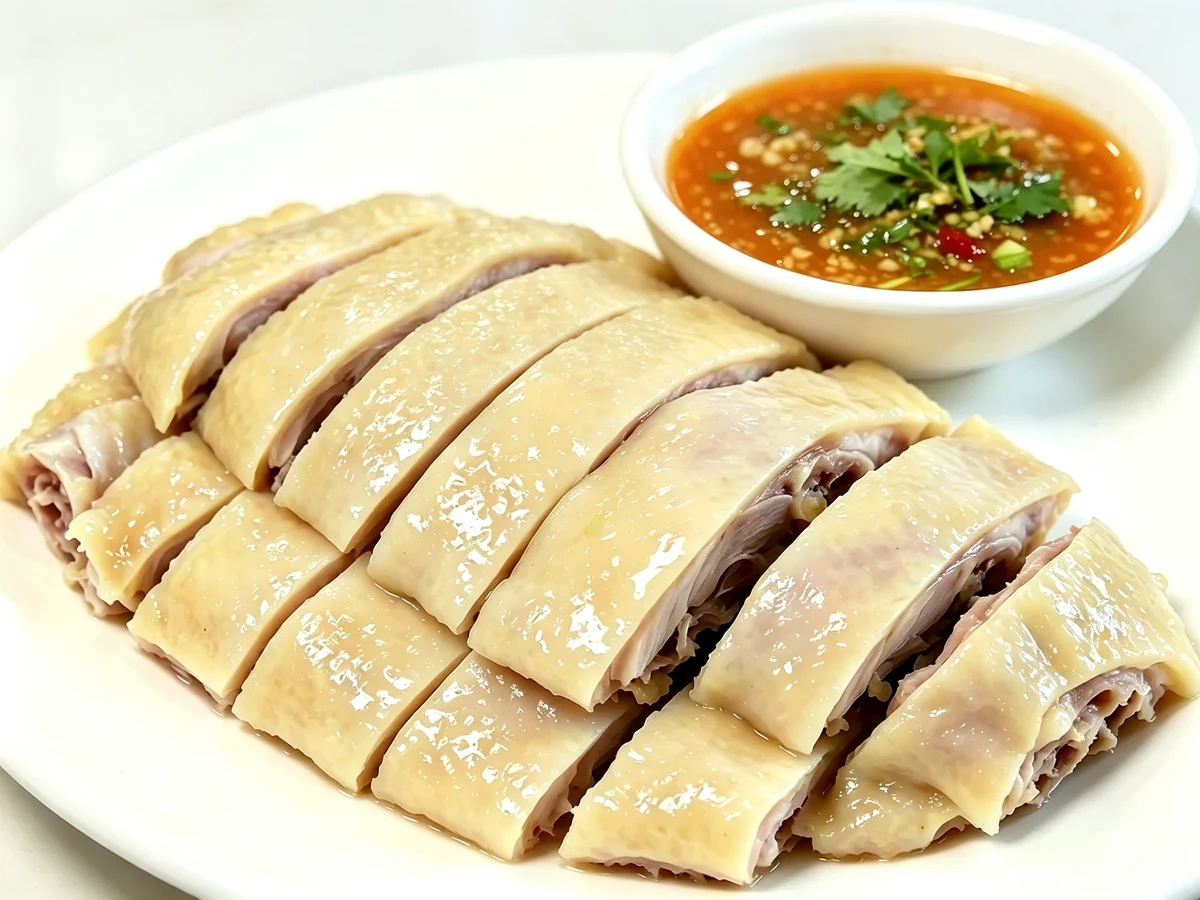
  9. Poached Hainan Wenchang chicken chopped bone-in and served with fragrant dipping sauces
    09

    HainanMain dish

    Wenchang Chicken

    Wenchang chicken is a useful introduction to Hainan because careful poaching keeps the bird tender while a bright ginger, garlic and citrus-accented dip provides contrast.

    Best for
    Hainan’s clean island flavor
    Eating occasion
    Lunch or dinner
    Flavor cues
    Tender, Fresh, Aromatic
    Order tip
    Expect bone-in pieces, taste the chicken before adding much dip, and pair it with rice or a simple green vegetable.
    Read the dish guide
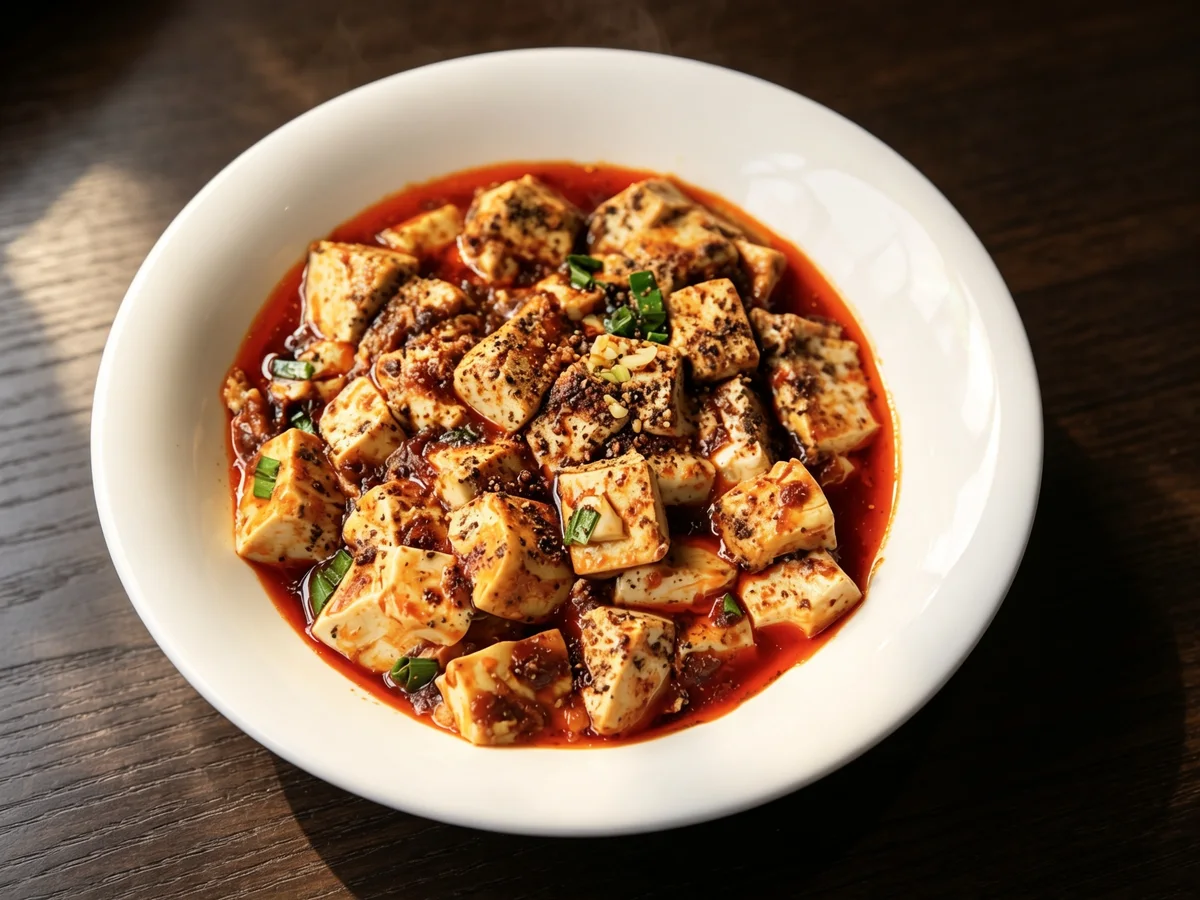
  10. Sichuan-style mapo tofu in a red chilli and fermented bean sauce
    10

    SichuanMain dish

    Mapo Tofu

    Mapo tofu combines soft tofu and minced meat with fermented broad bean paste, chilli oil and Sichuan pepper. The best versions balance savoriness, heat and the pepper’s citrusy numbing aroma.

    Best for
    A classic Sichuan dish with rice
    Eating occasion
    Lunch or dinner
    Flavor cues
    Spicy, Numbing, Savory
    Order tip
    Order rice, ask for a realistic spice level, and spoon sauce and tofu together instead of judging the dish only by the oil on top.
    Read the dish guide

02

What to order by mood

Start with a simple preference—spicy food, noodles, gentle flavors or street food—then choose a regional dish that sounds good to you.

03

Build the order around the restaurant

For two to four people at a full-service restaurant, a balanced meal usually works better than a collection of famous dishes. Choose one house specialty, then add the staple and lighter dishes that make sense beside it.

  1. Identify the restaurant typeIs this a noodle shop, roast-meat shop, tea house, dumpling restaurant, hot-pot specialist or full-service regional restaurant? That determines whether you need one bowl or several dishes to share.
  2. Choose one anchorPick the reason the restaurant exists: roast duck, hot pot, a regional fish, dumplings, noodles or another house specialty. Ask how many people it serves.
  3. Add the right stapleRice suits strongly seasoned stir-fries; flatbread often accompanies northern meat and soup; noodles may already be a complete meal. Do not add another starch automatically.
  4. Add one contrastIf the anchor is fried, rich or chilli-heavy, choose a steamed vegetable, cold dish, clear soup or lightly cooked protein instead of another competing centerpiece.
  5. Ask a useful question“How many people does this serve?” “Which dish best represents your restaurant?” and “Does the broth or sauce contain my allergen?” are more useful than asking only what is popular.

04

How we chose these recommendations

More than one menu style

The list spans nine regional food worlds, from Beijing and Hunan to Guangdong and Hainan, so the first meal is not limited to the same few overseas staples.

Distinctive qualities

Every dish offers something clear to notice: chewiness, bright vinegar, a carefully made broth, Sichuan pepper, tea-house pacing, the texture of rice products or a crisp crust.

Practical at the table

Each recommendation includes a small ordering note, such as when to mix, what to share, how to control spice or when to follow the kitchen timer.

Sources

Sources and further reading