
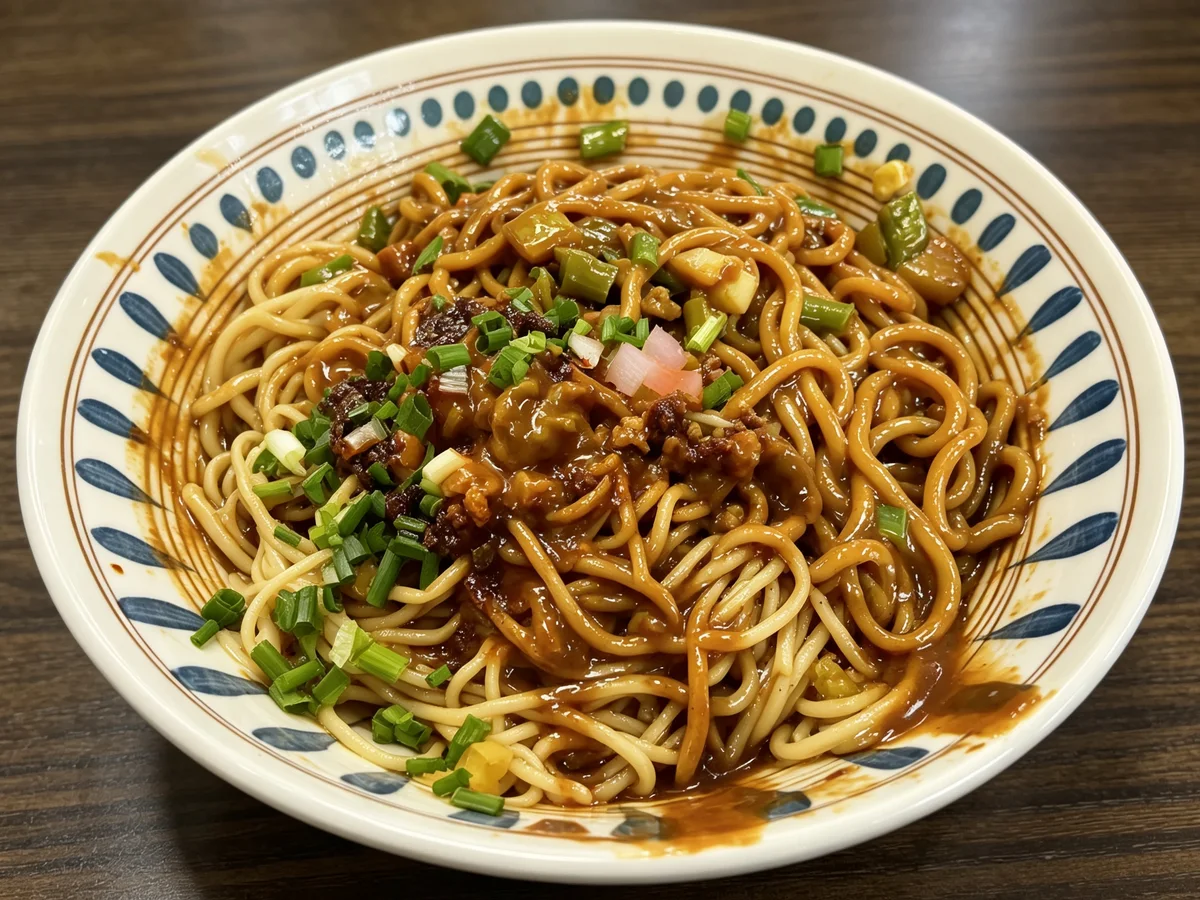
Hot Dry Noodles
Wuhan breakfast noodles: hot alkaline wheat strands quickly reheated and mixed with sesame paste, savory seasoning and crisp pickles, with no pool of broth.
Chinese breakfast guide
At daybreak, Wuhan is already tossing hot dry noodles, Guangdong tea houses are steaming rice rolls and dim sum, and Xi’an breakfast shops are ladling peppery hulatang. There is no single Chinese breakfast menu: every city wakes up to its own staples, flavors and pace.
Breakfast food index
Start visually: noodles, rice rolls, soup, griddled snacks, sticky-rice sweets and slower tea-house dishes.
Wuhan breakfast noodles: hot alkaline wheat strands quickly reheated and mixed with sesame paste, savory seasoning and crisp pickles, with no pool of broth.
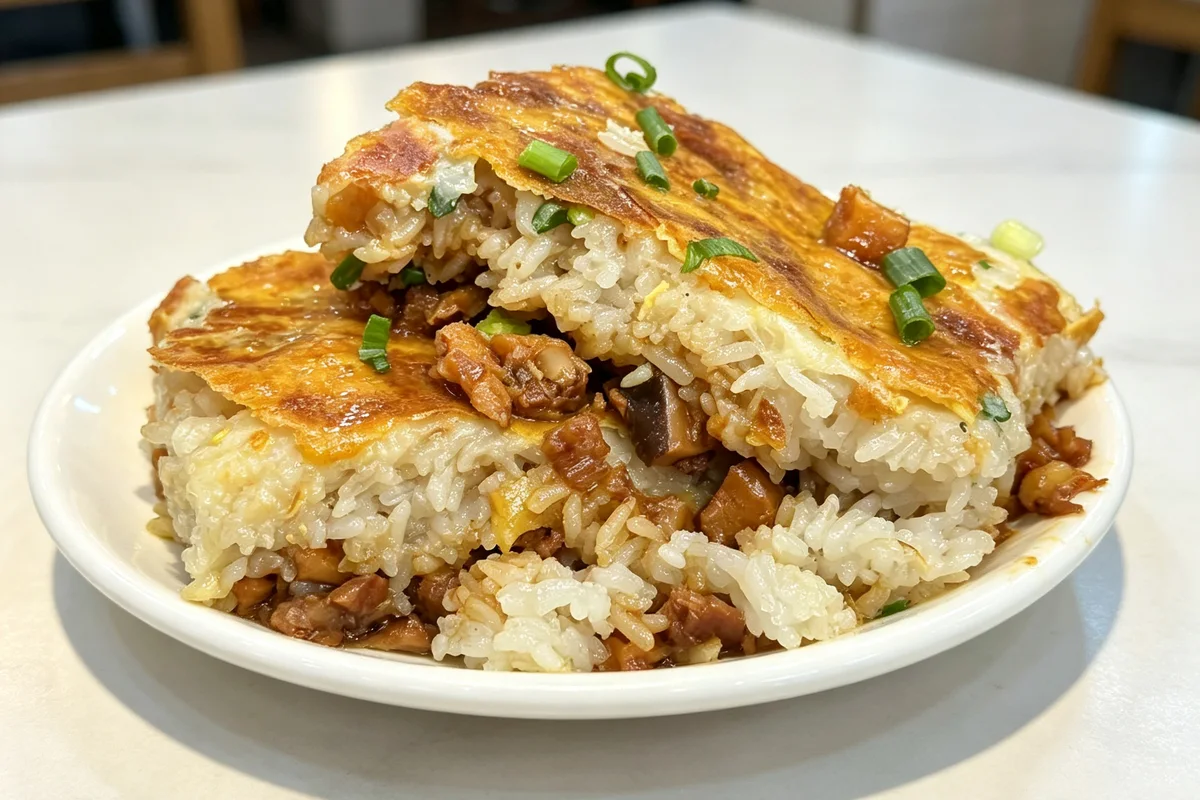
Wuhan’s celebrated crisp bean-and-egg parcel filled with sticky rice and three savory delicacies.
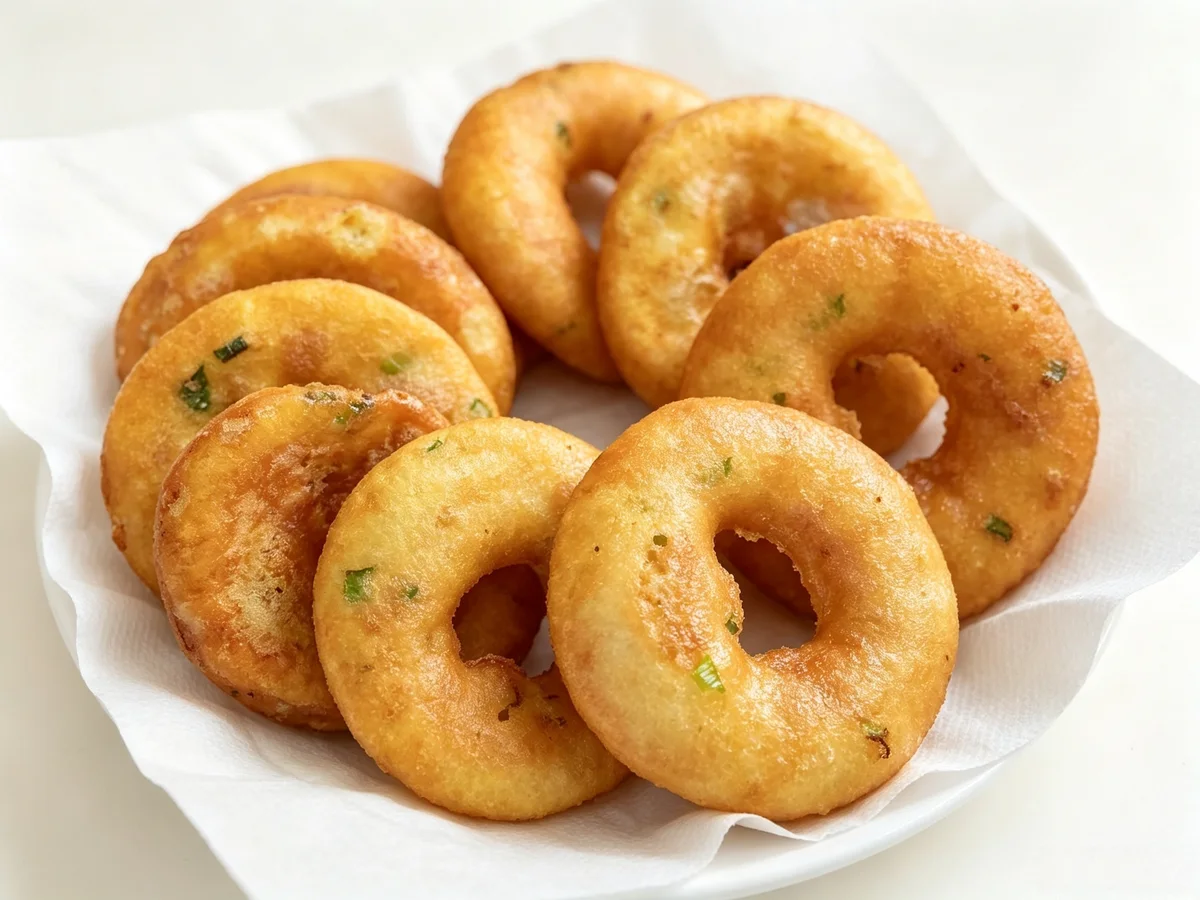
A Wuhan rice-and-soy breakfast fritter shaped by a special ladle for a brittle thin center and a tender, thicker scallion-fragrant rim.
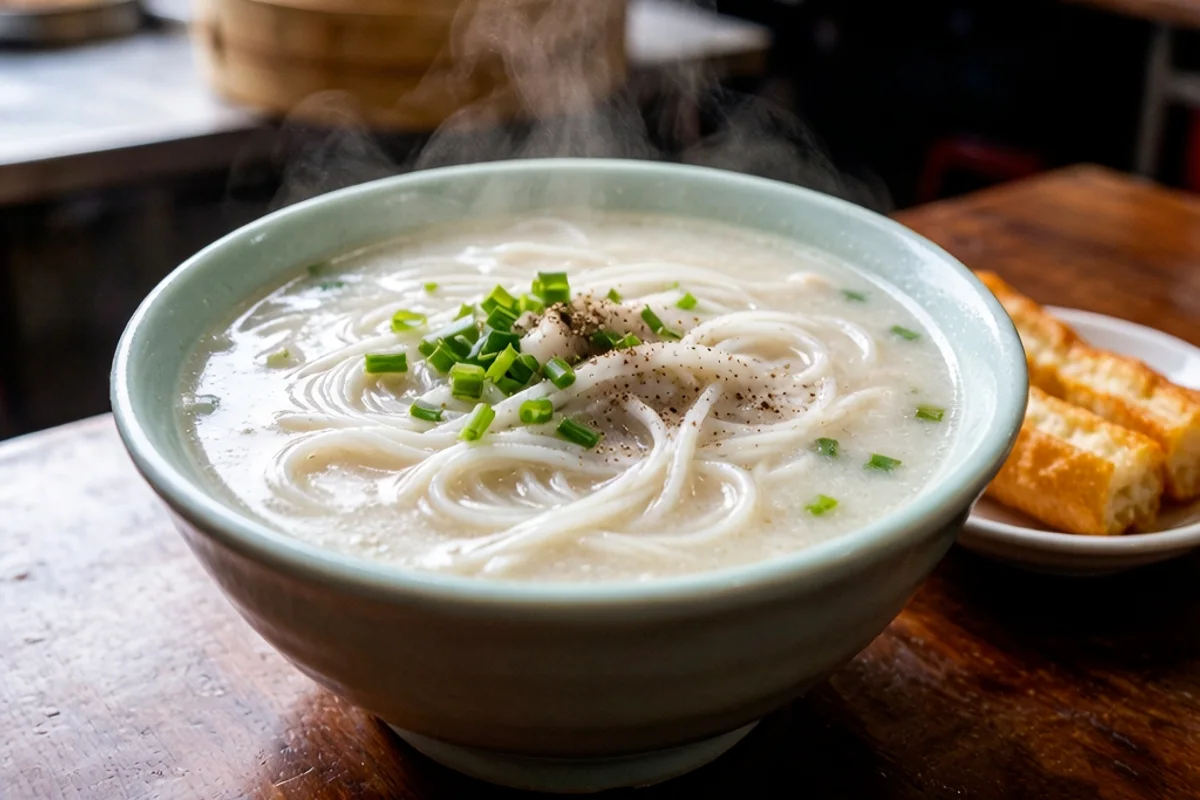
Thin rice noodles in Wuhan’s thick, peppery freshwater-fish broth, traditionally served with crisp youtiao.
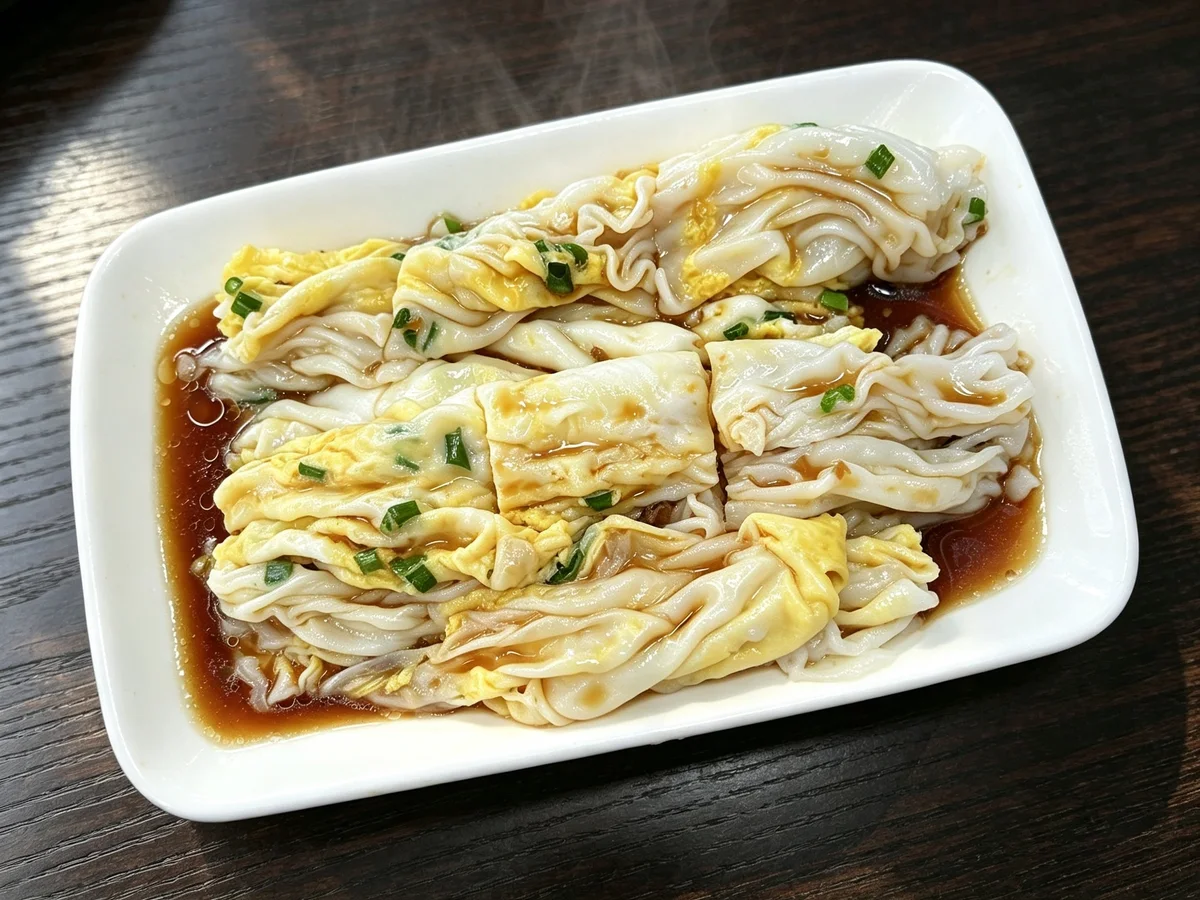
Guangdong rice-batter sheets steamed to order, folded plain or around egg, meat or shrimp, and dressed with light seasoned soy while still warm.
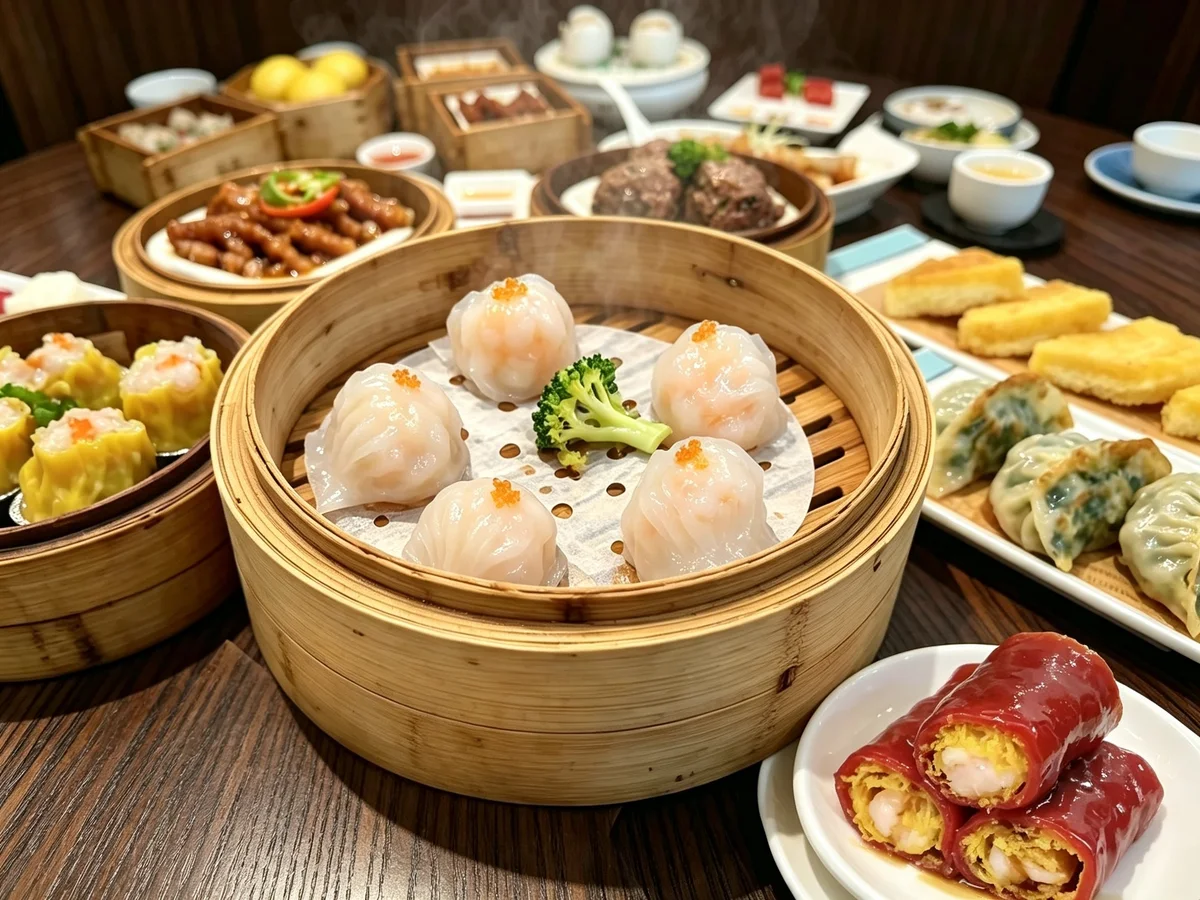
A tea-centered Cantonese social meal in which steamed, baked, fried and braised dim sum arrive in small shared portions over several rounds.
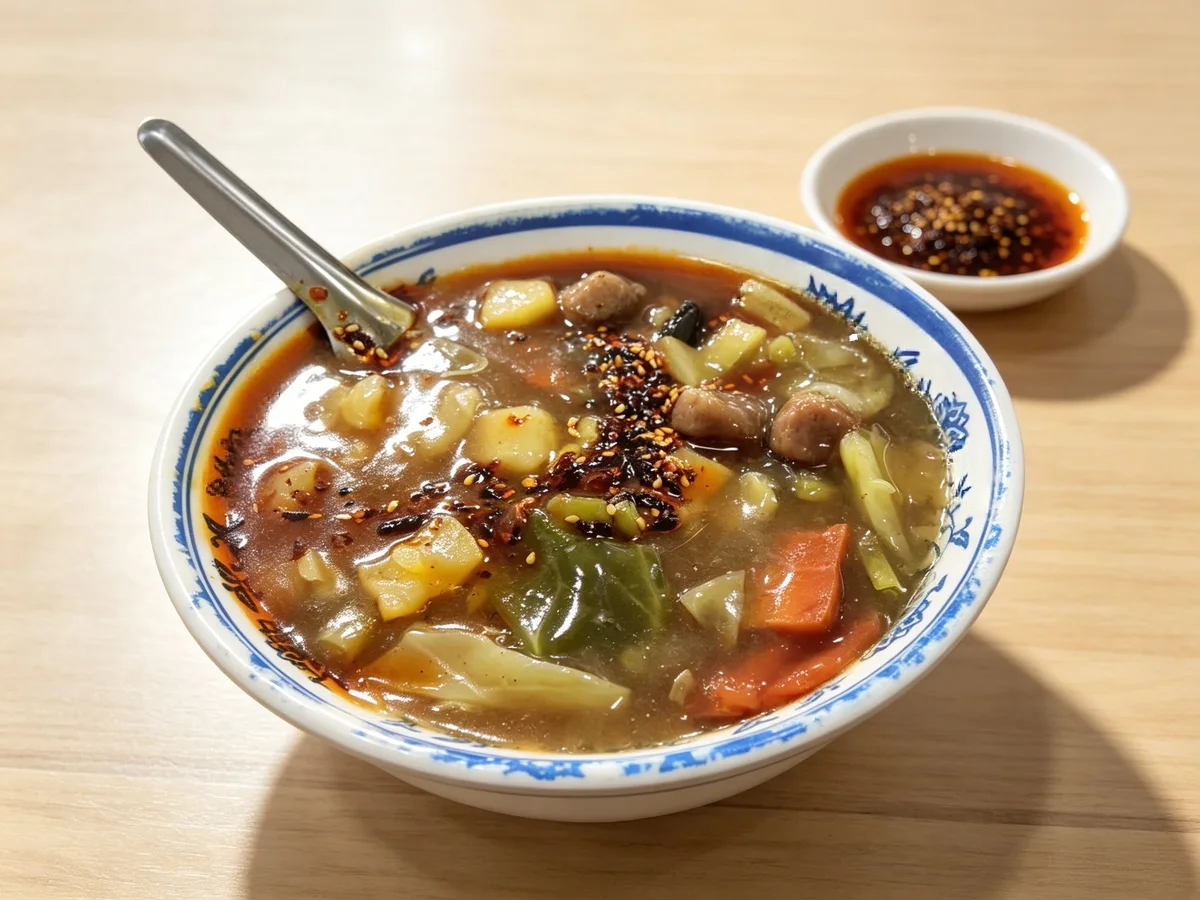
Xi’an’s thick, peppery breakfast soup with halal beef or lamb meatballs and vegetables.
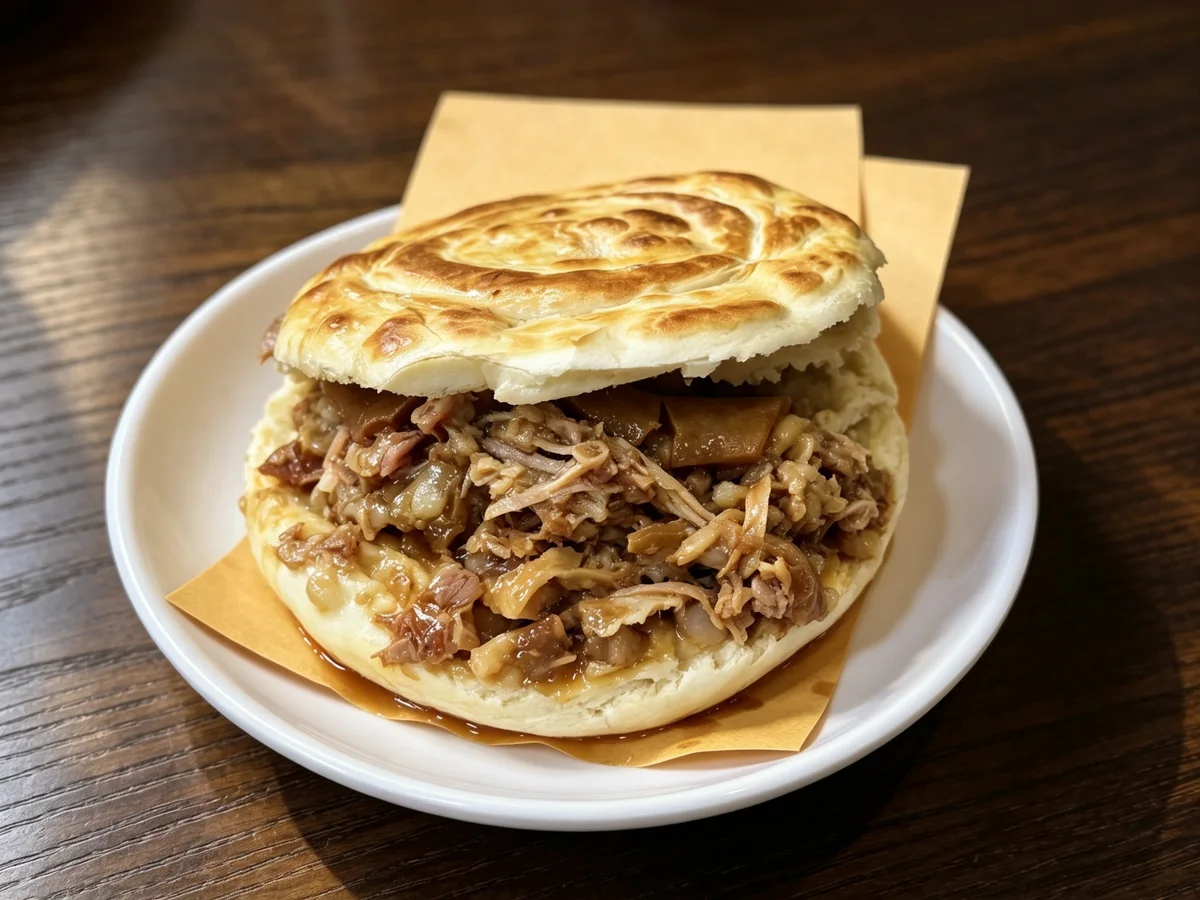
A family of Shaanxi meat-filled breads, best known through Xi’an baiji mo with chopped lazhirou pork and the flaky Tongguan and Muslim beef-or-lamb branches.
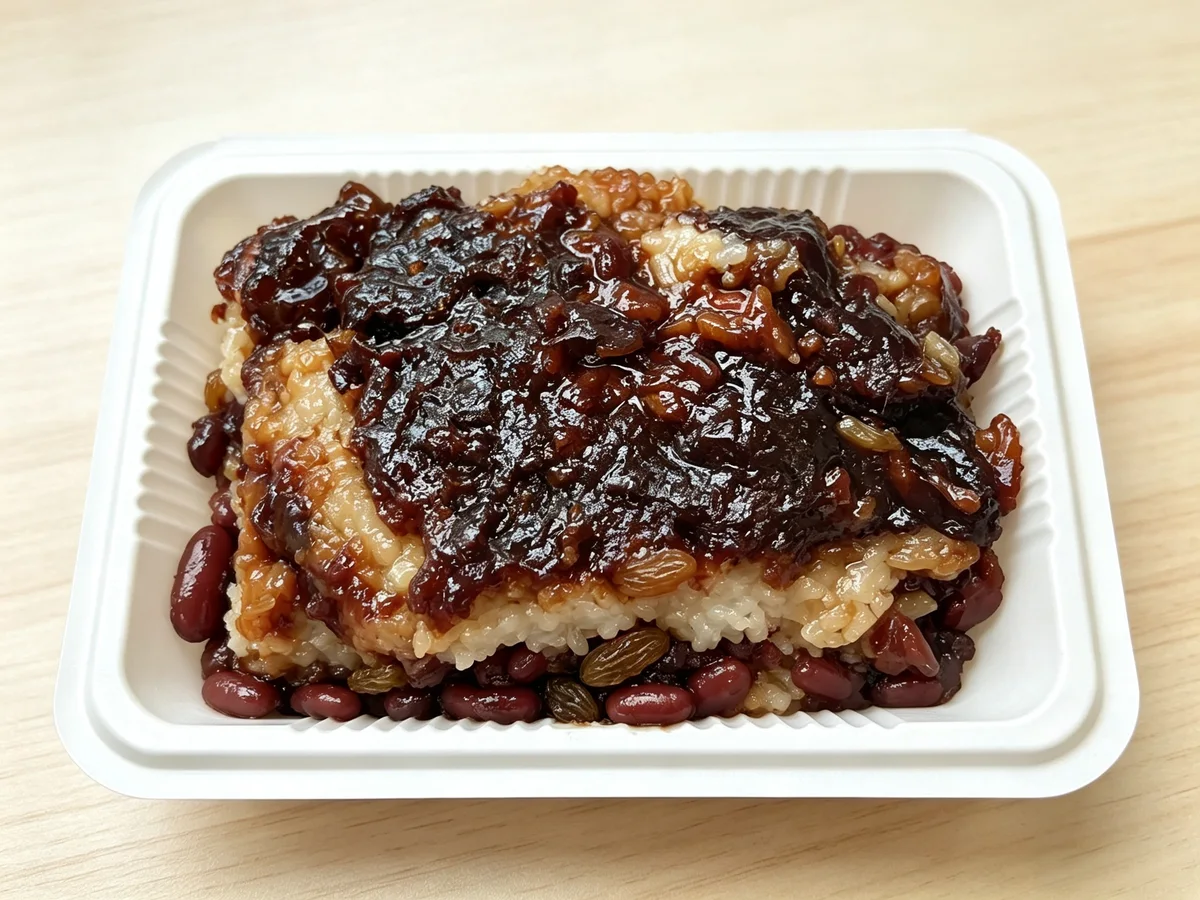
A Xi’an steamed sticky-rice cake layered with red dates and beans.
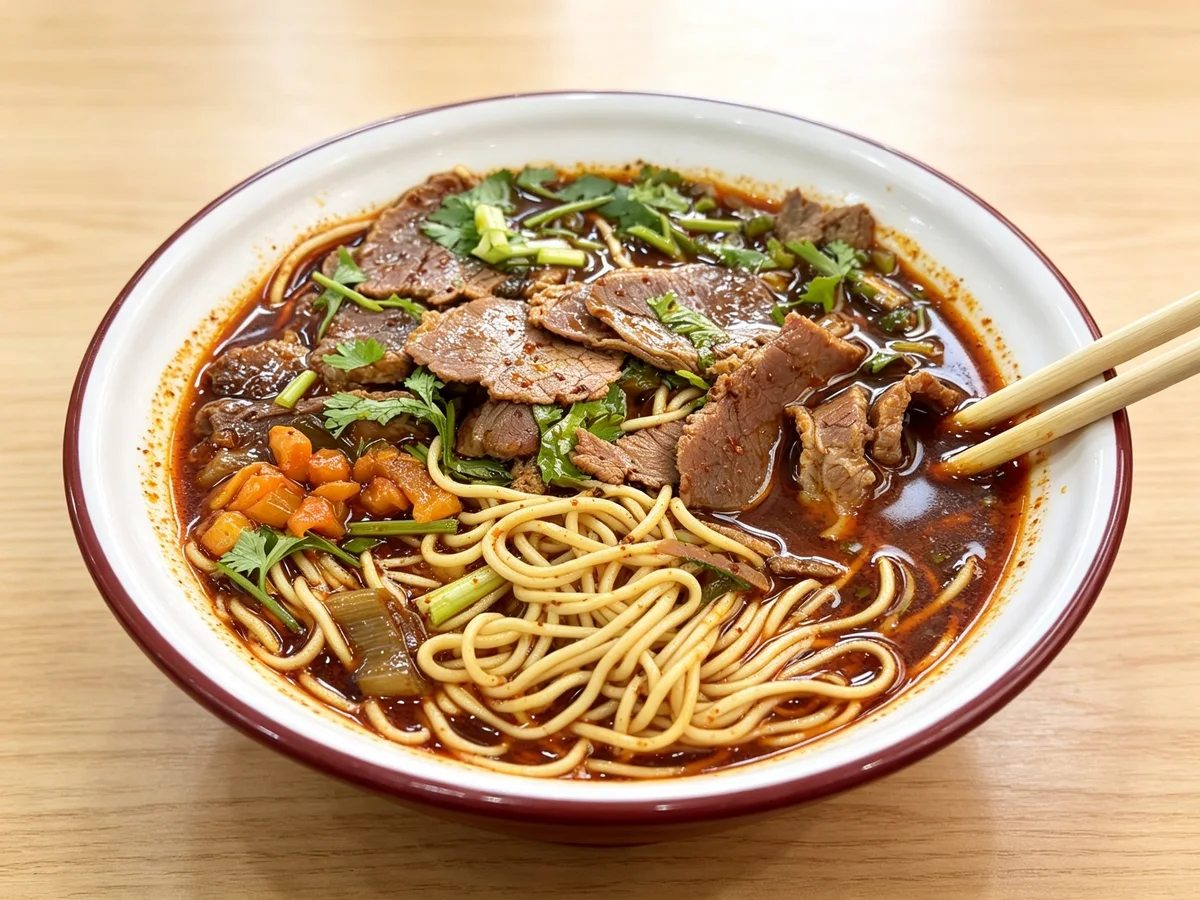
A robust Xiangyang breakfast bowl of alkaline wheat noodles, beef or beef offal and a fragrant red broth.
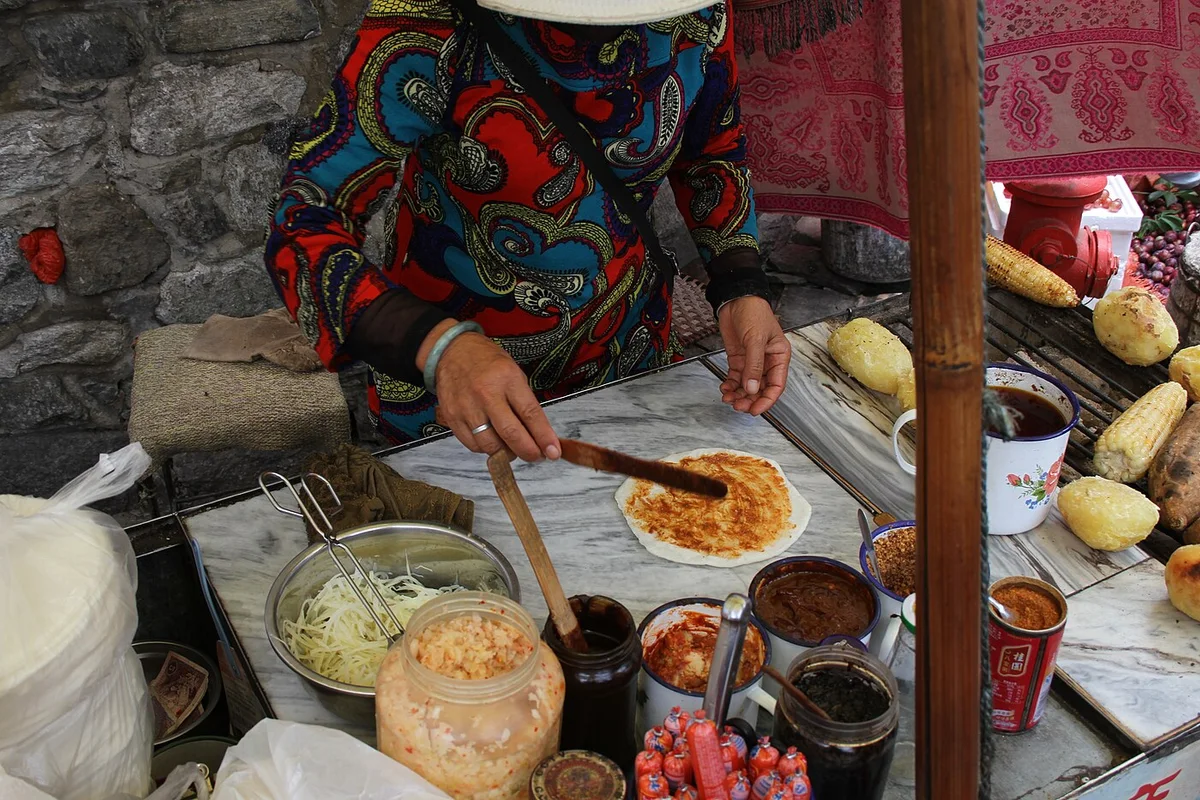
Related Yunnan rice foods: erkuai is shaped as cakes or sheets, while ersi is cut into noodle-like strands.
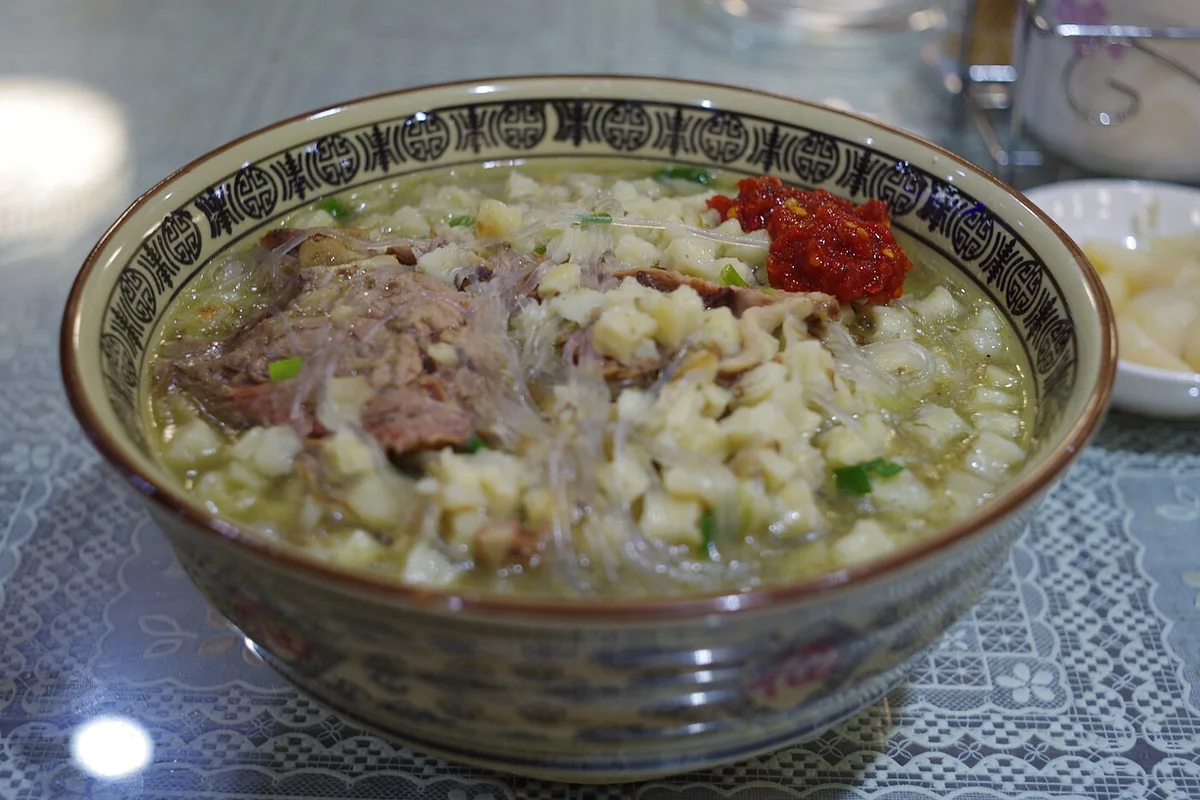
A Xi’an beef-or-lamb meal in which diners hand-tear dense mo before the kitchen cooks it briefly with broth and meat.
At a glance
What people eat at daybreak follows the grains a place grows, the weather it wakes to and the rhythm of the working day. Noodles, buns, congee, soy milk, fried dough, rice rolls, hot soups and tea-house dishes can all open the morning. Instead of looking for one national menu, ask what this city reaches for when it wants breakfast hot, satisfying and familiar.
Typical Chinese breakfast foods
People searching for Chinese breakfast are usually asking for a usable map. These four patterns explain most first orders better than one national list.
A hot bowl can be breakfast when the shop is built for speed: alkaline wheat noodles in Wuhan, rice noodles in Yunnan, or beef noodles in Xiangyang.
In Guangdong, breakfast can be light and social: rice noodle rolls, congee, tea and small dim sum dishes shared through the morning.
Northern and northwestern mornings often favor warmth and substance: peppery soup, torn bread, flatbread or a meat-filled wheat bun.
A breakfast can also be a crisp side, a griddle item or something wrapped in paper on the way to work.
Chinese breakfast by region
Breakfast follows climate, staple grains, work rhythm and local identity. A good breakfast guide should feel like entering a city before reading a menu.
Wuhan treats breakfast as a public routine: quick queues, specialist stalls, hot bowls and crisp sides before the workday begins.
Open the Hubei breakfast guide →Morning can be slower and more social here, with tea, gentle textures and small plates that blur breakfast and brunch.
Open the Guangdong breakfast guide →Shaanxi mornings lean on wheat and warmth: sturdy breads, soups, vinegar and chilli oil make breakfast feel like a full meal.
Open the Shaanxi breakfast guide →Rice appears as noodles, sheets, cakes and chewy strands. The useful question is not “is it rice?” but what texture the city prefers in the morning.
Open the Yunnan breakfast guide →Sichuan breakfast is not just heat. Many first meals are savory, warming and practical, with spice available rather than required.
Open the Sichuan breakfast guide →Cold weather favors filling, practical starts: hot starches, pickles, buns and simple comforts that travel well through winter.
01
02
Breakfast is one of the most regional parts of everyday eating. A Wuhan bowl, a Guangdong tea-house meal and a Xi’an soup breakfast answer different routines.
Sweet soy milk, pastries and sticky-rice sweets exist, but many typical Chinese breakfasts are savory, hot and starch-based.
Yum cha is important in Cantonese food culture, but it is one regional morning tradition rather than a national default.
Sources
We use these references to check regional breakfast context, food names and eating customs. Individual shops and households still vary.