Hainan Rice Noodles
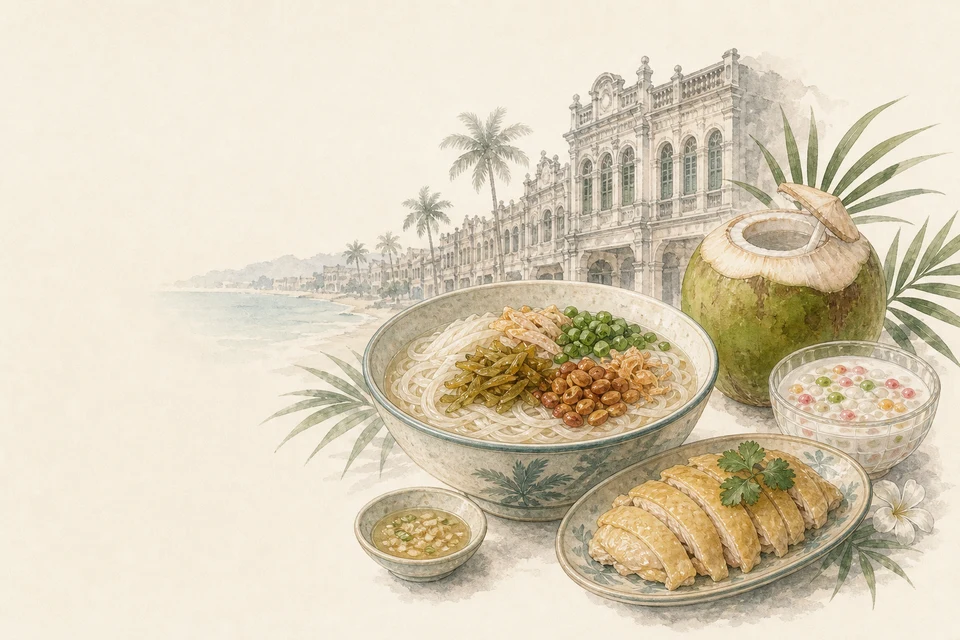
Hainan’s iconic soft rice noodles, commonly dry-mixed with a savory gravy, pickles, peanuts and fragrant toppings.
Regional food guide
Coconut, seafood and bright island flavors
Hainan food carries the rhythm of China’s tropical island province: rice noodles at breakfast, poached poultry and seafood at shared meals, fresh coconut, sour broths and cooling desserts after dark.
Start with the classics
Open the region through its most useful dishes first, then read the deeper story behind the flavors below.
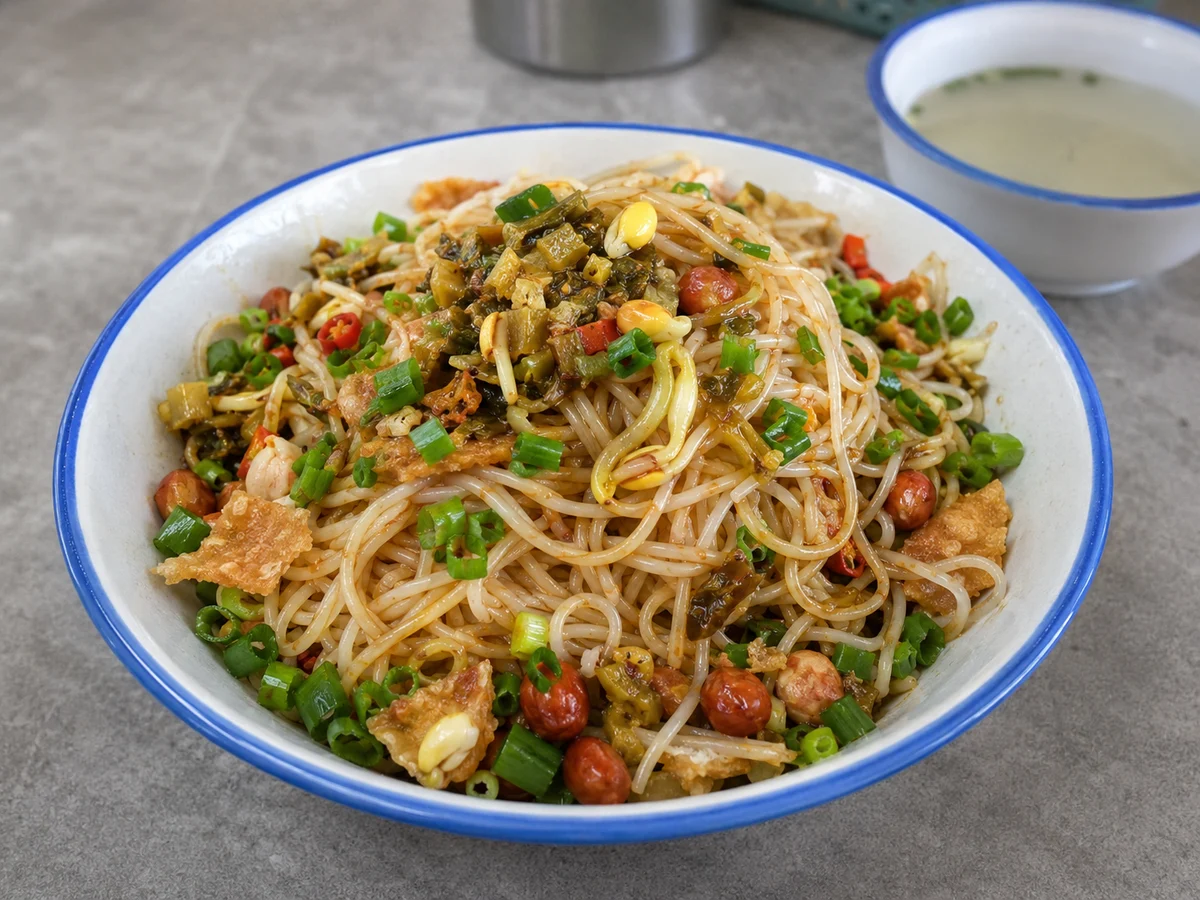
Hainan’s iconic soft rice noodles, commonly dry-mixed with a savory gravy, pickles, peanuts and fragrant toppings.
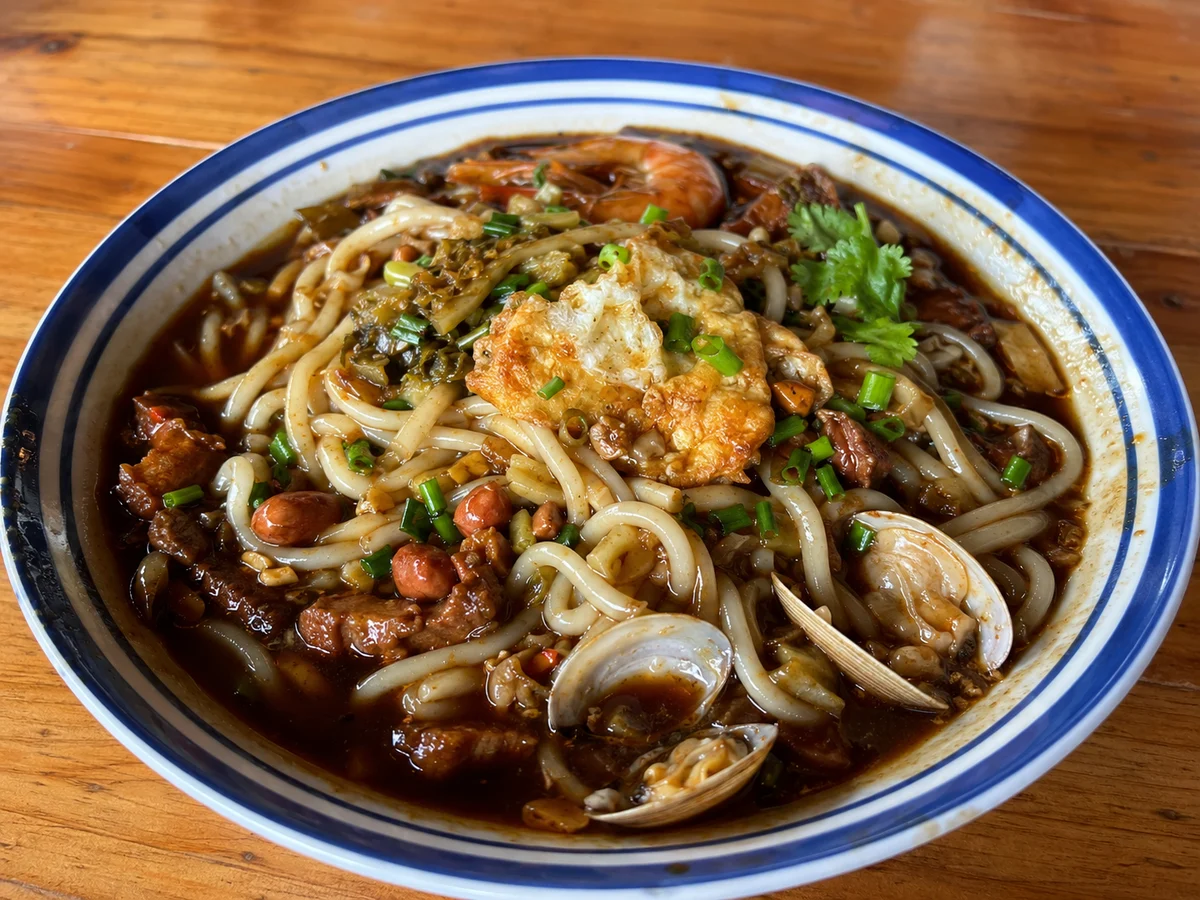
A Wenchang specialty of thicker, pleasantly chewy rice noodles served in clear broth or with a rich braised sauce.
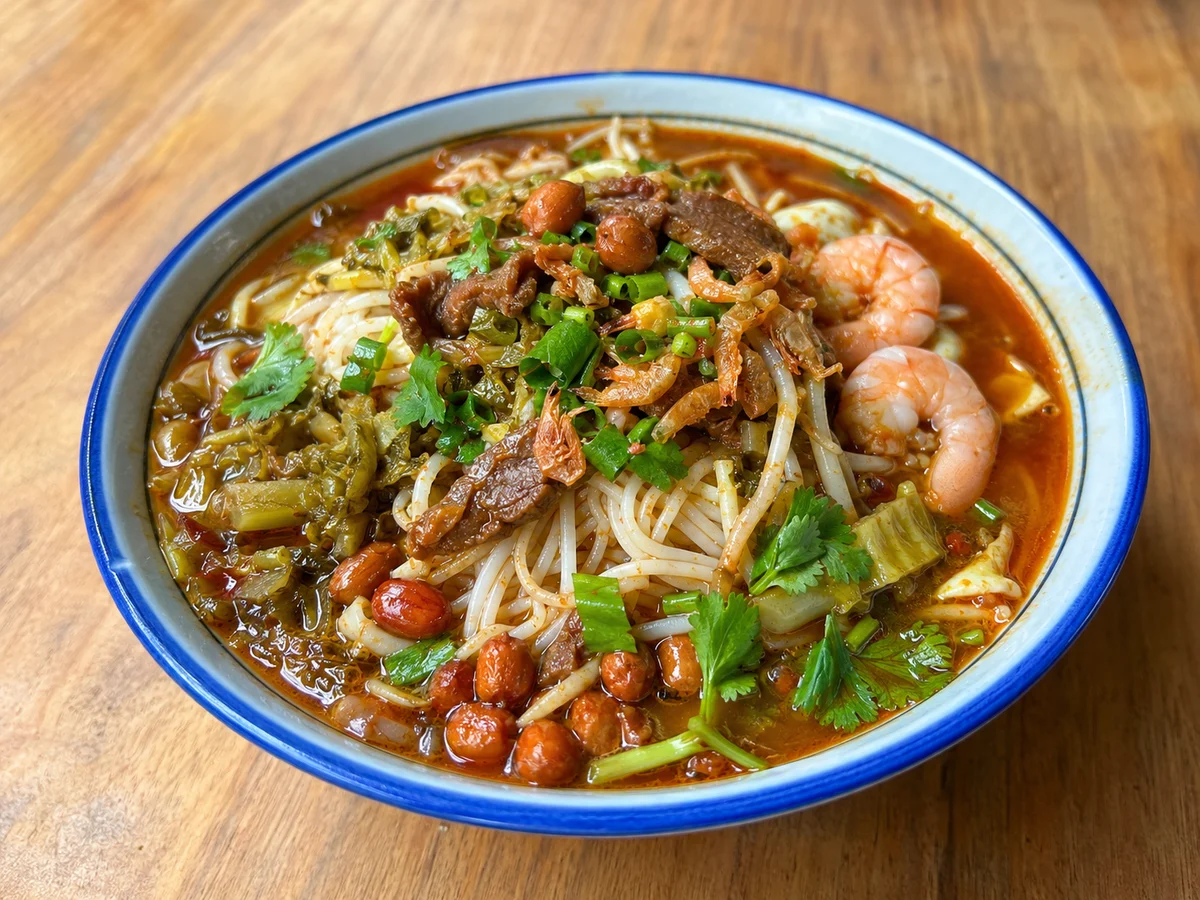
Thin rice noodles mixed with sour dressing, savory gravy and sea-and-land toppings; the tartness may come from vinegar, fermented sour sauce or a house blend.
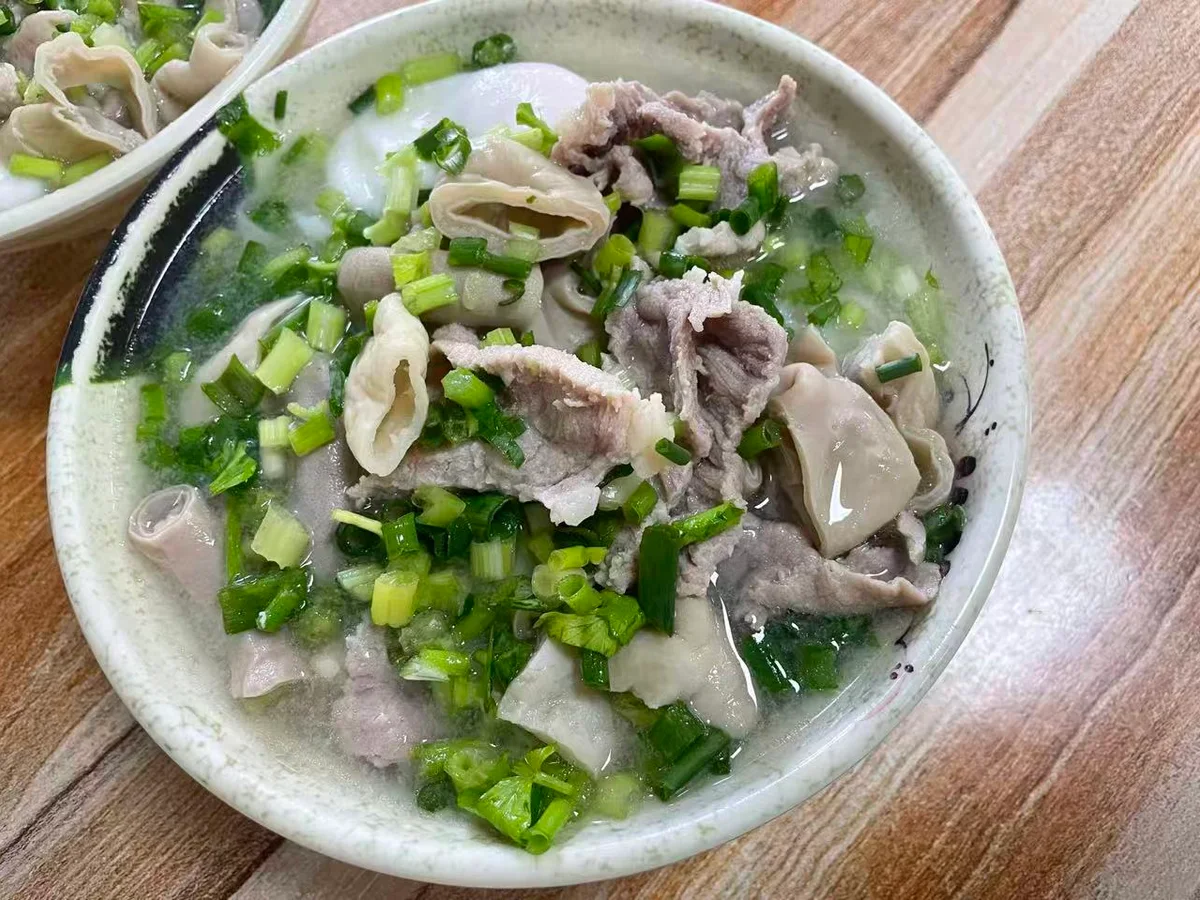
A Wanning breakfast bowl of smooth rice noodles in a clear, deeply comforting pork-bone broth.
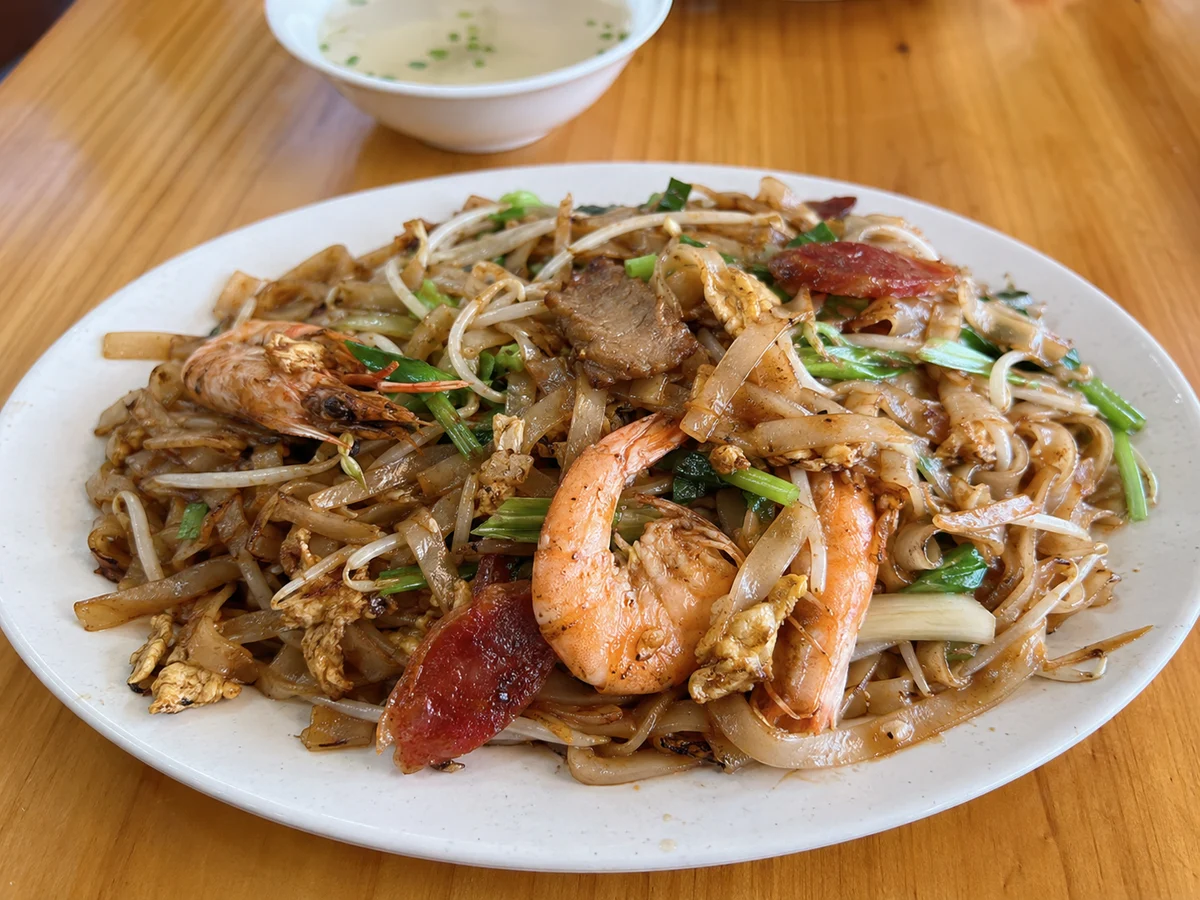
Local rice noodles wok-fried with vegetables, bean sprouts, egg and soy for a smoky, savory street-food plate.
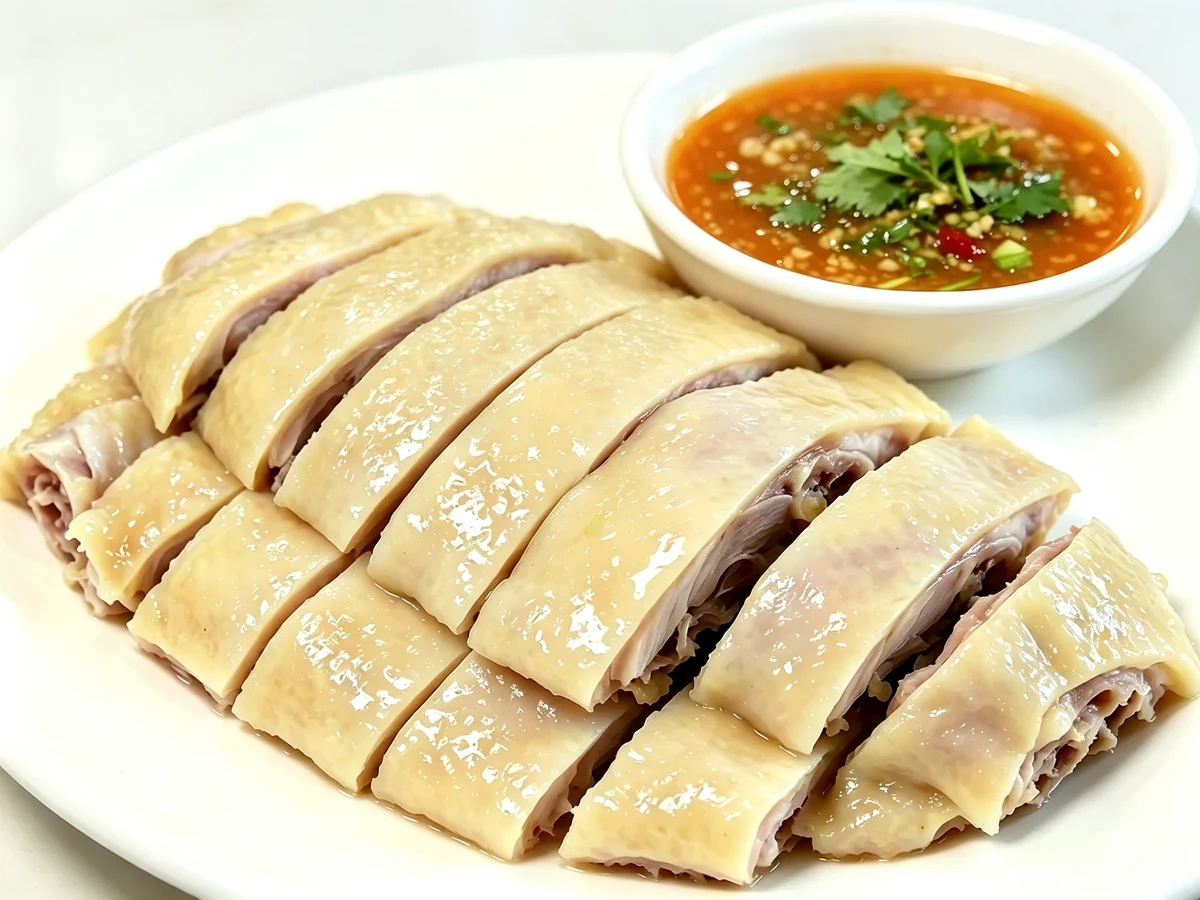
Hainan’s celebrated poached chicken, prized for supple skin and juicy meat with a bright ginger-garlic-citrus dip.
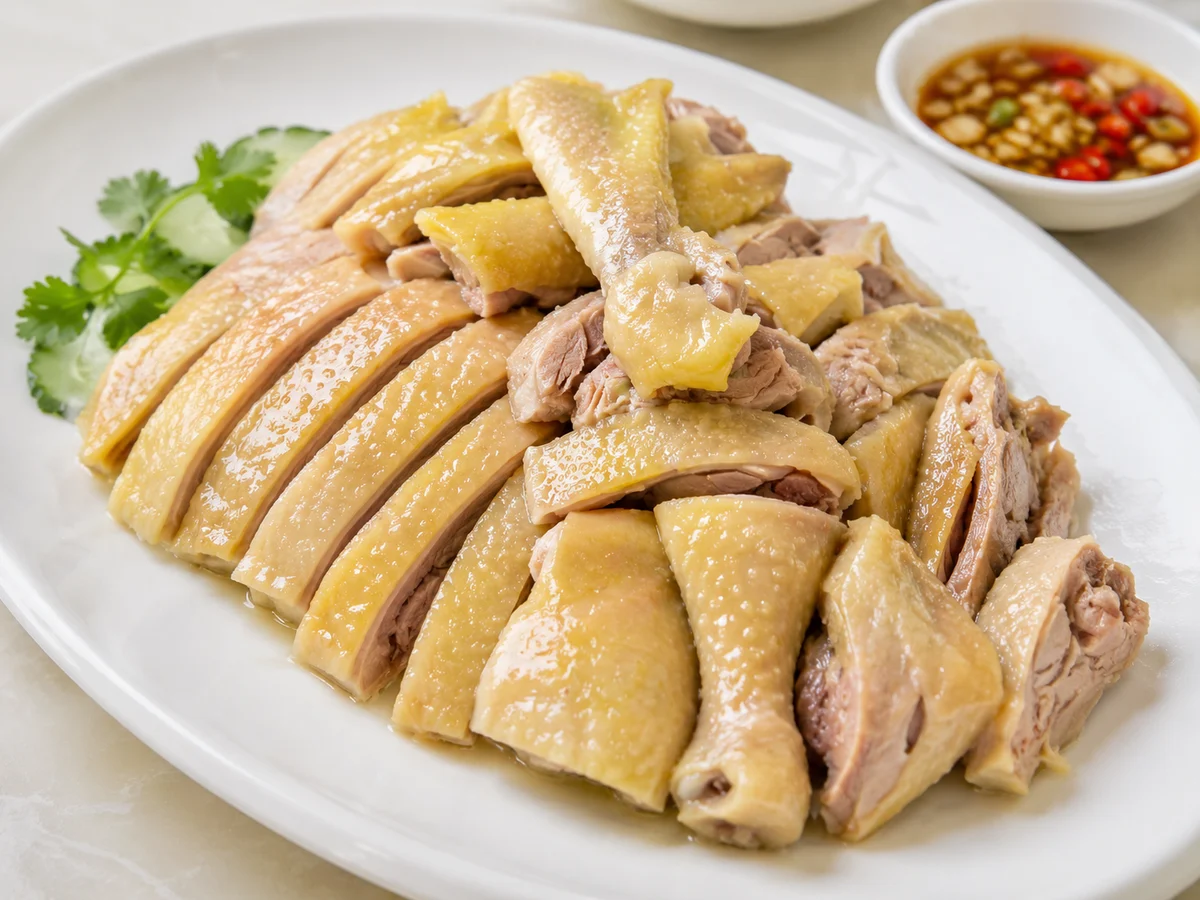
A Qionghai duck specialty valued for firm yet tender meat, commonly poached or braised and served with a garlic-vinegar dip.
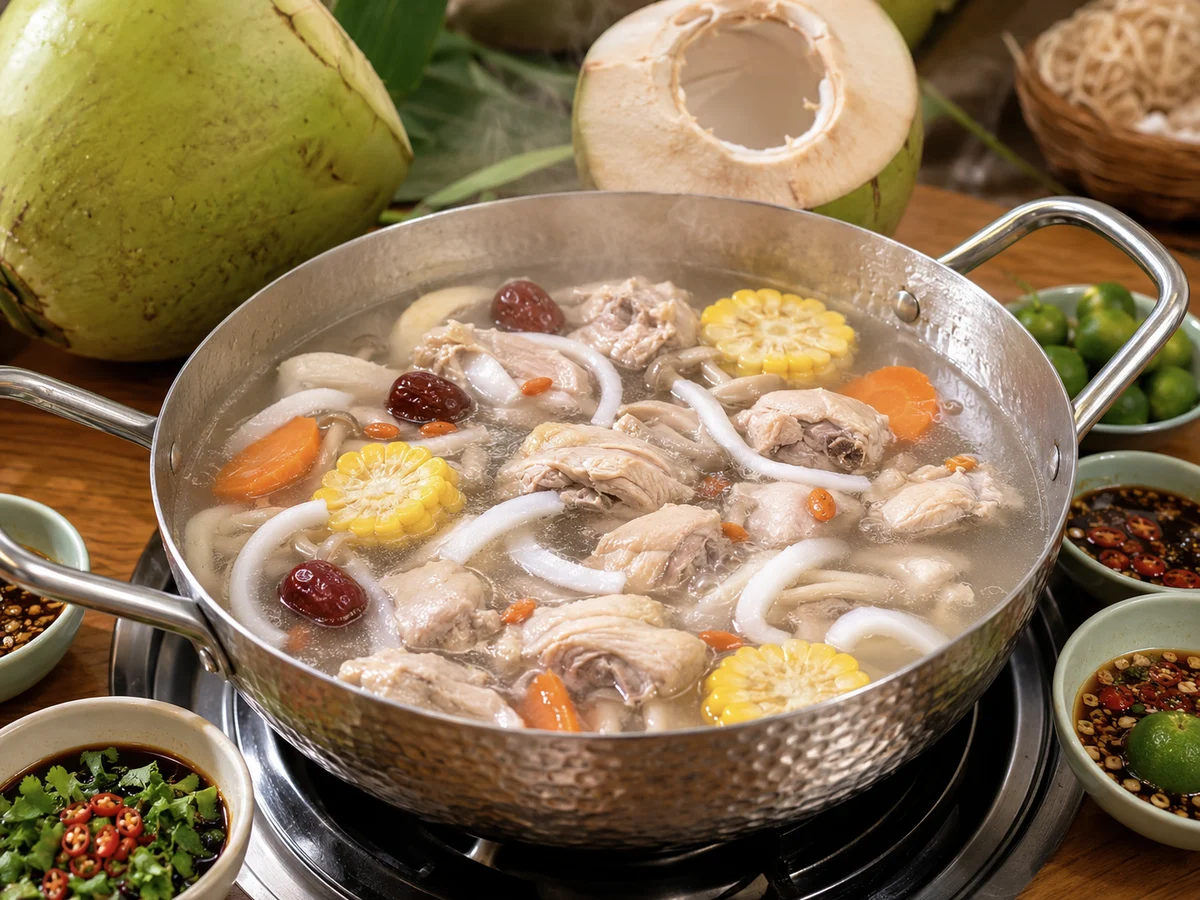
A modern Hainan-identified hot pot in which bone-in chicken cooks first in clear young-coconut water, followed by a citrus-soy dip and mild ingredients in rounds.
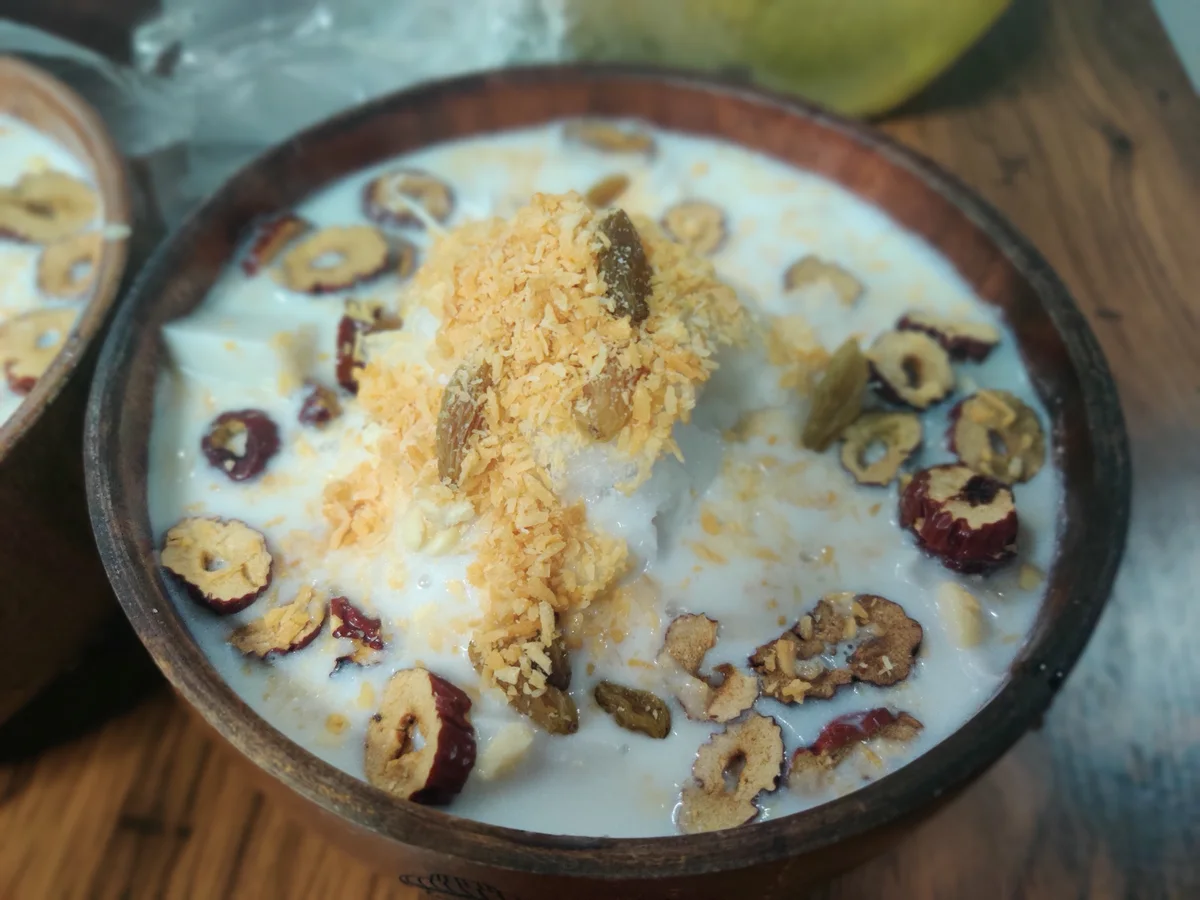
Hainan’s cooling dessert built on coconut milk, coconut water or another lightly sweet liquid, with beans, grains, taro, jelly and fruit.
01
Hainan is China’s southernmost province, a tropical island facing the South China Sea, with coconut groves, fishing ports, volcanic soil, rainforest mountains and a long history of movement between the mainland and maritime Southeast Asia. Haikou is the old northern gateway and Sanya the resort face, but the island’s food memory often lives in smaller names: Wenchang, Qionghai, Baoluo, Hou’an and Lingshui.
Those place names keep Hainan from becoming a single beach-resort menu. County noodle shops, seafood markets, laoba tea houses and family poultry dishes create a table built for humid weather: gentle poaching, tart dips, sour broths, fresh coconut, rice noodles and desserts that cool the body after heat.
02
Hainan’s tropical agriculture, ports and town networks connect rice, coconut, seafood and poultry without making them uniform. Named noodle and livestock traditions preserve local identity inside the wider island system.
Hainan food is best read as island food with strong county identities. Rice noodles change from Haikou’s fine, dressed Hainan fen to Baoluo’s thicker strands, Lingshui’s layered sweet-sour bowl and Hou’an’s deeply savory pork-bone-and-offal soup. These are everyday breakfasts and snacks, not interchangeable versions of one generic noodle dish.
Shared meals often begin with the quality of the main ingredient. Wenchang chicken is gently cooked and paired with a sharp ginger, garlic, soy and small-citrus dip. Jiaji duck is valued for firm yet tender meat. Lingao suckling pig turns careful roasting into crisp skin and juicy meat. Seafood is commonly chosen by season and treated simply enough to preserve its sweetness.
Coconut and fermentation provide two very different island signatures. Coconut chicken hot pot is clear, fragrant and gently sweet; zaopocu hot pot uses the sour, aromatic lees left from rice-wine fermentation as a vivid broth for seafood and vegetables. Qingbuliang and mango rice rolls turn coconut milk, fruit, beans, grains and jelly into relief from tropical heat.
Daily life is just as important as signature dishes. Haikou’s laoba tea houses are social spaces where tea comes with a broad spread of buns, pastries, noodles and small plates. The point is time together: an unhurried table that connects Hainan’s local habits with generations of movement across the South China Sea.
03
Hainan kitchens often preserve the natural flavor of chicken, duck and seafood, then add contrast at the table through calamansi-like small citrus, garlic, ginger, chilli and soy. Rice noodles carry savory gravies or clear broths; coconut contributes fresh sweetness; fermented rice lees bring appetite-opening sourness; cold desserts reset the palate in humid weather.
Hainan fen, Baoluo fen, Lingshui suanfen and Hou’an fen differ in strand, broth or dressing, toppings and sweet-sour balance. Place names tell you what kind of bowl to expect.
Poached poultry may look restrained, but ginger, garlic, soy, chilli and tart local citrus create brightness without hiding the meat.
Fresh coconut water and flesh season chicken hot pot as naturally as coconut milk cools qingbuliang and fruit desserts.
Species and best preparations change with season and port. Ask what is especially fresh, confirm weight and price, then choose a simple cooking method.
04
Hainan mornings belong to rice noodles and tea. A bowl may be dry-mixed with peanuts, pickles and meat, flooded with a clear pork-bone broth, or sharpened with a sweet-sour sauce. Laoba tea stretches breakfast into a social ritual: diners linger over tea while sharing steamed buns, pastries, fried dough, noodles and other small dishes.
05
Shared rice agriculture produces local forms rather than one island-wide bowl.
Hainan fen, Baoluo fen, Lingshui sour noodles and Hou’an fen differ in strand thickness, broth or dressing, acidity and garnish structure. Their place names matter because towns and markets developed recognizable ways of turning rice into breakfast. Translation can flatten these distinctions, but the regional pattern is diversity within a shared staple rather than competing claims to one standard recipe.
The noodle map also records movement between inland farms, county towns and coastal trade. Rice remains the common material, while pork broth, seafood, pickles, peanuts and sour condiments reflect different local supply chains. These bowls reveal how everyday food can preserve town identity more precisely than a broad label such as “Hainan noodles.”
06
Island ingredients overlap, but breeding, water, ports and local markets give them different roles.
Wenchang chicken and Jiaji duck link named places to livestock traditions as well as cooking methods. Coconut contributes fresh liquid, flesh and fat to drinks, sweets and contemporary hot-pot service, while seafood changes with coast, season and market access. Small citrus, pepper and sharp dipping sauces keep gentle poached or steamed foods from reading as bland.
Qingbuliang brings several agricultural threads into one cold format: coconut, beans, grains, fruit, tubers, jelly and nuts can all appear. Its tropical appeal belongs to climate and ingredient availability, but the exact bowl remains a vendor decision. Hainan’s regional identity therefore comes from relationships among farms, towns, ports and heat—not from a fixed sequence of dishes eaten in one day.
07
That famous diaspora dish has Hainan roots, but the island’s cuisine is much broader: county rice noodles, tea-house snacks, sour hot pot, seafood, coconut dishes and local poultry traditions all matter.
Hainan fen, Baoluo fen, Lingshui suanfen and Hou’an fen have distinct local identities, textures, broths, sauces and toppings.
Freshness and gentle cooking are important, but yellow-lantern chilli, tart citrus, pickles and fermented zaopocu can make the table sharply sour, hot and aromatic.
Sources
We use these references to check regional context, food terms and dining customs. Individual restaurants and households still vary.
Keep exploring
Move from this guide into a different flavor world, with a quick visual hint before you open the next region.