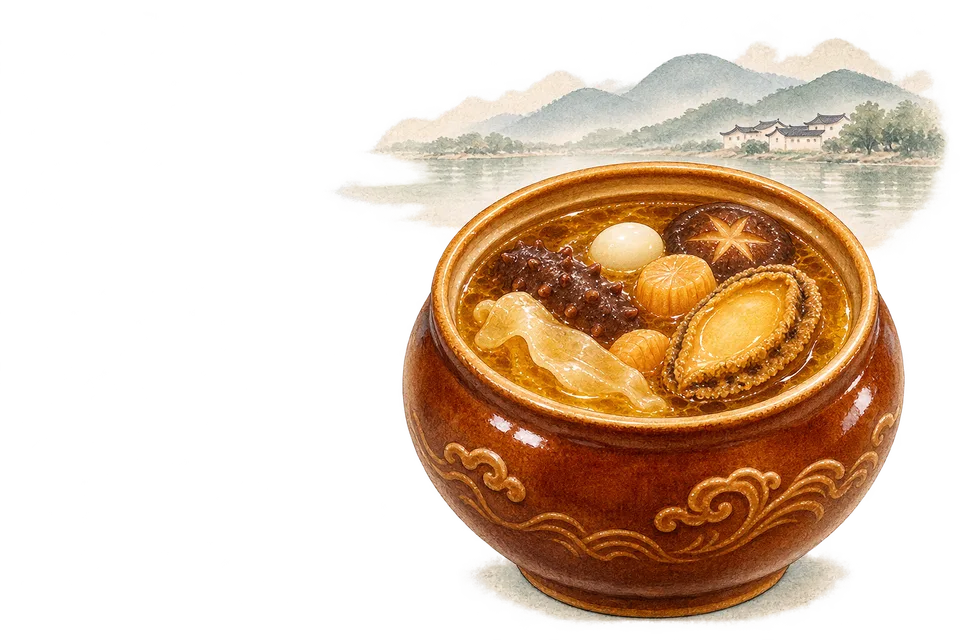
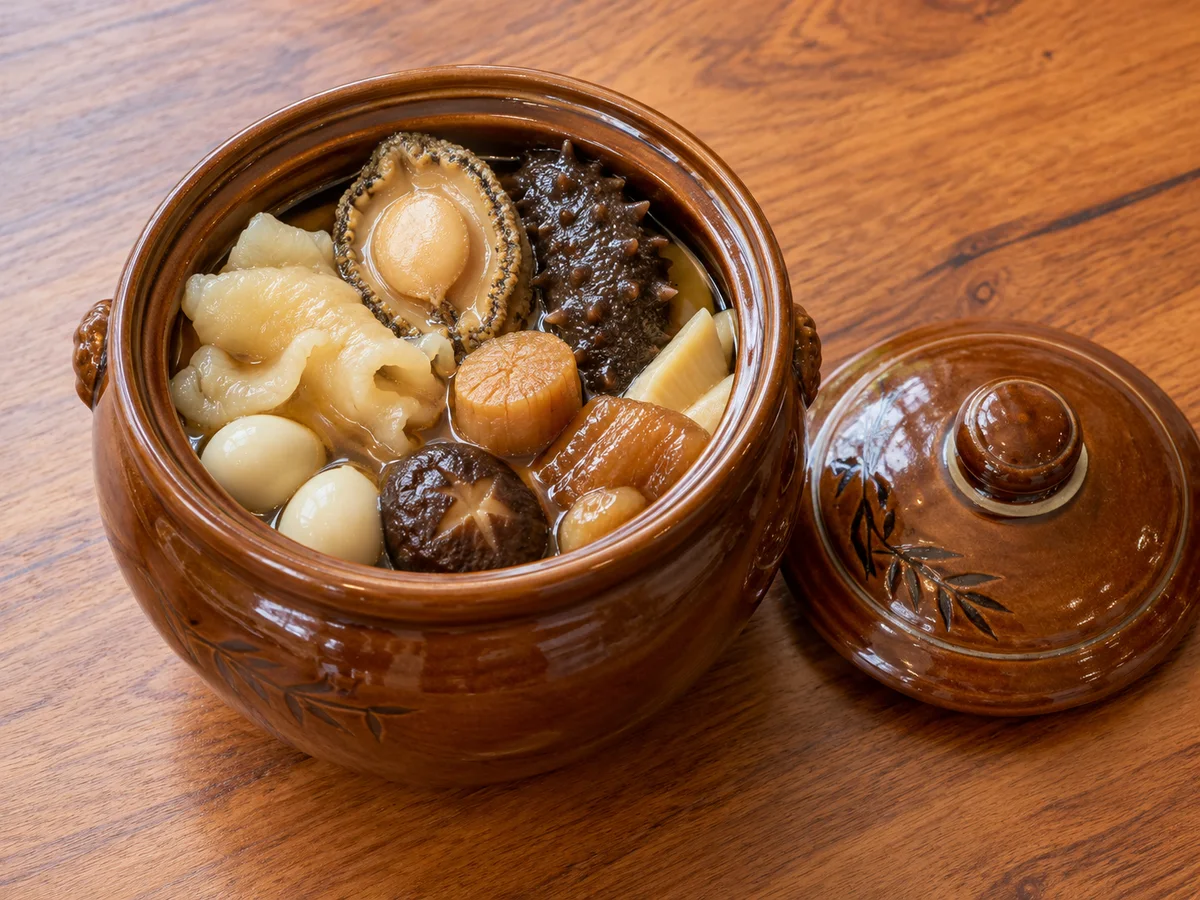
Buddha Jumps Over the Wall佛跳墙
Fuzhou’s most famous dish: dried seafood, pork and poultry layered in a wine jar with stock and Shaoxing wine and simmered for hours.
Regional food guide
Soup at every meal, sweet-sour sauces, red wine lees and Buddha Jumps Over the Wall
Fujian food, or Min cuisine (闽菜), is the cooking of a mountainous coast: soups and seafood, sweet-and-sour sauces, shrimp oil, and the red wine lees that only Fujian cooks with. Fuzhou in the north is the home of Min cuisine and its showpieces, Buddha Jumps Over the Wall and lychee pork, and of cheap rice-batter breakfasts. The south around Xiamen and Quanzhou eats shacha noodles, mianxian hu and sea-worm jelly, close to Taiwan’s food. Putian, between the two, is the city of braised seafood noodles. The western hills are Hakka country, with rice-wine offal breakfasts, and the county of Shaxian gave China its most widespread snack shops. Start with a Fuzhou breakfast, one banquet dish and a bowl of noodles in Xiamen.
Start with the classics
Fuzhou’s most famous dish: dried seafood, pork and poultry layered in a wine jar with stock and Shaoxing wine and simmered for hours.
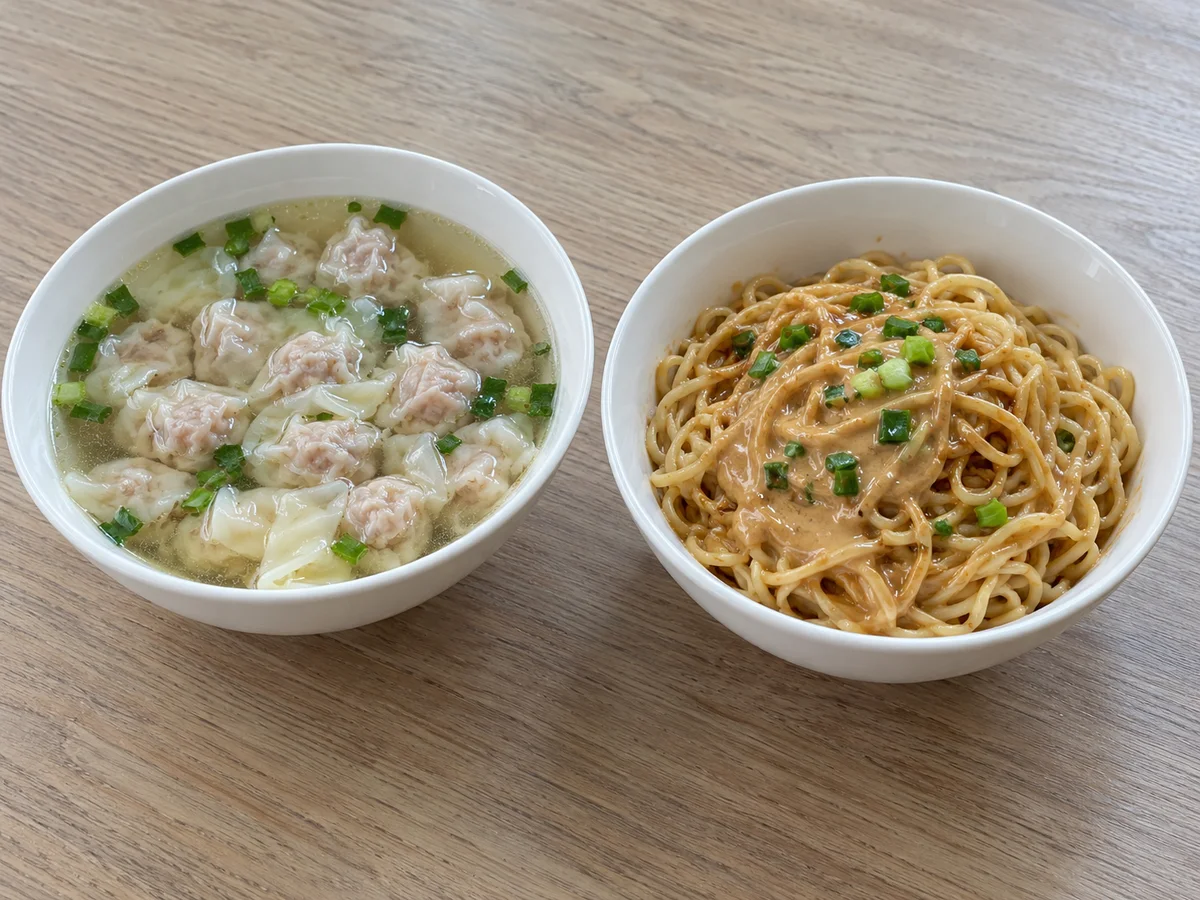
Small wontons with pounded, springy pork and thin noodles tossed in peanut sauce: the pair behind China’s 88,000 Shaxian snack shops.
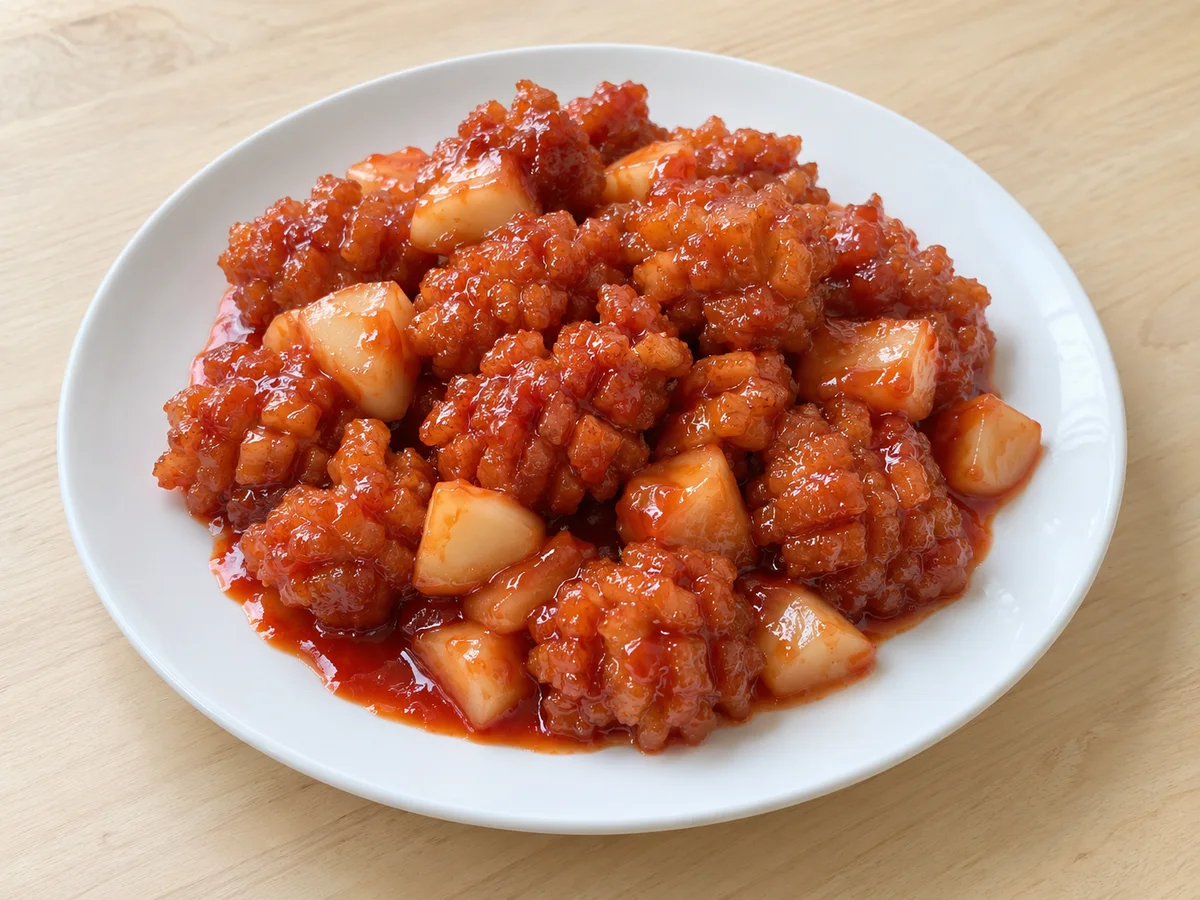
Scored pork rolled around water chestnut, tinted red and fried into lychee shapes, then tossed in a sweet-and-sour sauce; no lychees involved.
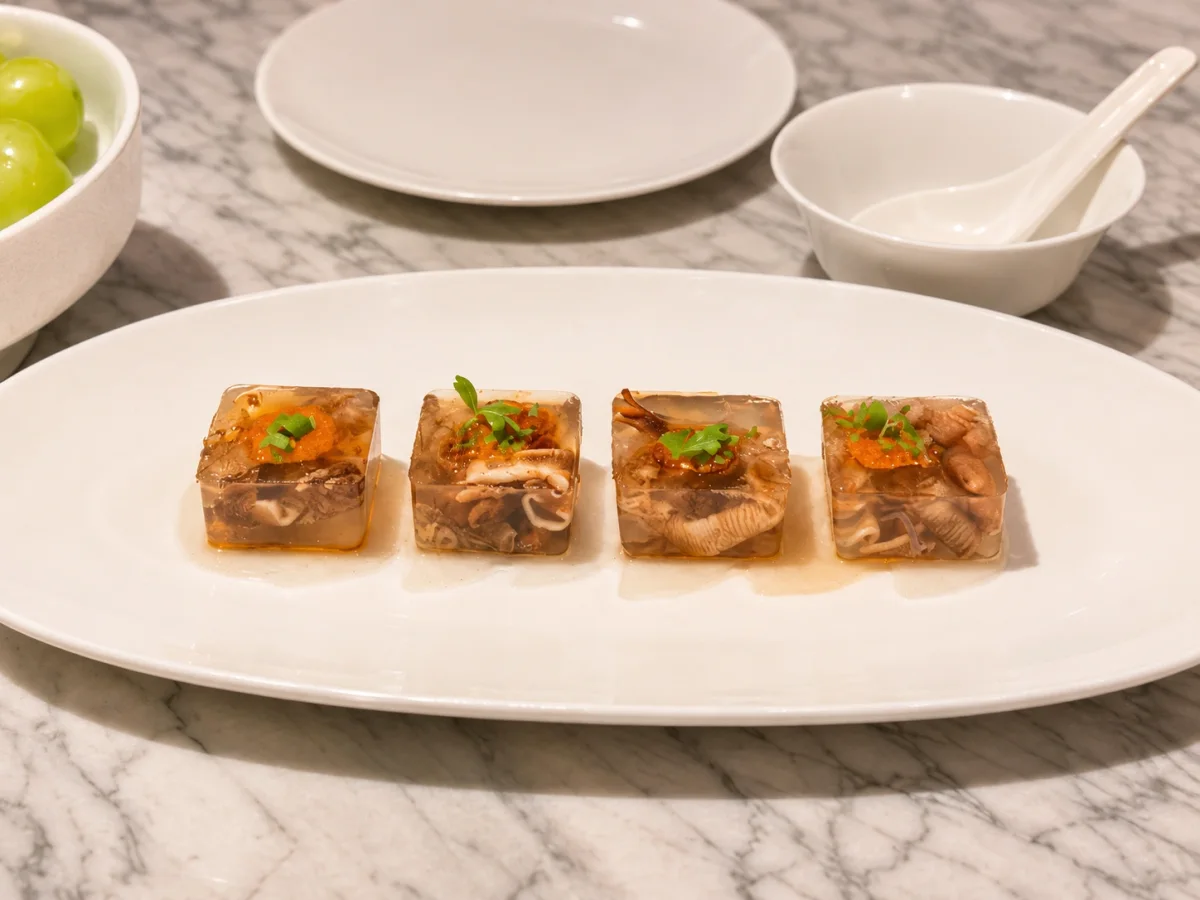
Peanut worms cleaned, gutted and boiled until their own gel sets the broth in small cups; served cold with garlic soy, mustard, sweet chili sauce, vinegar, pickled radish and cilantro.
01
Fujian’s own food writers admit that for a long time even they struggled to name its famous dishes.
Fujian is folded between mountains and the sea, cut by rivers, and was for centuries hard to reach. It was settled late: after the Han emperor Wu conquered the kingdom of Minyue he moved its people north, and from the end of the Western Jin, waves of refugees from the Central Plains brought northern farming, wine-making and words into the province. Min cuisine, one of China’s eight great cooking traditions, was born in Fuzhou, and its Fuzhou core only took shape in the late Qing, borrowing from Cantonese cooking to the south and Zhejiang to the north.
The Fuzhou writer Chen Zhou remembers trying in the 1980s to impress friends from other provinces with Fujian food and running dry after Buddha Jumps Over the Wall, stir-fried kidney and jellyfish, meat-skin wontons, fish balls and dingbianhu. Fine Fujian cooking used wild, seasonal and rare ingredients and took a long time, so few people ate it; visitors summed up what they did eat as “sweet and sour, sticky and soupy,” and complained about shrimp oil, Fuzhou’s pungent fish sauce. The province has since learned to show off, and its cooking is better known for the things that make it different: soup at every meal, a sweet-sour balance, red wine lees and fine knife work.
Sources [1]
02
Three habits mark Fuzhou cooking: sweet-and-sour sauces, soups and red wine lees.
Fuzhou cooking is sweeter, sourer and lighter than most Chinese food. Chen Zhou explains it by the place: the province grows sugar cane, Fuzhou sits in a hot, damp river basin, its ingredients are mostly seafood, and vinegar cuts fishiness while sugar wakes a tired appetite; chili, people say, brings on “internal heat” in such a climate, so even Sichuan restaurants in Fuzhou tone it down. Cooks use a mellow local yellow rice vinegar, add the sugar first and splash in the vinegar just before the dish leaves the wok, so it arrives smelling sharp. A local saying runs: to know if a cook is good, look at the sweet-and-sour dishes. The Fuzhou chefs’ exam includes stir-fried kidney and jellyfish, which tests knife work, heat and sauce at once; the craft is summed up as slices thin as paper, shreds fine as hair and scoring like a lychee.
The flavor no other Chinese cuisine shares is red wine lees, 红糟: the bright red mash left after brewing Fujian’s red yeast rice wine, a technique northern migrants brought south. Families once packed fish and pork in layers of it to keep them through the New Year, and Fuzhou cooks now fry a spoonful into stir-fried snails, clams, bamboo shoots and ferns the way Cantonese cooks use oyster sauce. There is raw lees, coarse and strong, and cooked lees, chopped fine and fried with ginger, sugar and soy; dishes are named for the technique, from fried lees eel and drunken lees chicken to the paper-thin conch slices in a light lees sauce that show off a chef’s knife.
Sources [1]
03
A formal Fuzhou meal is built around a few famous dishes, most of them served at Juchunyuan, the restaurant that claims Buddha Jumps Over the Wall.
At the top is Buddha Jumps Over the Wall, dried seafood and slow-cooked meats in a wine jar, national intangible heritage since 2008. Its partner is clams poached in chicken broth: a clear, fat-free chicken stock poured over raw clam slices at the table, which cook in seconds. Lychee pork is the sweet-and-sour classic, scored pork fried into lychee shapes. Red-lees conch slices and drunken lees chicken show off the lees. In 2026 Juchunyuan charged 798 or 498 yuan for one person’s Buddha Jumps, 68 for chicken-broth clams, 270 for the conch and 58 for lychee pork.
| Dish | What it is |
|---|---|
| Buddha Jumps Over the Wall 佛跳墙 | Sea cucumber, abalone, fish maw and other dried seafood with pork and poultry, simmered in a wine jar |
| Chicken-broth clams 鸡汤汆海蚌 | Raw clam slices cooked at the table in clear chicken stock |
| Lychee pork 荔枝肉 | Scored pork, often with water chestnut, fried into lychee shapes in a sweet-sour sauce |
| Red-lees conch slices 淡糟螺片 | Conch sliced thinner than a millimeter, tossed fast in a pale red-lees sauce |
| Drunken lees chicken 醉糟鸡 | Poached chicken marinated in spirit and red lees, a New Year cold dish |
| Stir-fried double crisp 爆炒双脆 | Scored pork kidney and jellyfish in sweet-sour sauce, the chefs’ exam dish |
04
Fuzhou eats rice batter and soup for breakfast.
鼎边糊 (dingbianhu) is the classic: a soup of tiny river clams with pork, wood ear, dried fish, laver and dried shrimp, into which the cook drizzles rice batter around the hot rim of the wok; it sets into thin sheets, which are scraped into the soup, and the whole thing is seasoned with shrimp oil. Ding is the old word for a wok and wen for simmering, words the Central Plains migrants brought. Before the 1990s two yuan bought a bowl with a fried oyster cake or taro cake, and when overseas Chinese families from Fuzhou first came home in the 1980s, the first thing many wanted was a bowl of dingbianhu. The fried partners are made from rice and soybean batter: oyster cakes with cabbage, oysters and a few peanuts in a ladle-shaped mold, wedges of taro cake, and shrimp fritters.
Fuzhou fish balls are made from pounded fish, often eel, with a pork filling and served in a clear soup with pepper and scallion; Juchunyuan charged 7 yuan a ball in 2026. 肉燕, “meat swallow,” is a wonton wrapped in a skin made from pounded pork and sweet-potato starch. In the evening, street stalls sell stew pots and 5-yuan bowls of noodles tossed with lard, and crab cooked over sticky rice. 光饼 (guangbing), a small ring of baked bread, is said to have been made for General Qi Jiguang’s soldiers to carry on a string when they fought pirates on this coast in the 1560s.
05
Southern Fujian speaks Minnan, the same language as much of Taiwan, and eats much as Taiwan does.
Breakfast in Quanzhou and Xiamen is 面线糊 (mianxian hu), fine wheat vermicelli cooked into a thick, peppery soup, with your choice of toppings ticked off at the counter: vinegar-marinated fried pork, intestines, squid, oysters, razor clams, braised egg or blood. Quanzhou cooks the noodles so long they almost disappear into a paste; Xiamen leaves them in short strands. Everyone dips youtiao in it, and in peanut soup too, a sweet soup of peanuts simmered for hours until they melt on the tongue, often with an egg stirred in. Quanzhou also eats 牛肉羹, thin slices of beef coated in sweet-potato starch and dropped into a broth with ginger and green garlic.
Xiamen’s signature is 沙茶面, shacha noodles: noodles in a rich, nutty broth made with shacha paste, topped from a counter of intestine, tofu, oysters, shrimp, squid, pork liver and duck gizzard. 五香卷, five-spice rolls of pork, onion and water chestnut wrapped in tofu skin and fried, 四物鸭面线, duck noodle soup with four medicinal herbs, and 满煎糕, a thick griddle cake filled with peanut or sesame sugar, round out the snack stalls. Then there is 土笋冻 (tusundong), sea-worm jelly: small marine worms dug from the mudflats, boiled so that their own gelatin, usually helped by a little added gelatin, sets around them in small cups, and eaten cold with a sweet chili sauce built on tomato. Every Fujian coast outside Fuzhou eats it, and southern Fujian serves it to open a banquet. Along the Hui’an coast, where the poor soil grows mostly sweet potatoes, sweet-potato starch turns up in everything, from Chongwu’s fish rolls to its “piglet” dumplings. Quanzhou’s West Street still queues for it: one shop there had been selling the cake for nearly 40 years by 2019, and the story goes that it was first made to feed Qing troops fighting the Taiping armies that entered Fujian in 1855.
Emigration shaped this coast. Fujianese left for Southeast Asia from as early as the 15th century, kept close ties with home and brought dishes back with them. Shacharou, beef or pork in a spicy peanut sauce, is one result: the writer Pauline Loh calls it strangely reminiscent of satay, without the sticks.
06
Between Fuzhou and Quanzhou sits a coastal pocket with its own dialect, and its signature dish is a pot of noodles braised until the broth has gone into them.
Putian and Xianyou once formed Xinghua prefecture, and the Puxian people are proud of their exam record: 2,482 imperial graduates, 21 top scholars and 17 chief ministers. Chen Zhou admits to having once found Puxian food mild and unmemorable, until a Puxian chef went through the dish names: Jiangkou lumian, Xinghua fried rice noodles, Zhongmen braised tofu, Xianyou warm-soup mutton, Xitianwei wontons. Each is simply a place, an ingredient and a method, “as plain as a village girl,” and each piles in many ingredients, frying them fragrant before the broth goes in.
Lumian (卤面) is cooked in every Puxian household and is a main dish at every wedding, which is why Putian calls itself the city of lumian. In the Puxian dialect 卤 means to braise. Chen Zhou remembers a friend in the 1980s frying scallions golden in a wok, then dried squid and dried shrimp, then shredded pork, shiitake, carrot, garlic and garlic chives, and pouring in the broth from razor clams and clams boiled on the next burner before adding raw noodles to simmer. Small local oysters and greens go in as the liquid reduces. A good cook stops when the noodles look wet but no broth drips from them when lifted: soft, not chewy like northern noodles, with all the sea and pork flavor soaked in. Jiangkou, an old post town, is said to make the most authentic version.
On Meizhou Island, where the sea goddess Mazu is worshipped, a national-level Fujian chef created a Mazu banquet of seafood dishes; it is now on Putian’s heritage list and was named one of China’s famous banquets in 2009.
Sources [1]
07
The Hakka counties of the west eat for long days of work in damp hills.
In Ninghua and the other Hakka counties of western Fujian, sweet potato and taro grew alongside rice, and the local 烧卖 is nothing like a Cantonese siu mai: cooked taro is mashed with sweet-potato starch and a little salt into a dough, pinched into thin-edged cups and filled. Old Tingzhou is known for its “eight dried delicacies,” which include dried field rat, once sold as a remedy as well as a delicacy.
Liancheng has the heaviest breakfast in a province that usually starts the day with plain congee. Shuanjiupin (涮九品), “nine blanched cuts,” is a big platter of beef and beef offal blanched in hot rice wine, eaten in the morning with Hakka cakes, and the wine it was cooked in is drunk as the soup. Local folklorists told Chen Zhou it began with the boatmen and raftsmen of the Pengkou stream, who shipped timber and paper down to Guangdong and worked in water and damp all year. Hakka cooks put wine into almost everything: Liancheng is known for wine-blanched dishes of pork offal, young hen, rabbit with red mushrooms, frog and crucian carp, and for fish, chicken and duck cured in wine lees.
Sources [1]
08
The north and centre of the province are forest and tea hills, with some of Fujian’s oldest recipes.
Sanming’s Shaxian county exported its wontons and peanut-sauce noodles to snack shops all over China. Further north, the Pucheng county gazetteer gives the origin story of the meat-skin wonton: a cook for the Southern Song minister Zhen Dexiu botched a dish while catering for a home-town banquet, and the paste of pounded pork came out tasting like bird’s nest. Rolled thin with sweet-potato starch into a wrapper, it became 燕皮, and over about a century it moved from a mountain snack into Fuzhou’s banquet soup, Taiping yan, served with a whole duck egg because “duck egg” in Fuzhou dialect sounds like “calming the waves.”
In the border townships of Shaowu, Taining, Ninghua and Jianning, where brine and gypsum were once scarce, tofu is still set the old way: the maker swirls a ladle of soured whey from the previous batch through the hot soy milk until curds form. This youjiang tofu (游浆豆腐) is smooth but springy, made only by hand and in small amounts, and families keep the technique to themselves; Hakka households make a pot every first lunar month. Taining’s Shangqingxi has tofu banquets built on it. In Wutun township north of Wuyishan city, carp raised in high, cold paddy fields are eaten after National Day in October, when they are fattest. And Wuyishan is the home of rock oolong, which Chen Zhou says cannot be brewed properly with the hard water of the north.
Sources [1]
09
Fujian has several dialect areas, and each eats differently.
| Area | Cities | Character | Eat |
|---|---|---|---|
| Eastern Fujian 闽东 | Fuzhou, Fuding | Soups, sweet-sour sauces, red lees, shrimp oil | Buddha Jumps, lychee pork, dingbianhu, fish balls, meat-skin wontons |
| Southern Fujian 闽南 | Xiamen, Quanzhou, Zhangzhou | Seafood, shacha, braised offal; close to Taiwan | Mianxian hu, shacha noodles, sea-worm jelly, oyster omelet, peanut soup |
| Puxian 莆仙 | Putian, Xianyou | Braised noodles and rice noodles full of seafood | Lumian, Xinghua fried rice noodles, Mazu banquet |
| Western Fujian 闽西 | Longyan, Liancheng, Ninghua and the Hakka counties | Hill food of taro, sweet potato, dried goods and rice wine | Taro dumplings, shuanjiupin, wine-blanched dishes |
| Central and northern Fujian | Sanming, Shaxian, Shaowu, Wuyishan | Mountain snacks, handmade tofu and tea | Shaxian wontons and peanut noodles, youjiang tofu, field carp, Wuyi rock tea |
10
Plan around breakfast snacks and one serious dinner.
Dingbianhu with an oyster cake in Fuzhou; mianxian hu with youtiao in Quanzhou or Xiamen.
The real thing takes days to prepare; book it when you book the table.
Fuzhou cooks say one or two sweet-and-sour dishes are enough for a table of ten; fill the rest with soup, greens and red-lees dishes.
Mianxian hu and shacha noodles are built from a counter of toppings; point at two or three.
Sea-worm jelly looks alarming and tastes of the sea and sweet chili; one piece is enough to know.
11
In Xiamen and Quanzhou the spring roll wrapper is rolled fresh and unfried, as popiah or runbing, a family meal in itself.
Read about runbing →Fuzhou serves its sweeter version halfway through a banquet to revive the appetite.
Read about the Fuzhou bowl →Next door in Chaoshan, the shacha sauce that southern Fujian puts in its noodles went from the pot into the dipping dish.
Read about shacha hot pot →FAQ
Buddha Jumps Over the Wall, lychee pork, fish balls, dingbianhu, shacha noodles, mianxian hu and sea-worm jelly.
Light, soupy and often sweet and sour, built on seafood, with red wine lees, shrimp oil and fine knife work. The south is closer to Taiwanese food; the hills eat taro, sweet potato and dried goods.
Fujian cuisine, one of China’s eight great traditions. Its core grew up in Fuzhou in the late Qing.
Buddha Jumps Over the Wall and lychee pork in Fuzhou, dingbianhu for breakfast, and shacha noodles and mianxian hu in Xiamen or Quanzhou.
Rarely. Fujian cooks use pepper, sweet chili sauce and shacha rather than hot chili.
The red mash left from brewing Fujian’s red yeast rice wine, used to season, color and preserve fish, pork and seafood.
A Fuzhou breakfast soup with rice batter set into thin sheets on the rim of the wok and scraped into a clam broth.
Sea-worm jelly from southern Fujian: small marine worms boiled until their gelatin sets, eaten cold with sweet chili sauce.
Dingbianhu, oyster cakes and fish balls in Fuzhou; mianxian hu, peanut soup and youtiao in Quanzhou and Xiamen.
Southern Fujian and Taiwan share the Minnan language and many dishes, such as mianxian, oyster omelet and dingbianhu, which Taiwan calls dingbiancuo.
Shaxian, a mountain county in central Fujian, whose wontons and peanut-sauce noodles spread to snack shops across China.
Sources
Last updated November 2026
Keep exploring