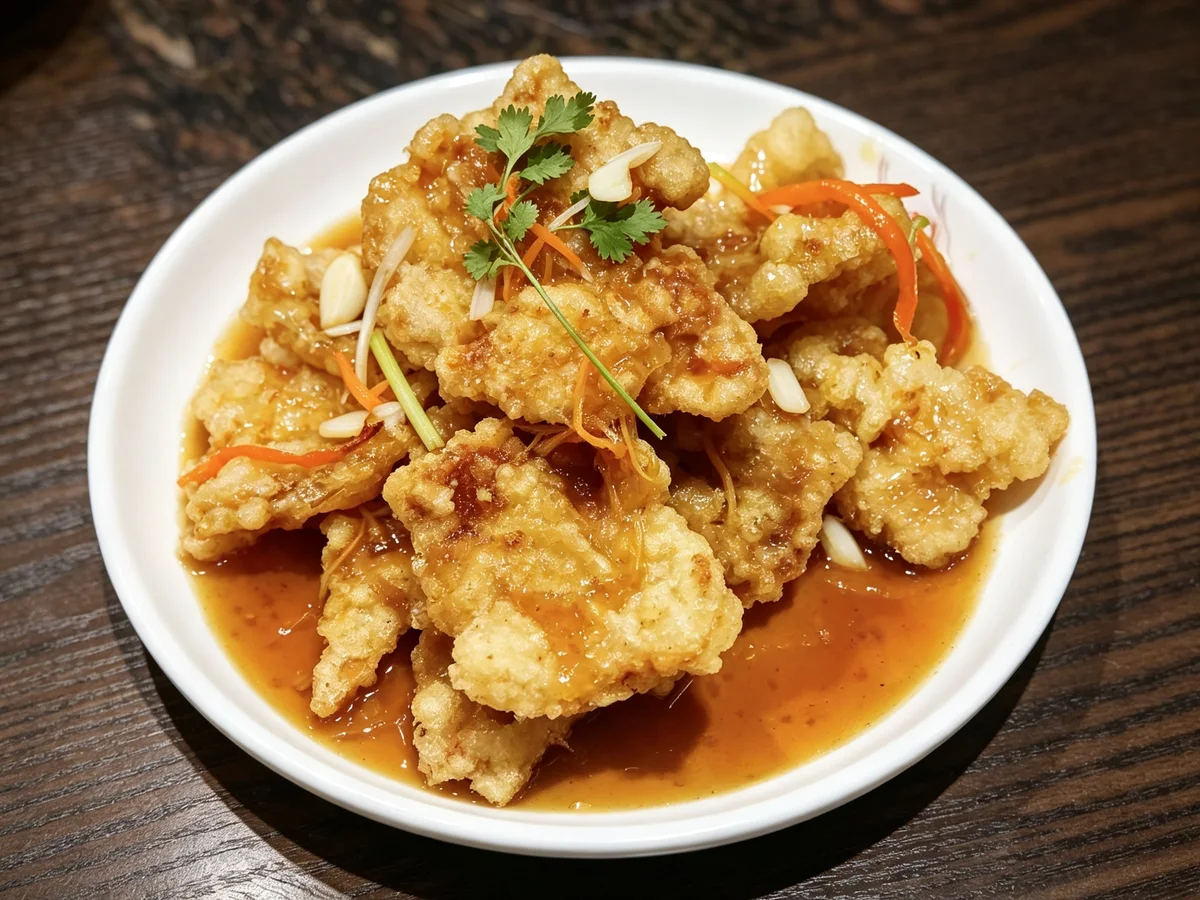
Guo Bao Rou
Harbin-style crispy sweet-and-sour pork, also searched as guobaorou, with thin fried slices and a bright vinegar glaze.
Regional food guide
Generous plates, warming stews and pickled vegetables
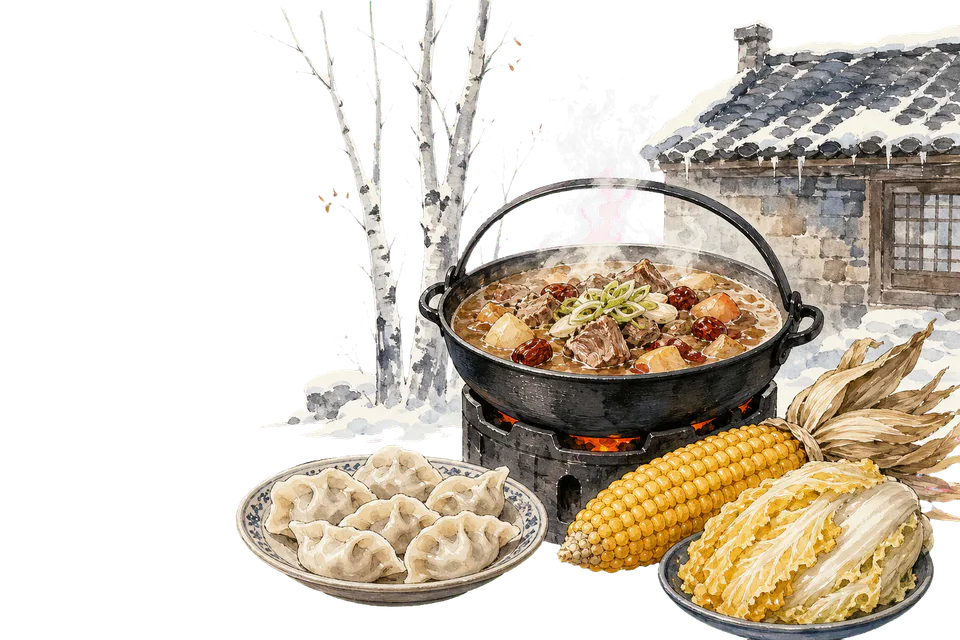
Northeast Chinese food from Liaoning, Jilin and Heilongjiang is the home of guo bao rou, sauerkraut dumplings, iron-pot stews and cold-weather comfort dishes.
Start with the classics
Open the region through its most useful dishes first, then read the deeper story behind the flavors below.
Harbin-style crispy sweet-and-sour pork, also searched as guobaorou, with thin fried slices and a bright vinegar glaze.
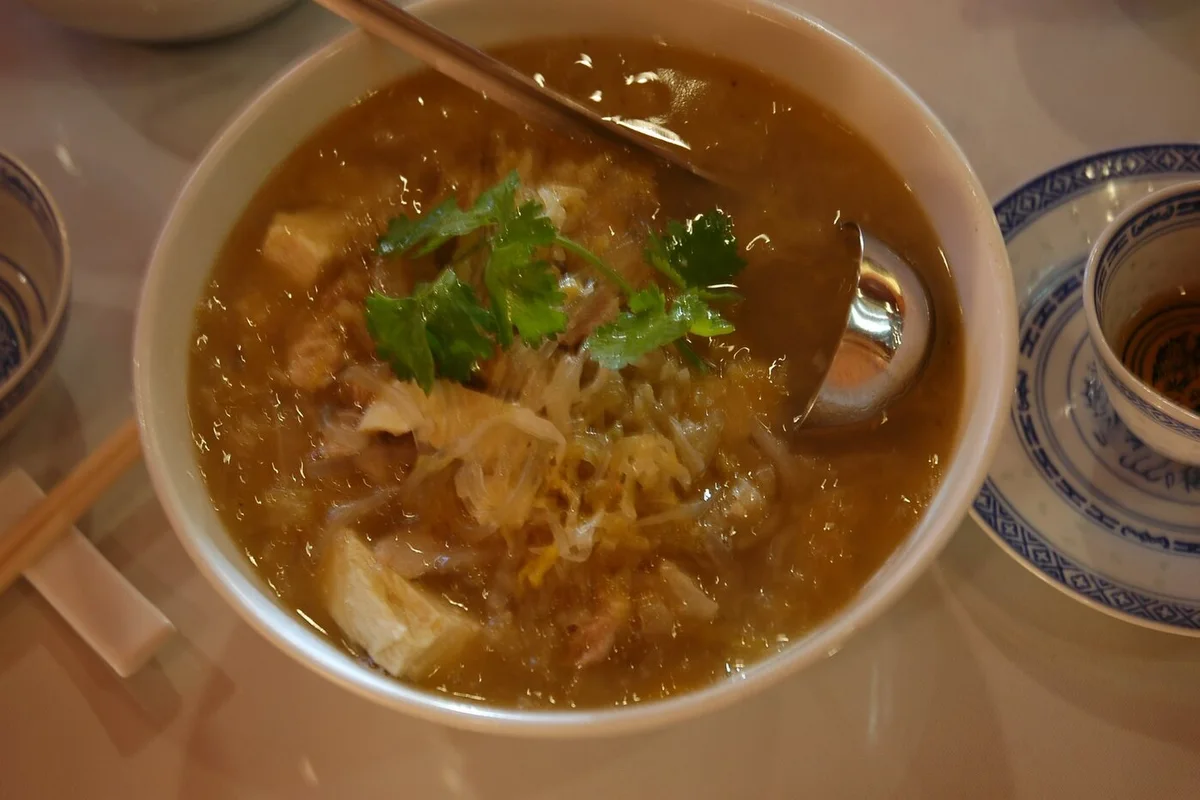
Pork belly and translucent starch noodles slowly braised in a deeply savory northeastern stew.
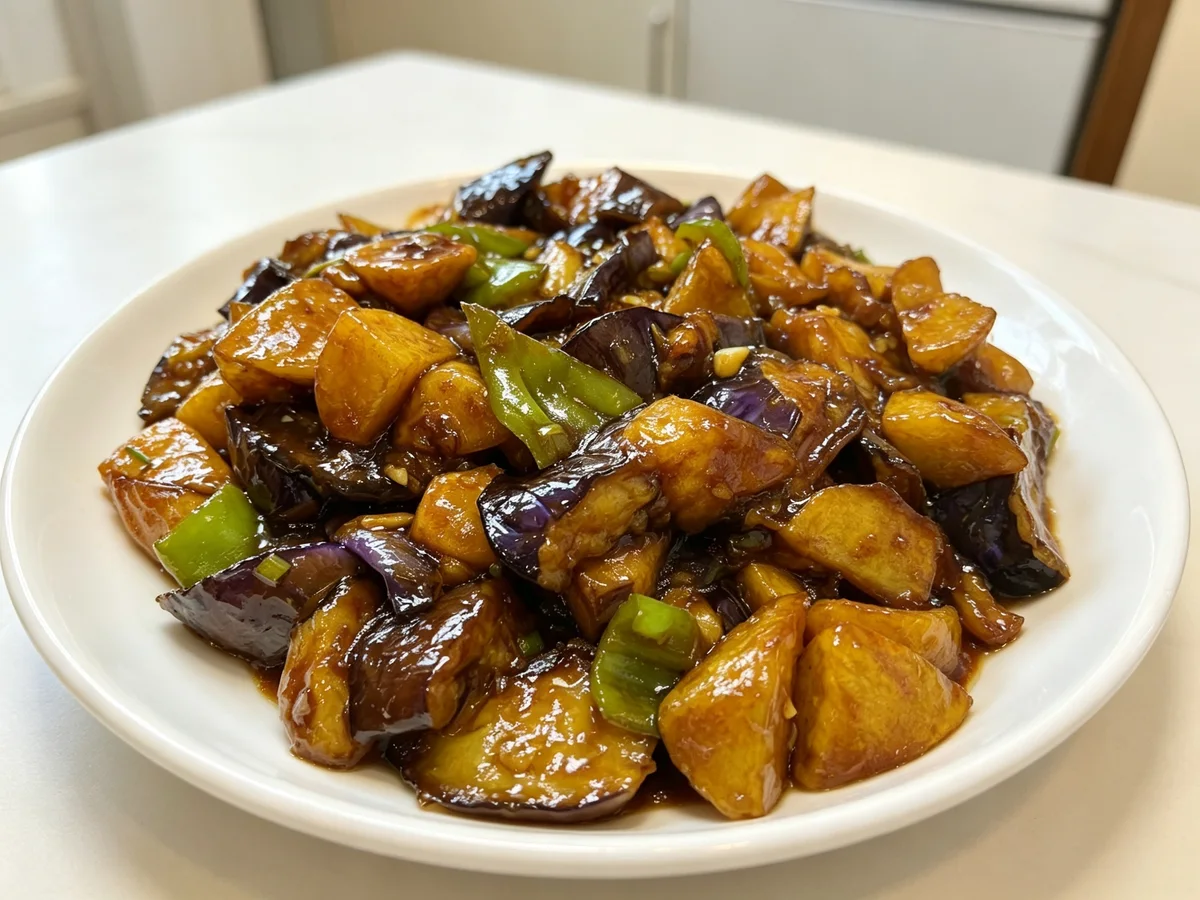
A northeastern plate of potato, eggplant and green pepper, staged for three distinct textures and joined by a light garlic glaze.
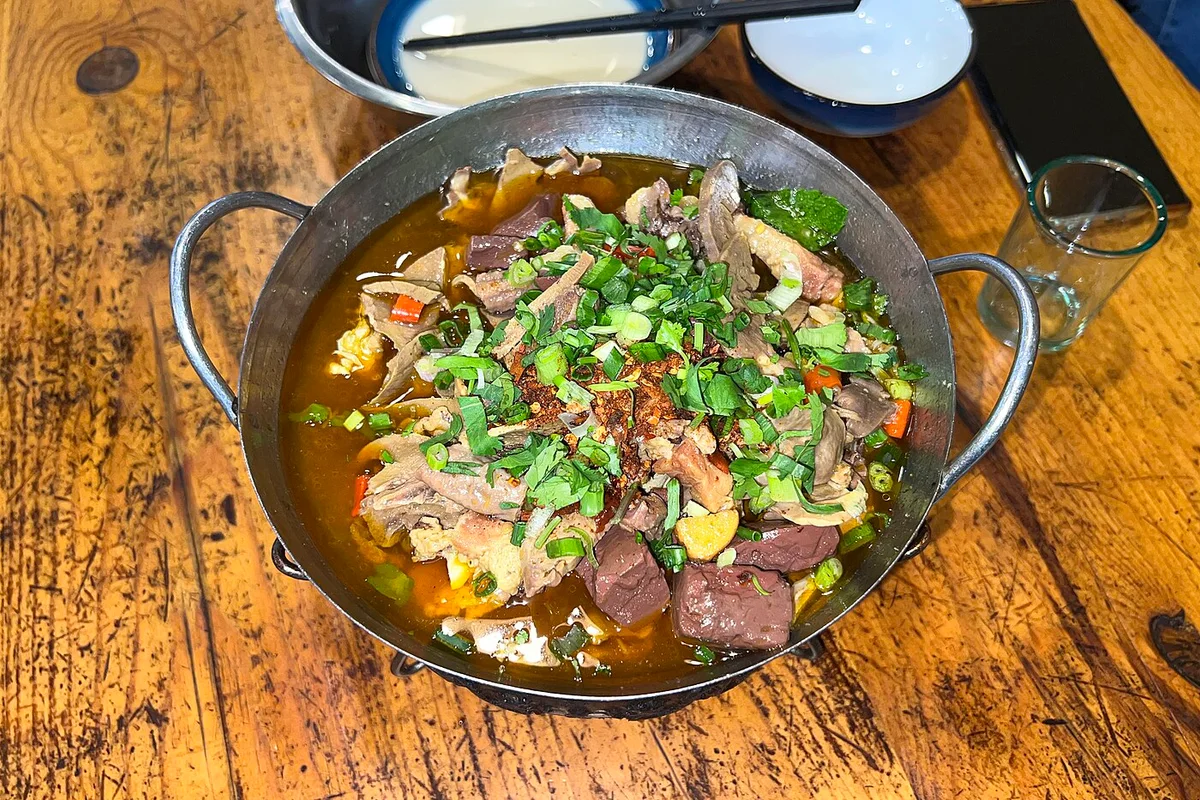
A generous northeastern pork-and-sour-cabbage feast traditionally connected with winter pig slaughter.
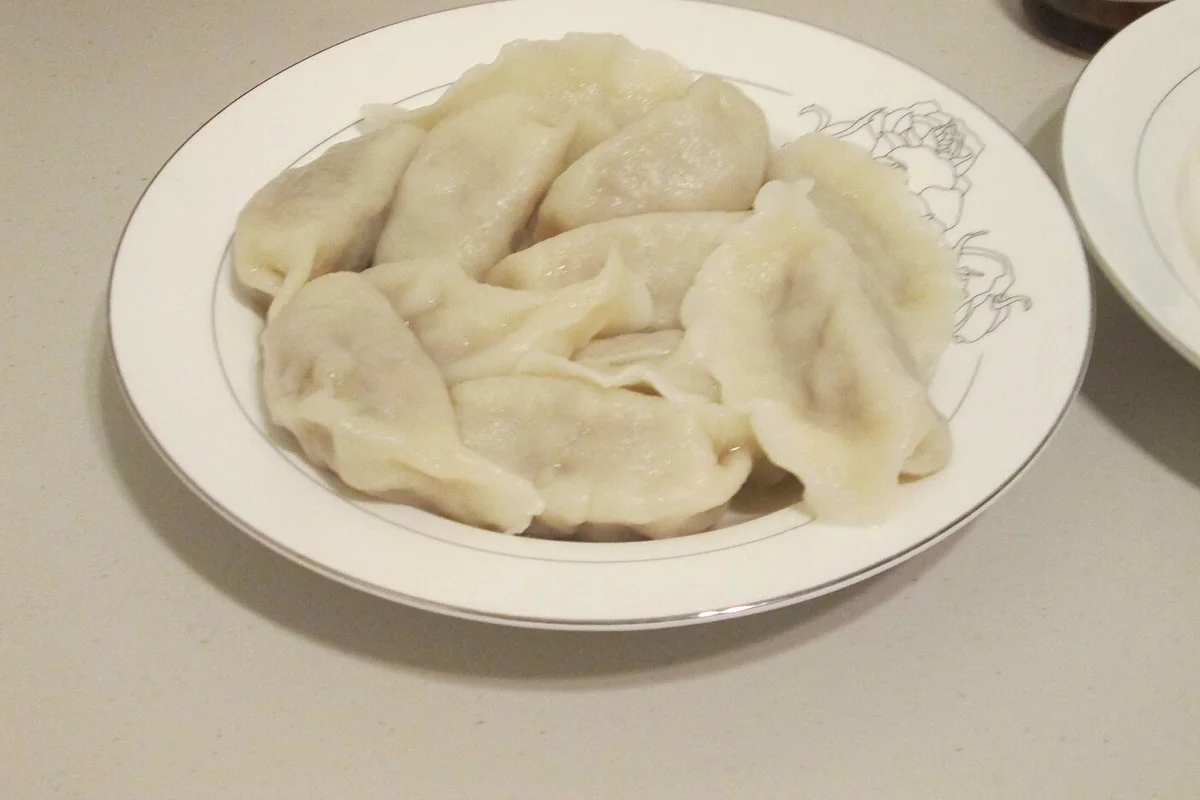
Plump northeastern dumplings filled with pork and naturally fermented napa cabbage.
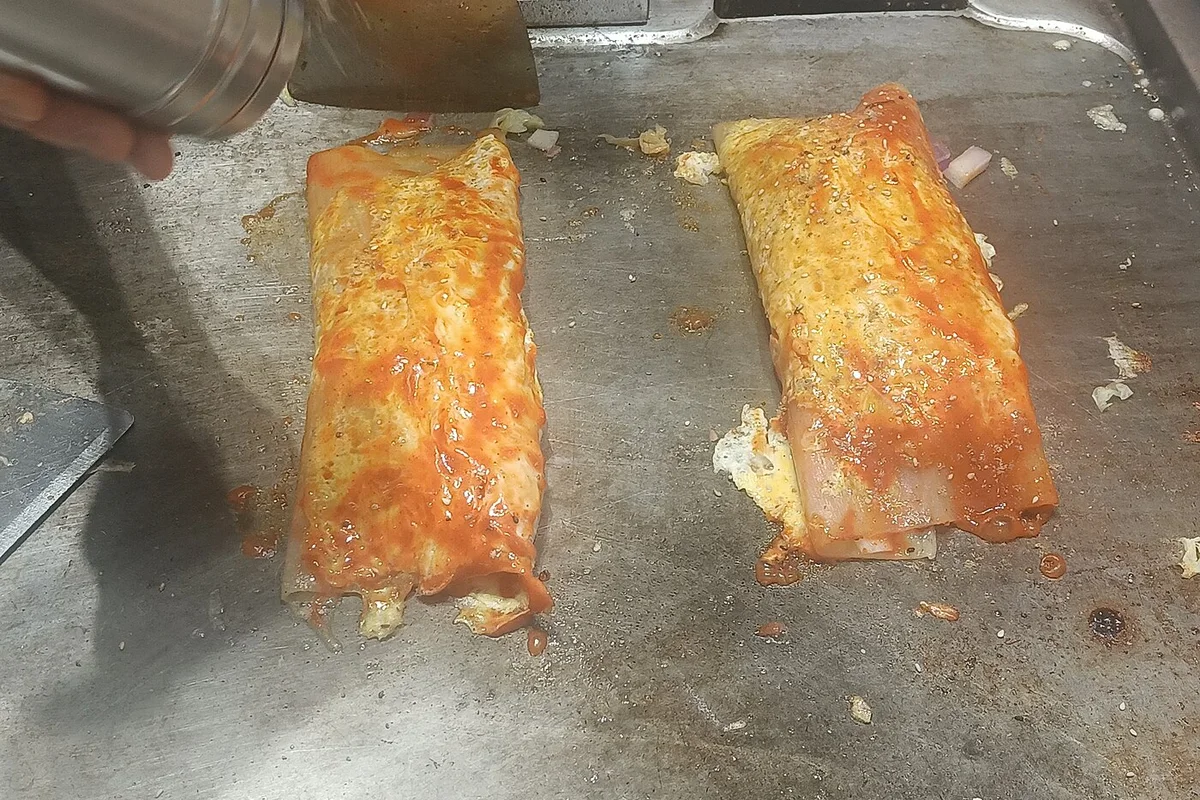
A hot northeastern griddle snack of a flexible cold-noodle sheet, egg, sweet-savory sauce, vinegar and fresh aromatics, folded and cut to order.
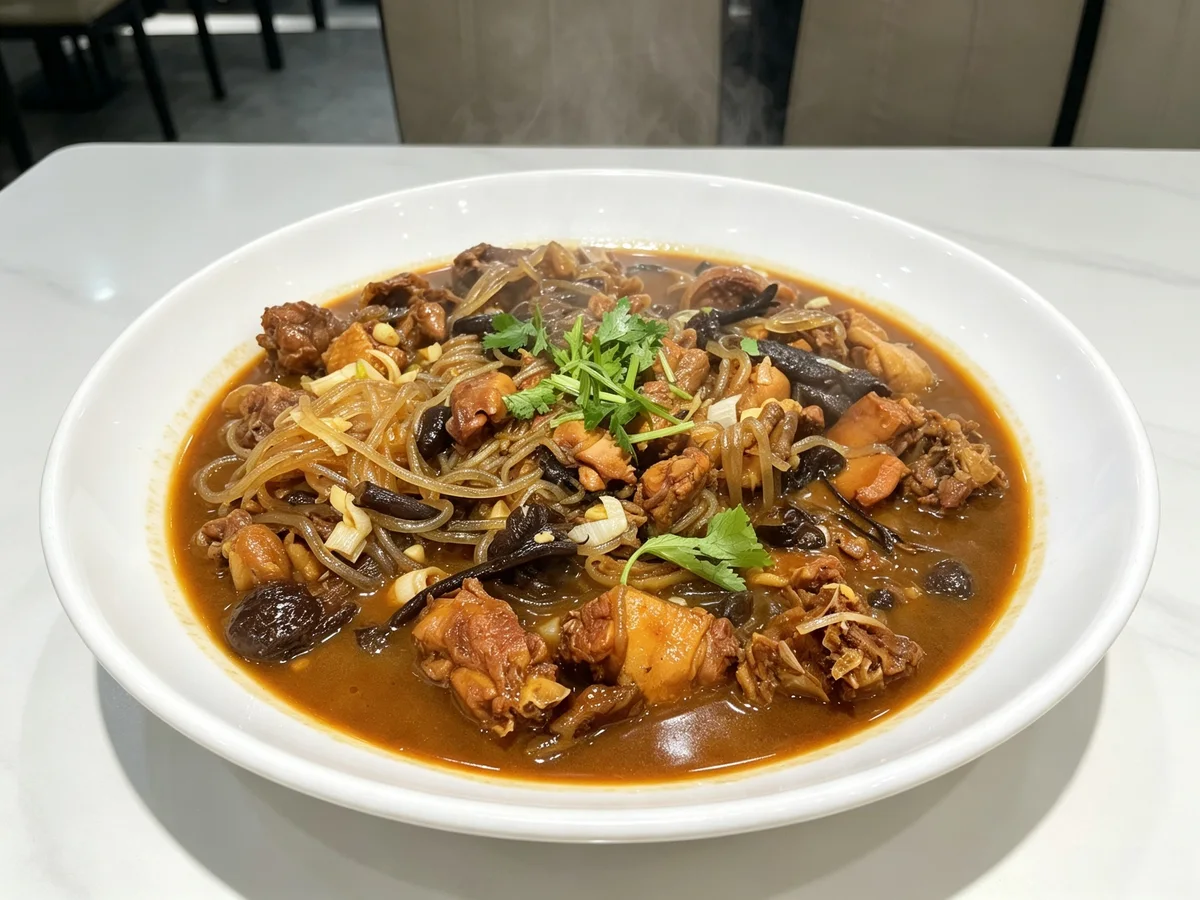
Chicken braised with fragrant dried mushrooms, traditionally including hazel mushrooms, in a northeastern comfort dish.
01
Northeast China, or Dongbei, stretches across Liaoning, Jilin and Heilongjiang, a northern region of long winters, black-soil farms, forests, border cities and heavy industry. Harbin’s Russian-influenced streets are one famous image, but Shenyang, Changchun, Dalian and smaller farming towns all shape the regional table.
Dongbei food is generous because the climate and social style demand it. Sour cabbage, pork, dumplings, corn, potatoes, mushrooms and iron-pot stews speak of storage and warmth, while guo bao rou turns cold-weather appetite into something crisp, sweet-sour and theatrical.
02
Dongbei food makes more sense when season, storage and sharing are read together. Fermentation, drying and starch are practical technologies as well as sources of flavor and texture.
Northeast China, often called Dongbei, covers Liaoning, Jilin and Heilongjiang. For many first-time searchers, guo bao rou is the doorway in: a crisp Harbin sweet-and-sour pork dish that belongs beside a larger table of dumplings, stews, preserved cabbage, corn, potatoes and forest mushrooms.
Dongbei food is shaped by long winters, agriculture, forest products and a culture of generous shared plates. It is hearty, but not careless: the best dishes depend on timing, frying texture, slow braising, sourness from suan cai and the comfort of wheat, corn and potatoes.
Many Dongbei meals feel communal. Iron-pot stews, pork and vermicelli stew, chicken with mushrooms and sha zhu cai are built for a table rather than a single diner. Dumplings can be everyday food or a holiday ritual. Guo bao rou shows the crisp restaurant side of the region, with enough acidity to keep the dish from becoming heavy.
The region also reflects borderland and migration histories. Harbin red sausage points to Russian and European influence adapted locally. Grilled cold noodles became a modern street-food symbol from Heilongjiang. Korean, Manchu and other northeastern foodways appear in pickles, grills, stews and snacks. Treat Dongbei food as a living regional table, not only a set of oversized comfort dishes.
03
Dongbei cooking often uses soy sauce, vinegar, garlic, ginger, scallions, preserved cabbage, potatoes, corn, wheat dough and slow-cooked meat. Sourness and sweetness are important balancing tools. A good table may combine a braised dish, a crisp fried plate, dumplings or bread, and something pickled or fresh to keep the meal from feeling one-note.
Many restaurant dishes are sized for groups, so ordering fewer plates than you expect can be wise.
Suan cai, dried mushrooms, smoked foods and cured sausages reflect winter storage as well as taste.
Dishes such as guo bao rou depend on a quick glaze that keeps the pork lively rather than soggy.
Dumplings, breads, pancakes, noodles, cornmeal and potatoes are central to the regional meal structure.
04
Dongbei breakfasts tend to be warming and practical: millet congee, baozi, tofu pudding, scallion pancakes, soy milk and simple pickles. In cold weather, a hot bowl and a filling wheat item make sense. Breakfast is less internationally famous than Wuhan guozao, but it reveals the region’s preference for warmth, substance and straightforward comfort.
05
06
Northeastern portions and winter dishes suit sharing, but “large and heavy” is not a quality standard. Build a meal around one stew or braise, one crisp or sweet-sour plate, dumplings or another staple, and a cold vegetable for contrast.
Chicken with mushrooms, pork with starch noodles or a sauerkraut-based stew can anchor the meal. Ask how many people the pot serves before ordering another braise.
Harbin-style pork depends on a brittle coating and bright sweet-sour glaze. Steam and long holding quickly turn the crust soft.
Dongbei suancai is fermented napa cabbage, not raw cabbage dressed with vinegar. Its clean acidity balances pork fat in stews and dumpling fillings.
Liaoning, Jilin and Heilongjiang share climate and ingredients but retain city and county specialties. “Dongbei” is a useful frame, not one standardized menu.
07
The cuisine is hearty, but sour pickles, crisp frying, cold dishes, dumplings and street snacks create balance.
Good stews, dumplings and fried dishes still depend on texture, timing and ingredient quality.
The northeastern version is judged by thin crisp slices, bright acidity and a quick glaze rather than a thick sticky sauce.
Sources
We use these references to check regional context, food terms and dining customs. Individual restaurants and households still vary.
Keep exploring
Move from this guide into a different flavor world, with a quick visual hint before you open the next region.