Sichuan Hot Pot
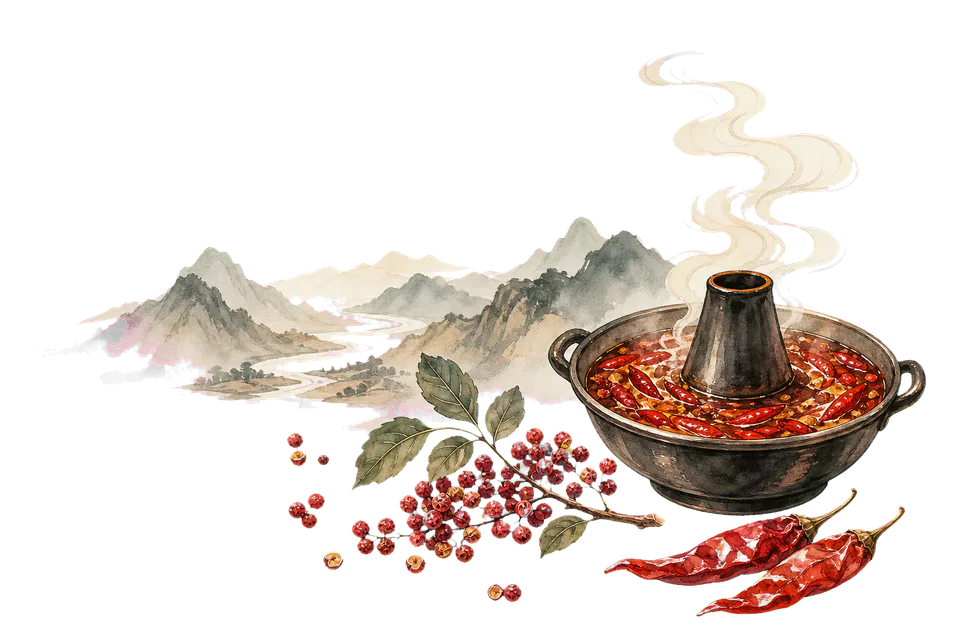
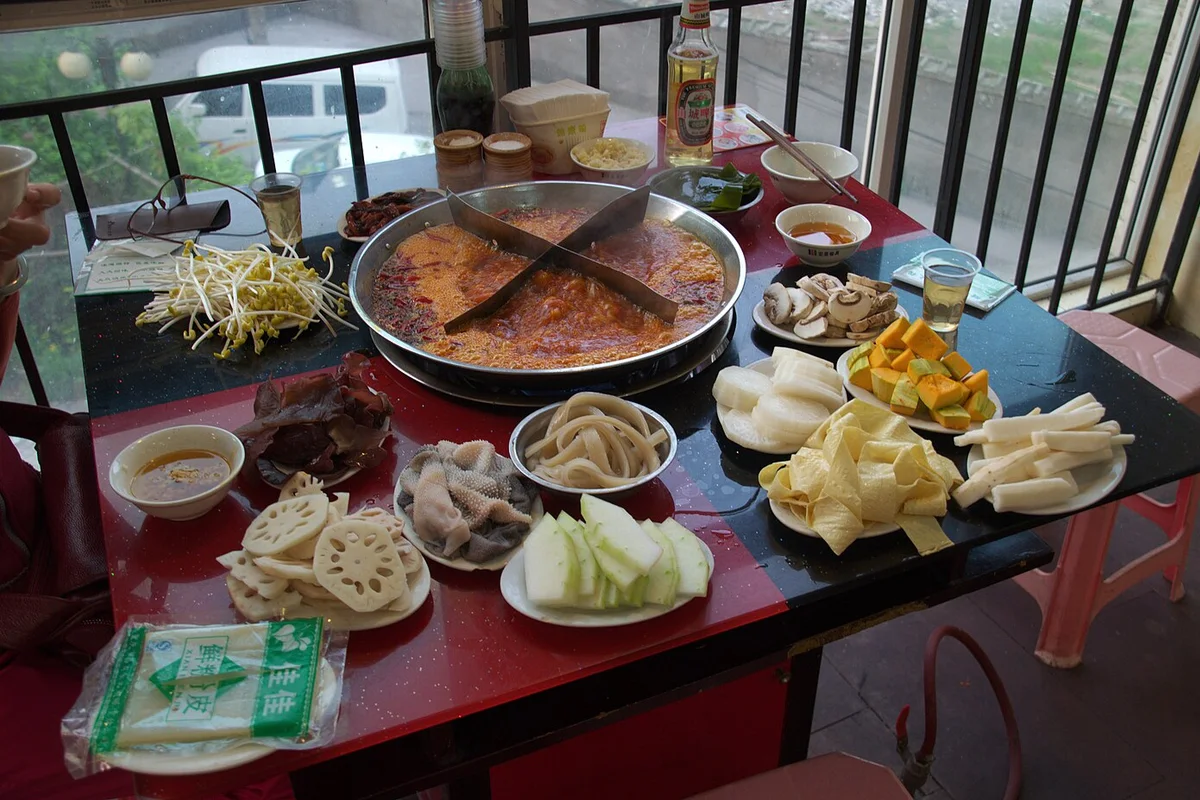
A Sichuan–Chongqing communal cooking system of simmering broths, individually timed meats, offal, tofu and vegetables, and personal dipping sauces.
Regional food guide
Bold, layered and far more than just spicy
Sichuan food is famous for málà—the tingling combination of chilli and Sichuan pepper—but its real signature is contrast: fragrant, sour, sweet, smoky and deeply savory flavors often share the same table.
Start with the classics
Open the region through its most useful dishes first, then read the deeper story behind the flavors below.
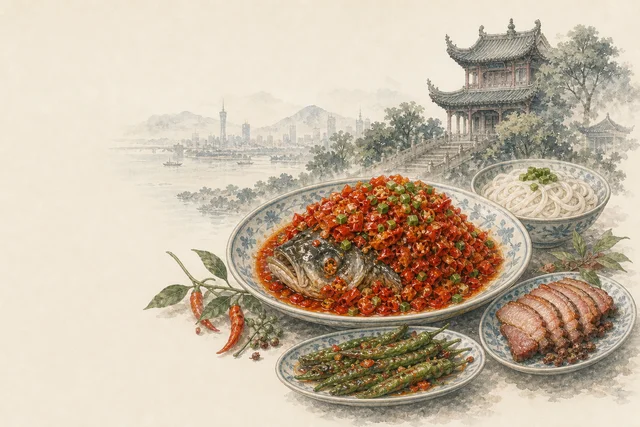
A Sichuan–Chongqing communal cooking system of simmering broths, individually timed meats, offal, tofu and vegetables, and personal dipping sauces.
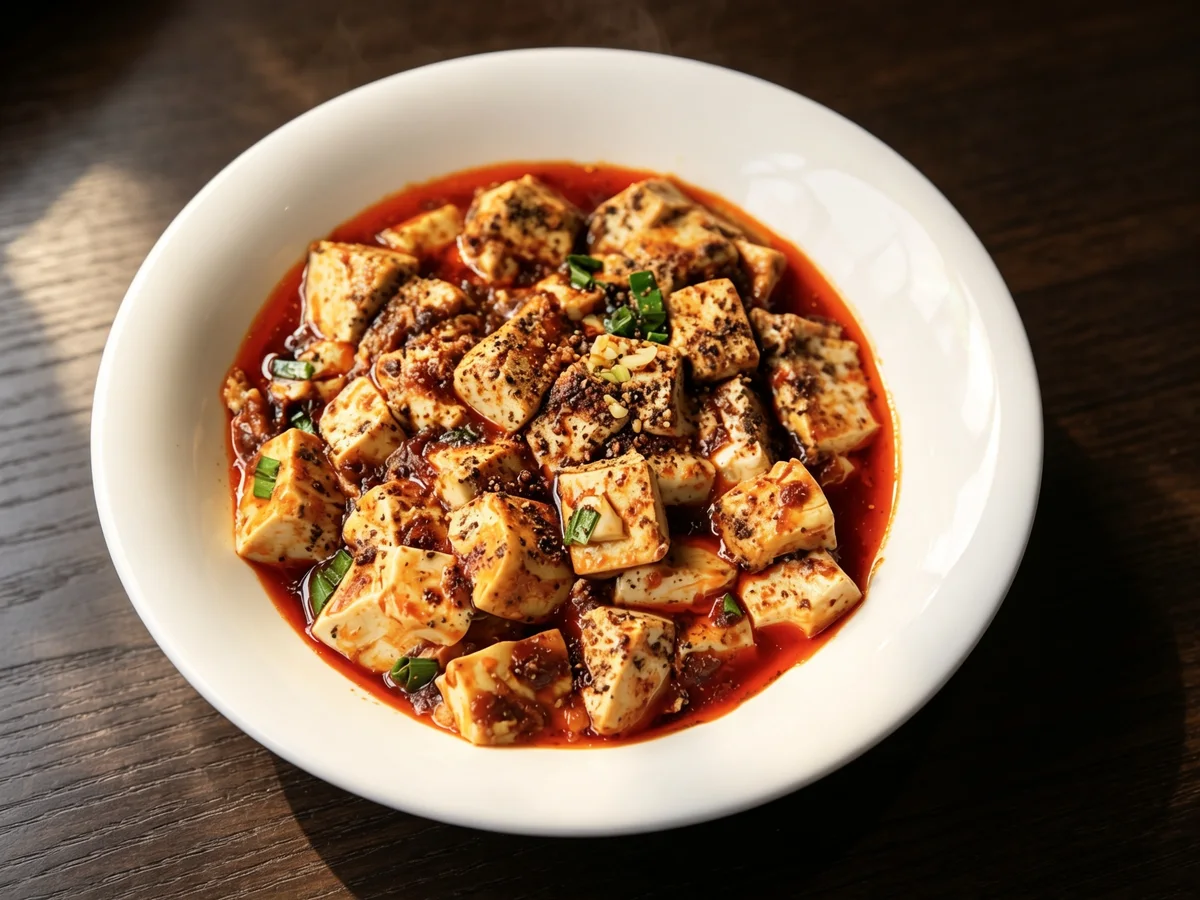
Tender tofu simmered in a fluid chilli-red sauce of fermented broad bean paste, fragrant Sichuan pepper and a small amount of savory mince.
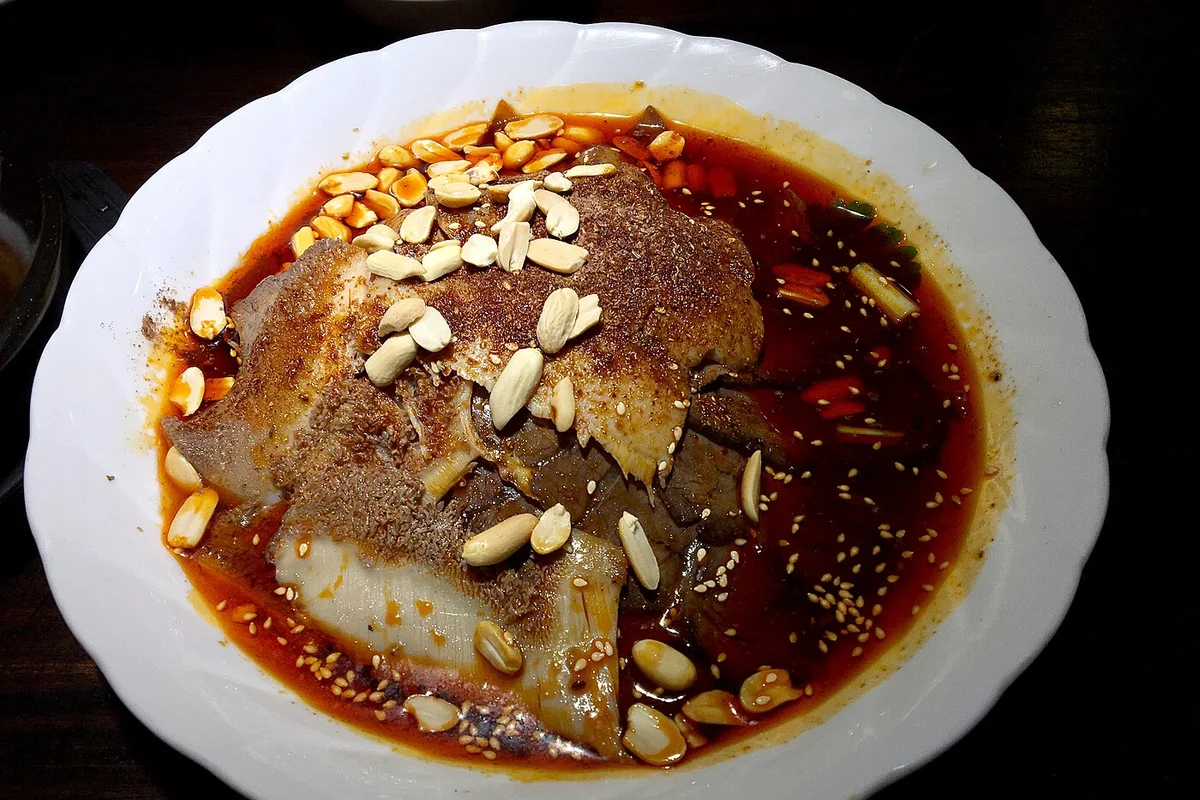
Thin slices of braised beef and selected offal dressed to order with fragrant red oil, Sichuan pepper and crunchy aromatics.
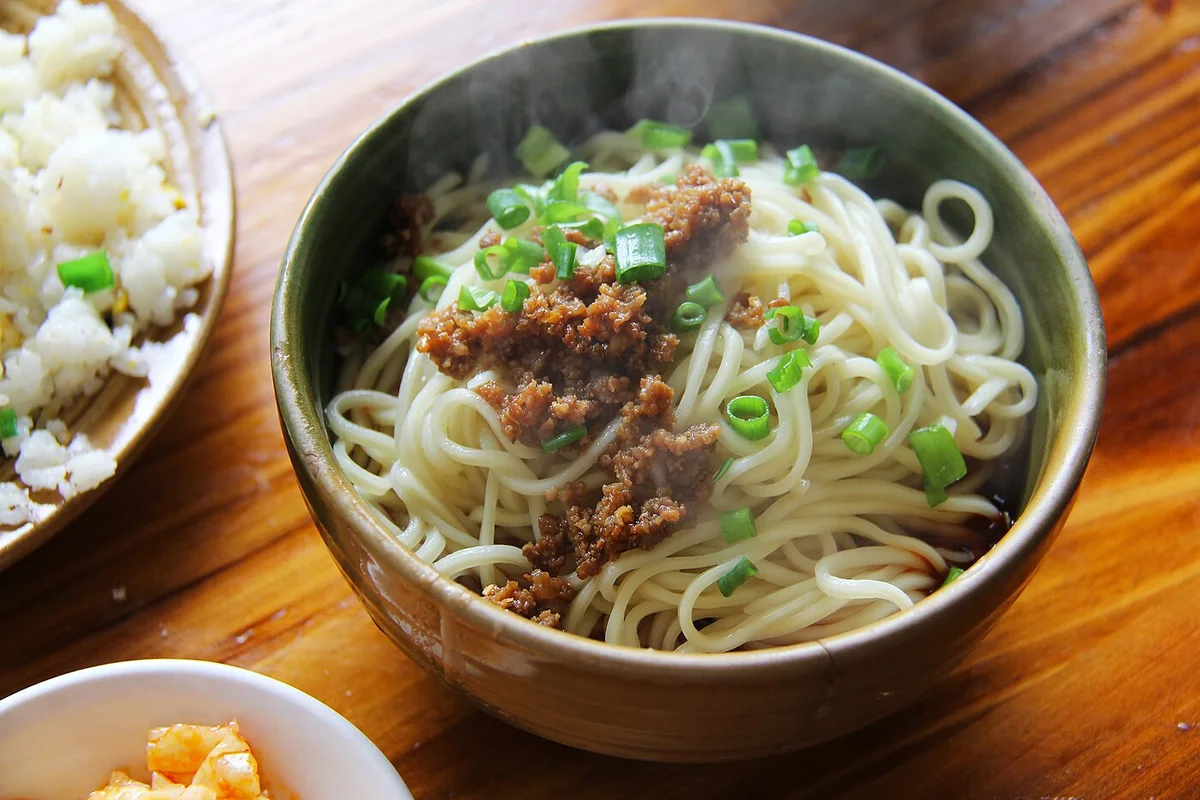
A compact Chengdu noodle snack mixed from the bottom with chilli oil, Sichuan pepper, Yibin preserved vegetables and a small spoonful of dry-fried pork mince.
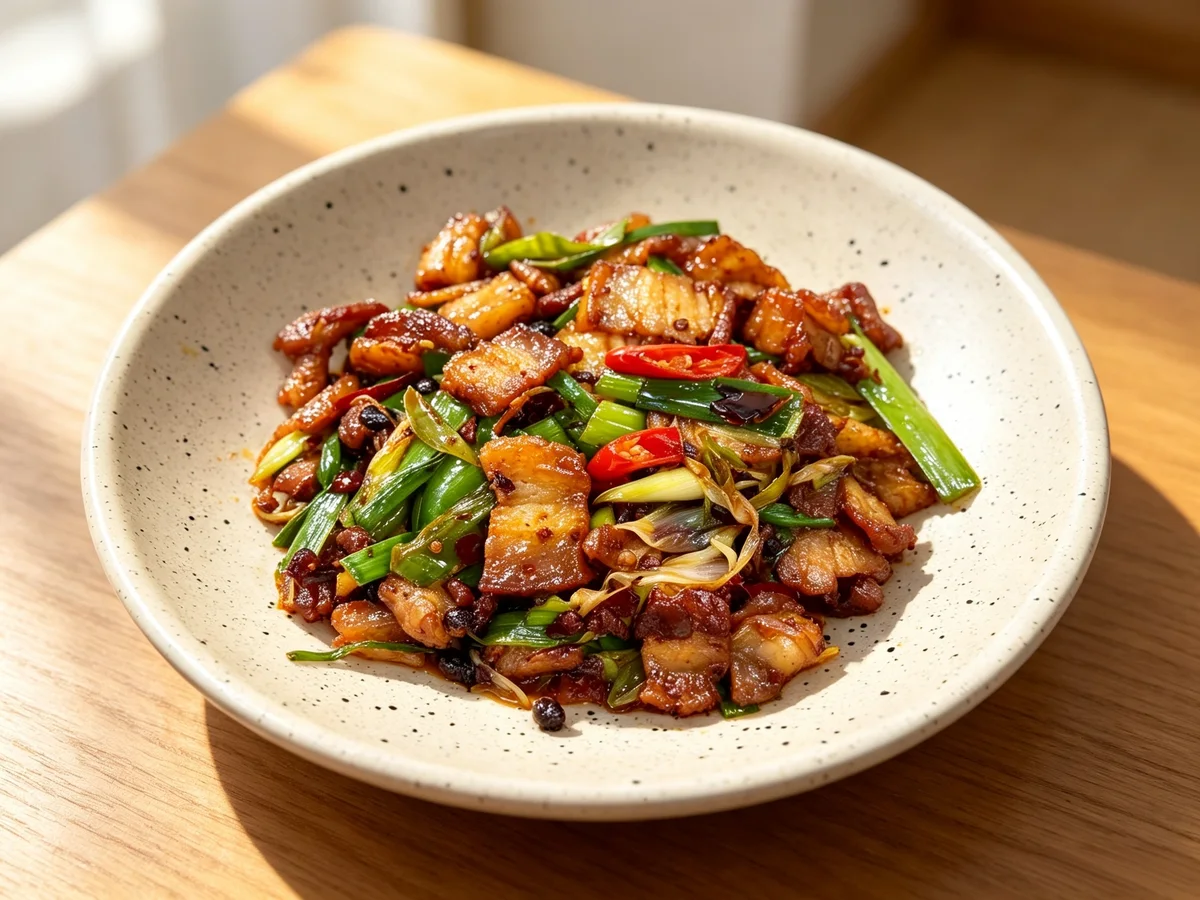
Skin-on pork is gently simmered, cooled and sliced, then returned to the wok until its edges curl before fermented bean paste and green garlic are added.
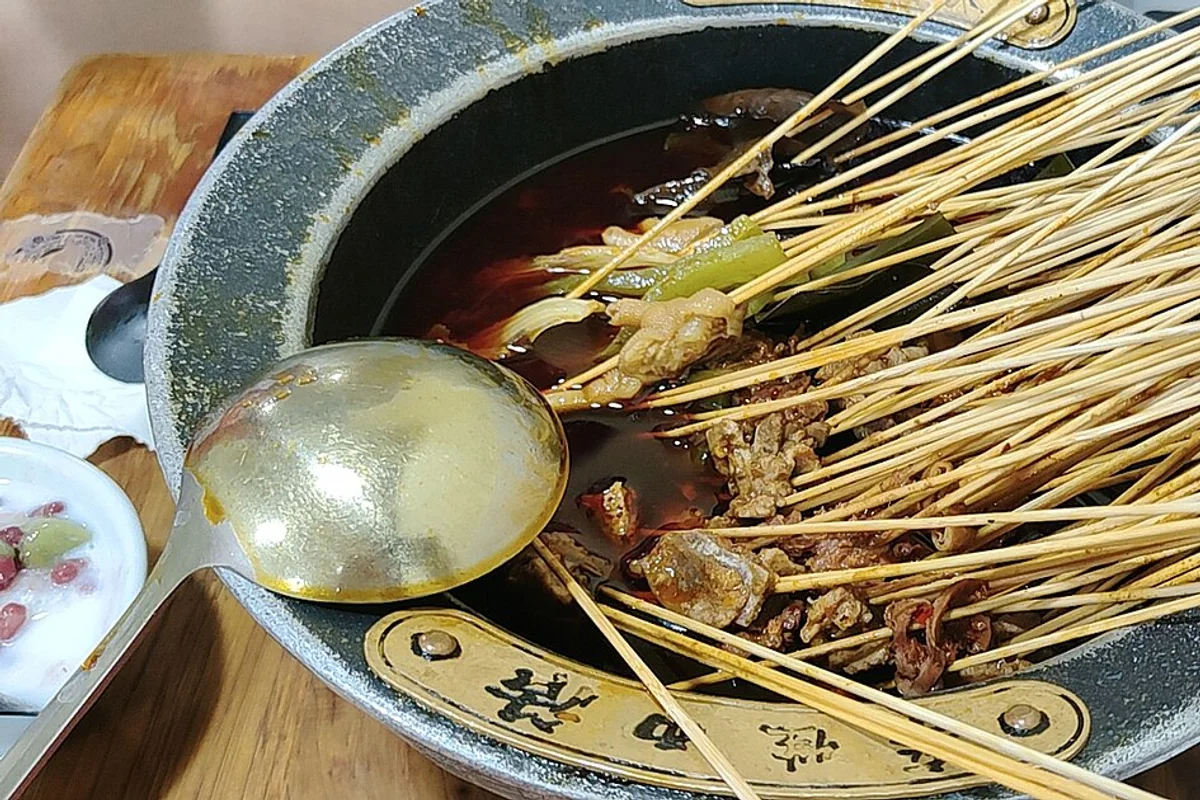
Skewers of chicken and vegetables steeped in a fragrant, chilli-red Sichuan sauce.
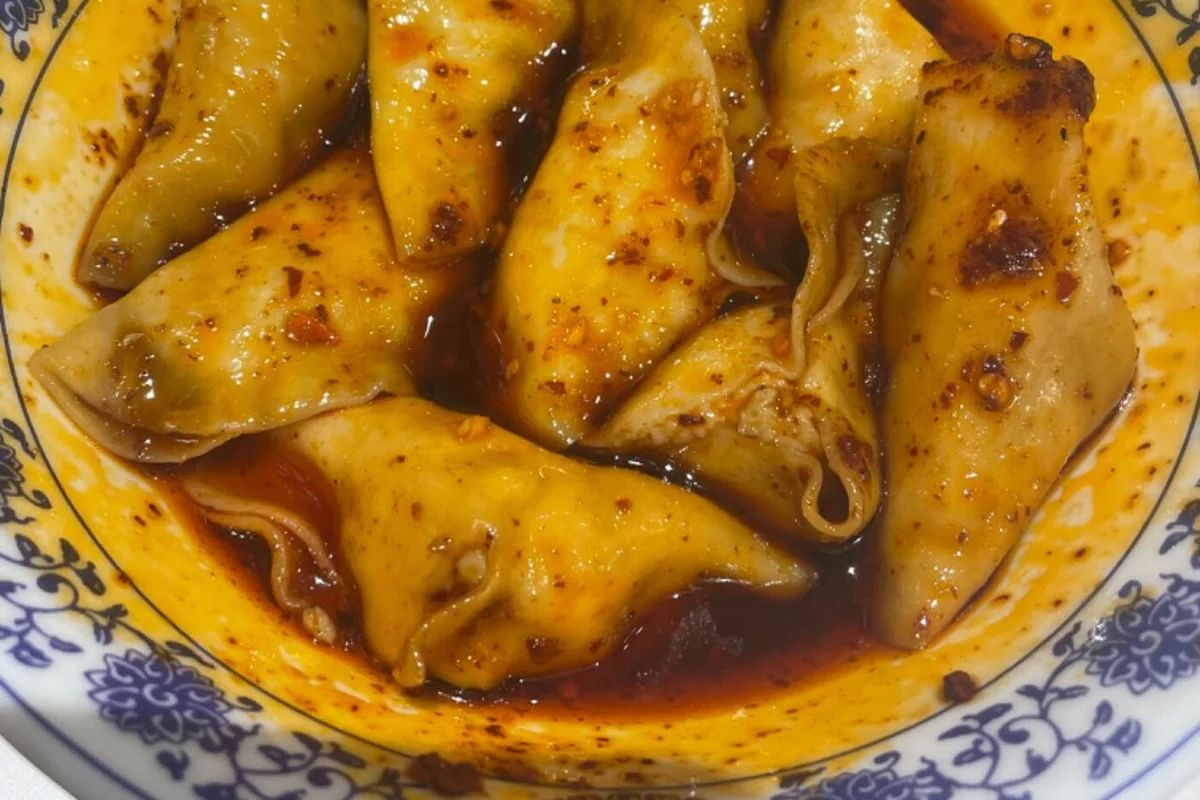
Chengdu pork dumplings dressed with aromatic chilli oil and sweetened soy sauce.
01
Sichuan is a southwestern basin province ringed by mountains, historically linked to river trade, frontier routes and one of China’s most distinctive urban cultures. Chengdu, its calm teahouse capital, is the easiest doorway, but the food also carries the sharper energy of Leshan, Zigong and smaller market towns.
That setting makes Sichuan food feel layered rather than simply hot. Damp climate, fertile fields, preservation and fermented bean pastes meet chilli, Sichuan pepper, garlic, vinegar and sugar, creating a cuisine that can be numbing, bright, smoky, sweet-salty or quietly savory within the same meal.
02
Mala is only one Sichuan flavor structure. Fermented bean paste, sweet aromatic soy, garlic, sesame, vinegar and pickled vegetables create distinct compound profiles that should not collapse into “spicy.”
Sichuan food is best understood as a large flavor system rather than a single promise of heat. Chengdu, Leshan, Zigong and smaller county traditions all contribute different habits: banquet dishes, home-style stir-fries, noodle snacks, cold appetizers and long hot-pot meals. Chilli and Sichuan pepper are important, but they work alongside fermented beans, vinegar, sugar, garlic, ginger, preserved vegetables and careful control of texture.
The public image of Sichuan cooking often starts with mala, the combination of chilli warmth and the tingling fragrance of Sichuan pepper. That is only one branch. A Sichuan table may move from mapo tofu to a mild soup, from cold sliced beef to sweet-salty dumplings, or from a red hot pot to a simply dressed seasonal vegetable. The pleasure comes from contrast across the meal, not from making every dish equally fiery.
For travelers and first-time diners, the most useful question is not “how spicy is it?” but “what flavor pattern is this dish using?” Mapo tofu teaches fermented depth, twice-cooked pork teaches rendered pork and green aromatics, dan dan noodles teach concentrated seasoning, and hot pot teaches social pacing. Together they show why Sichuan cuisine has a reputation for complexity as much as intensity.
03
Sichuan kitchens often build flavor in layers: a fermented base such as Pixian doubanjiang, aromatic heat from dried chilli, the citrusy tingle of Sichuan pepper, and a final adjustment of vinegar, sugar or fresh alliums. Rice softens concentrated dishes, noodles carry sauces, and cold dishes reset the palate between richer plates.
The famous numbing-spicy combination should feel aromatic and dimensional, not simply punishing. Good dishes still let fermentation, meat, tofu or vegetables remain recognizable.
Broad bean paste, preserved vegetables and fermented black beans give many dishes their deep red color and savory base.
Noodles, dumplings and cold dishes often use concentrated sauces in modest portions, making them useful introductions before a large shared meal.
Plain rice, greens, tofu and soups help balance the table and make spicy or oily dishes easier to enjoy.
04
Sichuan mornings are less tied to one single breakfast icon than Wuhan is, but noodle shops, guokui flatbreads, soy milk, youtiao and beef noodles all show how the region turns strong seasoning into everyday food. A morning bowl may be warming and savory rather than aggressively spicy, and many shops let diners adjust chilli, vinegar and aromatics.
05
06
A useful first meal demonstrates several flavor patterns instead of repeating red oil. Choose one fermented, saucy anchor; one dry or aromatic plate; a vegetable or clear soup; and rice. This makes the cuisine’s range visible without turning dinner into a chilli-endurance test.
It introduces doubanjiang, Sichuan pepper and the relationship between an intense sauce and plain rice. Ask about meat stock or mince if you need a vegetarian dish.
Twice-cooked pork, bobo chicken or a cold dish changes temperature and texture. A second bowl of oily noodles teaches less than a plate with a genuinely different structure.
Greens, steamed egg, tofu or a simple soup are not filler. Order them before the table becomes crowded, and taste them before chilli oil migrates across shared utensils.
Hot pot rewards time, multiple ingredient groups and careful raw-food handling. Adding it to a full restaurant order usually weakens both experiences.
07
Heat is visible, but fermentation, Sichuan pepper fragrance, vinegar, sweetness, texture and pacing are just as important.
Many dishes are savory, sweet-salty, sour, garlicky, smoky or gently seasoned. Mala is a signature pattern, not the whole cuisine.
The red broth is mainly a cooking medium. Diners usually season cooked pieces with a personal dipping sauce instead of treating the pot like ordinary soup.
Sources
We use these references to check regional context, food terms and dining customs. Individual restaurants and households still vary.
Keep exploring
Move from this guide into a different flavor world, with a quick visual hint before you open the next region.