
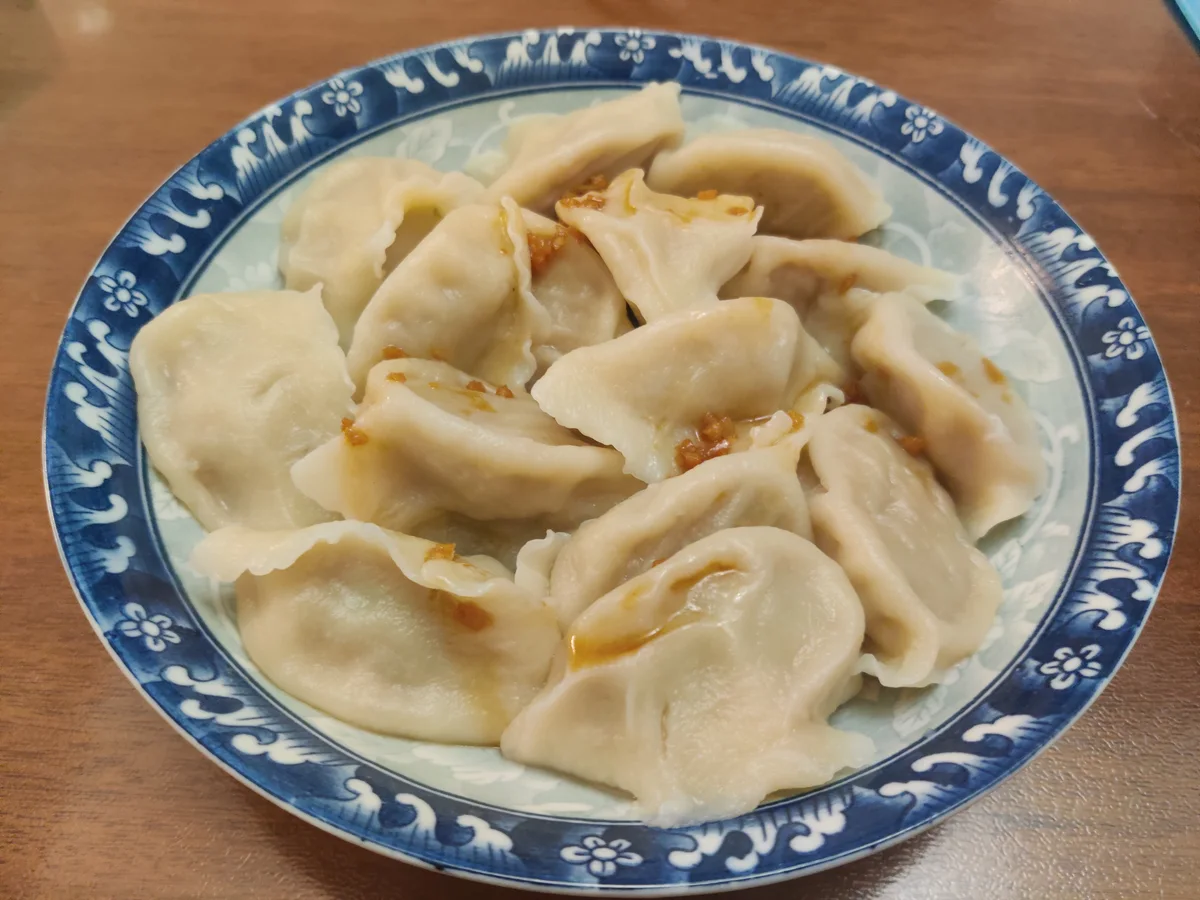
Jiaozi饺子
Crescent wheat dumplings, boiled, steamed or fried as guotie; an everyday northern meal and New Year dish, filled with sauerkraut in Dongbei and mackerel in Qingdao.
Across China · 11 dishes and drinks
Some foods are eaten from Harbin to Guangzhou, and no one place can claim them. Jiaozi are an everyday meal in the north and a New Year dish in much of the south; tea eggs are sold at train stations and corner shops everywhere. Milk tea changes from iced cups with tapioca pearls to hot, salty bowls. Each page follows a food or drink across the country: when it comes to the table and how each place makes it.
Dishes and drinks
Every page shows how people order or eat the dish, with the sources behind it.
Crescent wheat dumplings, boiled, steamed or fried as guotie; an everyday northern meal and New Year dish, filled with sauerkraut in Dongbei and mackerel in Qingdao.
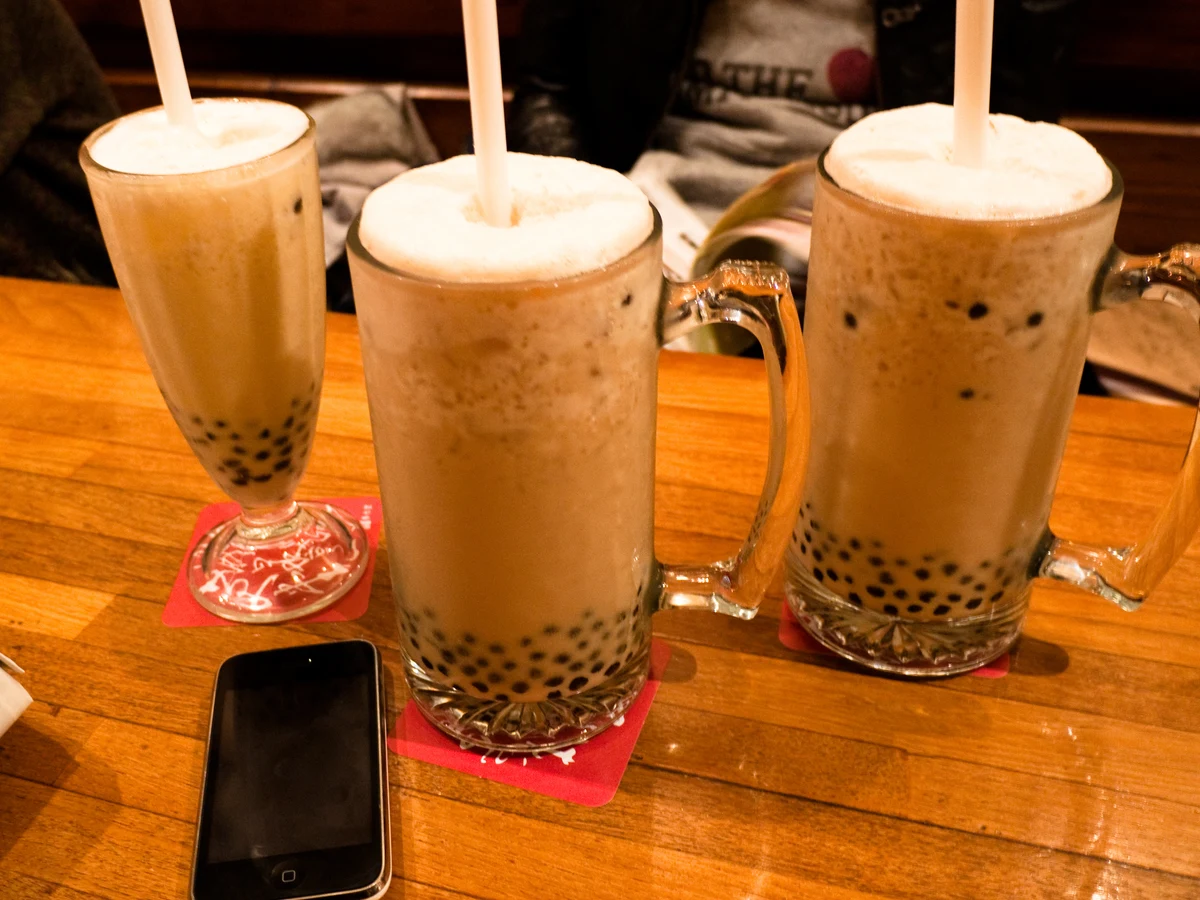
Chewy pearls in Taiwanese bubble tea, strong black tea and evaporated milk in Hong Kong, and hot, salty bowls in the north. See what to order at eighteen shops.
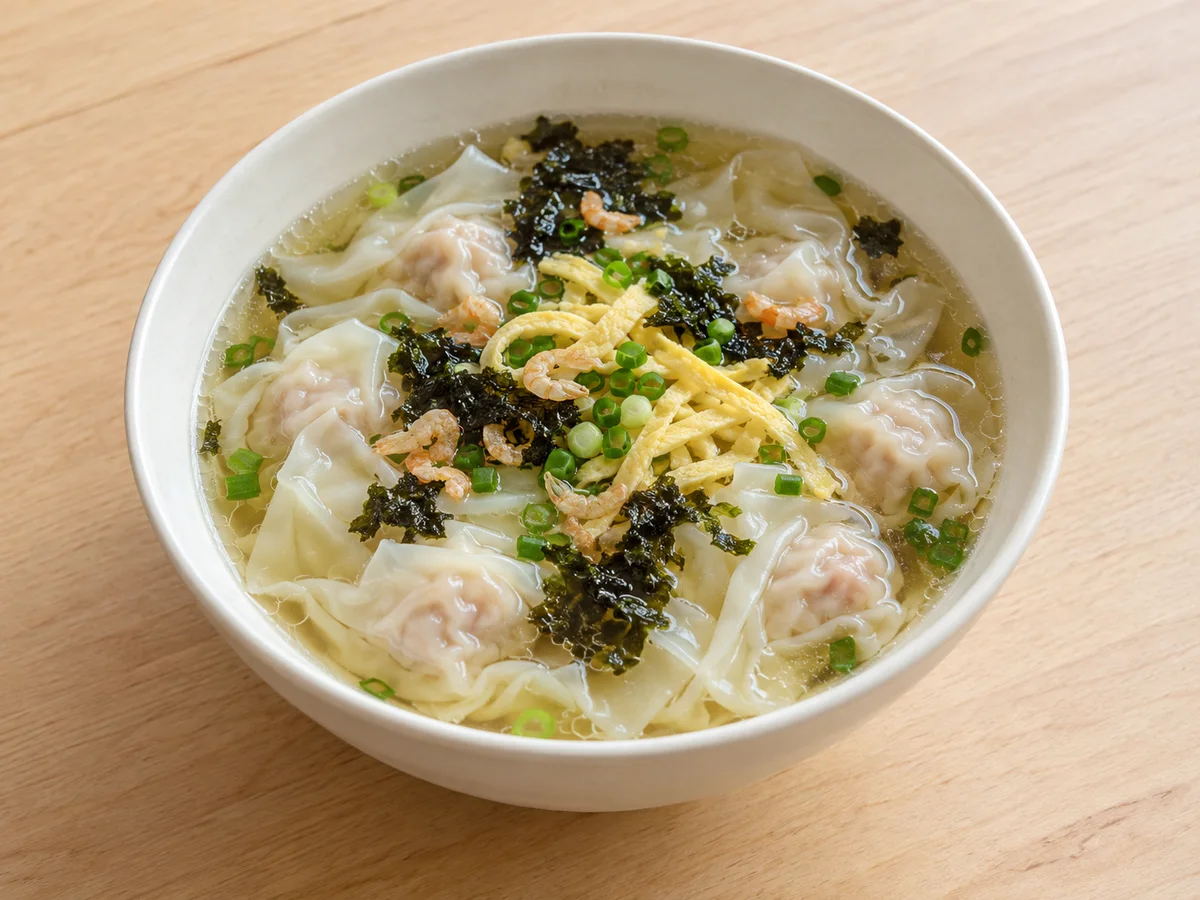
Thin square wrappers folded around a little filling and eaten in broth: Shanghai big and small wontons, Cantonese yuntun, Sichuan chaoshou in chili oil and old Beijing’s wonton carts.
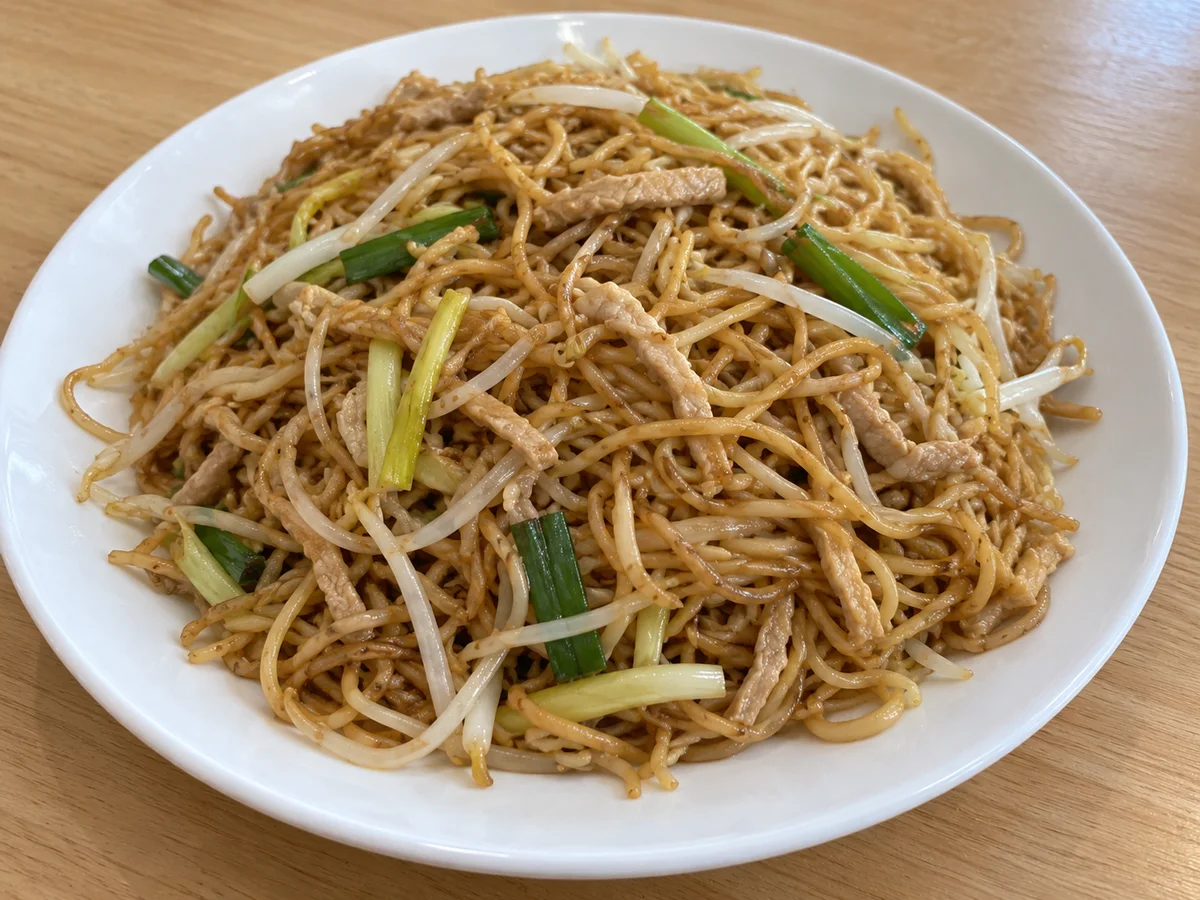
Noodles boiled and then fried: Hong Kong soy sauce chow mein, Suzhou’s crisp liangmianhuang, Xinjiang ganbian chaomian, and the Chinatown chow mein of America and Britain.
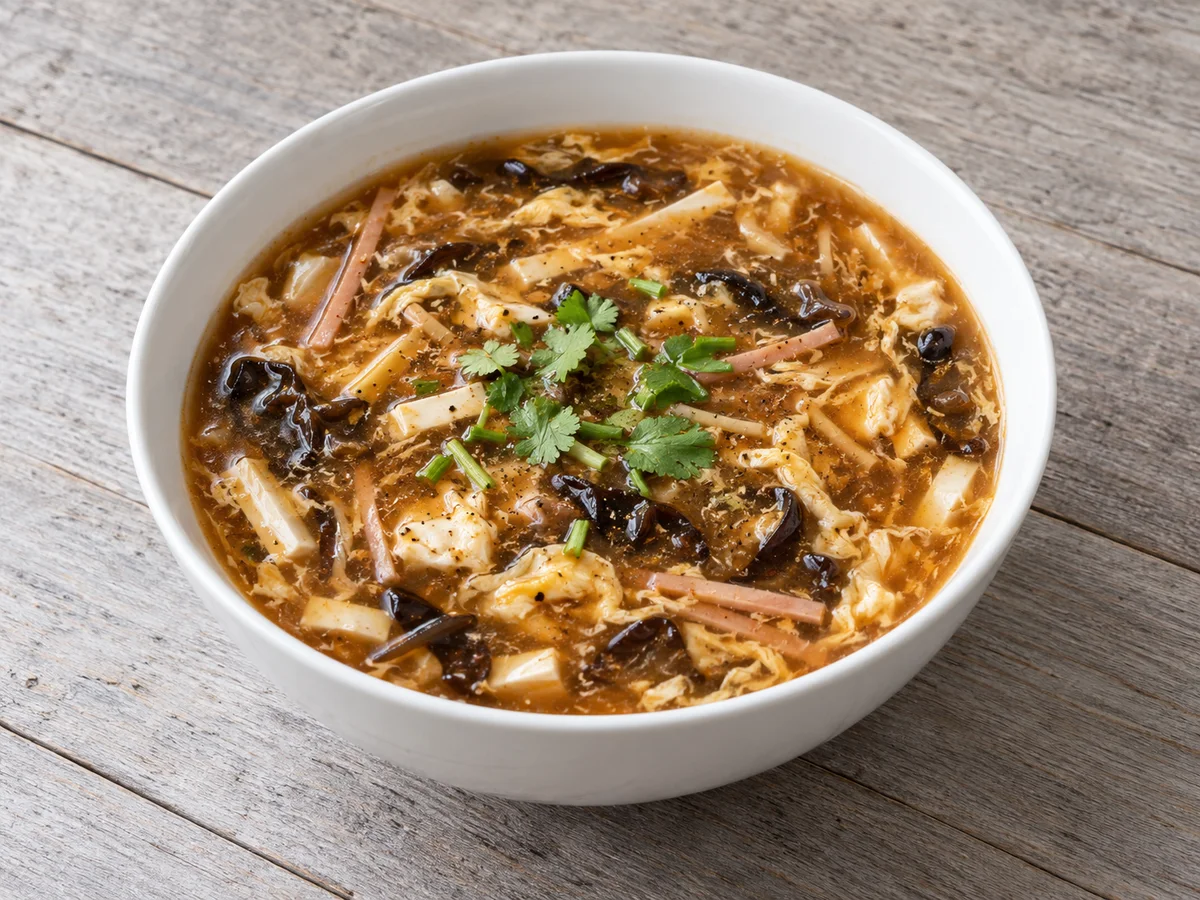
A thick soup soured with vinegar and heated with white pepper, not chili, around tofu, wood ear and egg; northern restaurants, Fuzhou banquets and Jiangnan guotie shops each make their own.
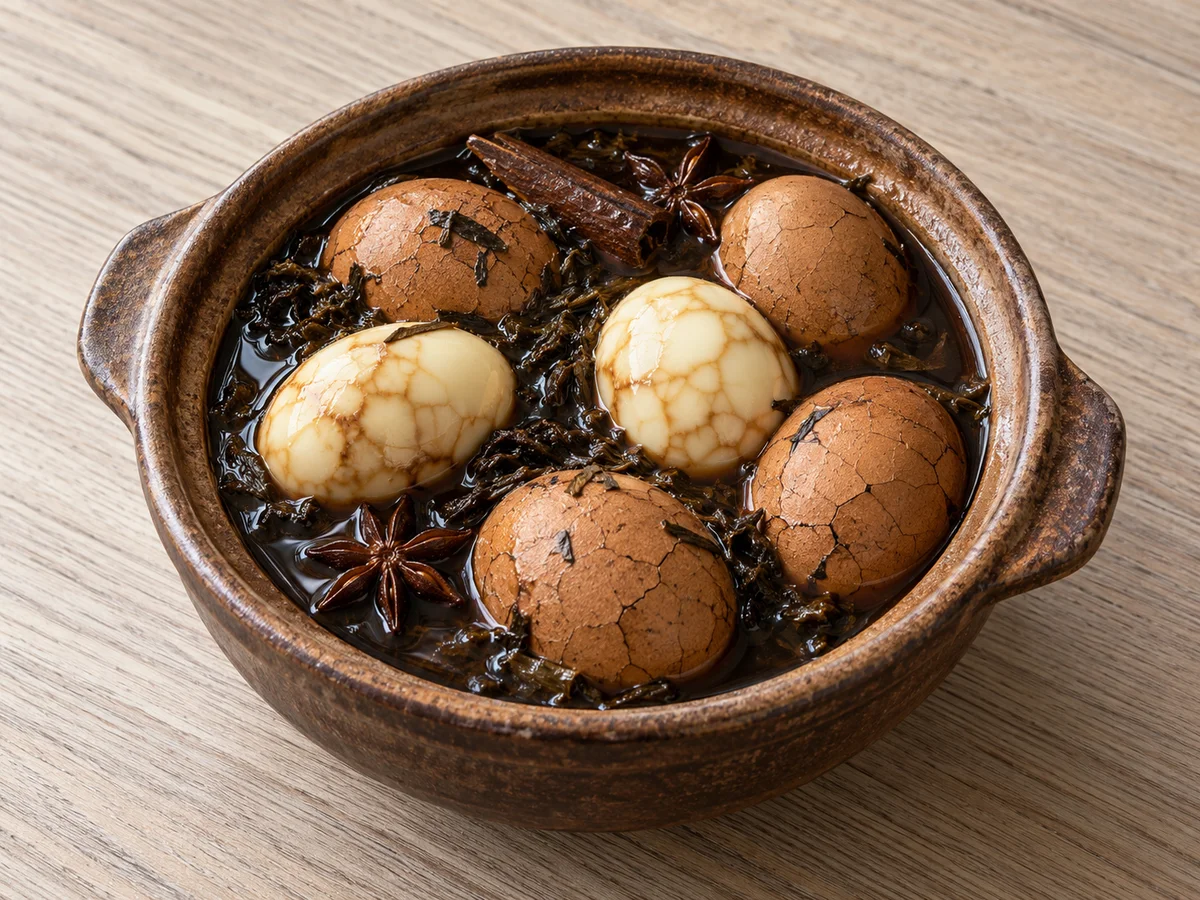
Hard-boiled eggs cracked and soaked in tea, soy and star anise until marbled; a breakfast-stall, station and convenience-store snack since at least 1792.
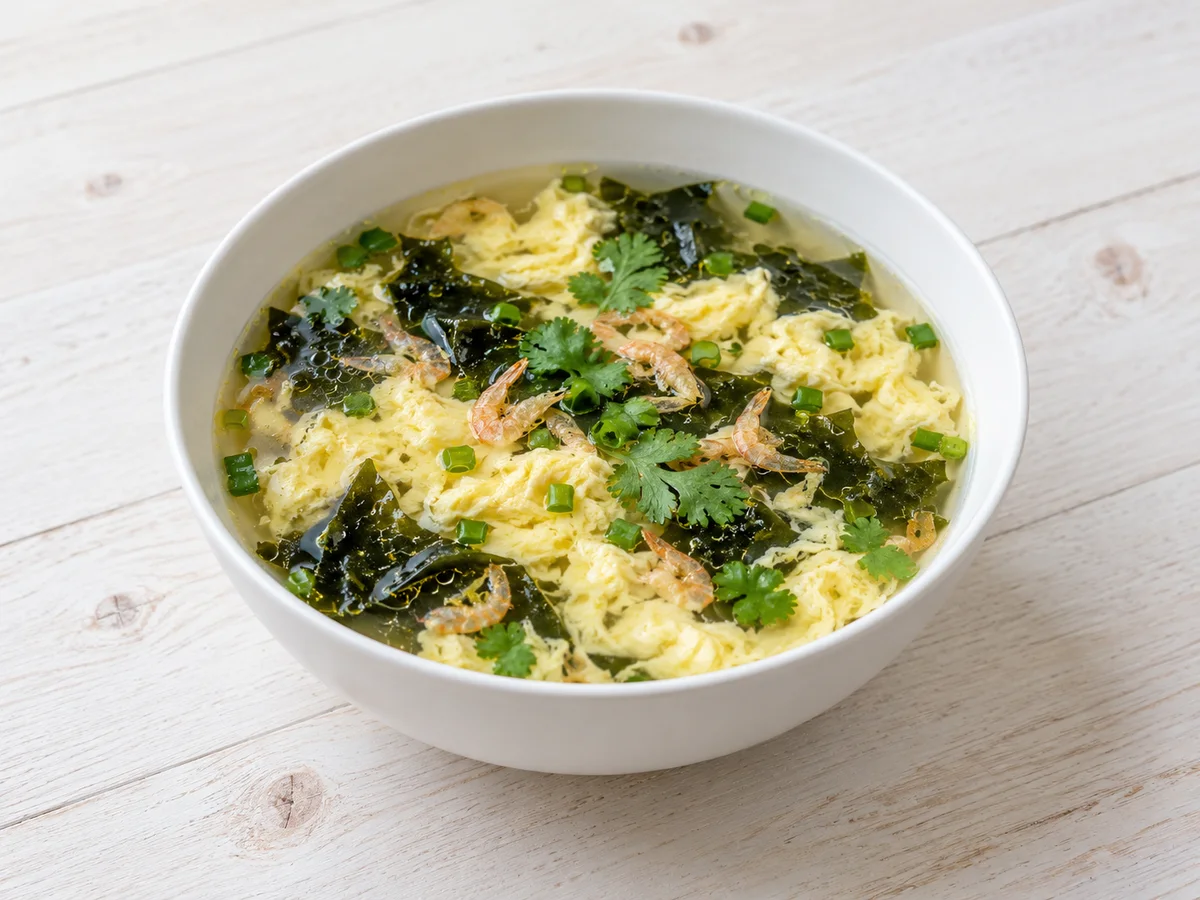
Beaten egg poured into hot broth to set in thin flowers, with seaweed and dried shrimp or tomato; China’s cheapest soup and an American Chinese staple since the early 1900s.
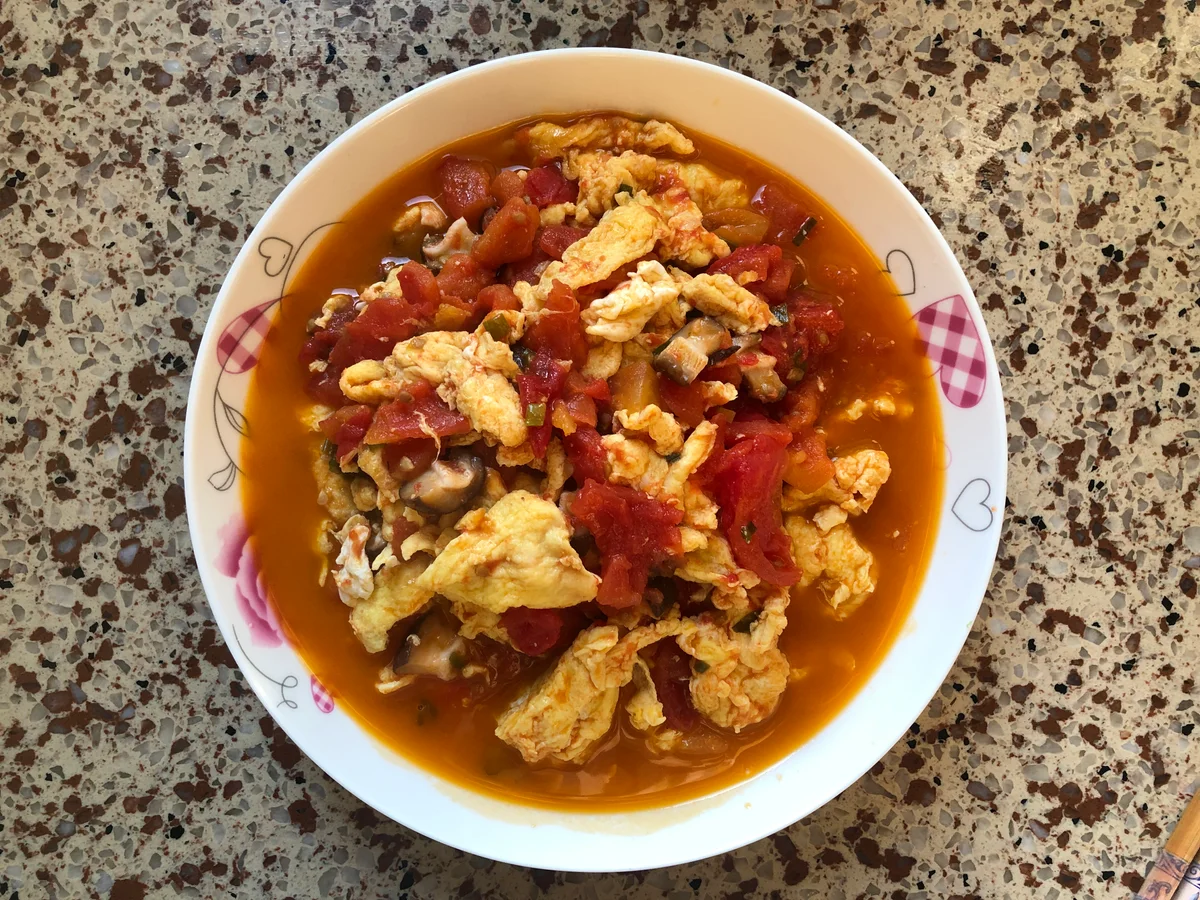
Soft scrambled egg and tomato cooked into a light red sauce over rice; the first dish many Chinese people learn, everyday only since tomatoes spread in the mid-20th century.
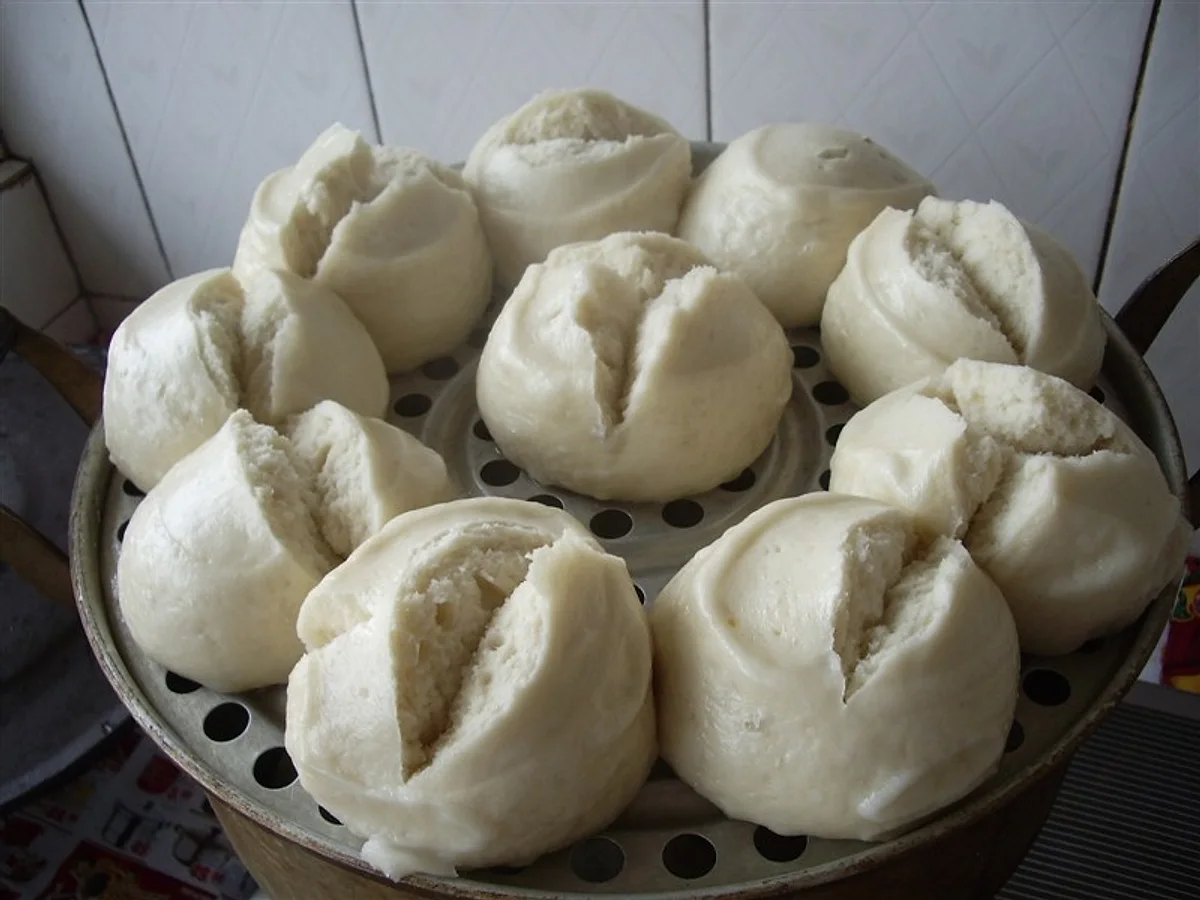
A steamed bun of risen wheat dough with nothing inside. Dense and chewy in Shandong, white, soft and often sweet in the south, and shaped into flowers and animals for New Year.
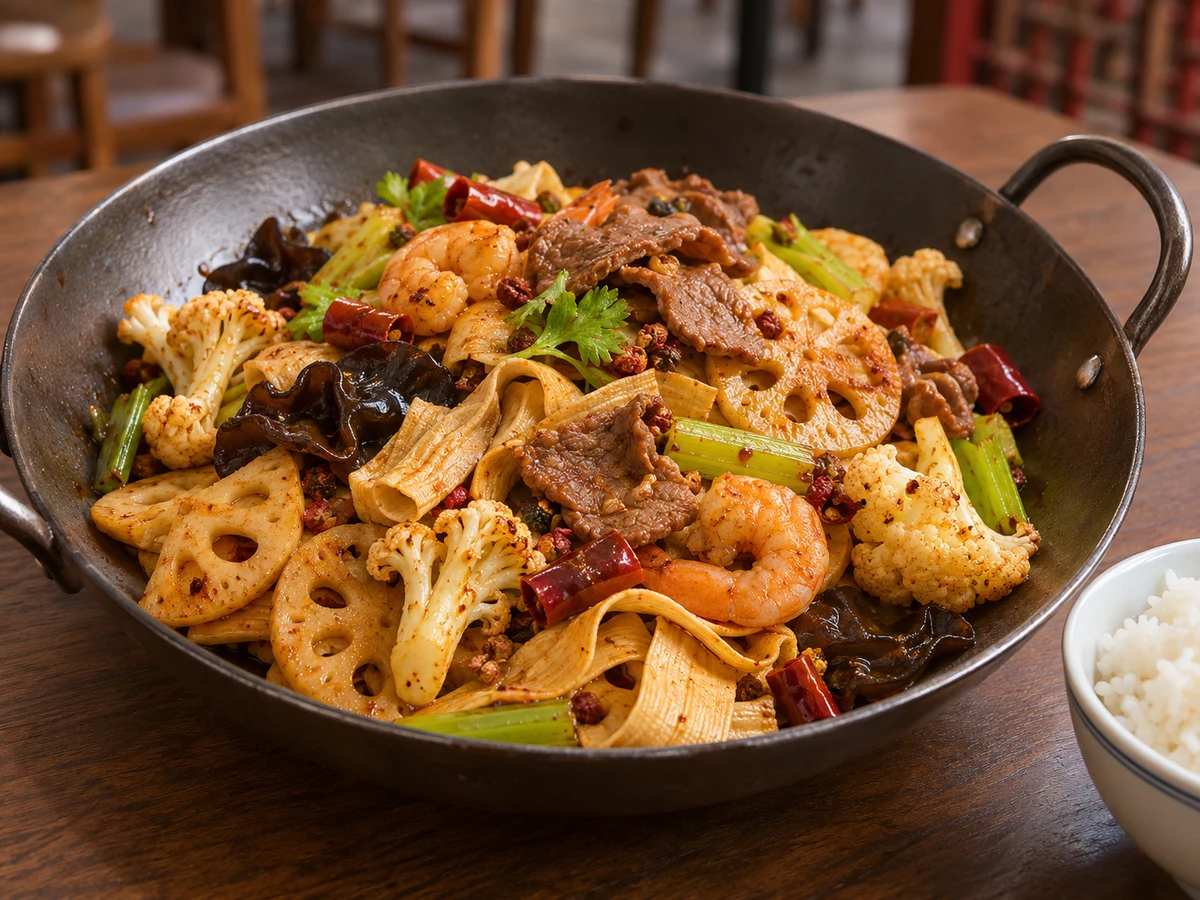
Pick vegetables, tofu, meat or seafood and have them tossed in a wok with dried chilies, Sichuan pepper and fragrant oil. Served ready to eat with rice.
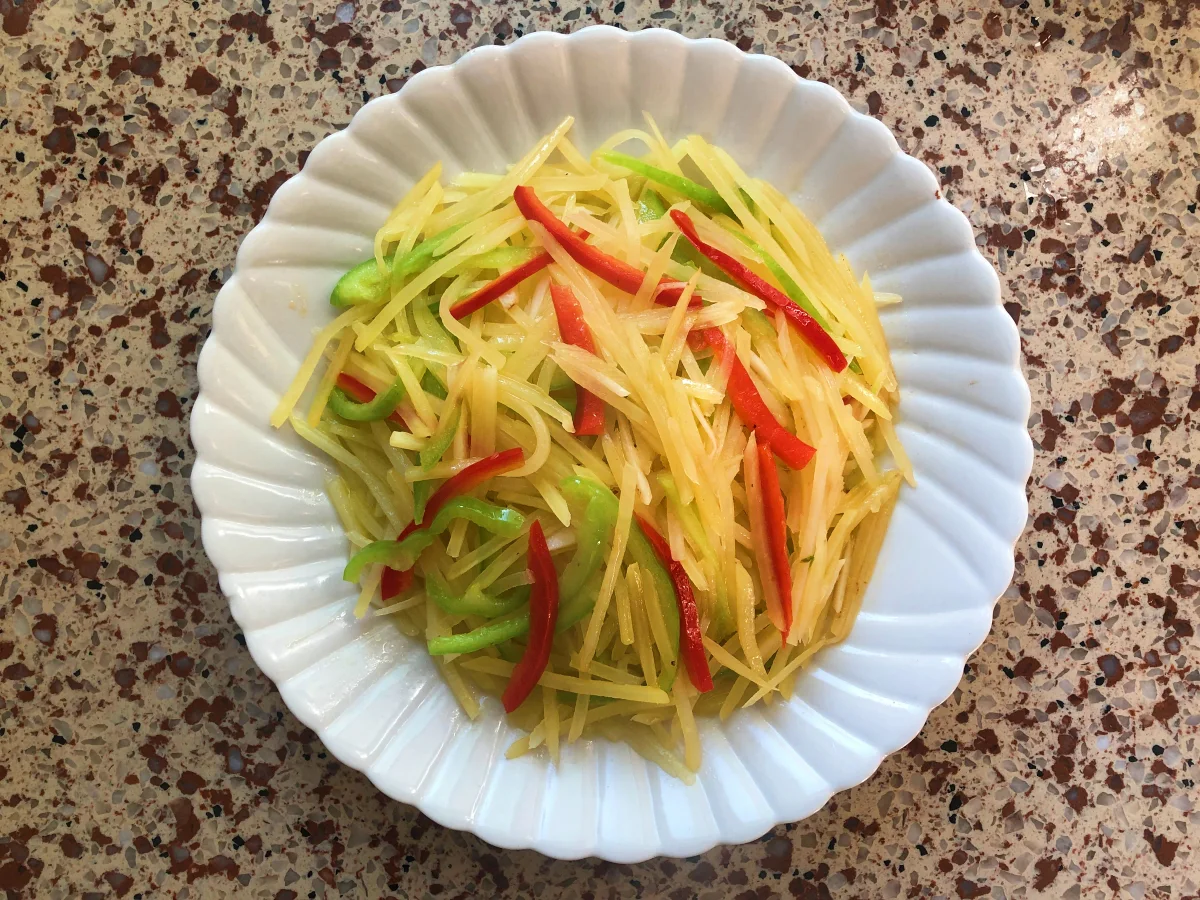
Potatoes cut into fine slivers and stir-fried for minutes so they stay crunchy: China’s everyday way with the potato.
Side by side
Jiaozi mark the New Year and winter solstice in the north; hot and sour soup has a place at a Fuzhou banquet. Milk tea and the other everyday staples fit different settings, from a breakfast table to a takeaway counter.
| Dish or drink | Usual setting | Festivals and occasions | What it costs |
|---|---|---|---|
| Jiaozi | An everyday meal in the north | New Year’s Eve at midnight, the fifth day of the New Year and the winter solstice; northerners say skip them at the solstice and your ears will freeze. Much of the south makes them only at New Year | 15 small boiled dumplings for 5 yuan at a Guangzhou neighborhood shop (2026) |
| Milk tea | Tea shops, cafés and breakfast tables | Cold bubble tea, Hong Kong café milk tea and hot salty milk tea are ordered in different settings | 6 yuan typical for Mixue pearl milk tea in mainland China (2025 prospectus) |
| Wonton | Breakfast to late night | No fixed festival; at a Chengdu snack banquet a bowl of Long Chaoshou holds just four, for tasting rather than filling up | 19 yuan for a large bowl of ten at Long Chaoshou, Chengdu (2022) |
| Chow mein | Lunch, late-night meals, takeaway | No season; a plate restaurants and canteens serve any day | From 6 yuan in a Xinjiang canteen to about 15 yuan in a restaurant (2022–2024) |
| Hot and sour soup | With boiled dumplings and guotie | Served halfway through a Fuzhou banquet to revive the appetite | 25 yuan for a clay-pot soup and five guotie at a Jiangnan shop (book published 2025) |
| Tea eggs | Breakfast and snacks | A pot sits at train stations and convenience stores all year | 1 yuan at a Henan breakfast stall, 5.5 yuan at KFC China (2022) |
| Egg drop soup | With everyday meals | Often a free urn in school canteens | About 2 yuan of ingredients for a big bowl of seaweed egg drop soup at home (2022) |
| Tomato and egg | Home meals and canteens | No season; the first dish many Chinese people learn to cook | Mostly made at home rather than bought |
| Mantou | Every meal in the north; breakfast or a side in the south | Steamed by the week before New Year in the north, and shaped into flowers, fish and peaches | A large flower roll 1.5 yuan in Beijing (2025); a three-jin bun 13 yuan in Qingdao’s Wanggezhuang (2026) |
| Mala xiang guo | Lunch or dinner with rice | A single bowl at a food court or one stir-fry shared at a table | 39.80 yuan per 500 g at one Beijing branch (2025) |
What belongs here
A dish goes in a regional guide when one place is clearly its home. It comes here when several regions eat it as their own, or when it is sold everywhere and its origin is disputed. The pages do not split China into north and south; they list the places that make a version worth knowing, as many as there are.
Every dish on the atlas, filtered by region, breakfast or street food.
Open the dish index → 02 · Morning tablesCity mornings from Wuhan’s guozao to Beijing douzhi, with opening hours and prices.
Explore Chinese breakfasts → 03 · NoodlesWheat in the north, rice in the south, and where lo mein and chow mein fit.
Read the noodle guide →