
01
Thin wrapper, little filling, plenty of broth
A wonton is mostly wrapper and broth: the filling is small, and the soup does half the work.
Wontons and jiaozi are both wheat dough around a filling, but they are built differently. A jiaozi wrapper is a round disc rolled for each dumpling, crimped shut around a generous filling, and the dumplings are eaten drained with vinegar. A wonton wrapper is a square cut from a large sheet rolled very thin, folded around a much smaller dab of meat, and the wontons are eaten floating in broth, which is why cooks talk about a good wonton soup rather than a good wonton.
Shanghai sums it up with a saying the food writer Shen Jialu quotes: “northern jiaozi, southern wontons.” But wontons are eaten everywhere. Liang Shiqiu, who grew up in Beijing, wrote that they were found “north and south alike,” and Shen lists the family’s cousins scattered across the country: chaoshou in Sichuan, yuntun in Guangdong, bianshi in Linhai in Zhejiang. Names can be confusing even inside China. Shen tells of a guest in a Shanghai restaurant who ordered “a clear soup” and was furious to be given a bowl of plain broth, until an old waiter recognized the accent and brought out wontons instead: in Poyang in Jiangxi, wontons are called 清汤, “clear soup.”
02
One wrapper, many names
What a wonton is called tells you roughly where you are.
Yuan Tingdong, a Chengdu historian, notes that the dish is made in most parts of China under different names and in much the same way. These are the names a traveller is most likely to meet on a menu.
| Name | Where | What to expect |
|---|---|---|
| 馄饨 huntun, big wontons (大馄饨) | Shanghai and Jiangnan | Pork with shepherd’s purse or bok choy; filling enough for a meal |
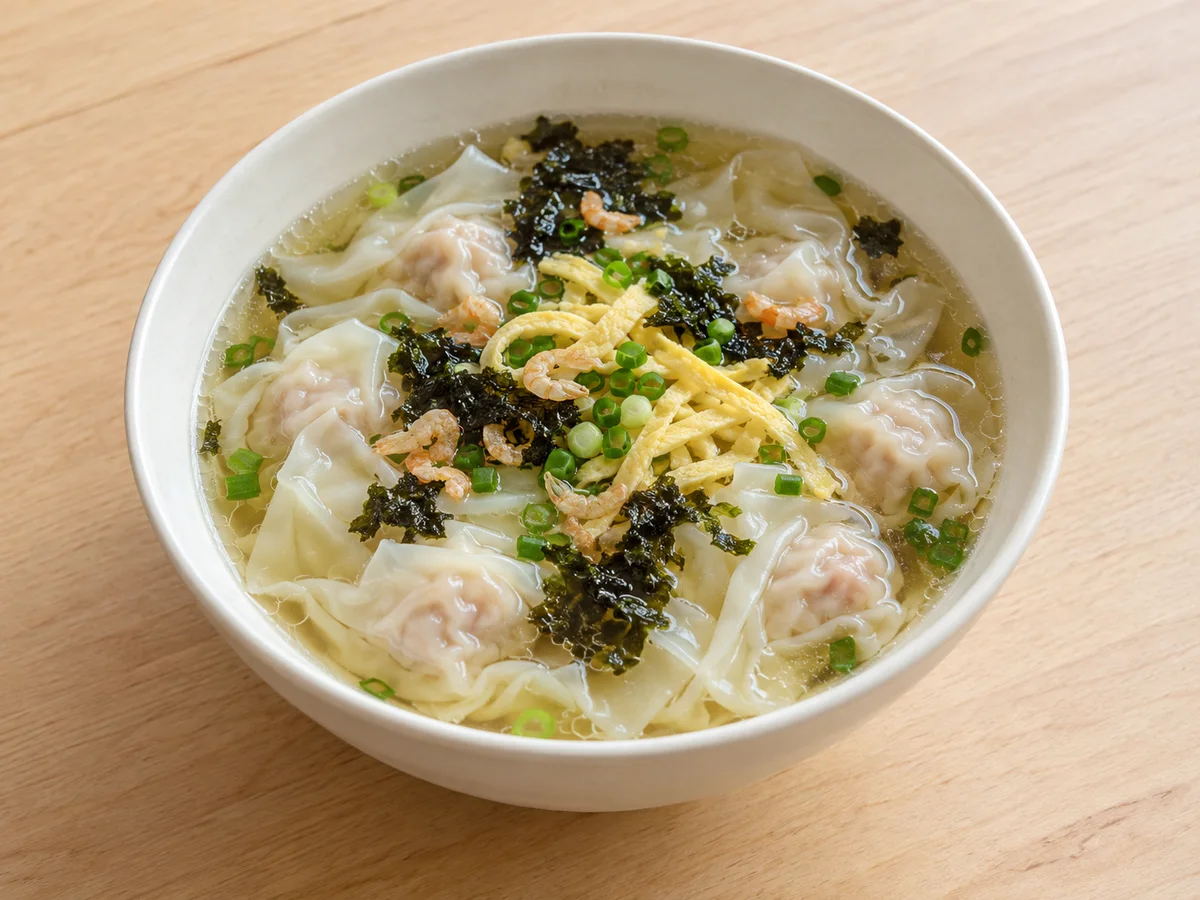
| 小馄饨 small wontons | Shanghai, Wuxi, Suzhou | Paper-thin wrapper, a smear of pork, clear broth with dried shrimp and egg strips |
| 云吞 yuntun | Guangdong and Hong Kong | Thin alkaline wrapper, pork and shrimp; broth of dried flounder; often with noodles |
| 抄手 chaoshou | Sichuan and Chongqing | Clear broth, red chili oil or dried chili; pork filling |
| 扁食 bianshi, 扁肉 bianrou | Fujian and coastal Zhejiang | Pounded pork, very thin wrapper |
| 清汤 qingtang | Poyang and parts of Jiangxi | The local word for wontons, not a plain broth |
| 馄饨 from a cart | Old Beijing | Bone broth, very little meat, many condiments |
03
Older than the jiaozi’s name
Wontons are among the oldest dumplings with a physical record.
The best evidence is not a text but a grave. Fuchsia Dunlop describes how, in the 1950s, archaeologists excavating Tang-dynasty tombs at Astana near Turpan in Xinjiang found completely dried-out wontons and a bowl of crescent-shaped jiaozi that looked just like the boiled dumplings eaten in northern China today. An eighth-century text, Dunlop adds, listed twenty-four kinds of wonton among the delicacies offered to the emperor. By the Tang, wontons, jiaozi and spring pancakes were all part of the snack repertoire.
The name has attracted stories. Liang Shiqiu thought it “a very odd name” and quoted the Song scholar Cheng Dachang, who reported that people said wontons were invented by two frontier clans called Hun and Tun; Liang added that the story was “not necessarily believable.” Shen Jialu cites the late-Ming writer Zhang Dai, who credited Shi Chong, a famously rich man of the Western Jin, and then notes that the records put wontons no later than the Han.
04
Old Beijing: the wonton cart and the restaurant stockpot
In Republican Beijing, wontons were street food, tavern food and restaurant food at once.
Liang Shiqiu remembered the hawkers who came through the lanes in the afternoon calling “wontons, the pot is open!” Their broth was made from bones boiled so long it turned cloudy and thick; the wrappers were thin and the filling so small you could barely taste the meat. What made the bowl was the seasoning: scallion, coriander, dried shrimp, preserved winter vegetable, soy sauce, vinegar and sesame oil, and finally black pepper shaken from a section of bamboo. Nobody else, Liang wrote, had the time to boil such a big pot of bones, so those wontons could not be had anywhere else.
Tang Lusun, another Beijing writer, places the same carts outside the city’s big wine-jar taverns. Drinkers would finish with a bowl of wontons, and only at those taverns, Tang noticed, did people say they would “drink” a bowl rather than eat one. Restaurants made a finer version. Liang’s local Shandong restaurant sold wontons and small buns in the morning, with a clear, deep stock, a few cubes of chicken blood and some pea shoots. The most famous belonged to Zhimeizhai, whose fried wontons Liang liked best of all: each was folded so its thin edges stood up like a nun’s white cap, fried slowly until golden, then steamed for a moment and brought to the table in the steamer, soft with a slight chew.
Tang Lusun also praised the chicken wontons of Xilaishun, and gave a rule for them: the quality is half the filling and half the wrapper. The chicken had to come from a freshly killed bird to be smooth, and the wrapper had to be rolled with a pin, because the machine-cut wrappers of noodle shops were too thin, though it must not be thick either.
05
Shanghai: big wontons for a meal, small wontons for pleasure
Shanghai treats its two sizes of wonton as two different dishes.
Shen Jialu calls big and small wontons “brothers who have shared hard times and good times,” different in size but equal in rank. Big wontons are for hunger: two bowls make a meal, and a dozen laid around a pot of old-duck soup turn it into a feast. Shanghai people’s favorite, Shen writes, is the big wonton filled with pork and shepherd’s purse, with a little bok choy chopped in because shepherd’s purse alone is too dry. The city government’s own guide describes the same filling and a clear broth of pork bones, chicken bones or ham, seasoned with salt and a spoon of lard, with scallion, strips of egg crepe and dried seaweed on top.
Small wontons are for pleasure. The best wrappers, Shen writes, used to be pushed by hand in shops run by people from Hubei until they were so thin you could read newsprint through them. Wrapped loosely around a smear of pork, they open in the bowl like goldfish tails; the style is called 绉纱, “crepe,” and the small wontons of Qiaojiazha in Laoximen were the ones Shen remembered best. Visitors from the north used to laugh at a city that sold grain coupons for half a liang; after a bowl of small wontons, Shen says, they stopped laughing.
Wontons were also a family occasion. In the years of shortage, wrappers had to be ordered from the rice shop in advance with money and grain coupons, children were sent to queue, and the first pot went to the grandparents and then to the neighbors. On the fifteenth night of the first month, old Shanghai ate wontons shaped like silver ingots, called “wealth wontons.” At night the chaipan wonton vendors came out, named for the scrap firewood they burned. The city guide says they were widely believed to have been brought by people from Anhui, carrying a stove, bowls, seasonings and a cash box on a pole, and newspaper advertisements show pork and vegetable wontons were a familiar menu item by the 1930s and 1940s. In 2022 a family shop in an old house on the city’s edge still cooked on a wood-fired earth stove, sold three small wontons for one yuan and took only cash.
The habit runs through the neighboring cities. In Wuxi, Zhang Jianping writes, the morning means xiaolongbao, noodles and wontons rather than Shanghai’s four breakfast kings; one tiny shop sold hand-pinched Anqing-style small wontons next door to a youtiao stall, so customers bought a fried stick while they waited and tore it into the bowl.
06
Guangdong: yuntun, shrimp and dried flounder
Cantonese yuntun gave the world its word for the dish.
A visitor from Suzhou in Republican Guangzhou, in an account collected by Zhou Songfang, found the city’s yuntun “very different from ours.” There were fish-skin yuntun, whose wrappers were made from pounded fish, egg-skin yuntun with egg worked into the dough, and chicken yuntun; fillings were char siu, pork or egg; and the broth was boiled from dried flounder, pork tail bones and dried scallops, “a perfect flavor.” Dried flounder is still the signature. In the steamed yuntun of Guangzhou’s dai pai dong, dried-flounder powder is what gives the filling its fragrance, along with pork three parts fat to seven parts lean, cut fine and then roughly chopped so it keeps some texture.
Cantonese wrappers are made with alkaline water, which makes them yellowish and springy; the ones used for steamed yuntun are about 8 cm square, folded corner to corner and then pinched at the sides. Guangzhou eats yuntun in soup, deep-fried, steamed and above all with thin egg noodles, which has its own page on the atlas. Because Cantonese restaurants dominated Chinese food abroad for a century, the Cantonese name became the English one, and the small shrimp-and-pork yuntun became what most of the world pictures as a wonton.
07
Sichuan: chaoshou in chili oil
In Chengdu the wonton is chaoshou, “folded hands,” and its most famous shop is not named after anyone.
Many famous Chengdu snack shops carry their founder’s surname, but Long Chaoshou does not. Yuan Tingdong explains that it was started in 1941 by Zhang Guangwu and several friends, who planned it in a teahouse and chose 龙, “dragon,” because in wartime it promised luck, like a dragon reaching water. It grew into the city’s best-known snack restaurant. The traditional standard Yuan describes is exacting: a wrapper thin enough to read a newspaper through, and pork stripped of sinew and pounded with the back of the cleaver rather than chopped with the edge. In its banquet form a bowl holds only four small chaoshou on a base of specially simmered stock, meant for tasting rather than filling up.
The everyday versions are bigger. In 2022 the main restaurant served large bowls of ten for 19 yuan in three styles: clear broth made from pork bones, red chili oil, and dry with ground chili, peanuts and sesame. Four people ate a spread of chaoshou, dan dan noodles at 13 yuan and other snacks for 103 yuan. Red-oil chaoshou are the ones Sichuan restaurants across China copy: boiled wontons tipped into a bowl of chili oil, soy sauce, a little sugar and garlic.
08
Making wontons at home
The two rules are a saltier filling than for jiaozi and a seasoned bowl waiting before the wontons are cooked.
Wonton wrappers are sold fresh in Chinese markets and supermarkets, in thicker squares for big wontons and very thin ones for small wontons. The method below is the Shanghai pork and vegetable kind, with the bowls set up the way many home cooks do it.
For about 40 big wontons: 300 g minced pork with some fat; 300 g shepherd’s purse or bok choy, or half and half; 1 egg; soy sauce, a little cooking wine, salt, white pepper, sesame oil; scallion and ginger; 40 wonton wrappers. For the bowls: light stock, salt or soy, lard or sesame oil, scallion, dried seaweed, a thin egg crepe cut into strips.
- 1. Prepare the greens
Blanch the greens for about 30 seconds, rinse in cold water, squeeze them hard and chop finely.
- 2. Season the meat
Mix the pork with the egg, soy, wine, salt, pepper, sesame oil, scallion and ginger, and stir in one direction until sticky. Season it slightly saltier than a jiaozi filling: the wrapper is plain and the wontons sit in broth.
- 3. Fold
Put a spoon of filling near one edge, roll the wrapper over it, wet the two ends and bring them together so the wonton looks like a small ingot or pillow.
- 4. Set up the bowls
While the water boils, put salt or a little soy, a dab of lard or sesame oil, seaweed and scallion in each bowl and pour in hot stock.
- 5. Boil
Drop the wontons into plenty of boiling water and cook until they float and the wrappers turn translucent, a few minutes for big wontons and well under a minute for small ones.
- 6. Serve
Lift them into the bowls, add the egg strips and some white pepper, and eat at once before the wrappers soften.
09
Wontons abroad
Outside China the wonton most people know is Cantonese, or something invented in America.
The wonton soup of overseas Chinese restaurants is the Cantonese model: small pork or pork-and-shrimp wontons in a light broth, sometimes with noodles or greens. Fuchsia Dunlop also points to a purely American offspring: deep-fried small wontons filled with cream cheese, called crab rangoon, which became as standard on American Chinese menus as sweet and sour pork balls in Britain. Neither the Shanghai big wonton nor the Sichuan chaoshou is common abroad, which is a good reason to order them in China.
Sources [6]
10
What wontons cost
Wontons are one of the cheapest hot meals in China.
In 2022 three small wontons still cost one yuan at a wood-fired wonton shop in Shanghai, while a bowl of ten chaoshou at Long Chaoshou’s main restaurant in Chengdu was 19 yuan.
| Where | What | Price |
|---|---|---|
| Wood-stove wonton shop, Shanghai, 2022 | Three small wontons | 1 yuan |
| Long Chaoshou main restaurant, Chengdu, 2022 | Large bowl of ten chaoshou, clear, red-oil or dry | 19 yuan |
| Long Chaoshou, Chengdu, 2022 | Chaoshou, noodles and snacks for four | 103 yuan |
| Home kitchen, Guangzhou style, 2022 | Ingredients for 40-odd steamed yuntun | 26 yuan |
11
More on the atlas
Related dumplings and bowls.
Wonton noodles
Guangzhou and Hong Kong’s yuntun with thin egg noodles.
Read about wonton noodles →Xiaolongbao
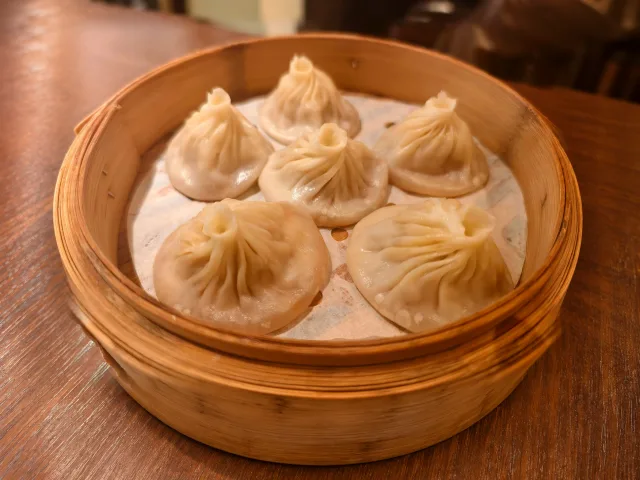
Shanghai’s soup dumplings, eaten in the same snack shops as wontons.
Read about xiaolongbao →Jiaozi
The northern dumpling, eaten drained with vinegar.
Read about jiaozi →Zhong dumplings
Chengdu’s sweet-and-spicy boiled dumplings, chaoshou’s neighbor.
Read about Zhong dumplings →Across China classics
- Jiaozi
Boiled, steamed or pan-fried dumplings · Everyday meals; New Year’s Eve in the north
- Chow Mein
Fried wheat noodles · Lunch, late-night meals, takeaway
- Hot and Sour Soup
Thickened soup · With dumplings, at banquets
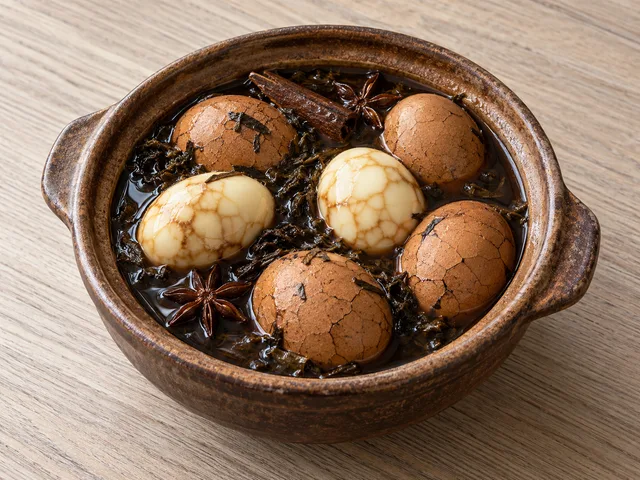
- Tea Eggs
Tea-marbled boiled eggs · Breakfast and snacks
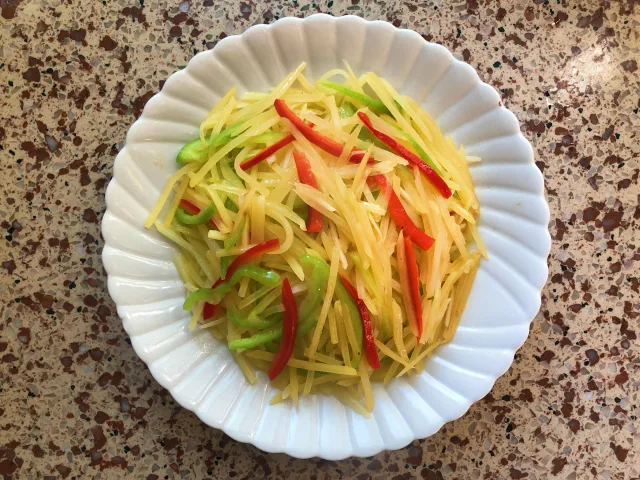
- Stir-Fried Shredded Potatoes
Stir-fried vegetable side dish · Everyday meals with rice
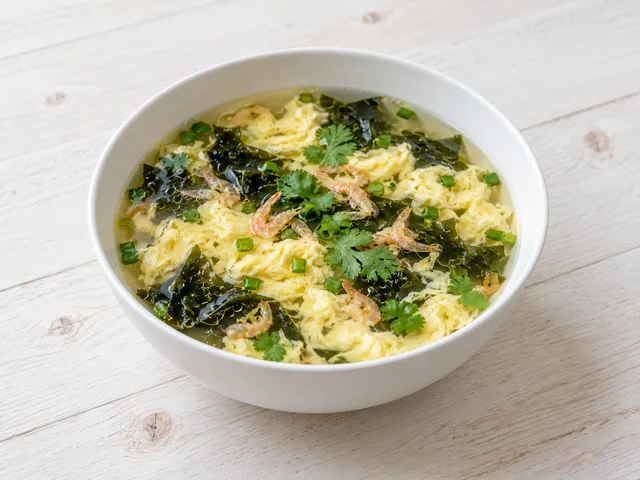
- Egg Drop Soup
Light egg soup · With any everyday meal
Dumplings and dim sum from other regions
FAQ
Questions about Wonton
What is the difference between wontons and dumplings (jiaozi)?
Wontons use a thin square wrapper with little filling and are eaten in broth; jiaozi use a round wrapper with more filling and are eaten drained with vinegar.
Why are wontons called different names?
Each region has its own word: huntun in Shanghai and the north, yuntun in Guangdong, chaoshou in Sichuan, bianshi or bianrou in Fujian.
Where does the English word wonton come from?
From the Cantonese name 云吞, yuntun, because Cantonese restaurants spread Chinese food abroad.
What are Shanghai big and small wontons?
Big wontons are a filling meal of pork and greens; small wontons have paper-thin wrappers and very little meat in clear broth.
What filling is most typical in Shanghai?
Pork with shepherd’s purse, with a little bok choy chopped in to keep it moist.
What are red-oil chaoshou?
Sichuan wontons tipped into chili oil with soy sauce, a little sugar and garlic.
What makes Cantonese wonton soup taste different?
Dried flounder in the filling or broth, shrimp in the filling and springy alkaline wrappers.
How old are wontons?
Dried wontons were found in Tang-dynasty tombs near Turpan, and texts place the word much earlier.
How long do you boil wontons?
Until they float and the wrapper turns translucent: a few minutes for big wontons, under a minute for small ones.
How much does a bowl of wontons cost?
From a few yuan at a neighborhood shop to about 19 yuan for a large bowl at Chengdu’s Long Chaoshou (2022).
Sources
Sources and further reading
- 1 Liang Shiqiu, Yashe Tan Chi (雅舍谈吃): the essay “Fried wontons” (in Chinese)China Women’s Publishing House (2019 edition)
- 2 Tang Lusun, Zhongguo Chi (中国吃): “More on eating in Peiping”, “Peiping’s own foods, again” and “Eating in Shanghai” (in Chinese)Guangxi Normal University Press (2017 edition)
- 3 Shen Jialu, Shanghai Lao Weidao (上海老味道), third edition: “Big and small wontons, each with its own job” and the chapters on the solar terms and on wild greens (in Chinese)Shanghai Culture Publishing House (2017)
- 4 Zhang Jianping and Gao Feng, Chichi Baixiangxiang (吃吃白相相): “The breakfast world” (in Chinese)Sichuan Literature and Art Publishing House (2025)
- 5 Yuan Tingdong, Yuan Tingdong Chuancai Yanjiu (袁庭栋川菜研究): “Why Long Chaoshou is not named after a Mr Long” (in Chinese)Sichuan Literature and Art Publishing House (2021)
- 6 Fuchsia Dunlop, Invitation to a Banquet, Chinese edition Jun Xing Shi (君幸食): the chapters on xiaolongbao and on sweet and sour pork (in Chinese)Shanghai Translation Publishing House (2024)
- 7 Zhou Songfang, Bufang Changzuo Lingnanren (不妨长作岭南人): Part Five, “Food first under heaven”, Republican-era accounts of eating in Guangzhou (in Chinese)Guwuxuan Publishing House (2022)
- 8 Pork and vegetable wontonsShanghai Municipal People’s Government, english.shanghai.gov.cn (2026) ↗
- 9 A Shanghai wonton shop on a wood-fired stove: three small wontons for one yuan, hand-rolled wrappers (video, in Chinese)Tian Diao Da Ya (甜掉大牙), Bilibili (2022) ↗
- 10 Guangzhou dai pai dong steamed wontons at home: dried flounder, alkaline wrappers and a quick rinse (video, in Chinese)Bu Dian Ge Ge (不点鸽鸽), Bilibili (2022) ↗
- 11 Eating at the main Long Chaoshou restaurant in Chengdu: clear-broth, red-oil and dried-chili chaoshou (video, in Chinese)Zhen Tan Tang Renjie (真探唐仁杰), Bilibili (2022) ↗
- 12 Chicken-broth wontons from the stock to the filling and the fold (video, in Chinese)Xiao Gao Jie (小高姐的魔法调料), Bilibili (2018) ↗
Last updated November 2026