
Read the room
Match the etiquette to the meal format and level of formality
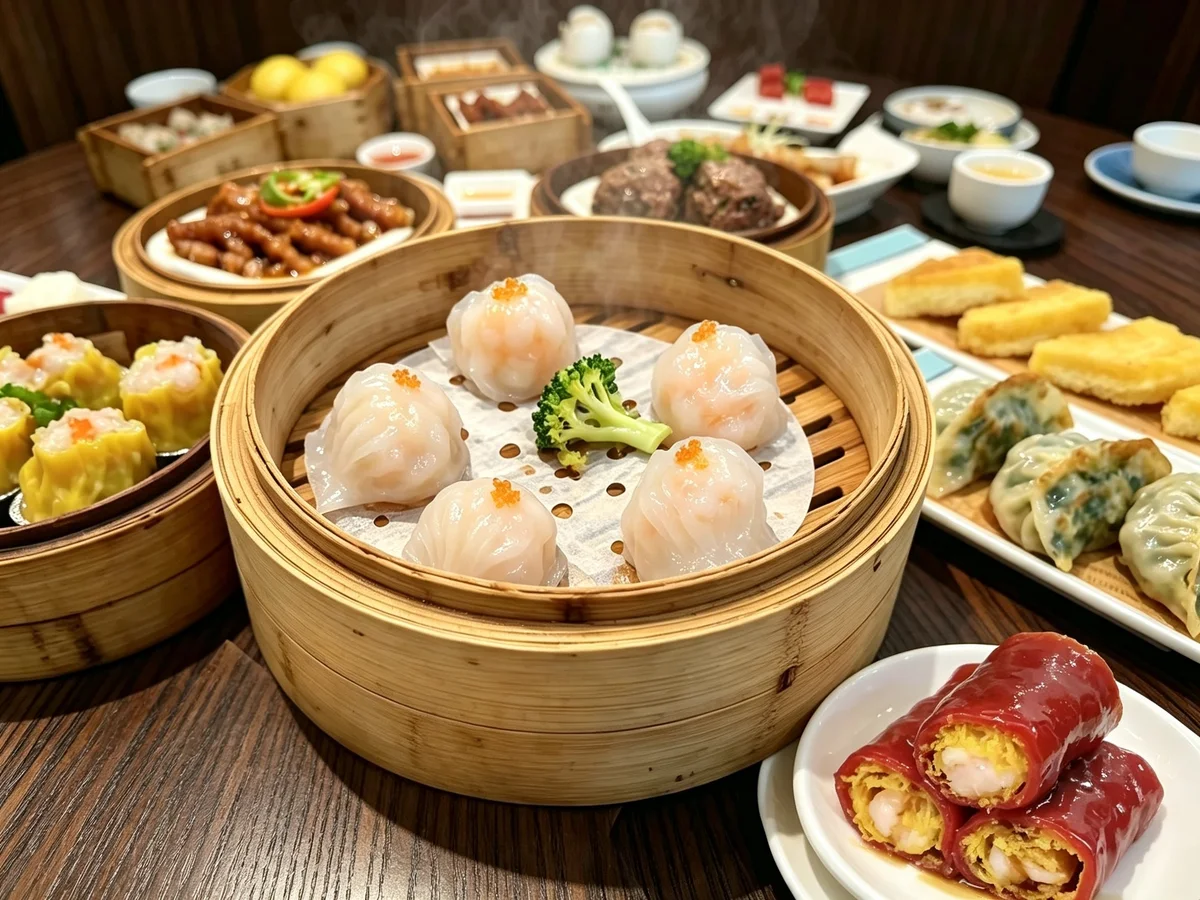
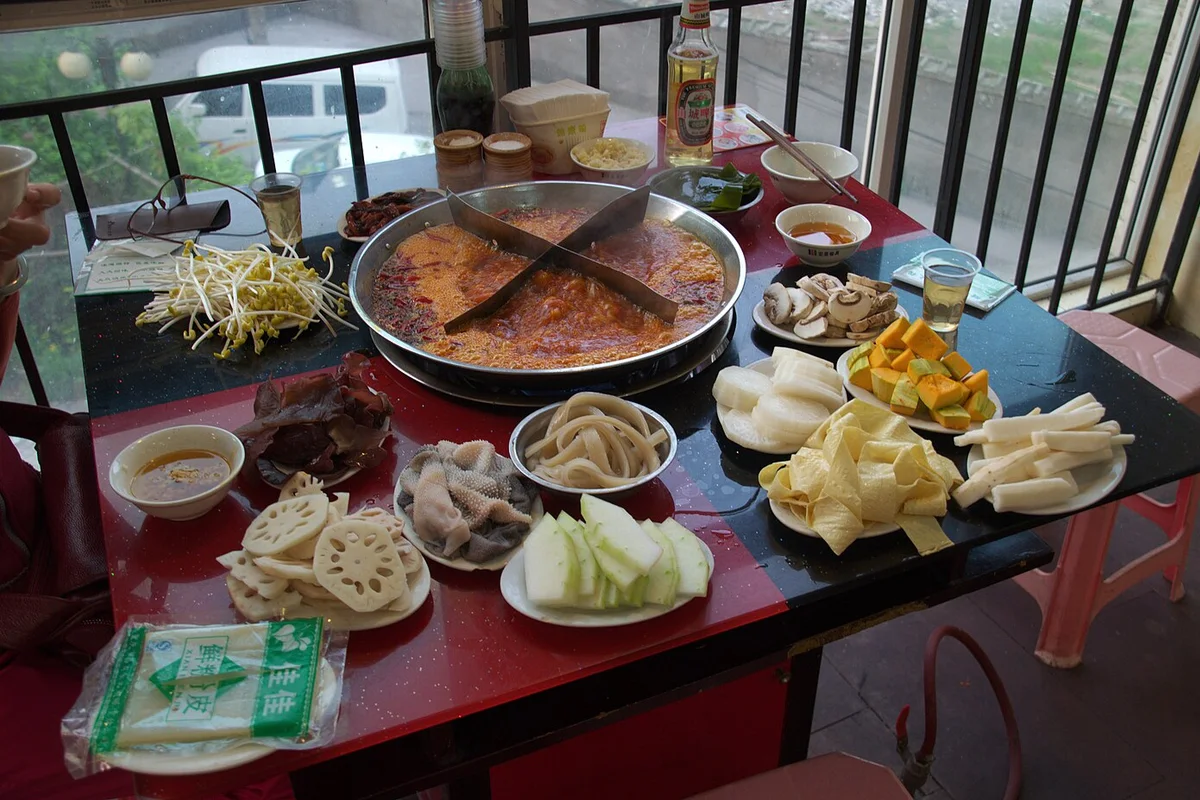
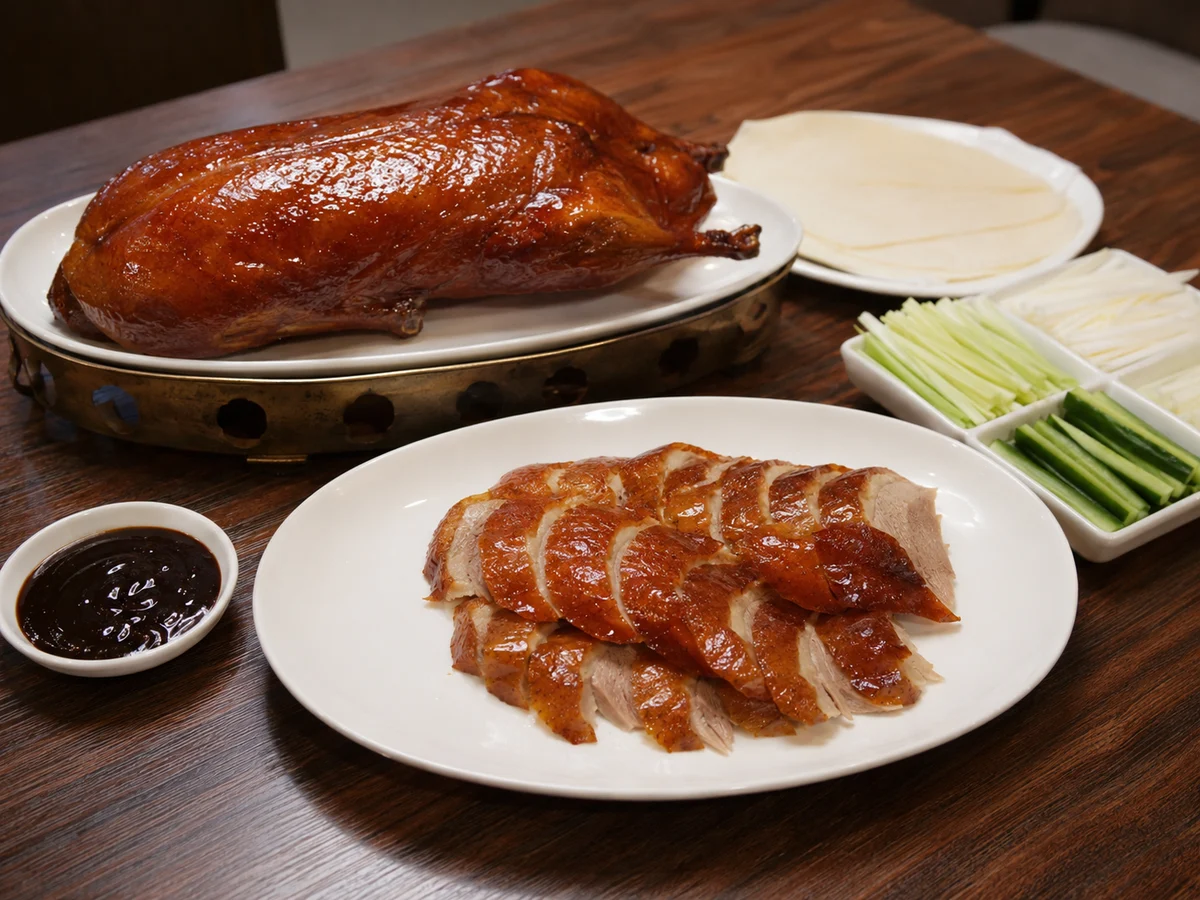
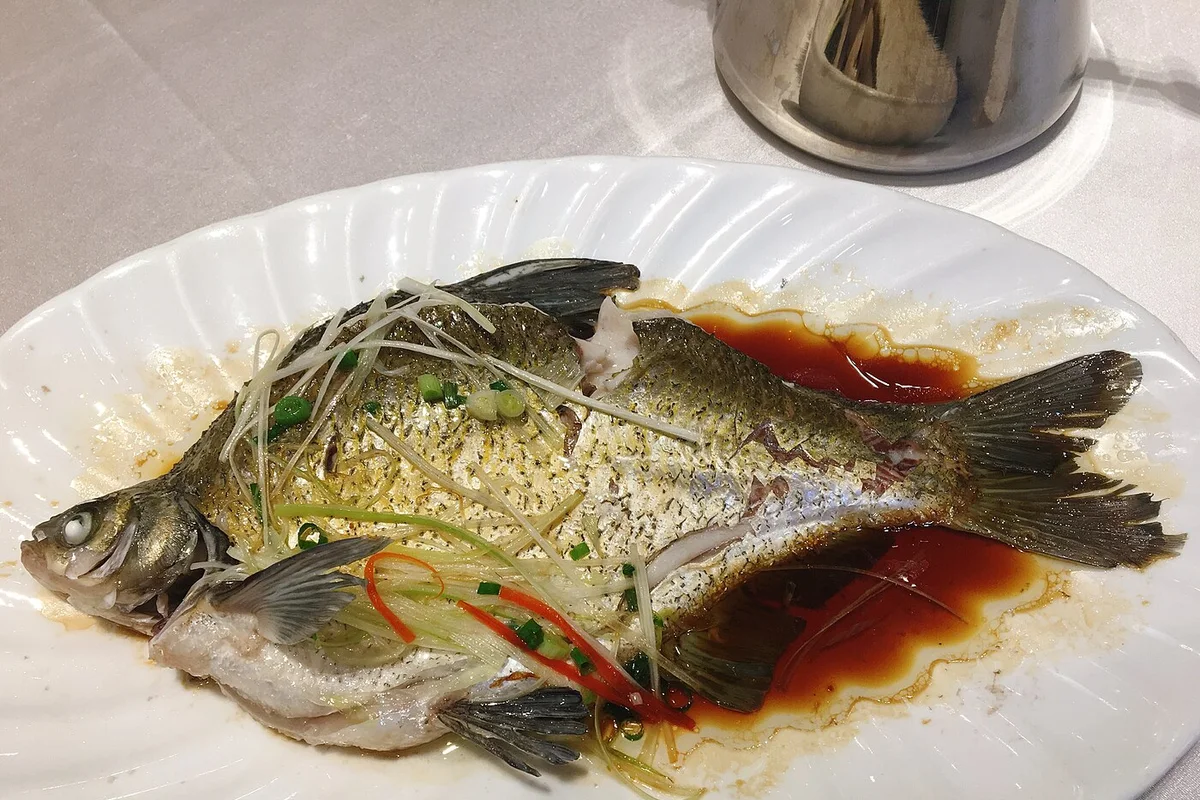
Use these foods to compare a tea house, banquet centerpiece and communal hot pot. The durable method is context, hygiene and clear communication—not a universal taboo list.
01
Read the occasion before applying a rule
Breakfast counters, family tables, formal banquets, yum cha and hot pot ask for different levels of ceremony.
At a formal meal, pause for the host to indicate seats, ordering and the start of service. At a casual lunch, seating may be entirely practical. Ideas such as an honored seat facing the entrance can matter in a particular banquet, but a visitor rarely needs to assign rank or debate who deserves that chair.
Ordering roles vary as well. One host may choose the entire table, friends may discuss every dish, while dim sum and hot pot often develop in rounds. Mention dietary restrictions early, then follow the rhythm already established by the host and staff. Local evidence is more reliable than a universal script imported from the internet.
QR menus, paper order cards, per-person tea charges, sauce stations and table timers belong to a restaurant’s service system rather than one national etiquette code. Ask who is placing the order, whether anything is charged per person, how to add dishes and where payment happens. A short operational question prevents duplicate orders and is more considerate than pretending to understand an unfamiliar system.
03
Prioritize serving utensils, raw-food safety and calm corrections
Hygiene and food safety matter more than elaborate symbolism.
Use 公筷, gōngkuài, or dedicated serving spoons when provided, and keep personal chopsticks out of communal dipping sauces. At hot pot, separate tools used to place raw meat from those retrieving cooked food; poultry, offal and meatballs need complete cooking. Roast duck, whole fish and dim sum may arrive with specialized utensils, which staff can explain without turning them into a test.
The useful chopstick rules are short: do not stand them vertically in rice, point at people, tap bowls or spear shared food when a serving utensil exists. If you accidentally pick up the wrong utensil, stop, apologize briefly and replace it. Treating an ordinary mistake as a cultural catastrophe only makes the table more uncomfortable.
04
Treat tea and toasts as communication, not performance
Attention to nearby diners is enough; visitors do not need to reproduce every regional gesture.
Pour tea for nearby diners when convenient and say thank you when someone pours for you. Finger tapping exists, but it is not compulsory. Refill signals vary by restaurant, so ask instead of assuming what an open lid means. At yum cha, staged ordering keeps steamed dishes hot and gives tea and conversation room to set the pace.
Accepting an invitation does not require drinking alcohol. Say 我不喝酒,以茶代酒—“I do not drink; I will toast with tea”—and use tea, water or another nonalcoholic drink. Let the host lead formal toasts, do not pressure anyone to finish a glass and do not demand an explanation for a refusal based on health, religion, driving or personal choice.
05
Order from real portion sizes and leave room for a second round
An abundant meal does not require covering every part of the table at once.
Ask how many diners each plate serves. A whole fish, full roast duck, hot pot or large stew may be the table’s only major anchor, while a breakfast counter or noodle shop may need just one complete item per diner. Three or four people can often begin with one anchor, one vegetable, one contrasting technique and an appropriate staple, then add after seeing the plates.
Too many hot dishes cool before anyone reaches them, and dim sum or hot pot works better in rounds. Packing substantial leftovers is normal in many everyday settings; refrigerate food promptly and reheat it safely. Avoiding waste respects the ingredients, cooks and actual appetites more than an untouched display of generosity does.
06
Let the invitation clarify payment
Who pays is shaped by the relationship and occasion, not one rule for every Chinese meal.
A person who clearly invited the group, a senior relative or an event organizer may plan to host. Friends and colleagues also split bills routinely. Offer sincerely once or clarify early, then respect the stated arrangement. If someone hosts this meal, a genuine thank-you and a future invitation are usually more comfortable than prolonged wrestling at the cashier.
Routine tipping is generally not expected in ordinary mainland Chinese restaurants, although international hotels, tours or venues with a posted service charge may differ. Read the bill and follow the establishment’s policy. Before leaving, gather personal belongings and thank the host and staff; that matters more than a theatrical argument over payment.
Quick-reference tool
Etiquette by situation, not one universal script
Formality changes the rule set; consideration remains constant.
| Situation | Useful behavior | What not to overthink |
|---|---|---|
| Casual noodle or breakfast shop | Order efficiently, keep the queue moving and manage your own bowl | Formal seating hierarchy |
| Family-style restaurant | Use serving utensils, take modest first portions and check before rotating the table | Memorizing every symbolic chopstick story |
| Business or formal banquet | Let the host guide seats, ordering and the first toast | Assigning rank yourself or debating the “best” seat |
| Yum cha | Order in rounds, eat steamed food promptly and handle tea naturally | Treating finger-tapping as compulsory theater |
| Hot pot | Separate raw and cooked tools and manage doneness by ingredient | Fishing through the broth or using personal tools for the whole pot |
| Meal with friends | State restrictions and bill plans early; pack excess food when useful | A prolonged public struggle over the check |
Serving utensils, food safety, personal boundaries, access and avoiding waste matter more than obscure customs. Follow the host or ask staff when practice differs.
Field method
How to act naturally at a semi-formal dinner
A local colleague is hosting eight people at a round table. The visitor does not know the seating relationships and does not drink alcohol. The useful goal is reducing friction, not displaying memorized etiquette.
Worked example
Worked example: a visitor at a semi-formal dinner
A local colleague is hosting eight people at a round table. The visitor knows no one’s seniority and worries about making a mistake.
- Step 1 · Arrival
Wait for the host to indicate a seat and mention dietary restrictions privately before ordering begins.
- Step 2 · Sharing
Use the serving chopsticks, take a modest portion and wait before rotating the lazy Susan.
- Step 3 · Tea and toast
Thank the pourer, follow rather than initiate formal toasts and choose a nonalcoholic drink if preferred.
- Step 4 · Departure
Let the inviter settle the bill if clearly hosting, express thanks and support packing substantial leftovers.
Nothing here requires theatrical expertise. The visitor succeeds by reducing friction and following the people responsible for the meal.
FAQ
Frequently asked questions
Should I wait for the host before eating?
At a formal meal, yes. At a casual table, follow the people around you and the arrival of the food.
Can I use my own chopsticks in a shared dish?
Use serving chopsticks or utensils when provided. If none appear, follow the table’s practice or ask for 公筷.
Do people tip in Chinese restaurants?
Routine tipping is generally not expected in mainland China, though international hotels and specific service settings may differ.
How many dishes should a group order?
There is no universal formula. Ask about size, begin with a balanced table and add more only when needed.
Sources
Sources and further reading
These sources support the food names, regional context, techniques and dining practices used in this guide. Individual restaurants, households and cities still vary.