
Follow the material
Read tofu through water, pressure, skin, frying and fermentation
The linked dishes show tofu behaving as several materials rather than one substitute ingredient. Start with texture and production, then choose the cooking method.
01
Fresh tofu begins with coagulation and retained water
Soft and firm are not quality rankings; they are structures built for different cooking tasks.
Soybeans are soaked, ground, heated and filtered into soy milk, then set with gypsum, brine salts or other approved coagulants before draining and pressing. Coagulant affects mineral composition and fine texture, but firmness also depends on solids, temperature, agitation and pressure. The familiar “gypsum in the south, brine in the north” shorthand describes a historical tendency, not every modern producer.
Silken and tender tofu retain more water and suit cold dishes, steaming, tofu pudding, gentle soup and sauced dishes where the curd should yield to a spoon. Firm northern-style tofu is stable enough to pan-fry, deep-fry, stuff or braise. Judge each against its purpose: tender tofu should be smooth rather than rubbery, while firm tofu should hold together without becoming dry and chalky.
02
Separate pressed tofu from tofu skin and dried sticks
All come from soy, but they are not a single block cut into different shapes.
Dougan is pressed drier for a dense, sliceable chew and may be braised, smoked or seasoned. Qianzhang and baiye often describe pressed sheets, although regional naming and thickness vary. One English label such as bean-curd sheet can therefore hide products with different structures.
Fupi, youpi and fuzhu usually come from the film formed on heated soy milk. Fresh sheets can be folded or rolled; fuzhu is dried in sticks and rehydrated for cold dishes, braises and hot pot. Ask whether the item is a thin pressed sheet, dense tofu or layered fuzhu when the translation says only tofu skin.
03
Freezing and frying redesign the pores
These treatments change absorption, crust and cooking tolerance—not merely flavor.
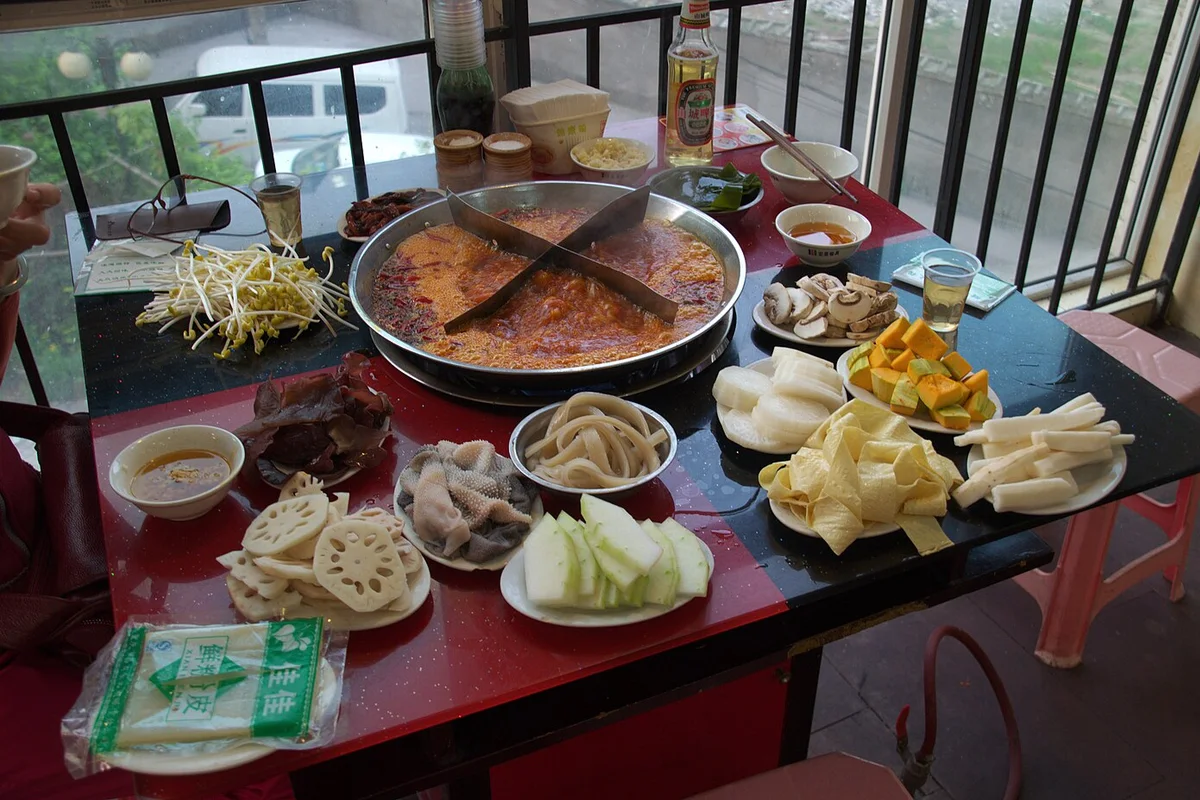
Water forms ice crystals inside frozen tofu and leaves a honeycomb after thawing, making it useful in northeastern stews and hot pot. Fried tofu develops a shell and airy center that can be stuffed or simmered. Both absorb salt, oil and chilli from a concentrated broth quickly, so “good at soaking up flavor” does not mean light.
Pan-fried tofu relies on a dry surface, stable pan heat and careful turning to create a coherent crust while the center stays tender. Judge the intended result: a fresh crust without tearing, frozen tofu that remains springy rather than crumbling, and fried tofu without stale-oil aroma. Greater hardness is not a universal sign of quality.
04
Furu, stinky tofu and mao tofu are different fermentations
They function as concentrated condiment, cooked snack and mold-ripened regional specialty.
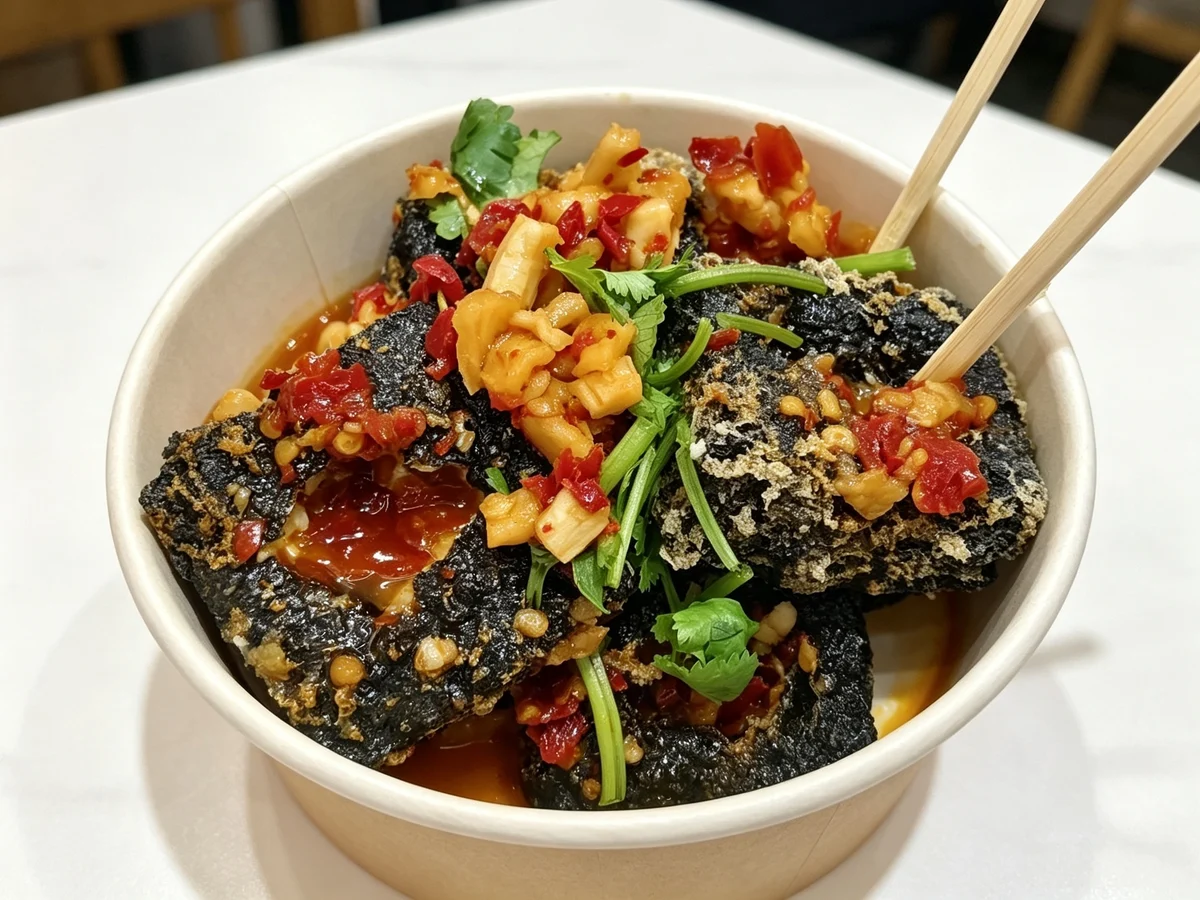
Furu is inoculated, fermented, salted and matured into small intense cubes. White, red-yeast and chilli-seasoned styles may accompany congee or season sauces and marinades. Changsha stinky tofu belongs to a separate brining and frying tradition, where pungent aroma, dark crisp shell, porous center and chilli-garlic dressing form the finished snack.
Anhui mao tofu develops controlled surface growth before pan-frying or further seasoning. Controlled fermentation depends on known cultures, salt, time and storage; it is not permission to treat random spoilage as desirable. Buy from reliable producers, follow refrigeration instructions and reject unexpected package swelling, mold color or an aroma clearly outside the product’s normal range.
05
Judge a tofu dish by its intended texture
There is no single luxury texture that every tofu preparation should imitate.
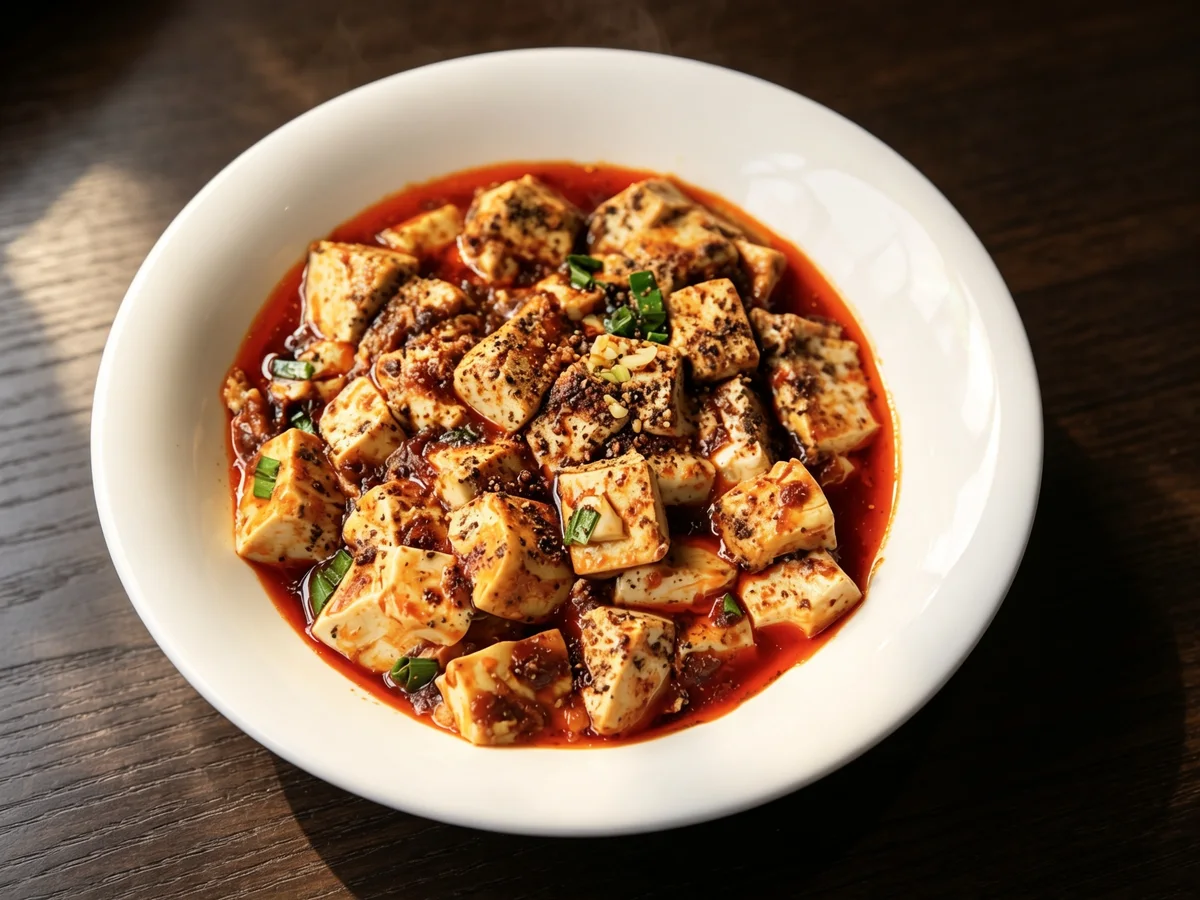
Mapo tofu should keep tender cubes sufficiently intact to spoon while carrying fermented bean paste, Sichuan pepper and often minced meat. Cold tender tofu should taste clean and avoid excessive weeping; fried tofu needs a newly formed crust and a center that is not dry; fuzhu and frozen tofu in hot pot should cook through, absorb broth and remain recognizable.
Decide whether the meal needs silky, crisp, dense, layered, porous or fermented tofu. A cold tender plate can lighten a roast-heavy table, while pressed tofu adds chew beside a soft stew. If the meal already contains several fried anchors, tofu does not need to become another one. Texture is a real ordering role, not a symbolic health claim.
07
Separate vegetarian status, allergy and storage safety
The soybean is plant-based; the dish, sauce and kitchen may not meet a diner’s restriction.
Traditional mapo tofu commonly includes minced beef or pork. Stuffed tofu may contain pork or seafood, homestyle tofu may use meat stock, oyster-sauce tofu contains shellfish-derived seasoning, and hot-pot tofu may enter an animal broth. Vegetarian diners need to check minced meat, stock, lard, oyster sauce and dried shrimp rather than asking staff to remove visible pieces after cooking.
Soy is a major allergen, and fermentation or frying does not remove that risk. Soy sauce may also contain wheat, while peanuts, sesame and shared oil require separate discussion. Fresh high-moisture tofu is perishable and should remain refrigerated and be used within its labeled period. Vegetarian, gluten-free, allergy-safe and still-fresh are four distinct judgments.
Quick-reference tool
Match tofu texture to cooking task
Water content and structure predict what the kitchen can ask the tofu to do.
| Form | Best-suited techniques | Quality clue |
|---|---|---|
| Silken / very soft | Cold dishes, douhua, steaming and gentle soups | Smooth set and clean soy flavor without rubberiness |
| Soft tofu | Mapo-style saucing, thick soups and careful braising | Tender cubes carry sauce without disappearing when spooned |
| Firm tofu | Pan-frying, deep-frying, stuffing and braising | Stable structure with a center that is not dry or chalky |
| Pressed / dried tofu | Slicing, shredding, stir-frying and cold dishes | Concentrated chew without hardened edges |
| Qianzhang / baiye | Rolling, shredding, hot pot and braising | Intact sheets with thickness and resilience suited to the dish |
| Fupi / fuzhu | Cold dishes, rolls, braises and hot pot | Distinct layers; fully rehydrated but still resilient |
| Frozen / fried tofu | Hot pot, stews and stuffed preparations | Even pores, no stale-oil aroma and enough structure after soaking |
| Furu | Congee accompaniment, sauce and marinade | Assertive but clean fermentation, normally used sparingly |
Tofu does not make the finished dish vegetarian. Minced meat, meat stock, lard, oyster sauce and dried seafood must be checked at dish level.
Field method
Apply the distinctions to one real table
This example solves one concrete problem: give a vegetarian diner a complete dish while using tofu to add a texture the shared meal actually needs.
Worked example
Worked example: four diners have roast duck and greens; one is lacto-ovo vegetarian
The table already has crispness, fat and a fresh vegetable. It needs softness or a cool element, not another fried centerpiece.
- Step 1 · Define the tofu’s role first
Look among cold tender tofu, steamed tofu or another naturally gentle preparation instead of choosing a dish only because its English name says tofu.
- Step 2 · Ask for a naturally suitable dish
Prefer a preparation that is normally made without minced meat or animal stock rather than dismantling a signature meat-based tofu dish.
- Step 3 · Verify seasoning and shared service
Check oyster sauce, lard, chicken or bone stock, then use serving utensils and keep duck and duck sauce away from the vegetarian plate.
- Step 4 · Change dishes when adjustment is unreliable
If the kitchen cannot verify the sauce or the signature depends on meat flavor, choose a different dish that is vegetarian by design.
The final choice meets the dietary restriction and improves the table, rather than treating the word tofu as proof of safety.
FAQ
Frequently asked questions
What is the difference between silken and firm tofu?
Silken or tender tofu retains more water and breaks softly; firm tofu is pressed more and survives frying, braising and vigorous simmering.
Is tofu skin the skin of a tofu block?
Not usually. Fupi and fuzhu are made from the film that forms on heated soy milk, then used fresh or dried in sheets and sticks.
Is mapo tofu vegetarian?
Traditional mapo tofu usually contains minced meat and may use animal-based stock. Vegetarian versions exist but should be confirmed explicitly.
Sources
Sources and further reading
These sources support the food names, regional context, techniques and dining practices used in this guide. Individual restaurants, households and cities still vary.
- Heqiao dried tofu: pressing, shaping and slow braisingWuxi Municipal Government ↗
- Soybeans and the many forms of tofuShanghai Information Office ↗
- Fermentation and microbial community of traditional huase sufuFrontiers in Microbiology via PubMed Central ↗
- Traditional and modern Chinese soy foodsAsia Pacific Journal of Clinical Nutrition ↗