
Give dishes jobs
Choose one anchor, one contrast, one vegetable and the right staple
The linked foods are examples of roles, not a mandatory menu. Build enough contrast for the group, check real portion sizes and leave room to add later.
01
Give every dish a role before ordering
Anchor, contrast, vegetable, soup and staple reveal repetition more clearly than cuisine labels.
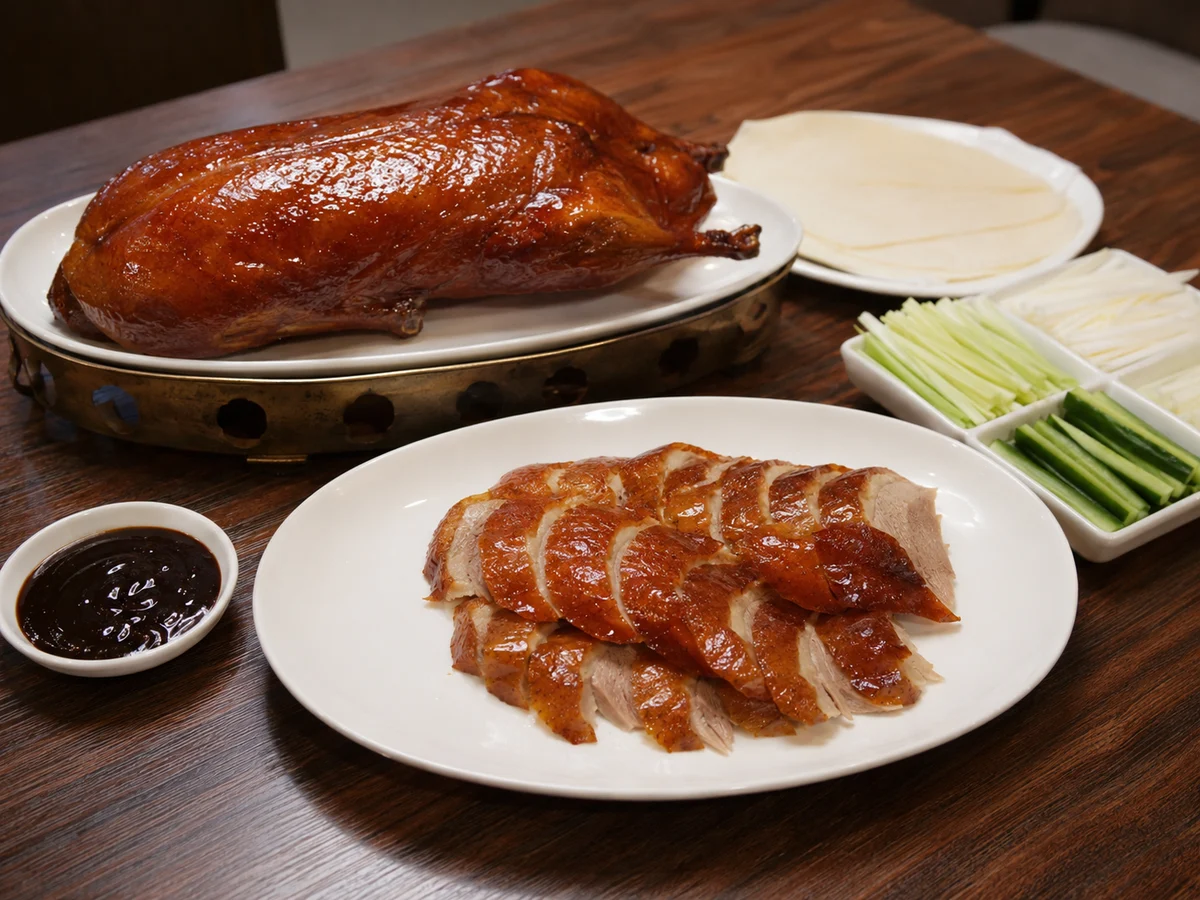
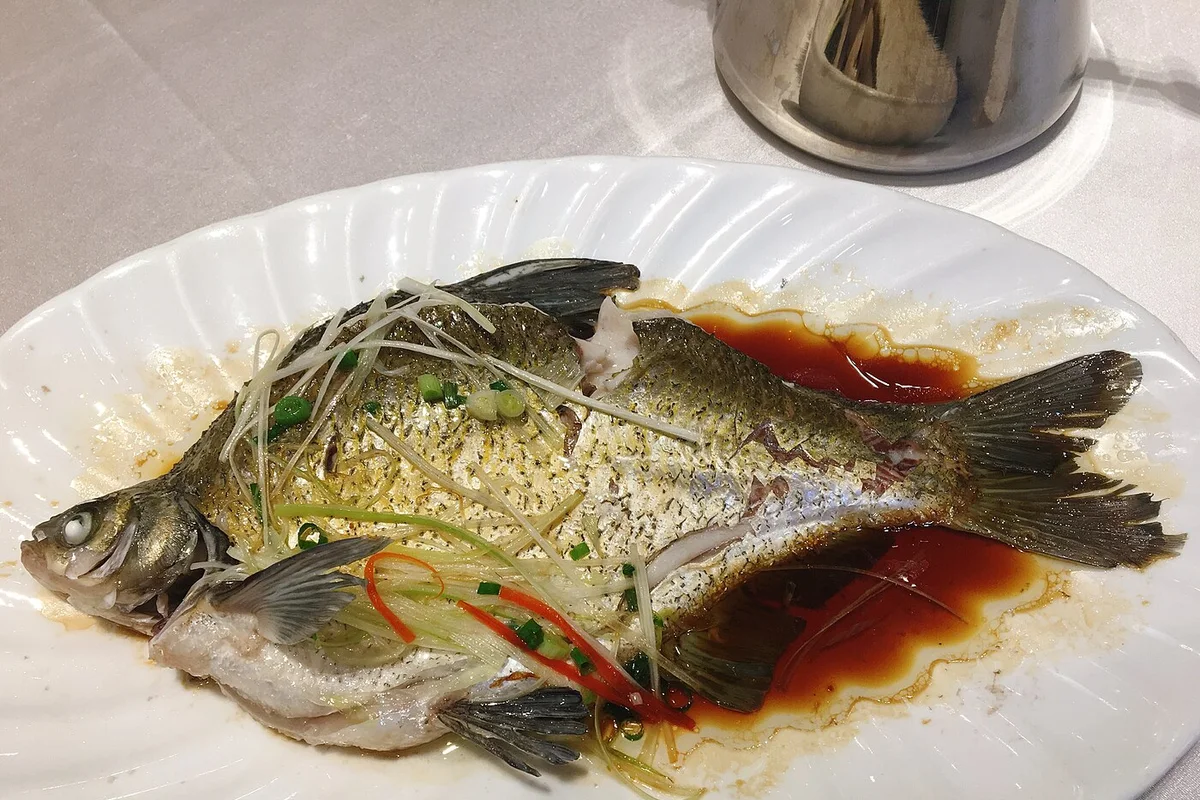
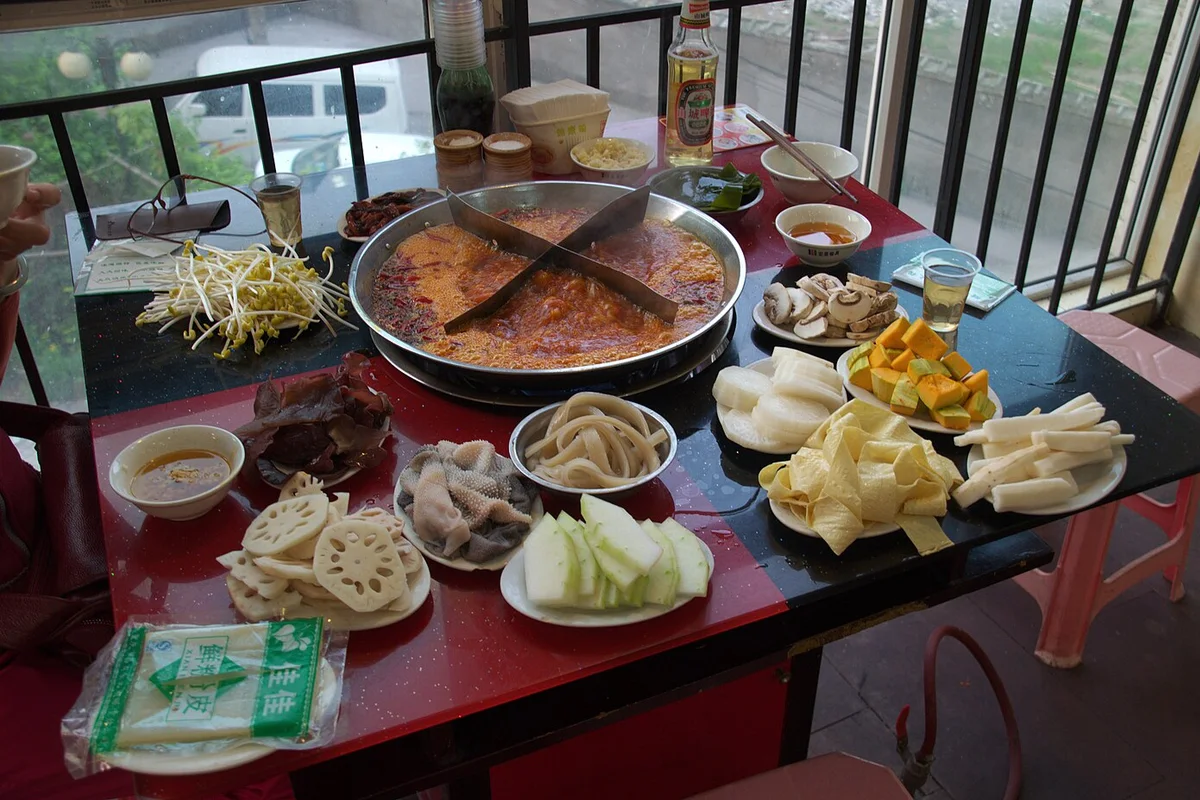
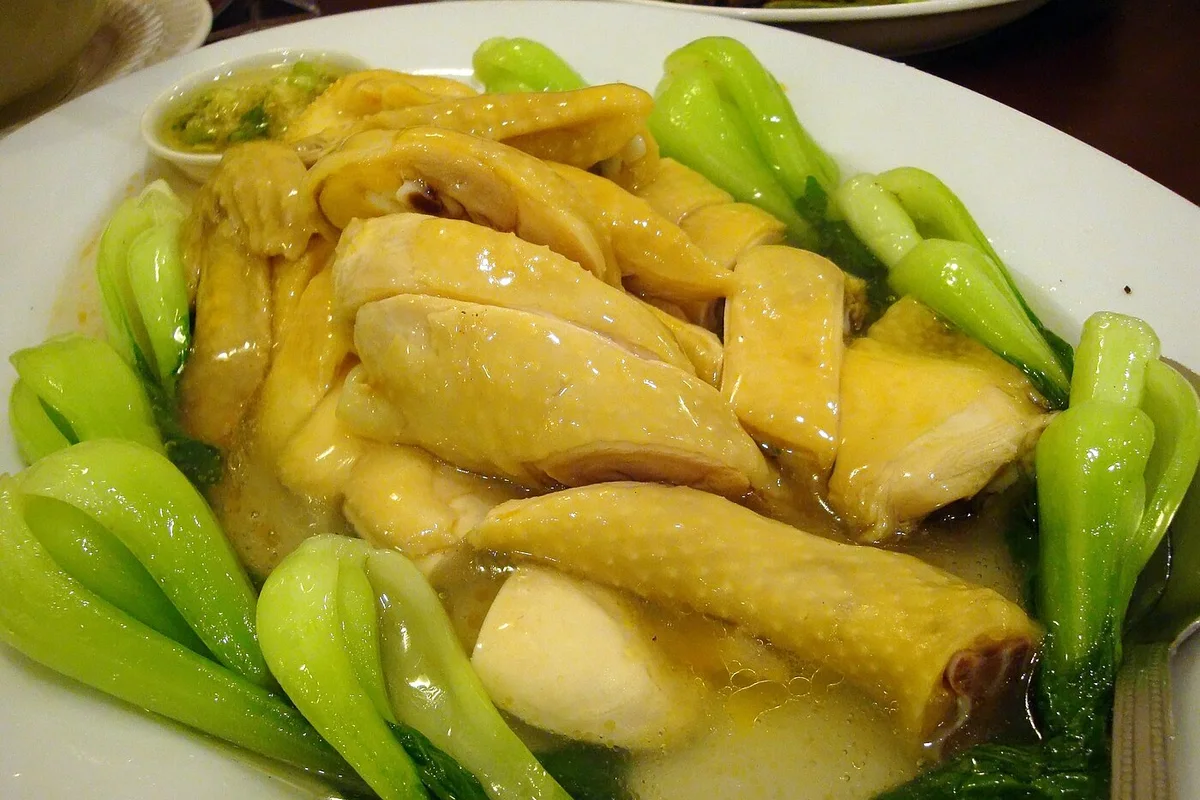
An anchor can be a whole fish, roast duck, hot pot, chicken, duck or a large signature stew. Three or four diners usually need one. A contrasting dish changes temperature or texture, vegetables provide freshness, soup or a cold plate changes pace, and the staple carries sauce and satiety.
Two sweet-glazed fried dishes or three pork dishes in heavy sauce repeat the same job even if their names differ. Read the draft order by role and remove one duplicate; adding more dishes rarely fixes repetition.
02
The number of diners is not the number of dishes
Restaurant format, anchor size and included staples matter more than a formula.
Two diners can start with one main, one vegetable and a staple. Four can begin with one anchor, a vegetable and one contrasting dish, then decide whether soup or another staple is needed. A second large protein becomes more useful for six or more only after accounting for portion size.
Dim sum, noodles, snacks and hot pot need different units. Dim sum comes in small orders that can be repeated; noodles and rice noodles are often personal staples; several thin-looking hot-pot meat plates become filling in aggregate. Ask for size and piece count.
03
Order about seventy percent first, then add from evidence
A second round respects appetite and real portions; it is not stinginess.
Let the anchor and two or three supporting dishes arrive, then look at plate size, eating pace and what the table actually enjoys. If more is needed, add a staple, vegetable or house recommendation rather than filling every imagined gap at the start.
Order slow roast duck, whole fish and stews early, then add quick cold dishes and vegetables later. Minimum-spend or banquet settings may require adjustments, but smaller portions and takeaway can still be discussed. Use the second round to fill a missing role: sauce calls for a staple, an overly rich table calls for greens, and a need for warmth may call for soup. Do not introduce another large centerpiece by default.
04
Leaving space, packing food and declining pressure are dining skills
Hospitality does not need to be proved through waste.
A host can show care by choosing well, respecting restrictions and managing the table without producing impossible quantities. Pack suitable leftovers only when they can be chilled promptly and reheated safely; seafood, cold dishes and food held at room temperature need special caution.
If someone keeps urging you to eat, thank them and say you are full. Sharing gives everyone access and choice; it does not require equal portions of every dish or ignoring physical limits to show respect.
Quick-reference tool
Edit the table by role
A dish-count rule cannot see plate size or restaurant format. This grid can.
| Role | Question | Examples |
|---|---|---|
| Anchor | What best represents this kitchen? | Whole fish, roast duck, braise, hot pot or one signature stir-fry |
| Contrast | What changes texture, temperature or richness? | Cold cucumber, steamed tofu, blanched greens or clear soup |
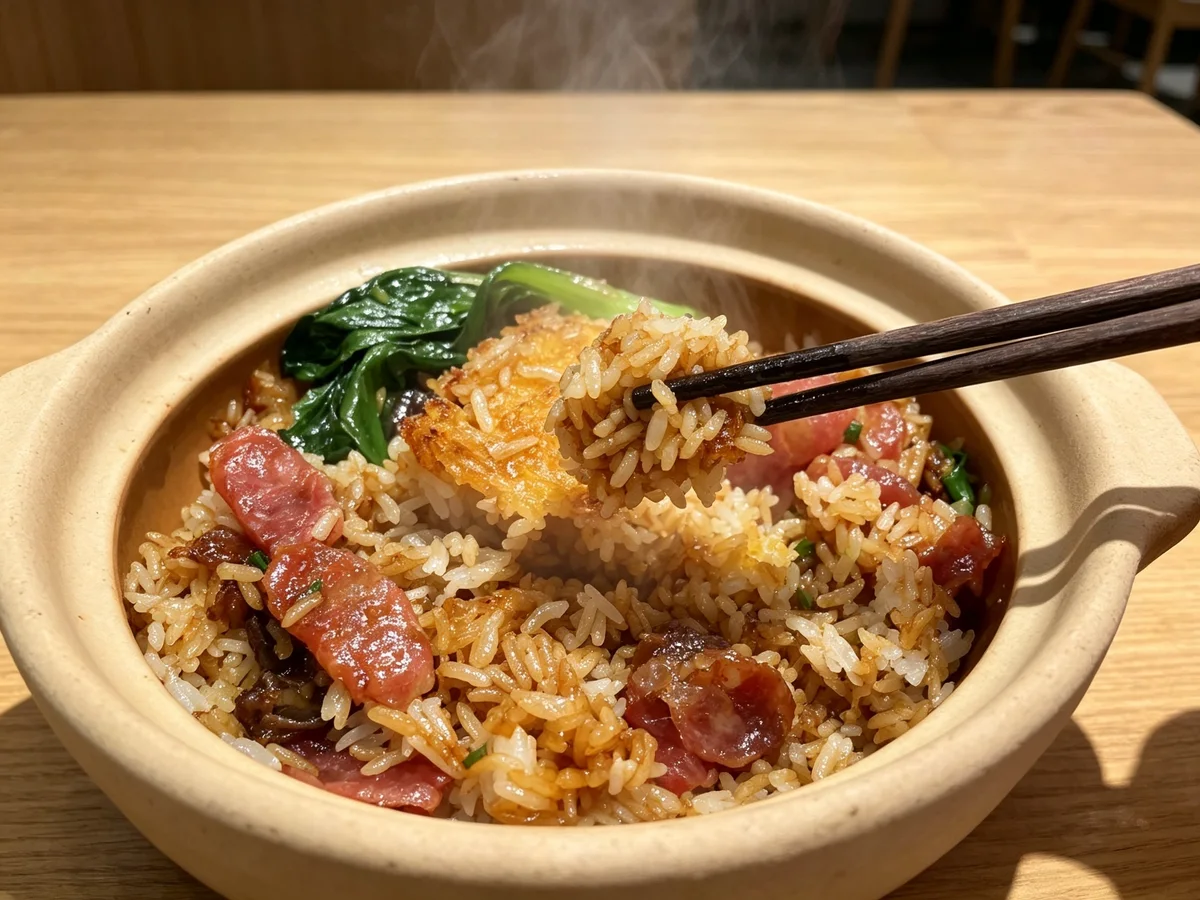
| Staple | Is starch built into the format? | Rice, noodles, buns, pancakes or a hot-pot finish |
| Restriction-safe plate | Does every diner have one complete option? | A naturally compatible dish, not only a modified garnish |
| Second round | What is missing after real portions arrive? | Add the absent role instead of another centerpiece |
For two people, an anchor, vegetable and staple may be enough. For four, add one contrasting plate. For six, add technique or temperature diversity before adding another meat.
The repetition scan
Protein
Four chicken dishes are not varied merely because their names differ.
Method
Fried plus steamed plus cold is clearer than three fried coatings.
Sauce
Multiple glossy sweet or fermented sauces can exhaust the palate.
Heat
Keep one structural chilli dish and let rice or gentle vegetables provide relief.
Field method
Build a shared table with roles, not a dish-count formula
The number of diners is only one variable. Plate size, restaurant type, starch, cooking method and appetite decide whether an order is coherent.
Assign each first-round dish a job
Begin with an anchor, a contrast and a staple; add complexity only when the table needs it.
The anchor may be a whole fish, roast, braise or hot pot. Contrast it with a cold, crisp, steamed or vegetable-led plate. Decide whether rice, noodles, buns or pancakes are built into the format. Soup is not automatically required, and one dish per person is not a universal rule.
Check repetition across protein, technique and flavor. Three meats can still be balanced if steamed, cold and stir-fried, but four glossy braises will fatigue the palate. Conversely, a table with tofu, fish and vegetables may feel varied when sauces and textures differ.
Use the second round as information
Real plate size is better evidence than menu photographs or formulas.
Ask what an anchor serves, place a restrained first order and observe. If rice arrives late by local custom, request it with the saucy dishes. At hot pot and dim sum, staged ordering protects temperature and table space. At a specialist noodle shop, individual bowls may eliminate the need for a shared spread.
When adding, fill the missing role: a green vegetable if the table is rich, a staple if sauces remain, or a light soup if the meal needs warmth. Do not add another centerpiece merely because the table looks visually empty before the first dishes arrive.
Worked example
Worked example: six diners at a full-service restaurant
The menu offers whole fish, fried pork, clay-pot tofu, vegetables, soup and several starches.
- Step 1 · Anchor
Confirm the fish weight and select one preparation for the table.
- Step 2 · Contrast
Add clay-pot tofu, one simply cooked green and a cold appetizer; skip fried pork for the first round.
- Step 3 · Staple
Order rice for six and request it with the fish and tofu.
- Step 4 · Second round
After seeing portions, add soup only if the group still wants it; otherwise finish the existing table.
Four dishes plus rice may be sufficient because their roles are distinct. The plan stays generous without using untouched food as decoration.
FAQ
Frequently asked questions
Should four people order four dishes?
It can be a starting point, but a whole fish, duck, hot pot or large stew carries more weight than an ordinary plate. Count the anchor, soup and staple honestly.
Does a smaller first order look ungenerous?
No. Saying “let us start here and add more if needed” keeps hot food in better condition and avoids waste.
How do I prevent flavor repetition?
Compare main ingredients, techniques, sauces and textures. Replace repeated fried, sweet, pork-heavy or chilli-heavy choices with a vegetable, soup or cold dish.
Sources
Sources and further reading
These sources support the food names, regional context, techniques and dining practices used in this guide. Individual restaurants, households and cities still vary.
- A Guide to Chinese Table EtiquetteShanghai Municipal People’s Government ↗
- The Clean Plate Campaign and Smaller PortionsShanghai Municipal People’s Government ↗
- Six Dim Sum Dishes for a First Yum Cha MealHong Kong Tourism Board ↗
- Tableware Vocabulary for Shared Chinese MealsShanghai Municipal People’s Government ↗