
Balance one table
Choose one anchor, one gentle counterpoint and rice before adding more
This guide turns heat preferences, party size and real portions into one workable first order. The region atlas explains the wider history, staples and preservation logic behind those choices.
01
Set the table’s heat boundary before choosing a signature
Ask who wants full heat, who needs a lower level and who requires a dish without chilli.
Choose one signature that the kitchen can prepare at a level most of the table can finish. Then secure a naturally gentle vegetable, tofu or soup for diners who should not rely on a modified chilli-led dish.
State allergies separately from preference and ask about shared sauces or utensils when relevant. Put rice on the first order, not after the table has already become difficult to eat.
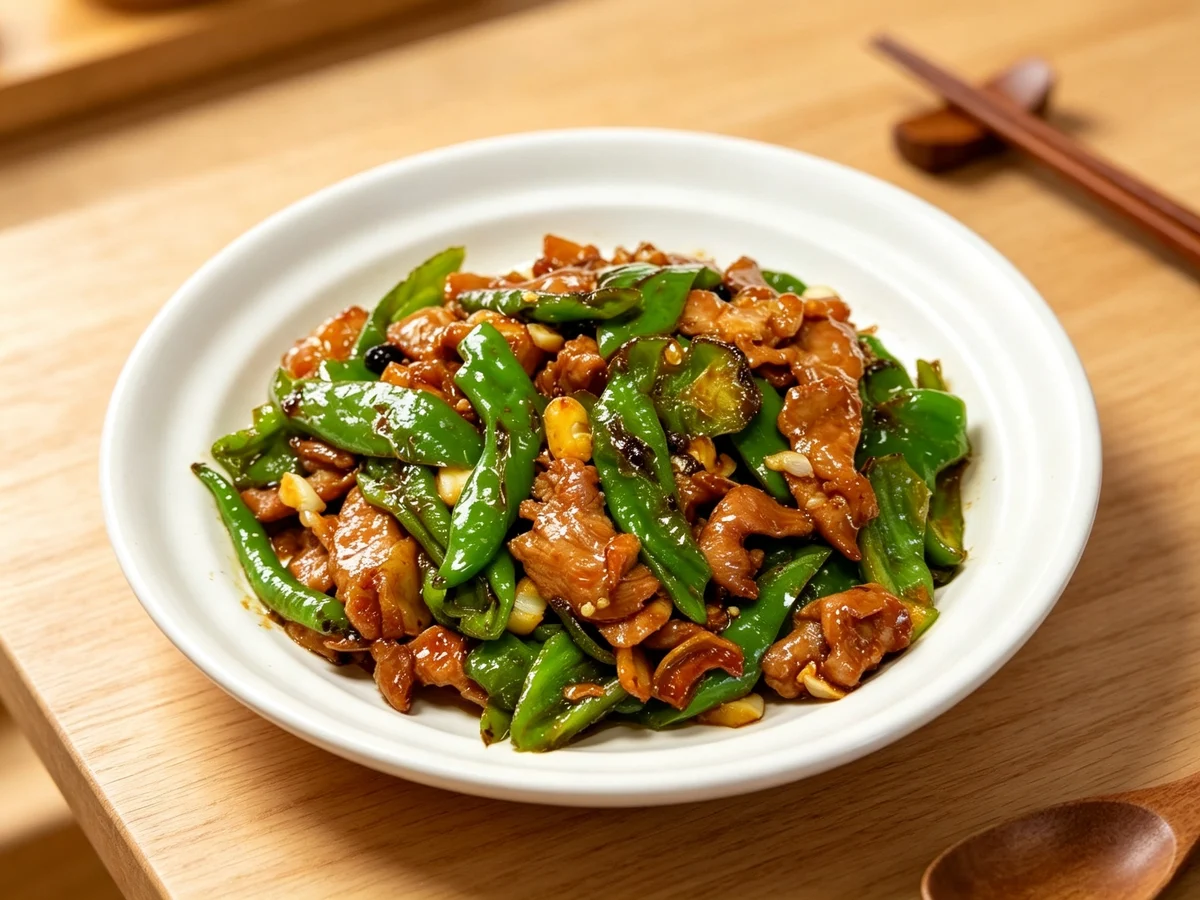
For an adjustable stir-fry
Ask whether the kitchen can lower the heat of chilli pork while keeping it recognizable.
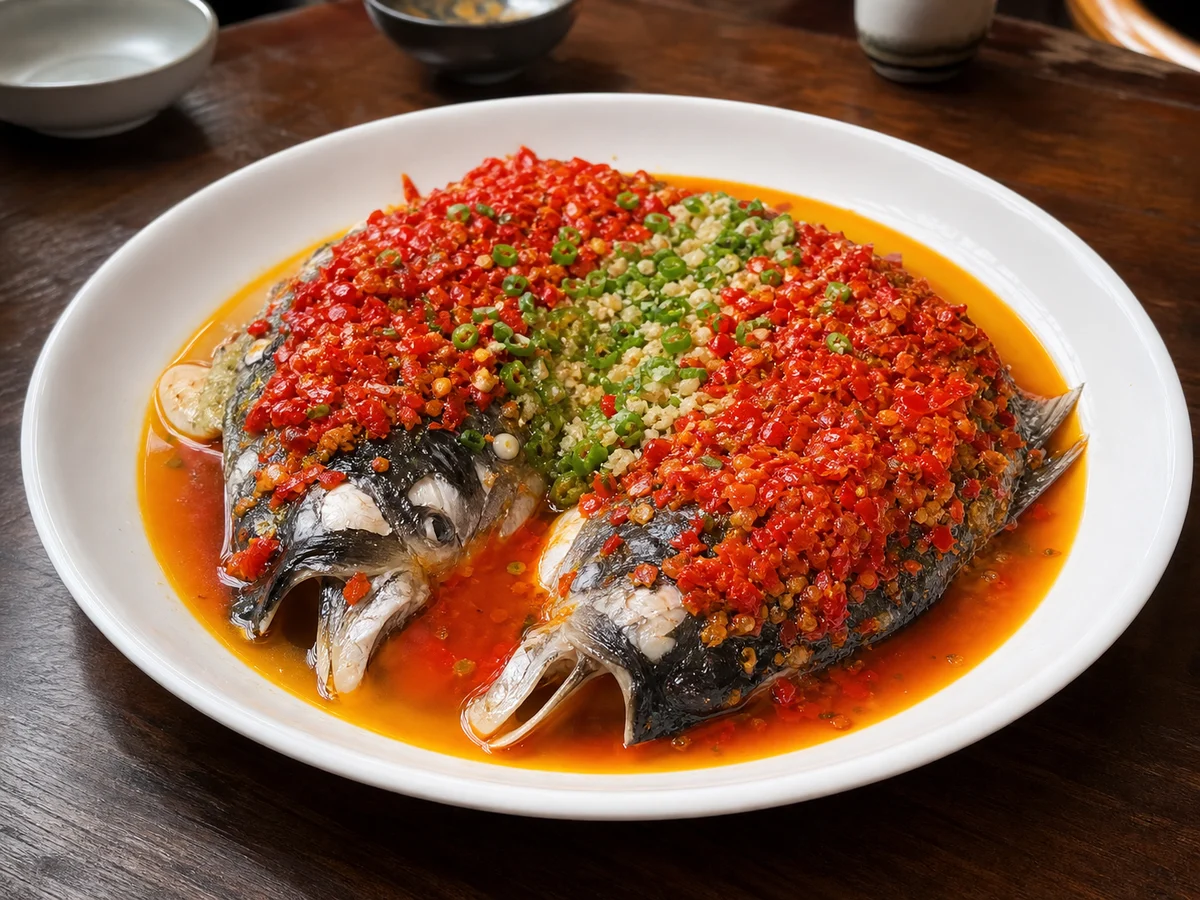
Read the related food guide →For a shared fish centerpiece
Confirm size, price, bones and the table’s heat tolerance before ordering.
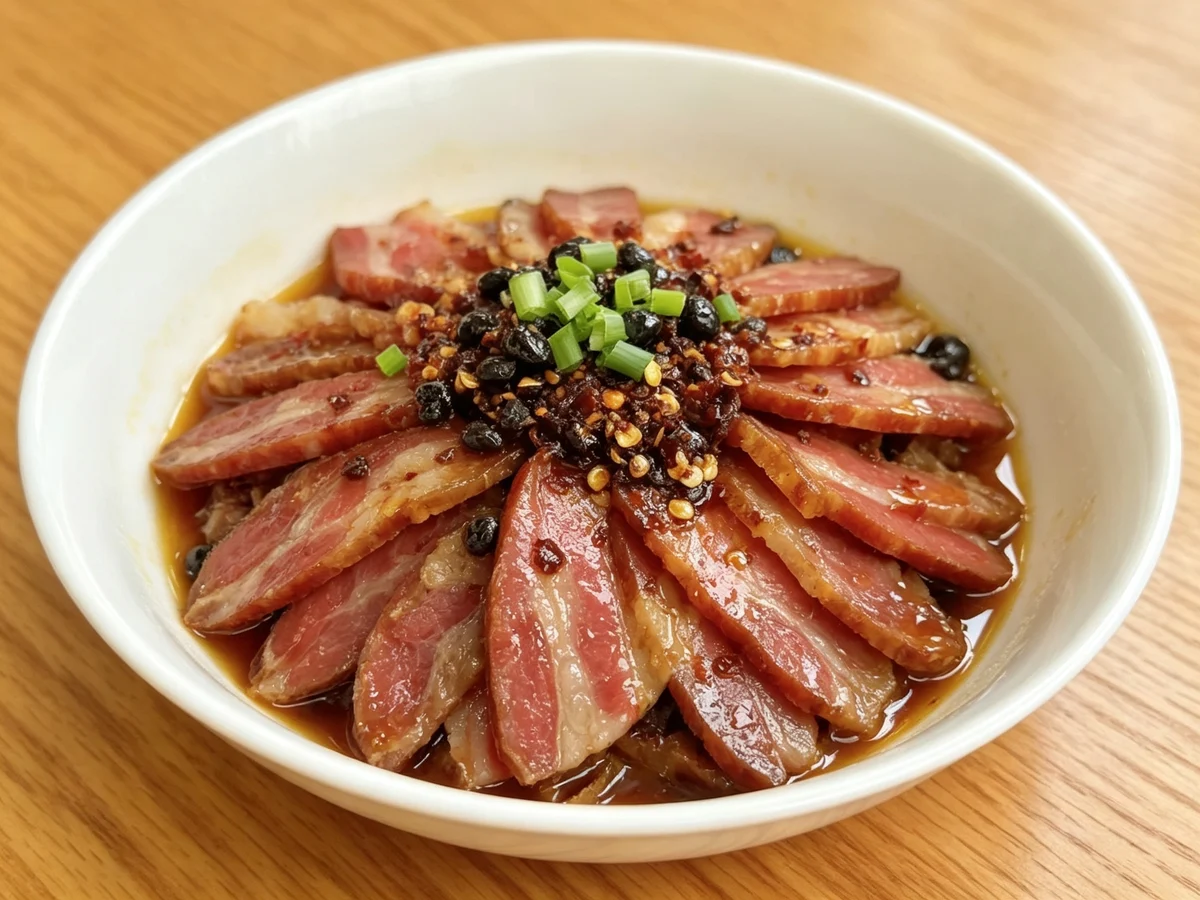
Read the related food guide →For a separate rich meal
Order cured meats in a modest portion with rice and greens, not beside several other heavy anchors.
Read the related food guide →02
Build the first table around one expression of heat
A good Hunan order should not be four chilli-heavy meats competing for attention.
For three or four diners, choose either chopped chilli fish head or a home-style stir-fry as the anchor. Add a green vegetable, tofu or a gently seasoned soup, then rice. If you choose cured meats, avoid another very salty centerpiece. If you choose Mao-style red-braised pork, use fresh or sour vegetables to interrupt its glossy richness.
Fish head is dramatic and bone-rich; it suits diners comfortable sharing around bones. Hunan chilli pork is easier to portion and gives a clearer view of wok heat. Stir-fried Hunan beef is leaner in impression but can be just as chilli-forward. There is no single compulsory first dish.
03
Use a second meal for cured, braised or local dishes
Do not force every important Hunan flavor onto the same first table.
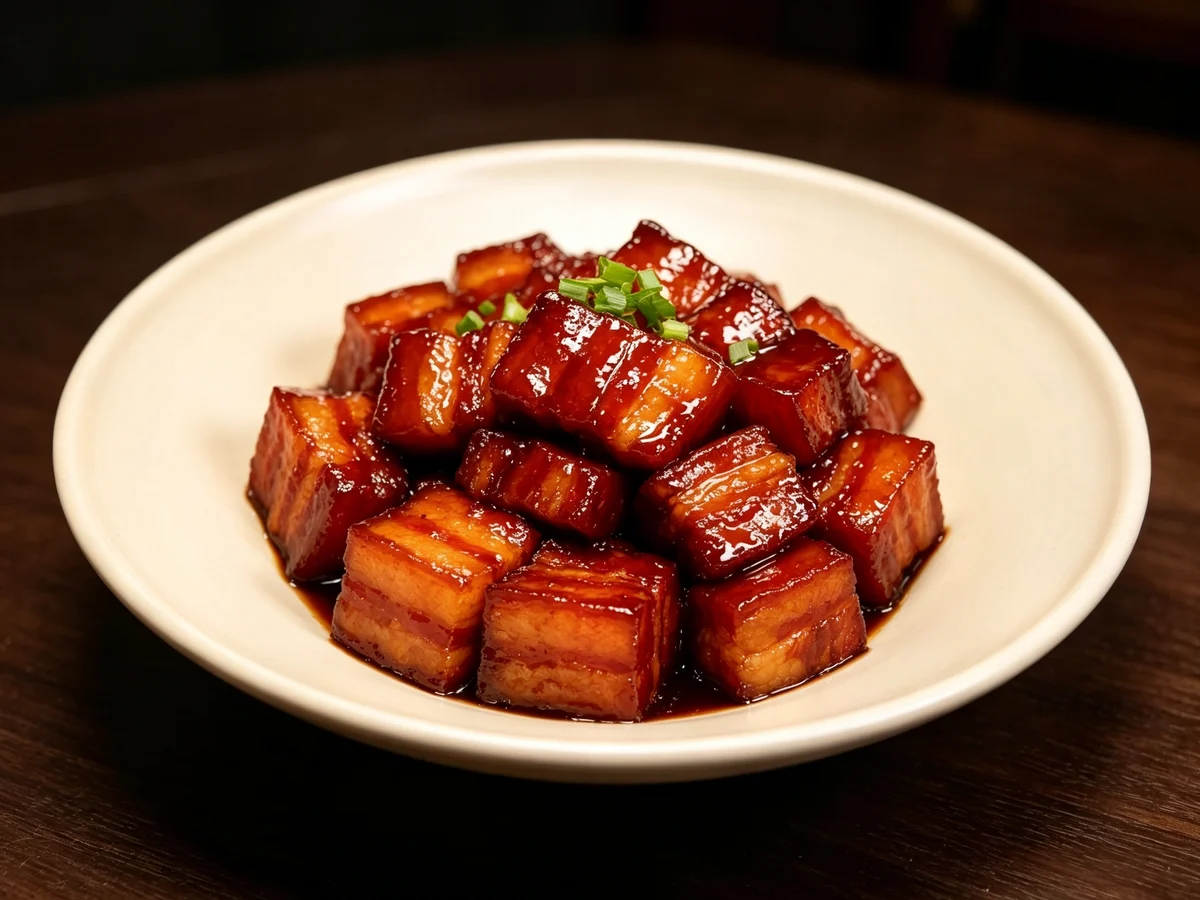
Choose Mao-style red-braised pork when the table wants sweet-savory richness, or steamed cured meats when smoke and salt can be balanced with rice and vegetables. Either is a poor companion for several other heavy centerpieces.
Save Yongzhou blood duck for diners who actively want its bone-in texture and blood-thickened sauce. Treat it as a specific local meal, not a novelty add-on after chilli pork and fish head.
Braised richness
Mao-style red-braised pork layers soy, sugar and aromatics around pork belly.
Read the related food guide →Cured depth
Steamed Hunan cured meats bring smoke, salt and concentrated savoriness.
Read the related food guide →Local specificity
Yongzhou blood duck is associated with Yongzhou and should be understood in that regional context.
Read the related food guide →04
Use Changsha snacks as a separate eating occasion
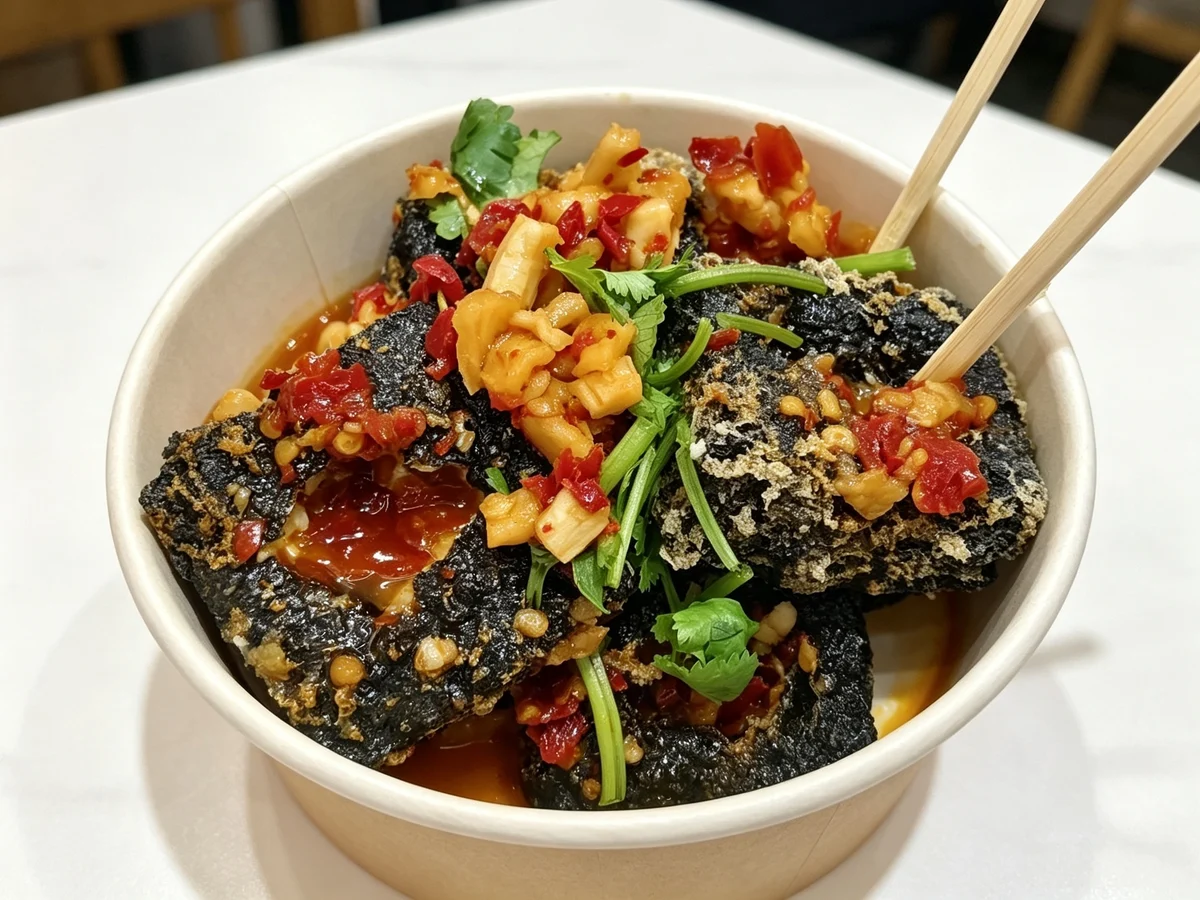
Stinky tofu is a street snack, not the opening course every Hunan restaurant must serve.
Changsha-style stinky tofu is commonly dark, fried until crisp outside and dressed after frying. Its fermented aroma, porous center, chilli, garlic and savory liquid work together. Eat it hot; once it sits, the crisp shell and hot broth-like dressing lose their contrast.
Approach it without “weird food” language. Ask for a small portion, expect aroma before the first bite and notice texture. A snack street also offers sweets such as tangyou baba, but fried glutinous rice and fried tofu are filling; they do not need to be forced into the same full dinner.
Quick-reference tool
Three workable Hunan orders by party size
Choose one anchor first, then fill only the missing roles.
| Party | First round | What to hold back |
|---|---|---|
| 2 people | One adjustable stir-fry, one green vegetable and rice | A second meat dish until portion size is clear |
| 4 people · fish anchor | Chopped-chilli fish head, tofu or soup, one green vegetable and rice | Another salty centerpiece or cured-meat platter |
| 4 people · pork anchor | Chilli pork, one gentle plate, one vegetable and rice | Fish head and red-braised pork in the same first round |
| Mixed heat tolerance | One coherent chilli dish plus two naturally mild shared dishes | Requests to remove the defining ingredient from every signature |
Ask for rice with the first hot dishes and wait to see actual portions before adding another centerpiece.
A mixed-tolerance table
One adjustable anchor
Use a fresh-chilli stir-fry only if the kitchen can reasonably moderate it.
One safe plate
A simple seasonal vegetable or soup should be complete without chilli.
Rice from the start
Do not wait until the final course to provide the staple that helps pace heat.
Field method
Convert heat tolerance and party size into one Hunan order
Start with the group’s heat tolerance and party size, then decide which signature can remain coherent, which gentler plates everyone can eat and when to stop ordering.
Set the table’s boundary before naming the anchor
Ask who needs little chilli, who avoids it completely and whether the issue is preference or allergy.
Choose one signature dish at a level the kitchen can reasonably make and the group can finish. When a diner needs a genuinely mild option, order a separate dish that is gentle by design instead of asking every chilli-led signature to change identity.
Confirm bones, whole-fish size and offal preferences at the same time. These decisions affect the order more than a debate about which dish is most famous.
Give the first round four jobs
Use one anchor, one safe plate, one vegetable and rice.
For four diners, a fish head or pork stir-fry can be the anchor, but not both by default. Add tofu, soup or another naturally gentle plate, then one seasonal green. Request rice with the first hot dishes instead of waiting until the table is already struggling with heat.
If the anchor is whole fish, confirm weight and price before cooking. If it is cured meat or a rich braise, start with a modest portion and leave the next centerpiece for a second round only if appetite remains.
Move Changsha snacks outside the dinner order
One hot snack stop is enough before a full shared meal.
Order a small portion from a busy counter, state the chilli preference before dressing and eat it immediately. Do not add several fried starches simply because each portion looks small.
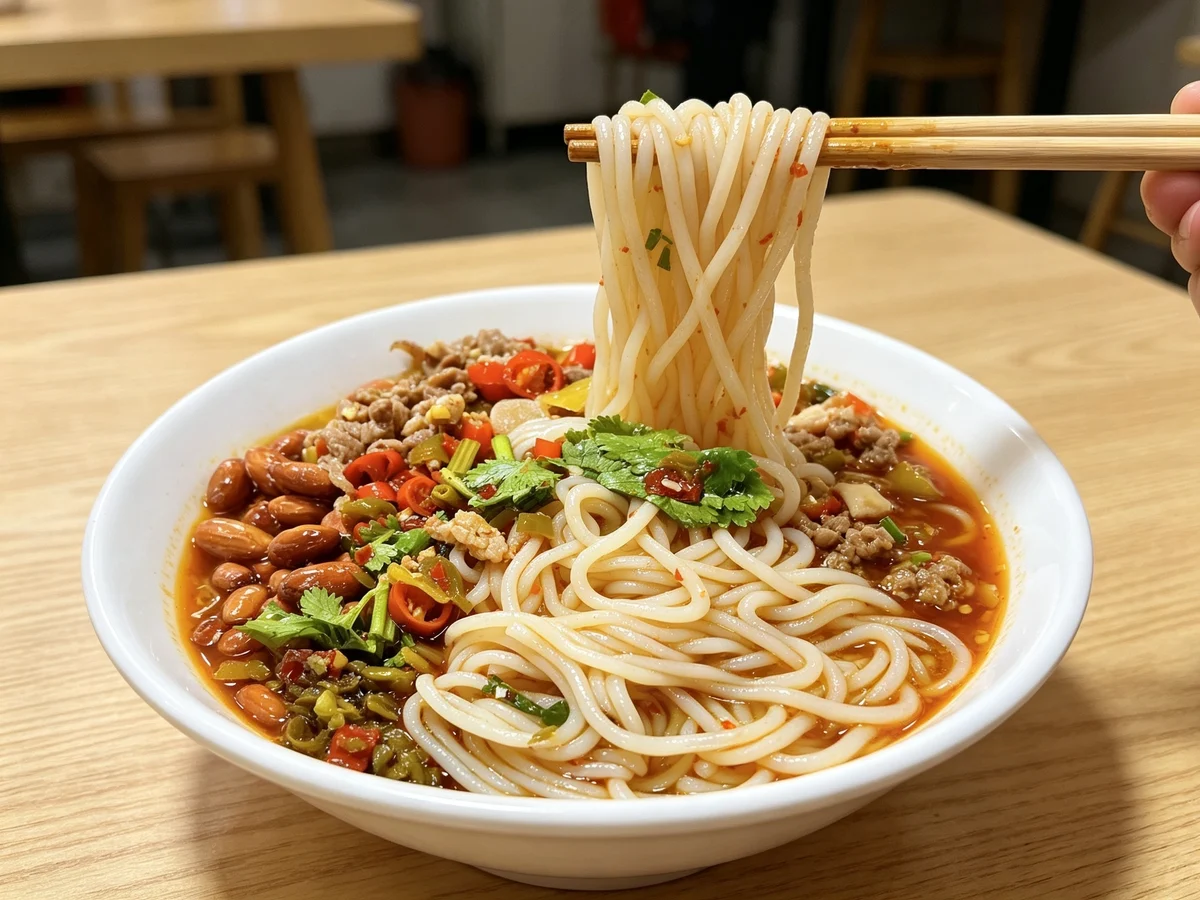
If the group plans a substantial dinner, place the snack stop earlier or on another outing. A rice-noodle bowl is already breakfast or lunch; do not reduce it to a side sample after a full banquet. Use the second round only after the anchor, gentle plate and vegetable show their real size. Fill a missing role with another vegetable, light soup or modest protein; when portions are large or heat is already high, stop instead of adding another famous meat dish.
Worked example
Worked example: four diners with mixed heat tolerance
Two diners enjoy strong heat, one prefers medium and one wants little chilli. The answer is not to make every Hunan signature mild.
- Step 1 · Choose one chilli anchor
Order Hunan chilli pork at a heat level the kitchen recommends as adjustable, keeping its fresh-pepper character.
- Step 2 · Add a naturally gentle plate
Choose a simply cooked seasonal vegetable rather than asking chopped-chilli fish head to contain no chilli.
- Step 3 · Control richness
Add tofu or a light soup, not cured meat and red-braised pork together.
- Step 4 · Use rice deliberately
Serve rice with the dishes from the beginning and keep extra chilli condiment available only to the two diners who want it.
The first round gives every diner a complete option, keeps one signature dish coherent and reserves any second centerpiece for a decision based on real appetite.
FAQ
Frequently asked questions
Is Hunan food hotter than Sichuan food?
There is no reliable universal ranking. Hunan often foregrounds fresh and chopped chilli, while Sichuan frequently combines chilli with numbing Sichuan pepper and fermented seasonings.
What is the best first Hunan dish?
Hunan chilli pork is a clear home-style starting point; chopped chilli fish head is better for a group comfortable sharing a bony fish centerpiece.
Can Hunan dishes be made mild?
Some can be adjusted, but chilli is structural in many signature dishes. Choosing a naturally gentler dish is often better than removing the defining ingredient.
Sources
Sources and further reading
These sources support the food names, regional context, techniques and dining practices used in this guide. Individual restaurants, households and cities still vary.