
01
One plate of noodles, one plate of topping
In a Xinjiang noodle shop, banmian means you do the mixing.
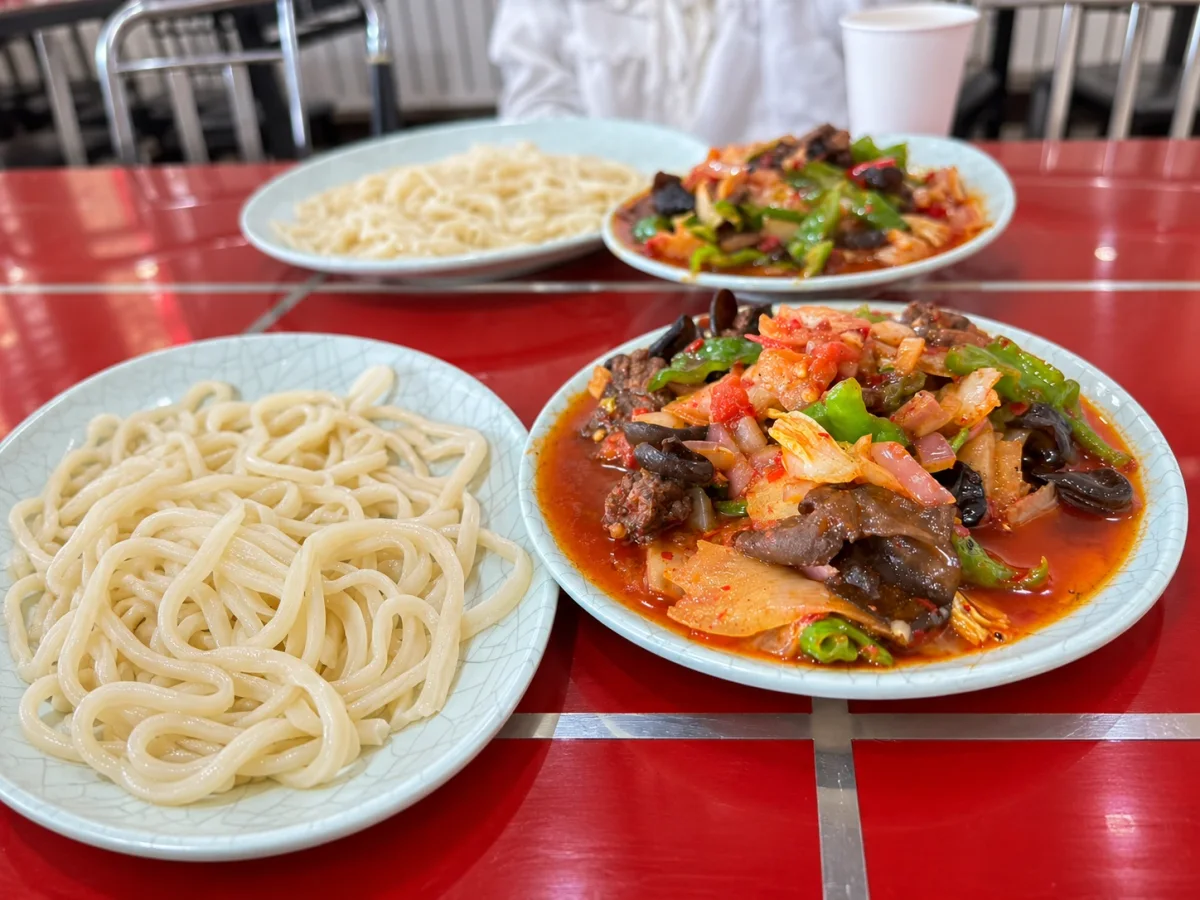
The noodles come first in the name. Bàn means to toss or mix, and the noodles in question are lātiáozi (拉条子), round strands pulled by hand from a soft salted dough. A cook boils a portion to order and slides it onto a plate on its own. A second plate carries the topping straight from the wok, still glossy. At the table you tip the topping over the noodles and keep turning them with chopsticks until every strand has picked up some sauce.
Keeping the two apart until the last moment is the point. The noodles stay springy instead of sitting in sauce on the way to the table. In a busy Urumqi shop, the noodle cook times the boil so the noodles and the wok finish together, and both plates go out at once. The topping is meant to be just wet enough to coat the noodles, with a little sauce left at the bottom of the plate.
Banmian is a lunch-counter meal. People eat it quickly, often alone, at a small shop with a handful of toppings on the wall menu. Guoyourou is the most famous of those toppings. A shop may also list minced meat, dried red chilies with meat, eggplant, wood ear with meat, celery with meat, cabbage, potato slivers, or eggs with chives. The noodles stay the same; the topping is what you order.
02
Salted dough, oiled coils and noodles pulled to order
Lazizi starts as a soft dough made with salted water. The rest of the work is resting and oil.
The dough is mixed with lightly salted water, which tightens the gluten and lets the strands stretch long without tearing. After kneading, it is cut into pieces, brushed with oil and covered to rest. A recipe published by the Xinjiang regional government gives about an hour. Shops roll the dough into thick ropes and coil them round and round on a large tray, like a mosquito coil, then let them rest a second time. The oil coating does two jobs: it keeps the coils from sticking to one another and stops the surface from drying into a skin that would snap during pulling.
When an order comes in, the cook takes one of the oiled ropes and stretches it by hand into long, round strands of the right thickness. They go straight into the pot. A family-run Uyghur restaurant in Plano, Texas, described the same rule from the other side of the world: the dough is made in the morning, but pulling starts only when a customer orders, because noodles pulled in advance lose their texture.
Some shops change the dough. An Urumqi shop known for jianmian (碱面), alkaline noodles, makes slightly yellow, flatter strands that spring back more when you bite. After boiling, it rinses them in cold water and then dips them in hot water, which firms the surface and warms them again before serving. Another Urumqi shop mixes its dough with egg for a pale yellow noodle. Cooks in Qitai point to wheat from the northern slopes of the Tian Shan, where long hours of sun and large swings between day and night temperatures give a flour with strong gluten.
03
What “passed through oil” does to the meat
Guoyourou means meat that has passed through oil. The name describes the step that sets the texture.
The name comes from Shanxi, where guoyourou is an established dish. As it spread to other places, cooks adapted it to what they had. In Xinjiang the meat can be lamb or beef. One Urumqi shop trims fresh beef hind leg down to the lean, slices it, and marinates the slices for half an hour with beaten egg, starch and soy sauce. The coating is what lets the slices go into very hot oil without drying out.
The slices hit the hot oil, scatter, and turn from red to gold within moments. The cook who runs that shop says the margin is a few seconds: three seconds short and the meat is underdone, two seconds over and it loses its juiciness. Green and red peppers, onion and wood ear go into the same oil for a moment and come out still crisp. The wok is then cleared, the meat and vegetables go back in with the seasonings, and the topping is finished in a quick, high-heat toss.
Xinjiang cooks call onion pìyázi (皮牙子), a loan from Uyghur that you will hear at every noodle shop. Tomato gives the sauce its color and a little acidity. A home recipe from the regional government adds green beans and a spoonful of tomato paste, with soy, salt and a little sugar. Done well, the meat should feel tender rather than floury, with no thick crust of starch, and the vegetables should still have some bite.
04
Choosing a topping and asking for more noodles
Choose the topping, then decide how hungry you are. The noodles are the part that refills.
| Menu name | What it is | Why order it |
|---|---|---|
| 过油肉 guòyóuròu | Coated slices of beef or lamb flashed in oil, with peppers, onion, tomato and wood ear | The best-known topping and usually among the dearest |
| 辣皮子肉 làpízi ròu | Meat stir-fried with dried red chilies softened in water | More heat and a sweet, dried-pepper flavor |
| 碎肉 suìròu | Small pieces of meat cooked with vegetables | A cheaper everyday plate |
| 茄子肉 qiézi ròu | Eggplant cooked with meat | A softer, saucier topping |
| 韭菜鸡蛋 jiǔcài jīdàn | Eggs scrambled with garlic chives | A meat-free plate on most menus |
Ask for jiāmiàn (加面), extra noodles. In many shops one extra portion is included in the price, and a refill arrives as a second, smaller plate of freshly boiled noodles. Some shops refill as often as you like. A useful habit from Xinjiang regulars is to tip only half the topping over the first plate and save the rest for the refill. If the topping is gone, a splash of vinegar and some chili at the table will dress the second plate.
Most tables have whole heads of garlic. People peel a raw clove and bite it between mouthfuls; there is a saying that noodles without garlic lose half their flavor. A bowl of tea usually comes with the plate. If you are sharing, order two different toppings and one refill rather than two big plates of the same thing.
05
What a plate costs
Guoyourou usually sits at the top of the price board, but it is still an inexpensive lunch.
In 2018 an alkaline-noodle shop in Urumqi charged ¥17 for potato slivers or eggs, ¥18 for minced meat or eggplant with meat, and ¥25 for guoyourou, wood ear with meat or dried chilies with meat. Each guoyourou plate used about 200 grams of raw meat, and one extra noodle portion was free. A regular who had eaten there since the shop opened remembered paying ¥12 for the same plate a decade earlier.
Prices vary with the city and the shop. A noodle house in the Ili region charged ¥20 for guoyourou in 2021, with free refills. In 2024, a lunch spot near Hongguangshan in Urumqi charged ¥30 for its signature dried-chili banmian, made with an egg dough and sold with refills. A 2026 travel guide put an ordinary plate of guoyourou at about ¥25 in central Urumqi, and ¥45–65 inside the Kanas scenic area, where ingredients have to be trucked in. If you are touring, eat noodles in town and keep scenic-area meals simple.
06
Toksun, the banmian town
Ask Xinjiang drivers where to stop for noodles and Toksun comes up.
Toksun County, in Turpan, sits on the old road between northern and southern Xinjiang, and travellers and lorry drivers have long stopped there to eat. The county seat is full of noodle shops, and Toksun banmian has a local saying behind it: the best banmian in the world is in China, the best in China is in Xinjiang, and the best in Xinjiang is in Toksun. Treat the saying as civic pride rather than a ranking.
At the fourth Toksun banmian festival in 2016, one canteen carried out a plate a meter across holding 50 kilograms of noodles and topping, made with 18 kilograms of flour, 6 kilograms of black goat meat and more than twenty eggs, enough for fifty people. Its owner, a noodle puller by training, listed what he thought made the difference: local flour with a slightly sweet taste, meat from Toksun black goats, local water for the dough, good oil, and an experienced wok cook. His canteen had held the regional “gold-medal banmian king” title four years running.
08
Making guoyourou banmian at home
Hand-pulling takes practice. The topping is the easier part to get right at home.
For two plates: 300 g plain flour and about 160 ml water with ½ tsp salt for the noodles, or 400 g fresh thick wheat noodles. For the topping: 250 g lean beef or lamb leg, 1 egg white, 1 tbsp cornstarch, soy sauce, 1 onion, 1 green and 1 red bell pepper, 2 tomatoes, a handful of soaked wood ear, garlic, and oil for frying.
- 1. Rest the dough
Mix the flour with the salted water into a soft dough and knead until smooth. Cut it into pieces, roll each into a thick rope, brush with oil and cover. Rest for at least an hour.
- 2. Coat the meat
Slice the meat thinly across the grain. Mix with the egg white, cornstarch and a little soy sauce and leave for 20–30 minutes.
- 3. Flash it through oil
Heat a generous layer of oil until very hot. Add the meat, stir it apart and lift it out as soon as it turns pale gold. Pass the peppers, onion and wood ear through the same oil for a few seconds and drain.
- 4. Finish the topping
Pour off most of the oil. Fry the garlic and tomatoes until they soften into a sauce, season with soy and salt, then return the meat and vegetables and toss over high heat until glossy.
- 5. Pull and boil
Stretch each oiled rope slowly into long, even strands about as thick as a chopstick. Boil for a few minutes until chewy, rinse briefly in cold water, then dip in hot water and drain.
Keep the noodles and topping on separate plates until you sit down. Mix at the table, and save some of the topping for a second batch of noodles.
Xinjiang classics
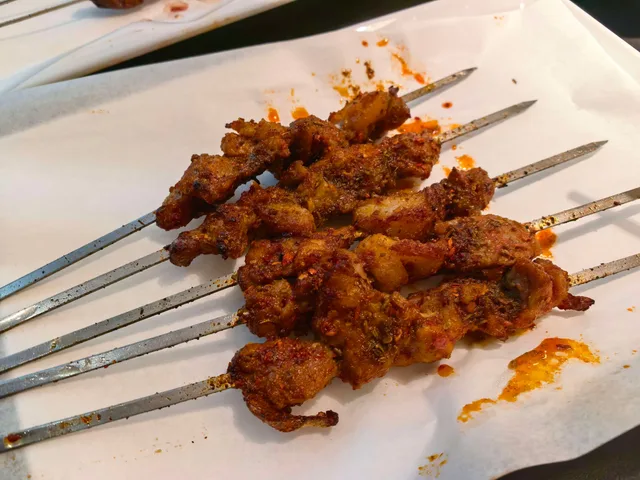
- Xinjiang Lamb Skewers
Charcoal-grilled skewers · Snack, street food, before a meal
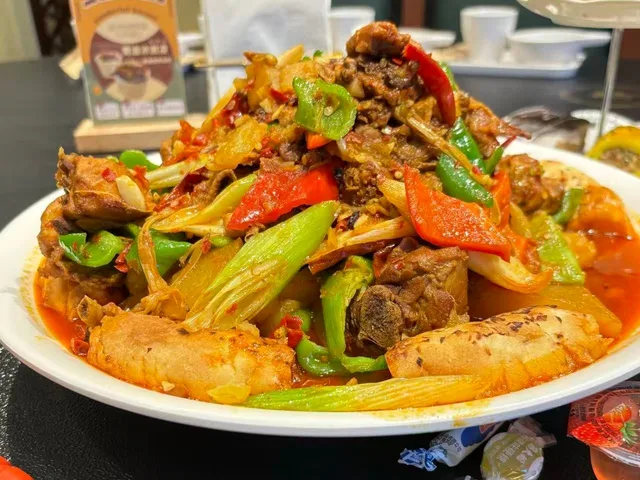
- Big Plate Chicken
Shared chicken braise with noodles · Lunch and dinner for three or four
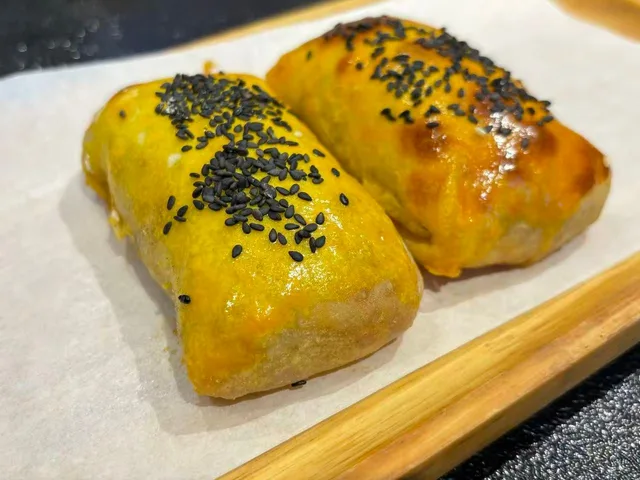
- Xinjiang Samsa
Oven-baked lamb pastry · Breakfast, snack, with tea
Noodles from other regions
FAQ
Questions about Guoyourou Laghman
What is laghman?
Hand-pulled wheat noodles with a stir-fried meat and vegetable topping, eaten across Xinjiang and Central Asia. In Xinjiang it is called banmian, and the noodles and topping usually come on separate plates.
What does guoyourou mean?
Meat passed through oil. Thin slices of beef or lamb are coated with egg and starch, flashed in hot oil and then stir-fried with peppers, onion, tomato and wood ear.
Is guoyourou made with lamb or beef?
Either. Many Xinjiang shops use lean beef from the hind leg, and others use lamb or goat. Ask at the counter if it matters to you.
Are extra noodles free?
Often one extra portion is included, and some shops refill as often as you like. Ask for jiamian. Policies differ, so check if the menu lists a price for it.
How much does guoyourou banmian cost in Xinjiang?
Around ¥20–30 at ordinary shops in recent years, with higher prices inside remote scenic areas.
How do you eat banmian?
Tip the topping onto the noodles and stir until every strand is coated. Many people bite a raw garlic clove between mouthfuls and save part of the topping for the extra noodles.
Is laghman spicy?
Guoyourou is savory rather than hot. Choose a topping with dried chilies if you want heat, or add chili at the table.
How is banmian different from Lanzhou beef noodles?
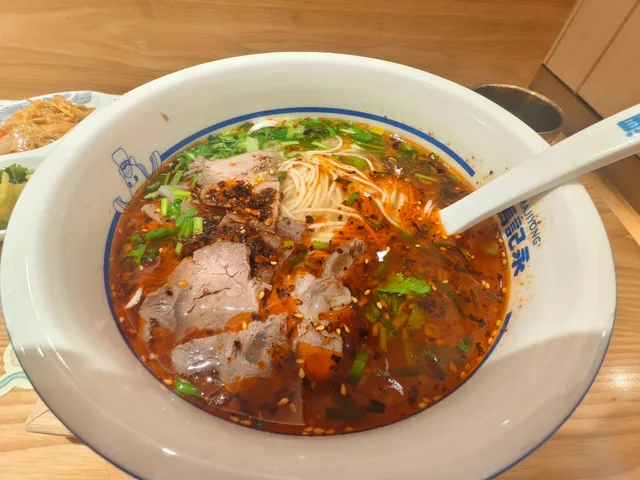
Both use hand-pulled noodles. Lanzhou beef noodles are served in a clear broth. Banmian is a dry dish, with a stir-fried topping mixed in at the table.
Sources
Sources and further reading
- 1 How to make Xinjiang guoyourou banmian (in Chinese)People’s Government of Xinjiang Uygur Autonomous Region (2013) ↗
- 2 An Urumqi alkaline-noodle banmian shop: prices, 200 g of meat and one free extra portion (in Chinese)Yu Mengfan, Dushi Xiaofei Chenbao via Yaxin Net, on Phoenix News (2018) ↗
- 3 What Xinjiang tastes like: the noodle chapter (in Chinese)Wang Qiangqiang, San Ge Liaoliren, via The Paper (2021) ↗
- 4 Weekday lunch around Hongguangshan, Urumqi: a ¥30 dried-chili banmian and refills on the house (in Chinese)Zhao Lei and Han Yuqi, via The Paper (2024) ↗
- 5 Qitai banmian sells out at Fujian universities: wheat from the northern slopes of the Tian Shan (in Chinese)Fujian Rural Revitalization, via People’s Daily app (2026) ↗
- 6 The making of a gold-medal banmian cook: the fourth Toksun banmian festival (in Chinese)Menggen Aode, Tianshan Net, via Zhejiang Online (2016) ↗
- 7 Xinjiang travel food: how much more the same dish costs inside scenic areas (in Chinese)Ling Jie Ai Lüxing, NetEase (2026) ↗
- 8 Laghman (Noodles with Lamb Sauce, 新疆拌面) (in Chinese)Maggie Zhu, Omnivore’s Cookbook (2024, updated 2026) ↗
- 9 Laghman Express brings their Uyghur feast to Gravesend (in Chinese)Scott Lynch, Hell Gate (2025) ↗
- 10 Turan Uyghur Kitchen in Plano: noodles pulled when you order (in Chinese)Texas Monthly (2023) ↗
- 11 Guoyourou banmian for ¥20 a plate, extra noodles free (video, in Chinese)Pinwei Xinjiang (品味新疆), Bilibili (2021) ↗
Last updated November 2026