
Plan one meal
Choose a Beijing meal format before building the order
This practical guide is for deciding what to eat first: roast-duck dining room, copper-pot table, noodle shop or snack counter. For the wider system behind Beijing food, use the separate region atlas.
01
Choose the meal before choosing the dishes
The best first order depends on whether you are entering a roast-duck restaurant, a mutton hot-pot specialist, a noodle shop or an old-style snack counter.
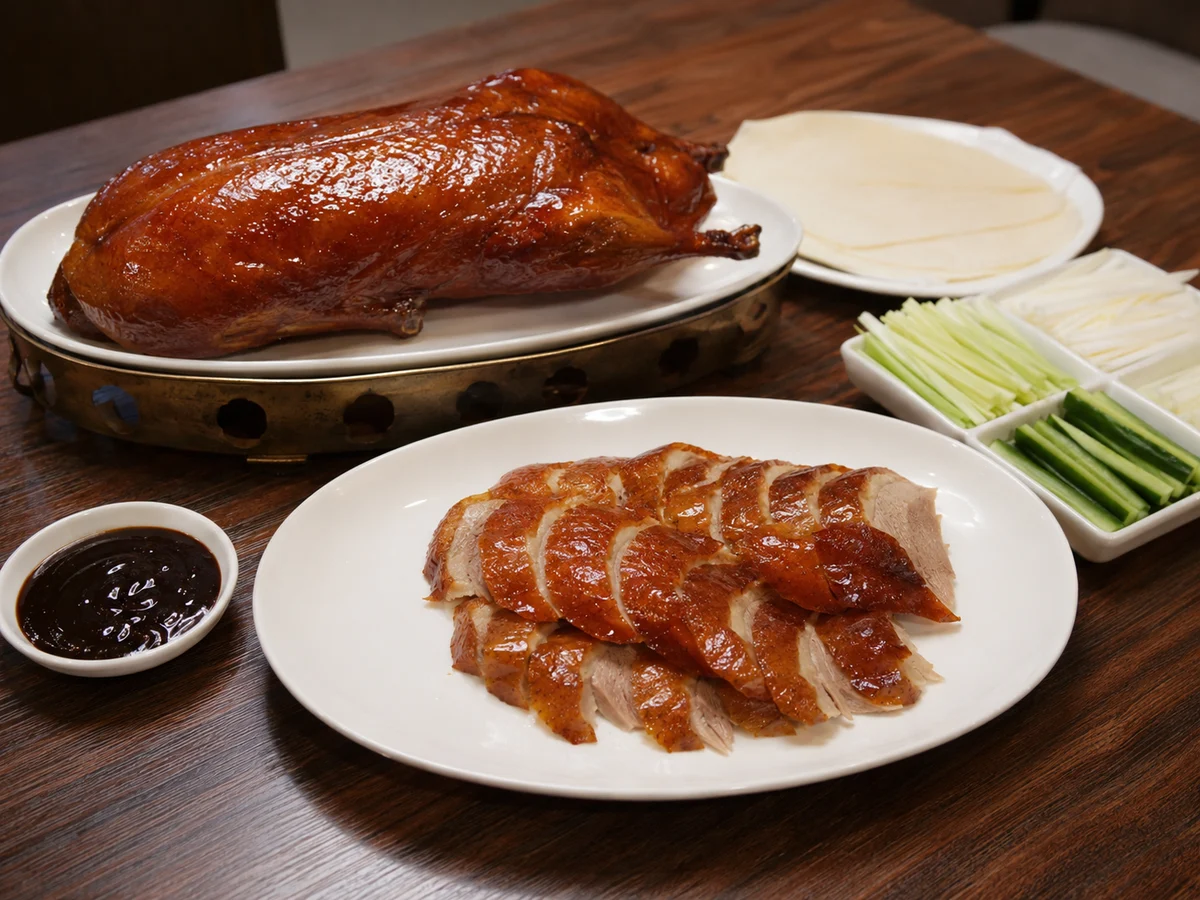
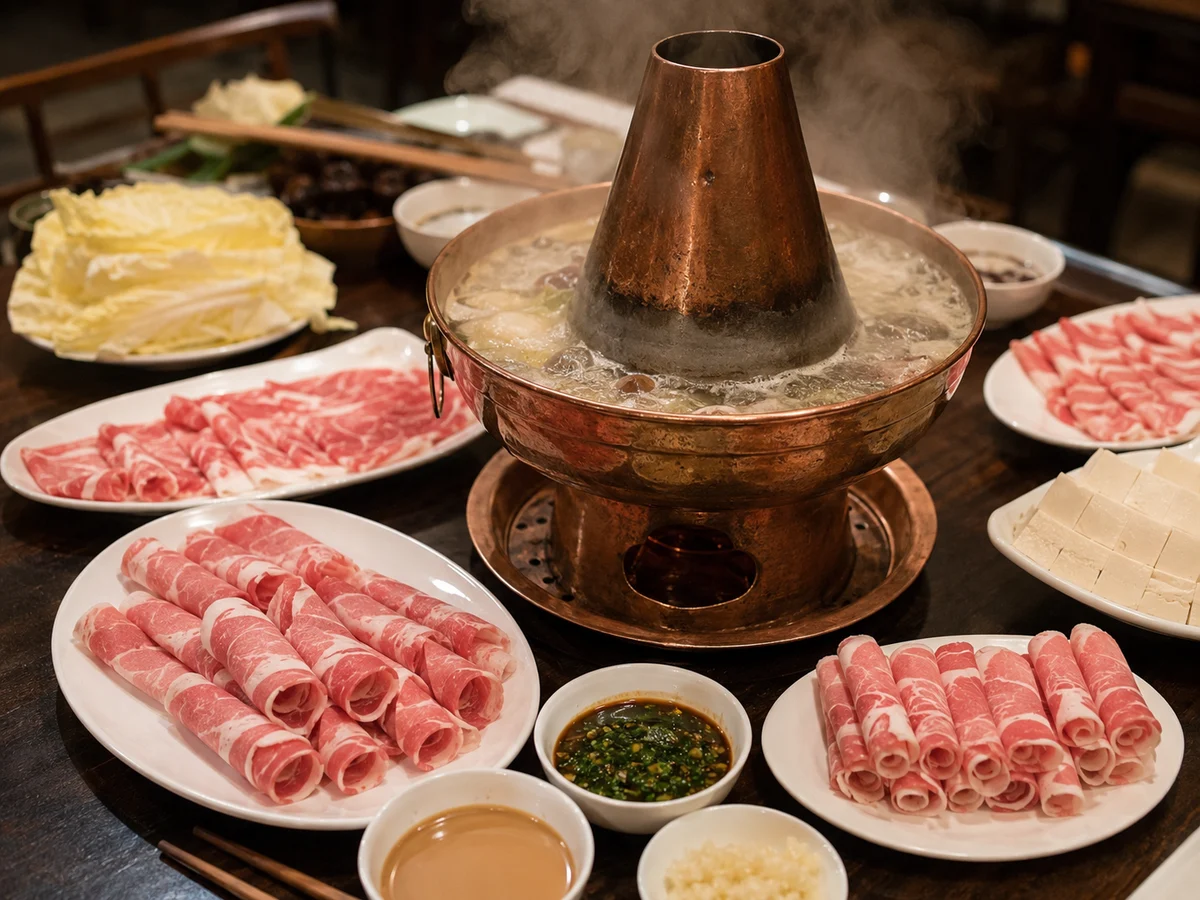
A roast-duck meal is a shared occasion. The duck is the anchor, so the useful questions are whether a half or whole bird fits the group, what arrives with it and how the restaurant uses the remaining bones. Copper-pot mutton is equally social but more interactive: the table cooks thin slices in clear broth and seasons them with sesame-based dipping sauce.
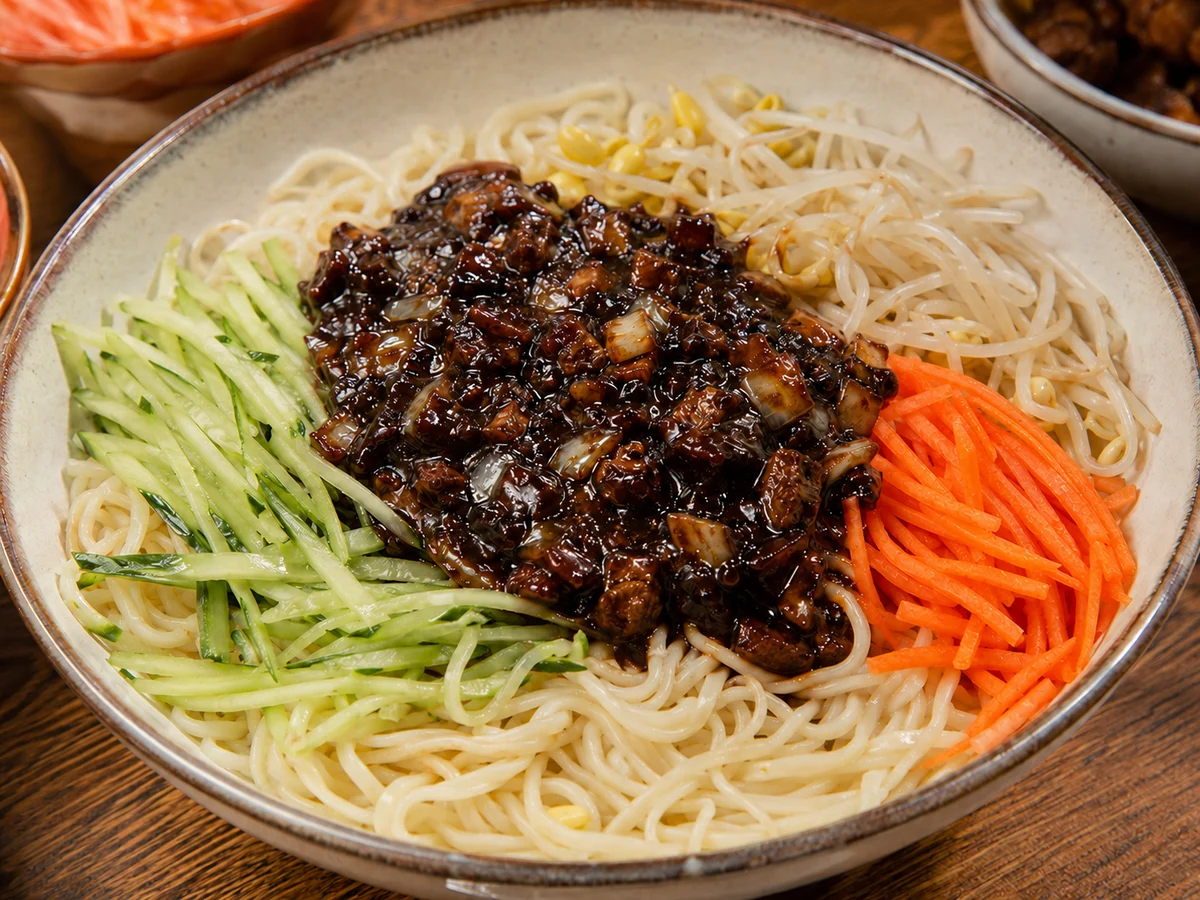
Zhajiang noodles and many hutong snacks work differently. They may be an individual meal or a short stop rather than one plate in a banquet. Treating all four settings as a single bucket list produces too much food and hides what each specialist does well.
For a landmark dinner
Choose roast duck, one contrasting vegetable and one house recommendation rather than several heavy meat dishes.
Read the related food guide →For a cold evening
Choose copper-pot mutton when the table wants a slow shared meal without a chilli-heavy broth.
Read the related food guide →For lunch
Choose zhajiang noodles when you want a compact lesson in northern wheat, fermented sauce and crisp garnish.
Read the related food guide →02
Order roast duck as a composition, not a photograph
The value of the dish lies in temperature and contrast: brittle skin, moist meat, soft pancake, dark sweet bean sauce and fresh cucumber and scallion.
Ask how many people the duck serves. A whole duck can overwhelm a small table once appetizers, vegetables and starches arrive. When the chef carves tableside, eat the skin and first slices promptly; waiting for everyone to finish taking photos sacrifices the texture the kitchen worked to create.
Before adding side dishes, confirm whether pancakes and condiments are included and whether the frame can return as soup or another course. Start with one vegetable, watch the actual carving yield and add later only if the table still needs food.
03
Choose one old-city snack by appetite and texture
These stops work better as practical choices than as compulsory tests of whether a visitor has eaten “real Beijing.”
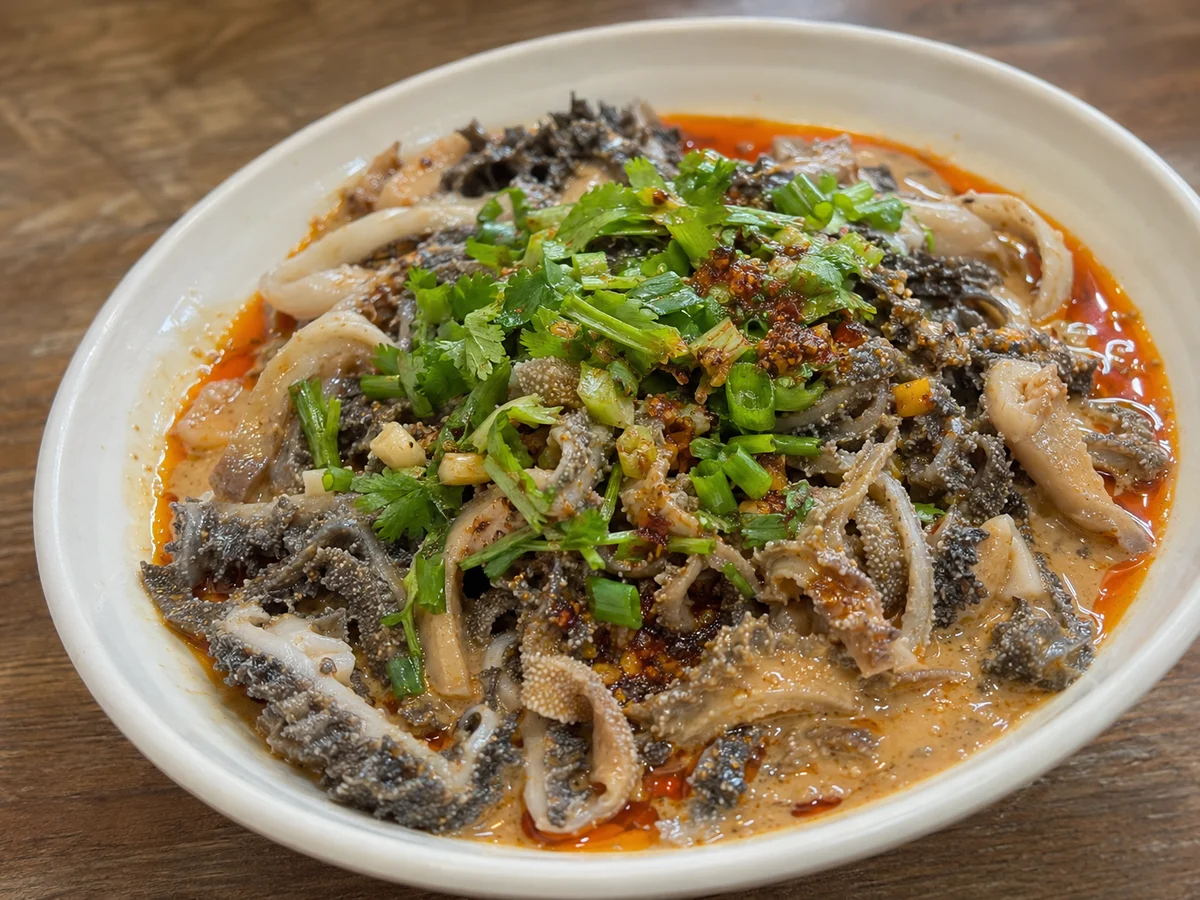
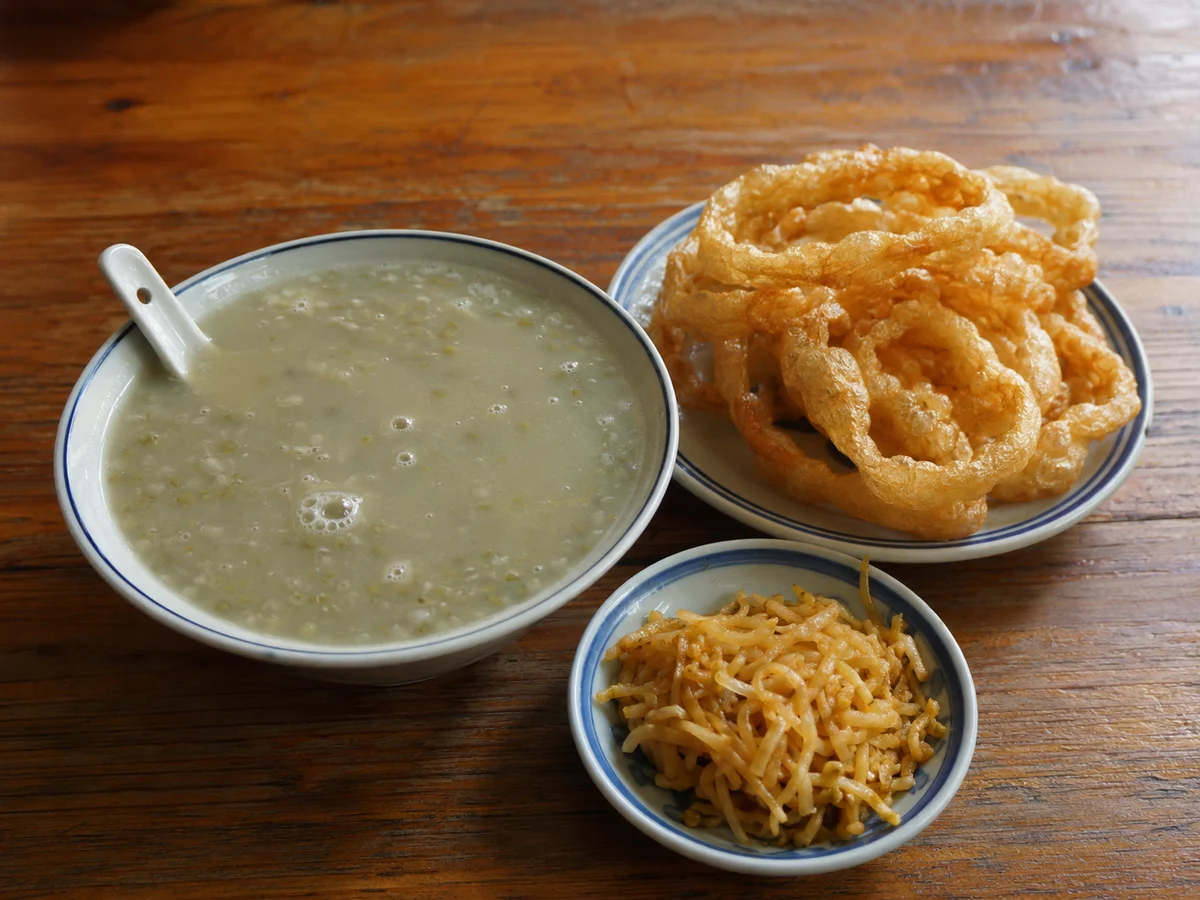
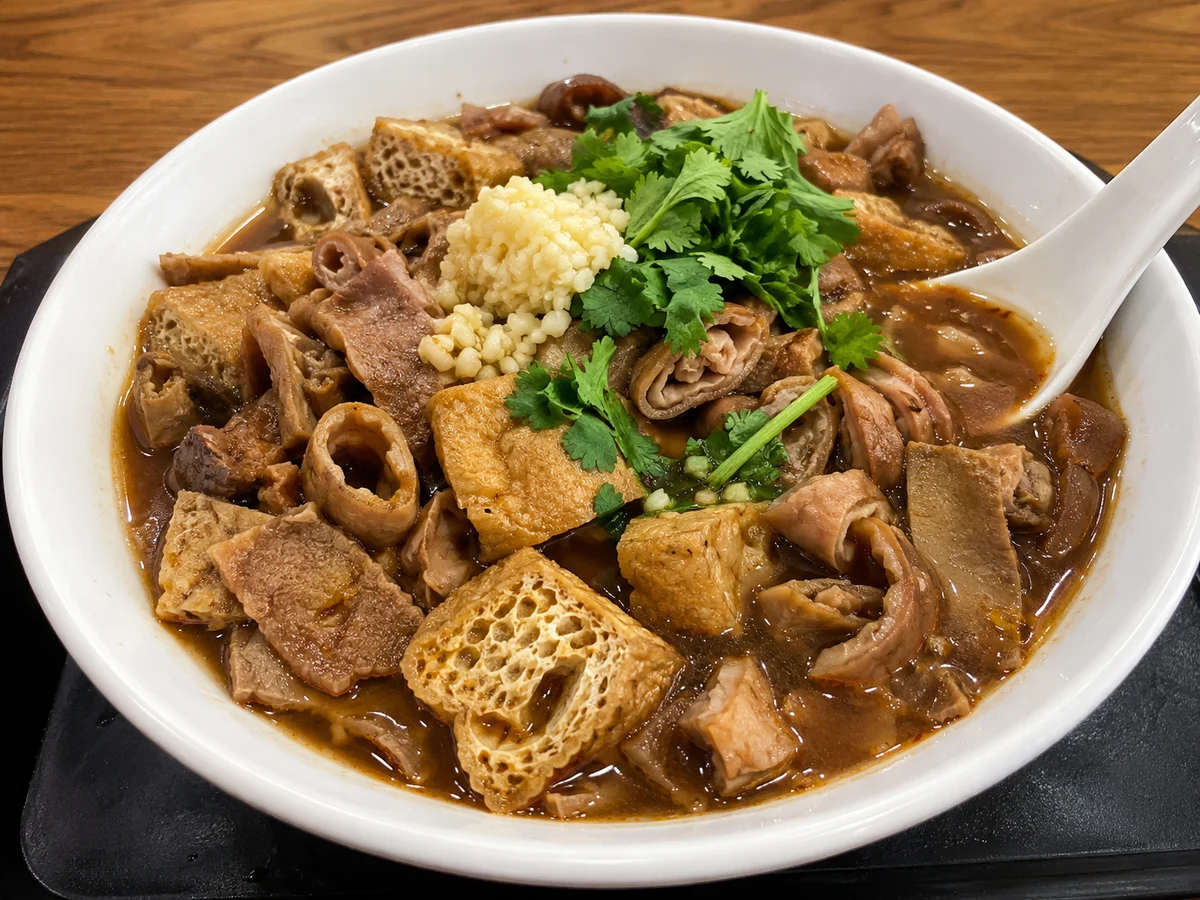
Choose luzhu huoshao when you want a filling, offal-rich bowl; quick-blanched tripe when springy texture is the point; or douzhir with jiaoquan when a fermented breakfast taste genuinely interests you.
Pick one rather than collecting all three between large meals. Confirm offal and fermentation preferences before ordering, and leave room for the noodle, duck or mutton meal that anchors the day.
Rich and soupy
Luzhu huoshao is filling, pork-forward and offal-rich; it is closer to a complete snack meal than a light starter.
Read the related food guide →Texture first
Quick-blanched tripe should be resilient rather than tough, with sauce supporting rather than concealing it.
Read the related food guide →Fermented breakfast taste
Douzhir is easier to understand with its traditional fried ring and pickled accompaniment.
Read the related food guide →04
A realistic one-day Beijing food route
Spacing matters more than collecting names. Beijing portions and famous restaurants can turn one day into a continuous queue if every stop is treated as essential.
Start with a simple noodle or breakfast snack, keep lunch flexible and reserve roast duck or copper-pot mutton for the main shared meal. If roast duck is dinner, do not force another large meat lunch. If hot pot is the evening anchor, a lighter zhajiang noodle lunch leaves room to taste different lamb cuts and vegetables.
Neighborhood and season should influence the route. Douzhir and fried rings make more sense at a shop that serves a steady local breakfast trade. Copper-pot mutton feels natural in cold weather. Candied hawthorn and pastries are snacks, not evidence that a full meal was incomplete.
Compare
Peking duck vs Cantonese roast duck vs roast goose
Overseas diners often treat these roast birds as one thing. But Peking duck is a northern specialty built around carved skin and pancakes, while Cantonese roast duck and roast goose belong to siu mei—the everyday Cantonese roast-meat tradition served chopped over rice. Telling them apart sets the right expectation.
北京烤鸭 (běijīng kǎoyā)
烧鸭 (siu ngaap, Cantonese)
烧鹅 (siu ngo, Cantonese)
Beijing / northern China
Guangdong (Cantonese siu mei)
Guangdong (Cantonese siu mei)
Duck
Duck
Goose (darker, richer meat)
Carved tableside with pancakes, scallion and sweet bean sauce
Chopped over rice or on a siu mei platter
Chopped, often with sour-plum sauce
Crisp lacquered skin is the star; meat is lean
Bronze, seasoned, marinated and juicy
Crisp skin over richer, fattier meat
Not the duck hanging in a Cantonese BBQ window
An everyday siu mei dish, not Peking duck
Goose, not “another kind of roast duck”
For each tradition in depth, read the Beijing roast duck guide and the Cantonese roast goose guide.
For the pancake-wrapped ceremony
Choose Peking duck. The point is the crisp skin with pancakes, scallion and sweet bean sauce.
For everyday roast duck over rice
Choose Cantonese roast duck. It is siu mei—chopped over rice, savory and marinated—not Peking duck.
For richer, darker meat
Choose Cantonese roast goose. Goose is deeper and fattier than duck, often with sour-plum sauce.
A common misread
The glossy birds in Cantonese BBQ windows are usually roast duck or goose, not Peking duck.
Quick-reference tool
Match the first order to the number of diners
Start with a portion decision, then protect the one meal that matters most.
| Party | Sensible first order | Check before adding |
|---|---|---|
| Solo breakfast or lunch | One noodle bowl or one filling snack | Whether the listed item is already a complete meal |
| 2 people · roast duck | Half duck if available, one green vegetable and pancakes | Duck size, included condiments and treatment of the frame |
| 4 people · roast duck | One duck, one cold or green vegetable and one light house dish | Actual bird size before ordering another meat centerpiece |
| 4 people · copper pot | Two contrasting mutton cuts, tofu, mushrooms, greens and one starch later | Plate size and appetite before the second meat round |
Roast duck and copper-pot mutton usually deserve separate meals. Do not combine them simply to shorten a checklist.
A realistic one-day route
Morning
Choose one neighborhood breakfast or snack near the day’s first activity.
Lunch
Use zhajiang noodles for an everyday northern-wheat meal.
Dinner
Reserve roast duck or copper-pot mutton as the one major shared occasion.
Field method
Turn a Beijing wish list into reservations, portions and walking distance
This module starts after the food choices are known. It decides what needs booking, how much two or four people should order and which optional stop can fit without weakening the main meal.
Lock only the decision that actually needs a reservation
Book the shared dinner, then leave breakfast and lunch flexible.
If roast duck is the priority, confirm the time, whole-or-half options, what the listed price includes and whether the restaurant needs the duck ordered in advance. If copper-pot mutton is the priority, reserve for the number of diners and ask whether there is a minimum order or fixed set.
Do not reserve both on the same day unless the group is large and intentionally wants two heavy meals. One confirmed anchor gives the rest of the day room to respond to queues, weather and actual appetite.
Size lunch around the evening anchor
A normal bowl is more useful than a second tasting banquet.
Before a duck dinner, use an individual noodle bowl or one filling snack as lunch. Before mutton hot pot, avoid another large meat order and leave time between meals. Ask for the real serving size rather than assuming every famous dish can be reduced to a sample.
For two people at roast duck, begin with a half bird if the restaurant offers it, one vegetable and the included pancakes. For four, start with one bird and one or two light sides; add only after seeing the carving yield.
Allow one optional old-city stop near the day’s route
Distance and consent matter more than completing a snack list.
Choose one nearby stop only if its ingredients and texture interest the group. Check offal and fermentation preferences before queuing, buy the smallest practical portion and skip it when travel time threatens the reserved meal.
A neighborhood pastry or candied-fruit stop can remain optional. The plan succeeds when the main meal arrives with appetite and on time, not when every hour contains another famous name.
Worked example
Worked example: one day for two people
The pair wants roast duck, one old-Beijing flavor and an ordinary local meal without spending the day in queues.
- Step 1 · Morning
Choose one breakfast counter near the first sightseeing area. Share douzhir only if both want fermentation; add jiaoquan and another familiar item rather than treating the drink as a challenge.
- Step 2 · Lunch
Order separate zhajiang noodle bowls and compare how each person adjusts sauce and garnish. Skip extra meat dishes.
- Step 3 · Afternoon
Use pastries or candied hawthorn as optional snacks, not mandatory stops. Protect appetite and travel time.
- Step 4 · Dinner
Reserve half a duck if offered, add one green vegetable, confirm pancakes and ask how the frame is handled.
The day contains one ordinary meal, one optional small stop and one properly sized reservation. Nothing depends on completing a citywide checklist.
FAQ
Frequently asked questions
Is Peking duck the same as Beijing roast duck?
They refer to the same famous dish. “Peking” preserves an older romanization of Beijing; restaurants and writers use both English names.
Should two people order a whole duck?
Not automatically. Ask the restaurant about duck size and other dishes. A half duck may be more sensible if the menu allows it.
Is Beijing food always heavy?
No. Roast, mutton and wheat foods are prominent, but the cuisine also uses fresh garnishes, clear broth, cold vegetables and lighter home-style dishes.
Sources
Sources and further reading
These sources support the food names, regional context, techniques and dining practices used in this guide. Individual restaurants, households and cities still vary.