
Start here
Three wrappers, three different reasons to order
Open the matching food pages for names, ingredients, preparation, quality checks, ordering advice and sources.
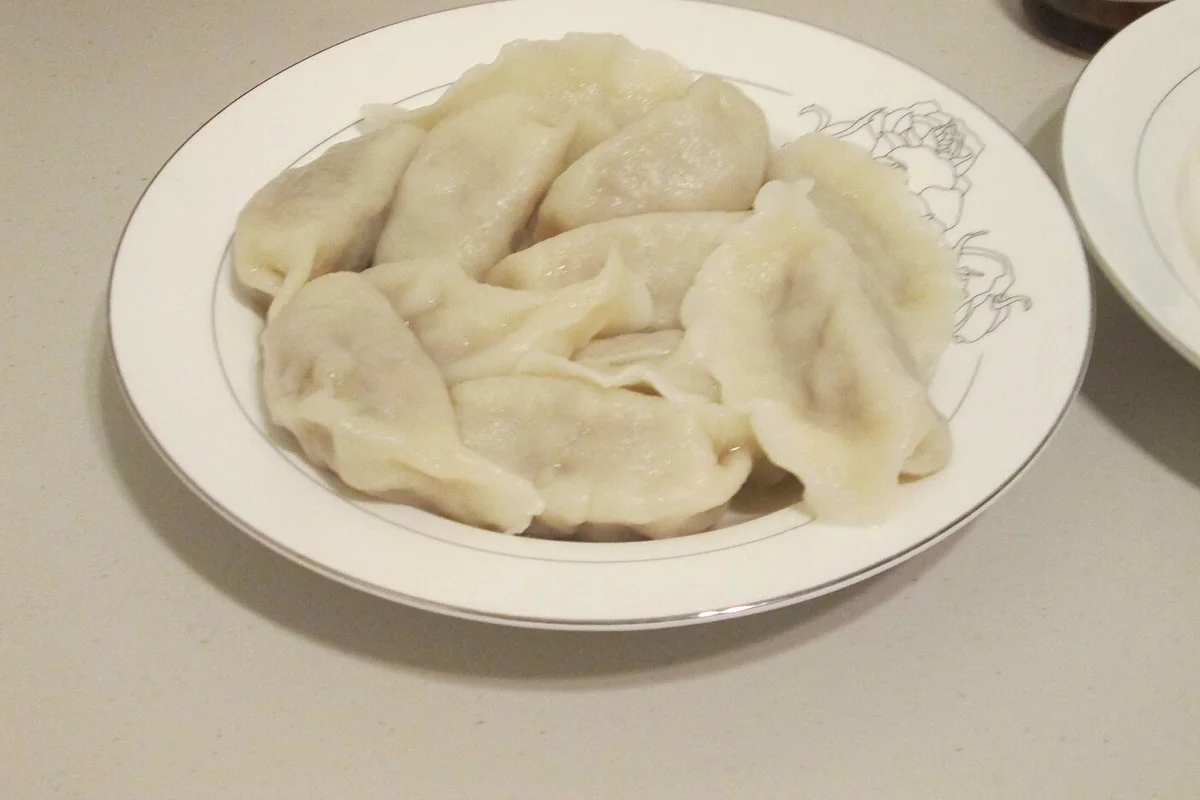
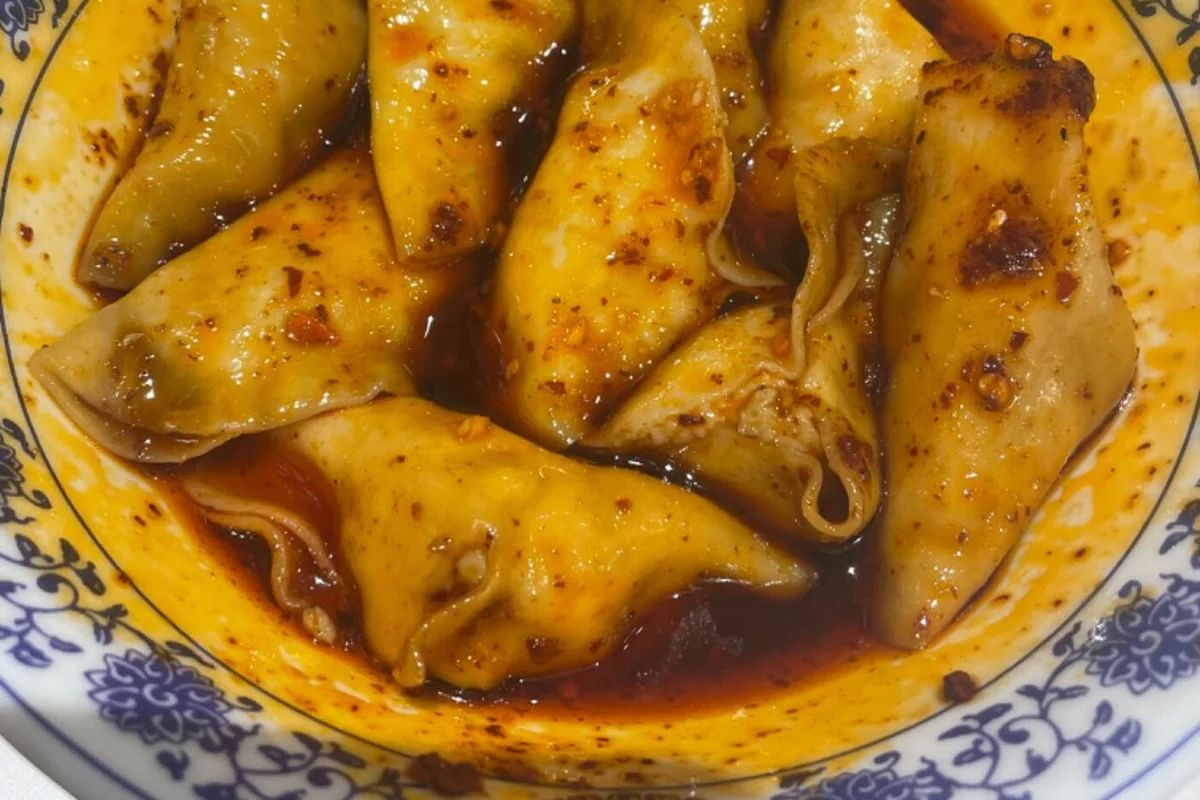
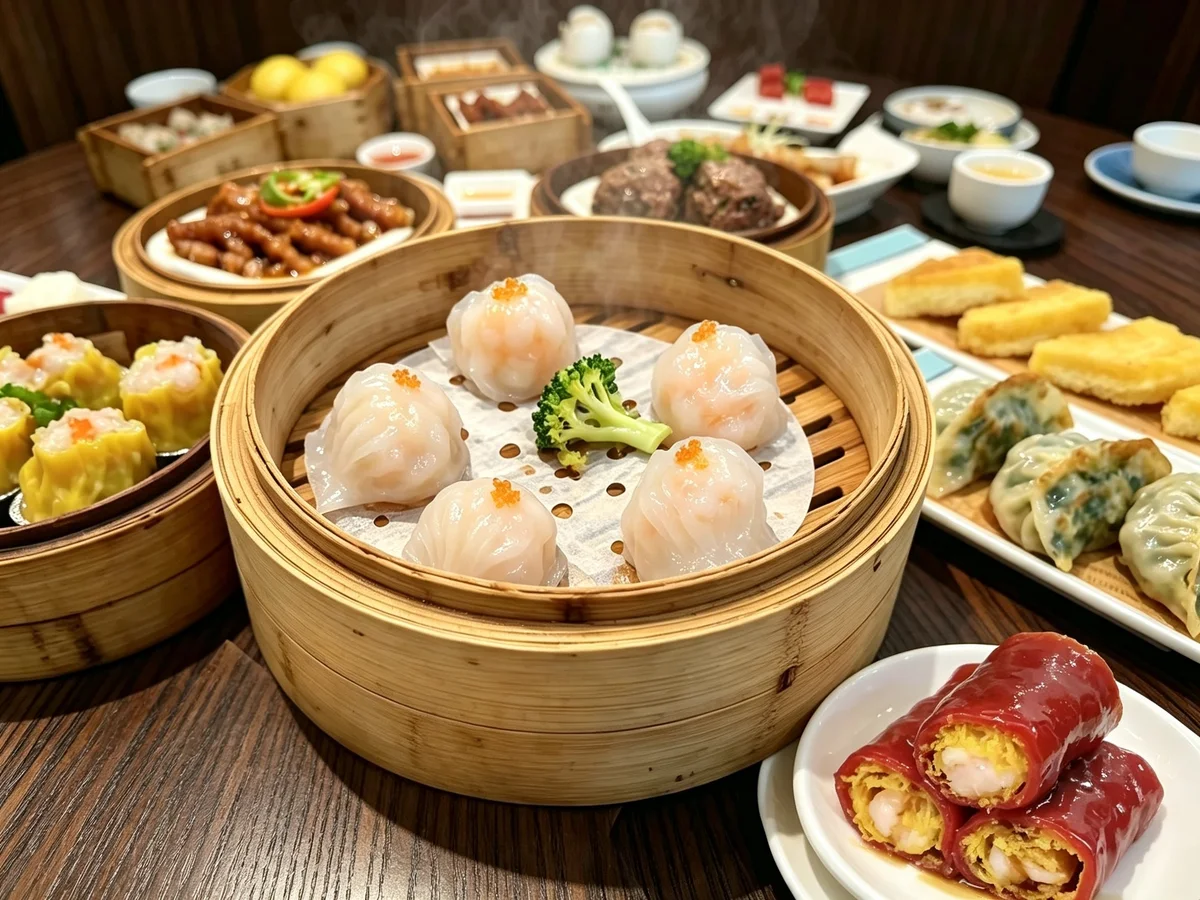
01
What are Chinese dumplings called in English?
Chinese menus do not place every filled wrapper under a single everyday word equivalent to the English “dumpling.”
饺子, jiǎozi, normally means a sealed wheat wrapper around a savory filling. 馄饨, húntun, or wonton, uses a thinner wrapper and often belongs in broth. 包子, bāozi, has a leavened bun-like skin. 小笼包, xiǎolóngbāo, is a delicate steamed parcel with soup inside. 烧卖, shāomài, is steamed with an open top. English menus may call all five dumplings, but their dough, shape and eating occasion are distinct.
This is not pedantry. The name tells you whether to expect soup, a dipping sauce, a fluffy bun or a thin skin. It also prevents the familiar disappointment of ordering “steamed dumplings” and receiving something entirely unlike the crescent jiaozi in your head.
饺子 · jiǎozi
Sealed wheat wrapper, commonly boiled, steamed or pan-fried; a staple and festival food in northern China.
馄饨 · húntun
Thin wrapper with a smaller parcel of filling, frequently served in broth and shaped differently by region.
包子 · bāozi
A filled, leavened steamed bun. The bread-like wrapper makes it a different eating experience from jiaozi.
02
What are the main types of Chinese dumplings?
Boiled, steamed and pan-fried jiaozi can share a filling yet feel like three different meals.
水饺, shuǐjiǎo, are boiled and valued for a tender, slightly resilient skin. 蒸饺, zhēngjiǎo, are steamed and can support different wrapper textures and shapes. 煎饺, jiānjiǎo, are pan-fried dumplings; 锅贴, guōtiē, usually emphasizes a crisp pan-seared base, although restaurants and regions use the two labels inconsistently. “Potsticker” names only part of the much larger jiaozi family.
Filling follows place and season. Pork with Chinese chive, cabbage or pickled cabbage is common, but beef, lamb, shrimp, fennel and vegetable combinations all appear. Northeastern pork-and-sauerkraut dumplings are juicy, sour and substantial. Sichuan Zhong dumplings are smaller, usually pork-filled and transformed by their red-oil dressing. Ask how the dumplings are cooked and served, not only what is inside.
Boiled and hearty
Northeastern sauerkraut dumplings pair pork richness with fermented cabbage acidity.
Read the related food guide →Sauced and aromatic
Zhong dumplings are a Chengdu snack whose dressing matters as much as the wrapper.
Read the related food guide →Pan-fried
Ask whether an order is jiānjiǎo or guōtiē and expect the restaurant’s local usage to win over a rigid dictionary distinction.
03
Wontons belong to broth, sauce and region
A wonton is not merely a smaller jiaozi; its thinner skin and regional service give it another logic.
Cantonese wontons often feature shrimp and pork, with a fine wrapper that billows in clear broth and may accompany egg noodles. Shanghai large wontons can hold pork with bok choy or shepherd’s purse in a gently seasoned soup. Sichuan chāoshǒu are folded wontons that may arrive in red oil, a spicy sauce or clear broth. The English word “wonton” does not tell you which bowl is coming.
Look at the line of the menu rather than the noun alone: 云吞面 is wonton noodle soup; 红油抄手 announces red-oil Sichuan wontons; 菜肉大馄饨 points toward large vegetable-and-pork wontons. Broth may contain pork, chicken, dried seafood or lard even when the visible filling sounds vegetable-forward.
04
Separate soup dumplings, buns and open-topped dim sum
The bamboo steamer is a cooking vessel, not proof that everything inside belongs to one category.
Xiaolongbao use an unleavened, thin wrapper strong enough to hold meat filling and broth formed when chilled aspic melts during steaming. Lift one by the top onto a spoon, let it cool, make a small opening and sip cautiously. Baozi are fluffier leavened buns, often larger and more filling. Shengjianbao are leavened or semi-leavened buns cooked against a pan for a crisp base and a juicy interior.
Shaomai stay open at the top. Cantonese siu mai commonly combine pork and shrimp; northern versions may use a more substantial wheat wrapper, while Hohhot shaomai are strongly associated with mutton. Har gow use a translucent starch-based wrapper around shrimp and demand a different kind of wrapper craft again. Ordering a dim sum round is a chance to compare, not a reason to call every basket “dumplings.”
Soup inside
Xiaolongbao need a spoon, a pause and respect for steam. Do not bite straight through while they are piping hot.
Bread-like wrapper
Baozi and shengjianbao feel closer to filled buns; one or two can be more filling than their size suggests.
Tea-house round
Pair shaomai with har gow, rice noodle rolls and a steamed vegetable rather than ordering three similar pork baskets.
Read the related food guide →05
Keep the history cautious and the first order generous
Archaeology supports a long history for crescent-shaped filled foods; one neat invention story does not explain every dumpling tradition.
The National Museum of China discusses dumplings excavated at Turpan that closely resemble later crescent jiaozi and notes older texts in which names such as huntun and jiao’er overlap before clearer distinctions emerge. The familiar story that physician Zhang Zhongjing invented jiaozi as a warming remedy is culturally important, but it is best presented as legend rather than settled documentary fact.
For a first tasting, compare no more than three formats while they are hot: boiled jiaozi, a broth wonton and one steamed item is already an education in wrapper thickness, moisture and service. Add a vegetable or cold dish if this is a meal. Ask about pork, shrimp, sesame, egg and broth when allergies or dietary choices matter; “vegetable dumpling” does not guarantee an animal-free kitchen or sauce.
Treat the restaurant’s unit honestly. A plate of ten or twelve boiled jiaozi can be one person’s complete staple, while a basket of three delicate dim sum pieces is designed for sharing and another round. One large baozi may be breakfast by itself. Ask the piece count and approximate size before ordering several translated “dumplings,” and do not assume every format is a small appetizer.
Quick-reference tool
Wrapper and cooking method predict more than filling
Use this grid before choosing pork, shrimp or vegetables.
| Family | Wrapper and method | Eating clue |
|---|---|---|
| Jiaozi | Unleavened wheat wrapper; boiled, steamed or pan-cooked | A sturdy meal dumpling with clear regional and holiday associations |
| Wonton | Thinner wheat wrapper; soup or dressed | The broth or chilli dressing can matter as much as the filling |
| Xiaolongbao | Thin steamed wrapper containing hot liquid | Lift carefully, test temperature and do not bite the whole piece immediately |
| Baozi | Leavened wheat dough, steamed | More bread-like and filling; one order may be breakfast rather than a tasting basket |
| Shaomai | Open-topped wrapper; steamed | Fillings and local forms vary widely beyond one Cantonese version |
| Guotie / potsticker | Pan-cooked with a browned base | Judge the crust while hot and distinguish it from generic “fried dumpling” labels |
Vegetable-filled does not guarantee vegan. Check egg, dried seafood, animal fat, broth and shared cooking water according to the restriction.
A useful four-person tasting
Compare construction
Choose one boiled jiaozi, one wonton and one soup-filled or leavened form.
Ask the count
Three baskets with different names can still total far more food than expected.
Sequence heat-sensitive items
Soup dumplings first, broth wontons next, sturdy boiled dumplings last.
Field method
Classify dumplings by wrapper, closure and cooking method
“Dumpling” is too broad to predict a meal. Jiaozi, baozi, wontons and soup dumplings differ in dough, filling, service and the way they should be eaten.
Read the construction before the filling
A thin unleavened wrapper behaves differently from risen wheat dough or a delicate soup-filled skin.
Jiaozi are sealed crescents that may be boiled, steamed or pan-fried. Wontons usually have thinner wrappers and often arrive in soup or chilli dressing. Baozi use leavened dough and eat more like filled bread, while xiaolongbao are thin-skinned steamed parcels with hot liquid inside. English menus may call all four dumplings.
Cooking words matter: 水饺 are boiled, 蒸饺 steamed and 锅贴 associated with pan-cooking. Do not assume a “fried dumpling” is simply a boiled dumpling placed in oil; thickness, sealing and desired crust may be designed for the method.
Order for temperature, portion and filling transparency
Baskets and plates contain different counts, and soup-filled pieces demand immediate attention.
Ask how many pieces arrive and whether the listed portion is a snack or meal. Order steamed items in rounds so skins do not dry. For xiaolongbao, lift carefully, let steam escape and sip only after testing the temperature; biting a whole parcel immediately risks burns.
Vegetable does not guarantee vegetarian: fillings may include egg, dried shrimp, animal fat or meat stock. Allergens can appear in wrapper wheat, sesame sauces, peanuts and shared cooking water. Confirm the complete filling and cooking environment when needed.
Worked example
Worked example: a four-person dumpling tasting
The group wants comparison, not twenty-four pieces that cool before anyone understands them.
- Step 1 · Choose three constructions
Pick boiled jiaozi, one wonton preparation and one basket of xiaolongbao rather than three fillings in the same wrapper.
- Step 2 · Check counts
Ask pieces per order and reduce duplicate plates.
- Step 3 · Sequence
Eat soup dumplings first, wontons while broth is hot and sturdy boiled dumplings last.
- Step 4 · Add only after tasting
Order a second filling or pan-fried texture if the group remains hungry.
The comparison now teaches wrapper and technique, not only whether pork, chive or shrimp was inside.
FAQ
Frequently asked questions
Are potstickers and dumplings the same?
Potsticker usually refers to a pan-fried dumpling with a crisp base. Dumpling is a much broader English category that also includes boiled jiaozi, wontons and many steamed forms.
Are xiaolongbao a type of baozi?
Their name contains bao, but their thin unleavened wrapper and soup-filled construction distinguish them from fluffy leavened baozi.
What is the difference between wontons and jiaozi?
Wontons generally use thinner wrappers and often appear in broth, while jiaozi have a more substantial sealed wrapper and are boiled, steamed or pan-fried. Regional exceptions exist.
Sources
Sources and further reading
These sources support the food names, regional context, techniques and dining practices used in this guide. Individual restaurants, households and cities still vary.
- Dumplings, pastries and tableware excavated at TurpanNational Museum of China ↗
- Xiaolongbao: A small dumpling with a big storyShanghai Municipal Government ↗
- Pork and vegetable wontons in ShanghaiShanghai Municipal Government ↗
- Dumplings in all shapes and sizes: wontons and regional wrappersShanghai Information Office ↗