
Name the sensation
Separate aroma, fermentation, bitterness, numbness and texture
“Acquired taste” hides several different experiences. The foods below let you identify the exact sensation, control the first portion and pair it with the right counterpoint.
01
Know what you are facing before tasting it
Separate unfamiliar aroma, flavor and texture instead of calling all three strange.
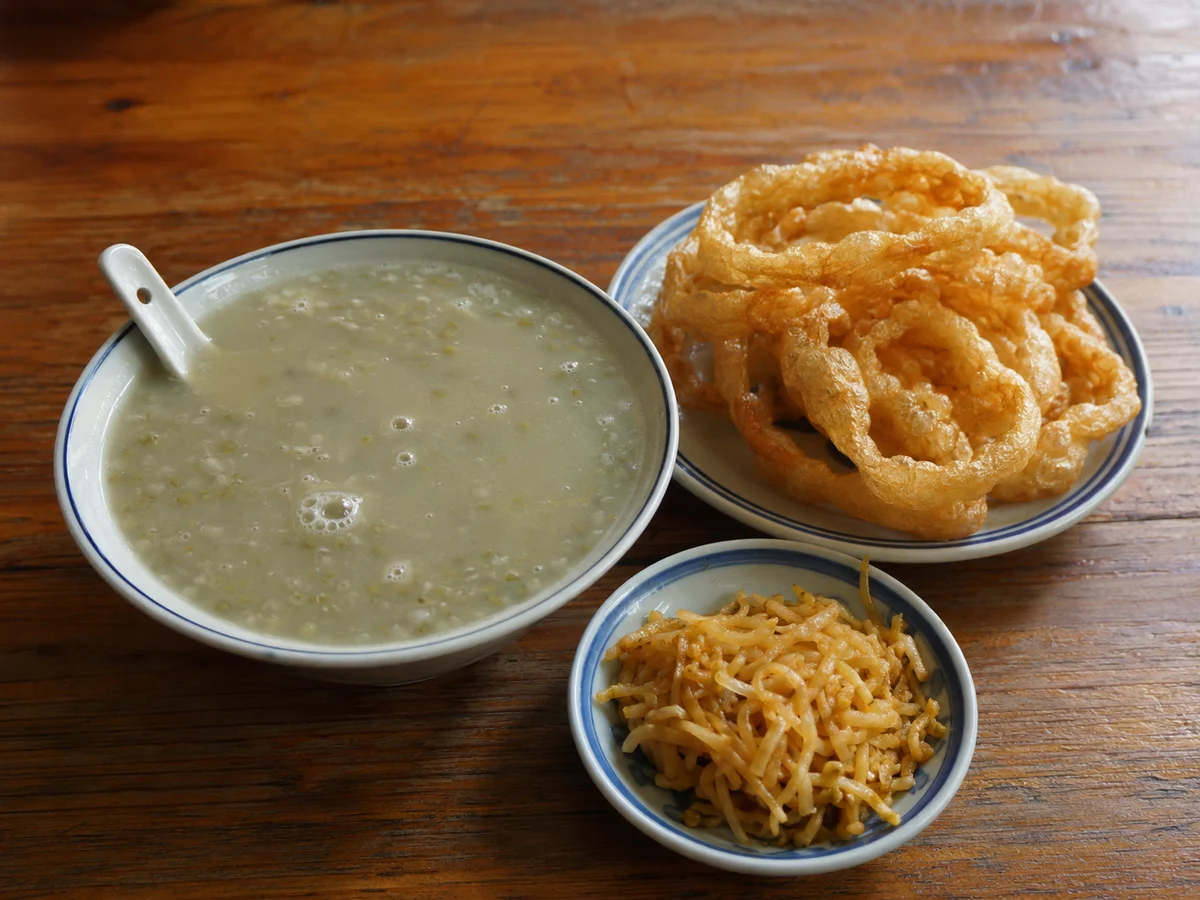
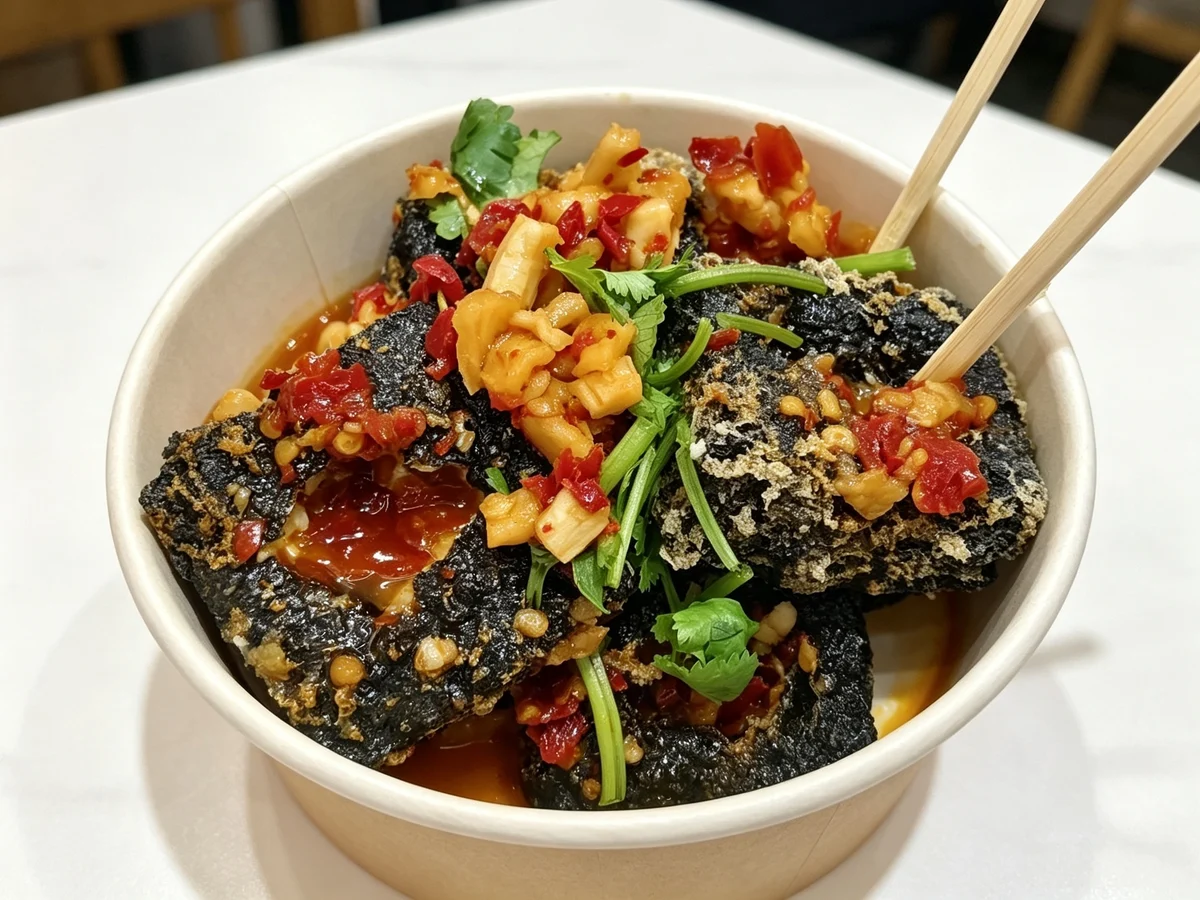
Douzhir is a fermented liquid related to mung-bean starch production, not soy milk, and its acidity and aroma belong to another system. Changsha stinky tofu combines fermentation, frying and dressing, so aroma, crisp shell and tofu center are distinct layers. Fish mint brings a direct herbal and root-like scent.
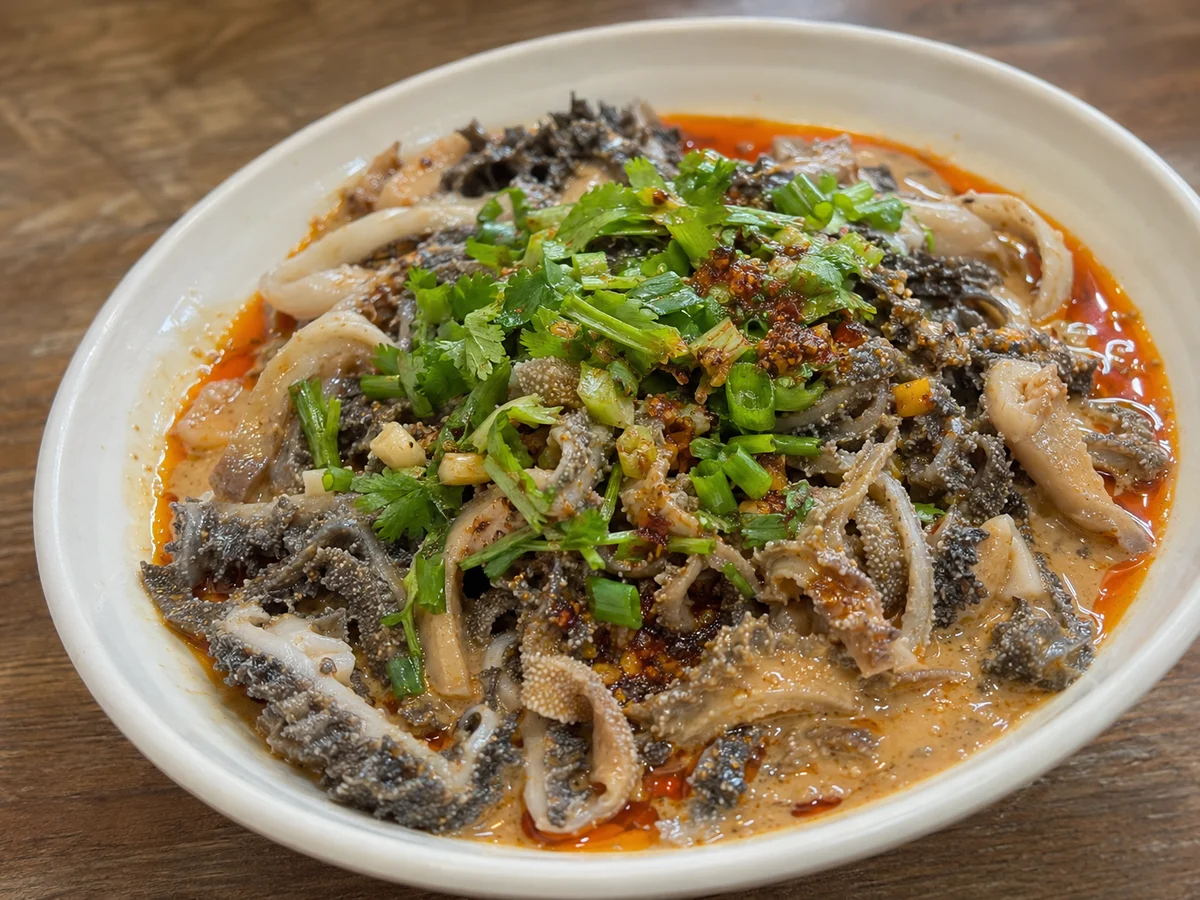
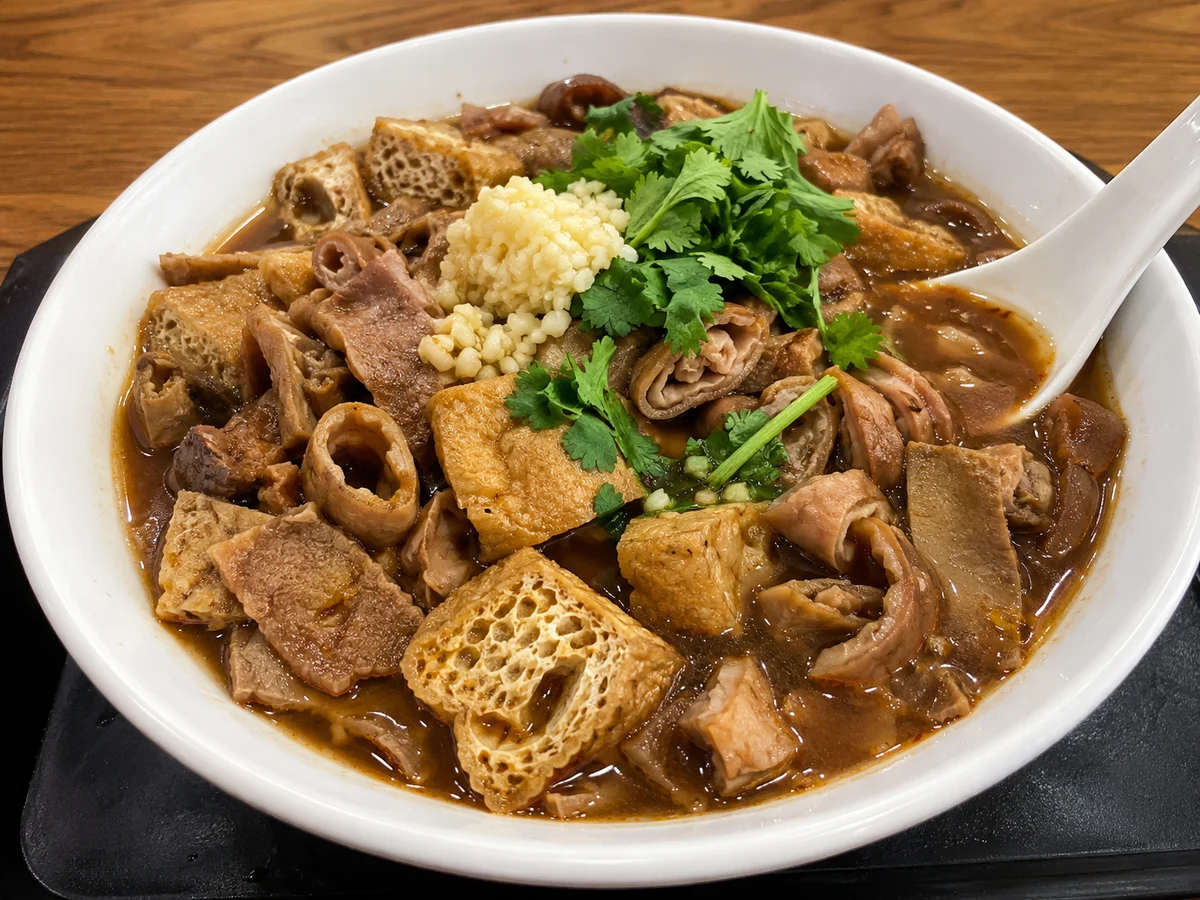
Offal is not one texture. Beijing baodu seeks a crisp-tender result from brief blanching; luzhu huoshao combines intestine, lung, tofu and wheat bread in rich broth; liver and kidney require other cooking windows. Ask which organ or cut is used before ordering.
02
A small portion, original pairing and correct temperature create a fair start
Strong foods often lose their balance when separated from their accompaniment or allowed to cool.
Order a small douzhir with jiaoquan and pickle; eat stinky tofu while the shell is crisp enough to accept garlic, chilli and broth; eat quick-blanched tripe immediately with sesame sauce. Tough tripe several minutes later does not represent the cook’s intended texture.
Smell first, taste a small bite and notice how acidity, salt, savoriness, bitterness, herbs and fermentation change after swallowing. You are allowed to dislike it, but personal reaction is not a quality diagnosis. Compare at a specialist with steady local trade rather than a tourist challenge set.
03
Distinguish intended flavor from spoilage or poor handling
Fermentation and strong aroma do not cancel hygiene, temperature and freshness.
A reliable shop can identify the ingredient and eating method, keep cooked food at a safe temperature, fry in fresh batches and clean offal properly. Putrefaction, unusual slime, uncontrolled temperature or an unknown source should not be defended as “supposed to be smelly.”
Hairy tofu, fermented bean curd and other cultured soy foods use controlled microbes; local gels such as tusundong also have specific ingredients. Do not forage, improvise unfamiliar fermentation at home or serve an unidentified product to someone with allergy or immune concerns.
04
Reject spectacle while preserving everyone’s choice
Respecting a tradition does not require anyone to finish the food.
Do not hide ingredients, film reactions without consent or make “most disgusting” and “bravery test” the entire story. More useful questions are where people eat it, what the ideal texture is and what accompanies it.
A table can share a small portion and anyone can decline after hearing the ingredients. Food exchange is about understanding rather than courage. Disliking the taste after one fair bite is compatible with respecting the craft.
Quick-reference tool
A difficulty matrix without the “weird food” ranking
The scale estimates how unfamiliar flavors, aromas or textures may feel to a first-time diner; it does not rank a food’s local value.
| Food | Likely challenge | You may like it if you already enjoy… |
|---|---|---|
| Douzhir | Strong fermented sour aroma | Sour beer, fermented grain drinks or assertive yogurt |
| Quick-blanched tripe | Springy offal texture | Tripe dishes, tendon or very al dente seafood |
| Changsha stinky tofu | Fermented aroma before a crisp-hot bite | Blue cheese, natto or other aromatic ferments |
| Zheergen | Distinct herbal, earthy and fishy associations | Cilantro, fish mint or strongly aromatic herbs |
| Hairy tofu | Visible mold and fermented savoriness | Bloomy-rind cheese or fermented bean products |
| Tusun jelly | Cold set texture and unfamiliar marine ingredient | Aspic, jellyfish salad or chilled savory gelée |
| Niubie hot pot | Bitter herbal broth and ingredient knowledge | Bitter greens, medicinal broths or intense offal cooking |
Start with the smallest practical portion and the food’s normal accompaniment. Difficulty changes sharply when a fried item cools, a fermented drink loses its pairing or a jelly is served outside its usual context.
What a real photograph should prove
Scale
Show the actual portion and serving vessel, not only an isolated close-up.
Texture
A cut surface, broth or crisp exterior helps a reader understand what prose cannot.
Context
Counter, condiment and companion foods explain how locals encounter the item.
No reaction bait
The image should document food, not use a diner’s disgusted face as the primary subject.
Field method
Taste unfamiliar foods without turning them into a stunt
Aroma, bitterness, fermentation and offal become more intelligible when you know the intended texture, accompaniment and serving temperature.
Name the actual source of difficulty
“Weird” hides whether the challenge is smell, texture, ingredient knowledge or social expectation.
Douzhir brings sour fermented aroma; quick-blanched tripe asks for springy texture; stinky tofu combines fermentation with frying; zheergen has a distinctive herbal-earthy note. Read the composition first and choose one variable you genuinely want to explore.
Order a small portion, eat it at the intended temperature and use its normal accompaniment. Cold fried tofu or douzhir without jiaoquan can exaggerate the least friendly trait. It is acceptable to dislike the result; respectful tasting does not require finishing a large order.
Evaluate technique, not courage
The question is whether the cook achieved the local target.
Tripе should be resilient rather than leathery, fried tofu crisp outside and porous within, and fermented drinks cleanly sour rather than spoiled. Ask staff how regular diners combine sauces and sides.
Avoid filming companions or vendors as part of a disgust reaction. These foods are ordinary or valued to other diners. Compare specific sensations and stop when you have enough evidence.
Worked example
Worked example: a three-item tasting
Two visitors want to explore without wasting food.
- Step 1 · Select contrasts
Choose one fermented drink, one fried snack and one texture-led dish.
- Step 2 · Confirm portions
Order the smallest sizes and share only where hygienically appropriate.
- Step 3 · Use context
Keep the traditional accompaniment and eat hot items immediately.
- Step 4 · Describe precisely
Discuss sourness, spring, aroma and sauce instead of ranking foods by shock.
The tasting becomes a lesson in technique and preference, not a performance built around disgust.
FAQ
Frequently asked questions
How is douzhir different from soy milk?
Douzhir is a fermented liquid associated with mung-bean starch production. Soy milk is normally made from soybeans and has a different process and flavor.
Does a strong smell mean stinky tofu has spoiled?
Controlled fermentation creates a distinctive aroma, but sourcing, storage, frying temperature and abnormal spoilage signs still matter.
How can I politely refuse offal?
Say clearly that you do not eat that cut and thank the host. There is no need to hide the ingredient or insult the food to explain a personal choice.
Sources
Sources and further reading
These sources support the food names, regional context, techniques and dining practices used in this guide. Individual restaurants, households and cities still vary.