
Compare systems
Trace where heat, aroma, acidity and fermentation come from
Do not compare the provinces with one chilli score. Use representative dishes to identify the source and job of each strong flavor before describing the difference.
01
Mala and fresh-chilli heat are not two levels on one scale
They describe aroma sources, mouthfeel and seasoning structure.
Sichuan ma comes from the citrus aroma and sensation of Sichuan or rattan pepper and often meets chilli, but mala is only one of many flavor systems. Doubanjiang, fermented black beans and pickles add depth, while sweet-sour balance and garlic create other directions such as yuxiang.
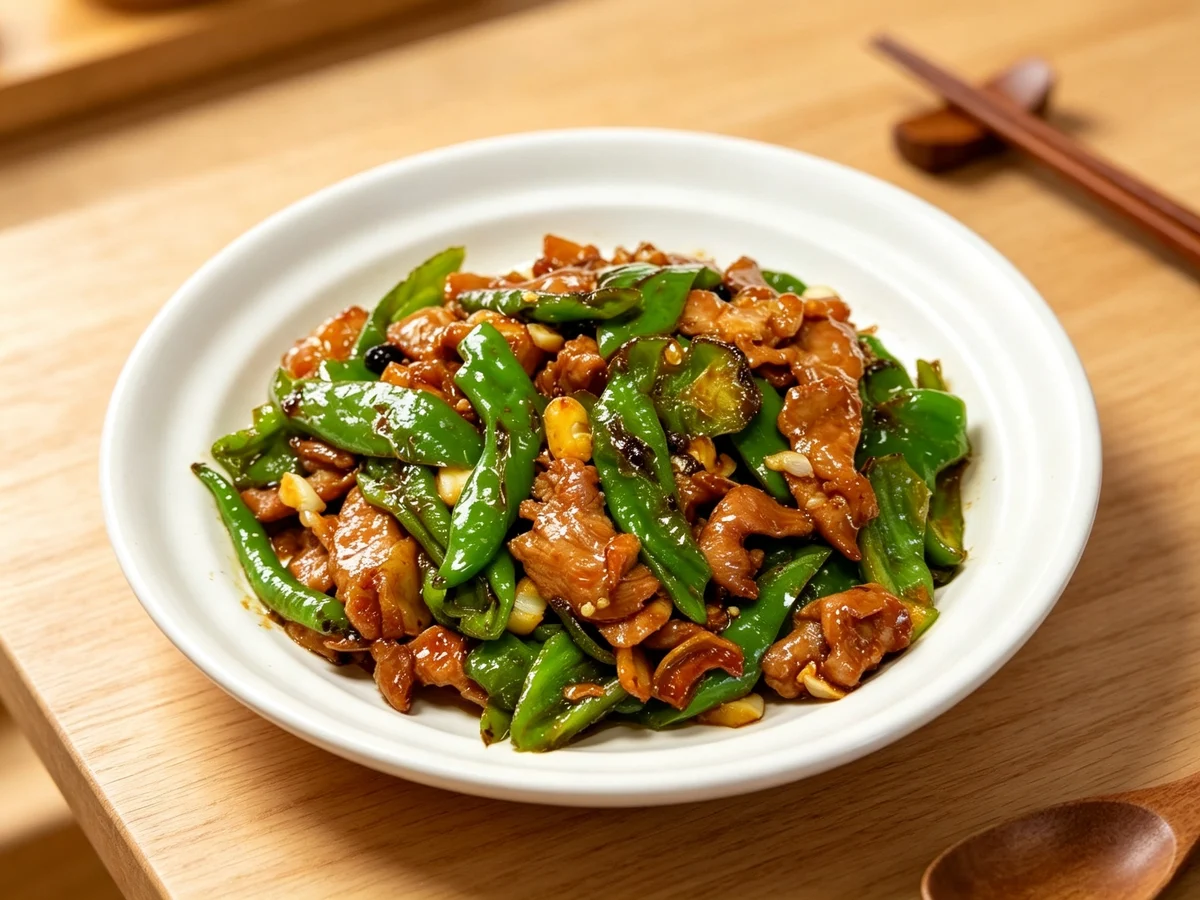
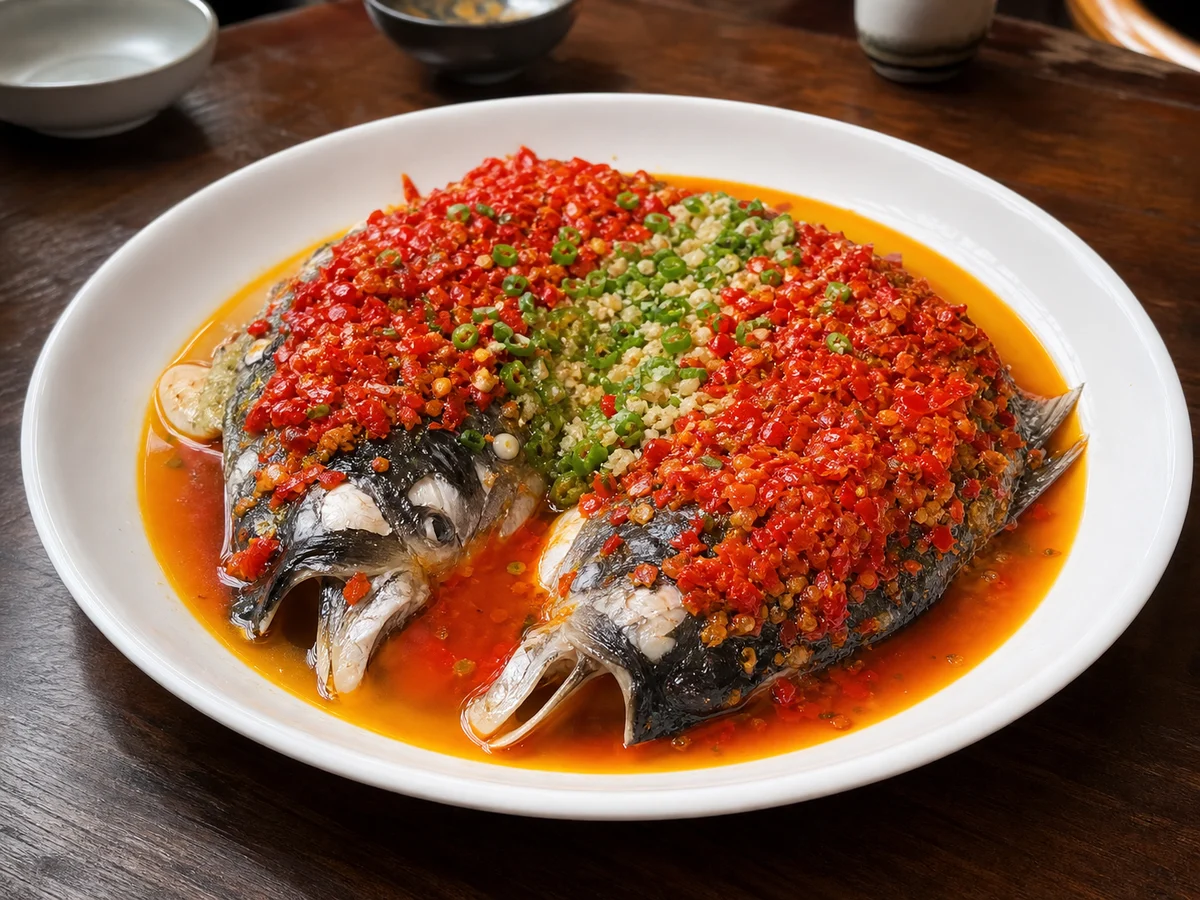
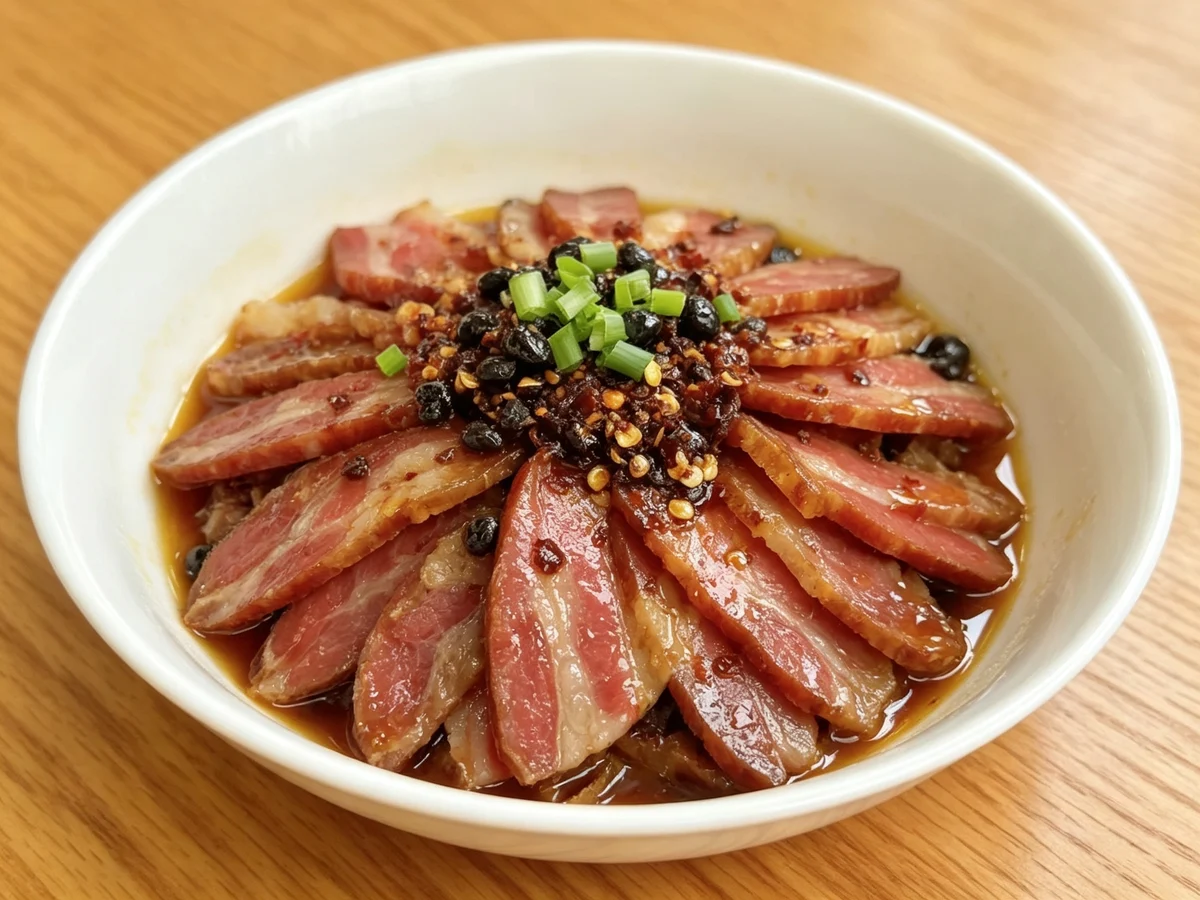
In Hunan stir-fries, fresh chillies can function as visible vegetables with green aroma, moisture and changing texture. Salted or fermented chopped chilli suits steamed fish; cured meat and pickles introduce smoke, salt and acid. None is adequately described as simply more direct heat.
02
Compare dishes with the same role at the table
A hot-pot meal and one quick stir-fry cannot fairly stand in for entire cuisines.
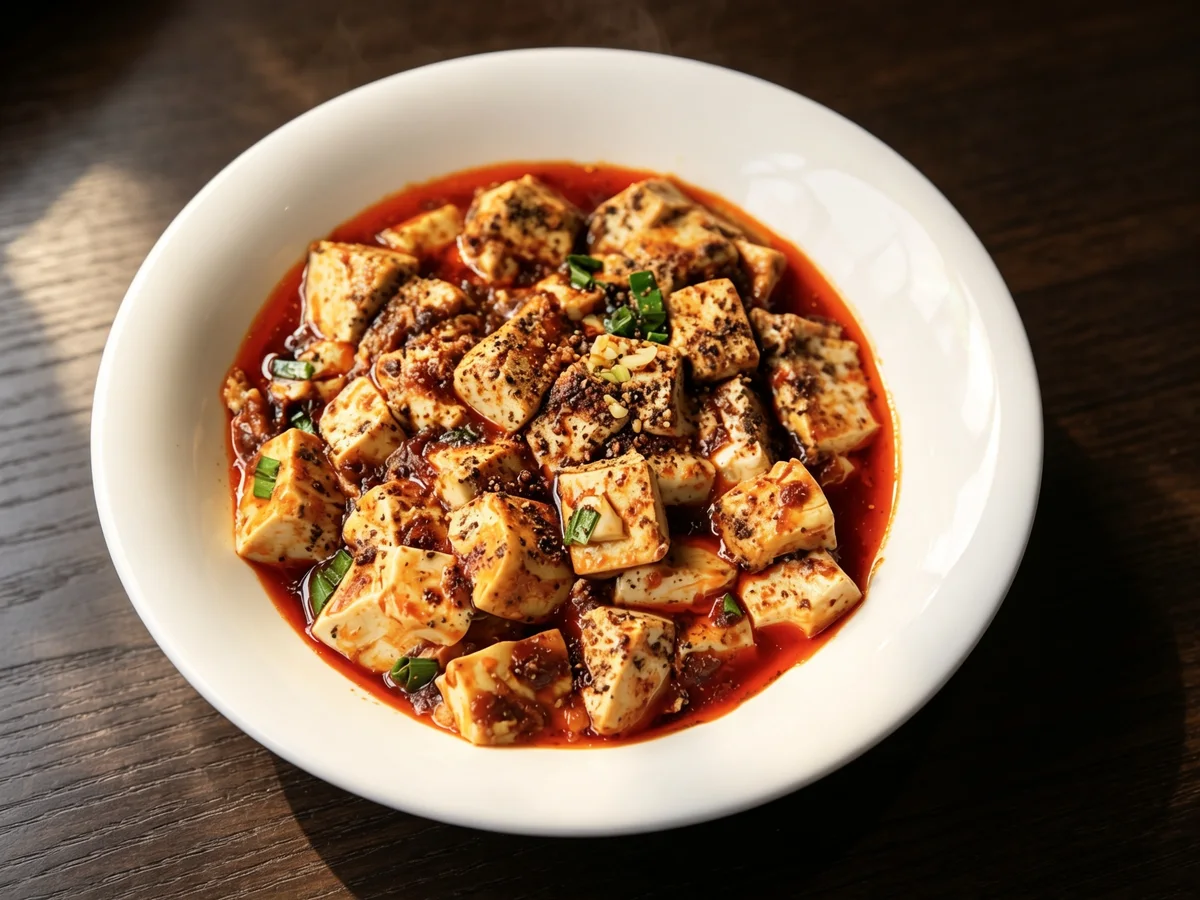
Compare mapo tofu with a Hunan homestyle tofu dish, Sichuan twice-cooked pork with Hunan chilli pork, or pickles from the two regions. Similar anchors reveal how fermentation, chilli, meat and vegetables are organized differently.
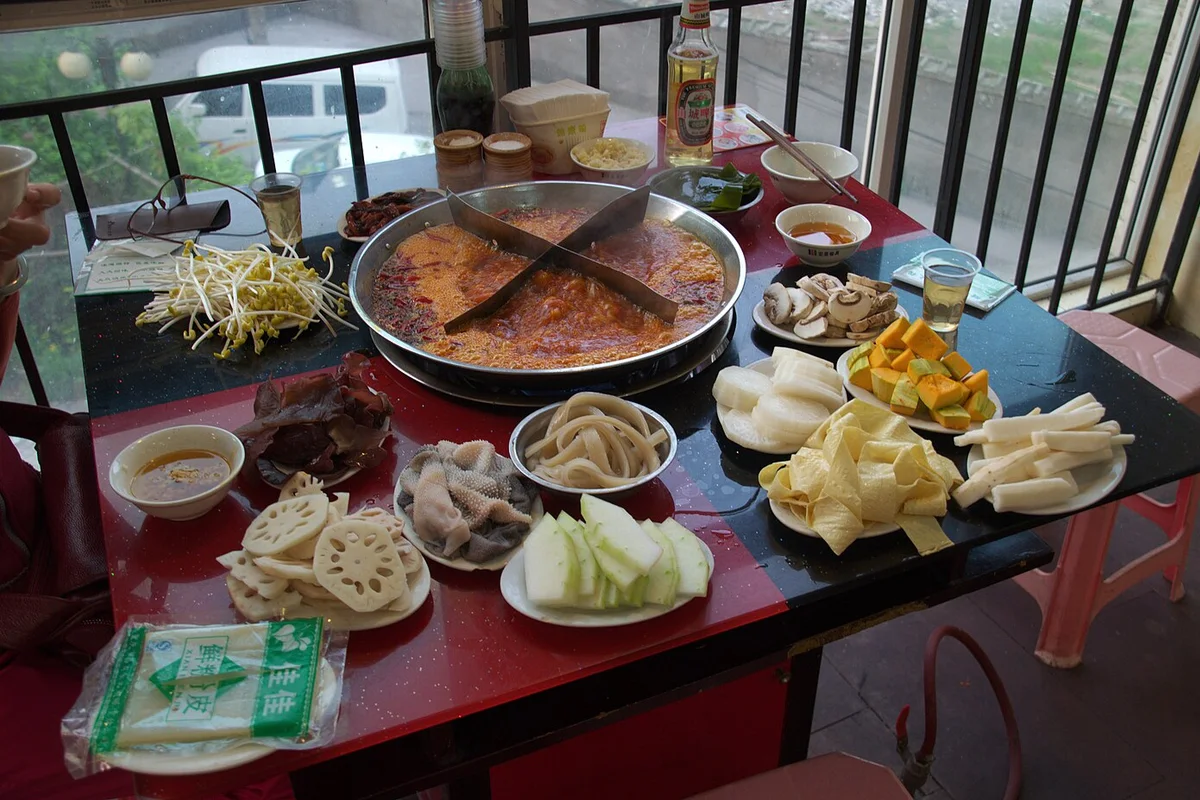
Sichuan hot pot is cumulative shared cooking; Hunan fresh-chilli dishes depend on fast wok service with rice. Choose hot pot for a slow interactive meal with many ingredients, or Hunan stir-fries when the table wants several distinct hot plates.
03
Neither table should become an undifferentiated field of red
Choose one strongest center and use vegetables, soup and a staple to reveal it.
A first Sichuan table can center on mapo tofu or twice-cooked pork with a cold dish, greens, mild soup and rice. A Hunan table can choose chopped-chilli fish head, chilli pork or steamed cured meats, then balance it with plain vegetables and rice.
Several red-oil cold dishes, mala mains and a red hot pot—or three fresh-chilli meats—cause fatigue and hide internal range. Ask which chilli system a dish uses and whether it can be adjusted rather than requesting one abstract heat level.
04
Geography, preservation and city restaurants shape the differences
A cuisine is not a fixed sauce attached to an overseas beef dish.
The Sichuan basin, salt history, pickling and douban fermentation differ from Hunan’s Dongting Lake region, western mountains, cured meats and fresh-chilli markets. Cities and families within each province still vary widely.
Szechuan beef and Hunan beef on overseas menus are parts of diaspora restaurant history, not complete summaries of either province. Treat them as local adaptations while returning to named regional dishes for ingredients and technique.
Peppercorn and chilli varieties change with city, season and restaurant. A useful comparison records whether chilli is fresh, dried, pickled or oil-based and how it meets fermentation, acidity, smoke and texture instead of ranking which province is hotter.
Compare
Hunan beef vs Szechuan beef: what the menu names mean
“Hunan beef” and “Szechuan beef” are mostly names on overseas Chinese-restaurant menus rather than fixed dishes in China. Each kitchen sets its own recipe, so read the pattern below as a common tendency, not a rule.
Sliced beef with generous vegetables (broccoli, carrot, pepper, onion) in a savory brown sauce
Sliced or lightly crisped beef in a sweeter, spicier sauce, often with dried chillies
Savory and garlicky, with moderate fresh-chilli heat
Sweet-hot and deeper, often thicker, sometimes a small nod to numbing pepper
Cleaner, brighter chilli heat
Sweetness and heat tend to rise together
Usually a larger share of the plate
Often fewer vegetables; more chillies and aromatics
Tender slices in a light sauce
Beef may have crisper edges in a clingier glaze
The closest real Hunan style is a fresh-chilli stir-fry such as 小炒黄牛肉
No single Sichuan dish; think 水煮牛肉 (water-boiled) or 干煸牛肉丝 (dry-fried)
The useful takeaway is not “which is spicier,” but that both names come from overseas-menu shorthand: Hunan beef leans savory with cleaner heat, while Szechuan beef leans sweet-hot and heavier. Authentic Hunan and Sichuan beef cooking is far broader— see stir-fried Hunan beef (小炒黄牛肉) , or compare the wider Sichuan flavor system and Hunan flavor system.
For cleaner, fresher heat
Order Hunan beef. It usually arrives savory and garlicky, with more vegetables and less sugar.
For sweeter, deeper spice
Order Szechuan beef. Expect more sugar and dried chillies, and sometimes crisper beef in a thicker glaze.
For the genuinely authentic dish
Both English names are rare in China. For a real Hunan style, look for 小炒黄牛肉; for Sichuan, look for 水煮牛肉 or 干煸牛肉丝.
Before you order
Recipes vary widely between kitchens. Asking the restaurant “how sweet and how spicy is each one?” tells you more than the name does.
Quick-reference tool
Seven differences before the takeout-beef question
Cuisine comparison comes first. “Hunan beef” and “Szechuan beef” on overseas menus are a related but narrower restaurant convention.
| Dimension | Sichuan tendency | Hunan tendency |
|---|---|---|
| Chilli form | Dried chilli, chilli oil and broad-bean paste often layer together | Fresh green/red chilli and salted chopped chilli are often visibly structural |
| Sichuan pepper | Frequently important for numbing aroma, though not universal | Not a defining requirement; heat often reads as direct chilli |
| Fermented seasoning | Pixian-style doubanjiang and fermented beans are major tools | Salted chilli, pickled vegetables and preserved ingredients provide depth |
| Sourness | Can appear through pickles and vinegar within varied flavor profiles | Often prominent alongside fresh or pickled chilli |
| Smoke and curing | Present, but not the default explanation of the cuisine | Smoked and cured pork is a particularly visible regional theme |
| Representative technique | Dry-frying, water-boiling, braising and chilli-oil cold dishes | Fast stir-frying, steaming under chopped chilli and cured-meat preparations |
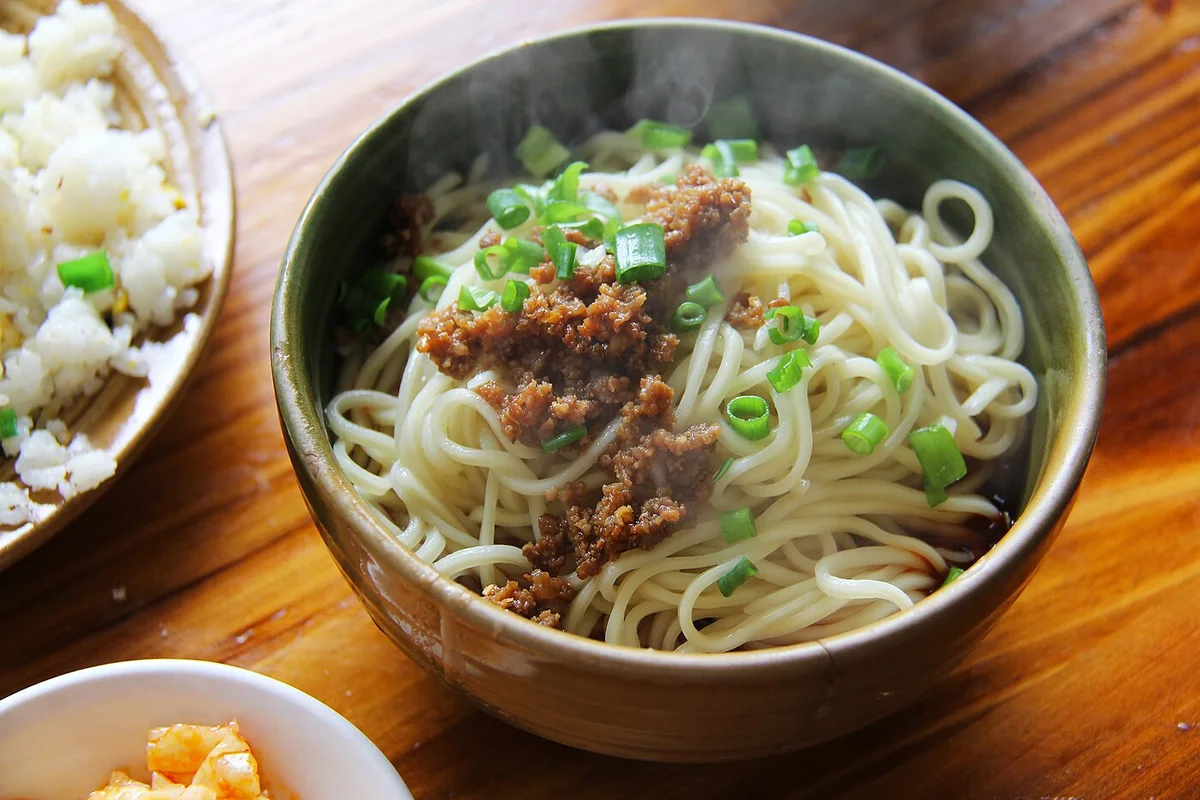
| Representative dishes | Mapo tofu, dan dan noodles, twice-cooked pork, hot pot | Chilli pork, chopped-chilli fish head, Dong’an chicken, steamed cured meats |
“Szechuan” is an older spelling still common on overseas menus; “Sichuan” is the standard modern romanization. A menu’s beef label does not reliably identify how restaurants in either province cook beef.
How to compare without palate fatigue
One signature each
Choose a Sichuan dish built on doubanjiang or pepper and a Hunan dish built on fresh or chopped chilli.
Keep a neutral control
Rice and a gentle vegetable make seasoning differences easier to perceive.
Separate the meals
Two specialist restaurants on different days produce a fairer comparison than one hybrid menu.
Record the mechanism
Describe numbness, fresh-pepper aroma, sourness, smoke and fermentation instead of only a heat score.
Field method
Compare seasoning systems, not a mythical heat ranking
Sichuan and Hunan cuisines both use chilli, but ingredient form, fermentation, aroma and representative dishes explain more than “which is hotter.”
Track the source of heat and savoriness
Sichuan pepper, fermented broad-bean paste, chilli oil, fresh chilli and chopped salted chilli play different roles.
Many Sichuan dishes layer doubanjiang, dried chilli and Sichuan pepper for fermented depth and numbing aroma. Hunan cooking often makes fresh green chilli or duojiao visibly structural and pairs it with smoked or cured ingredients. Neither description covers every dish.
American menu labels such as Szechuan beef and Hunan beef are restaurant conventions, not complete definitions of regional cooking. Compare the actual ingredients and sauce instead of reverse-engineering a province from one takeout name.
Design a fair tasting
One dish from each region cannot represent millions of meals, but it can isolate a useful variable.
Compare mapo tofu with Hunan chilli pork to study fermented paste versus fresh pepper, or boiled fish with chopped-chilli fish head to study liquid, bones and salted chilli. Match portion and context as closely as possible.
Include rice and a gentle vegetable. Heat fatigue destroys discrimination, so do not stack four intense dishes and then rank only the final burn.
Worked example
Worked example: a two-restaurant comparison
Four diners visit specialists on separate days.
- Step 1 · Sichuan meal
Order mapo tofu, a non-spicy vegetable and rice; note numbness, chilli and fermented depth separately.
- Step 2 · Reset
Do not schedule the Hunan meal immediately afterward.
- Step 3 · Hunan meal
Order chilli pork, a gentle soup and rice; note the vegetable role of fresh chilli.
- Step 4 · Compare
Discuss aroma, acidity, fermentation and texture—not only maximum heat.
Separate meals reduce kitchen and palate variables while avoiding universal claims from two dishes.
FAQ
Frequently asked questions
Is Hunan cuisine always hotter than Sichuan cuisine?
There is no reliable universal ranking. Dish, restaurant, chilli type and personal perception vary; aroma and seasoning systems are more useful differences.
Does every Sichuan dish contain Sichuan pepper?
No. It is important, but Sichuan cooking also includes salty-savory, yuxiang, garlic, sweet braises, pickles and clear soups.
What first dishes make a useful comparison?
Try mapo tofu or twice-cooked pork for Sichuan and chilli pork or chopped-chilli fish head for Hunan, with rice and a fresh vegetable on both tables.
Sources
Sources and further reading
These sources support the food names, regional context, techniques and dining practices used in this guide. Individual restaurants, households and cities still vary.