
Choose by texture
Start with temperature, base and mouthfeel before sweetness
Chinese desserts are easier to navigate when pudding, soup, pastry, sticky rice and shaved ice are treated as different formats. Choose the sensation you want first.
01
Sweet food is spread across the day and the seasons
Sweet soups, pastries, milk puddings and festival foods do not all perform the same after-dinner role.
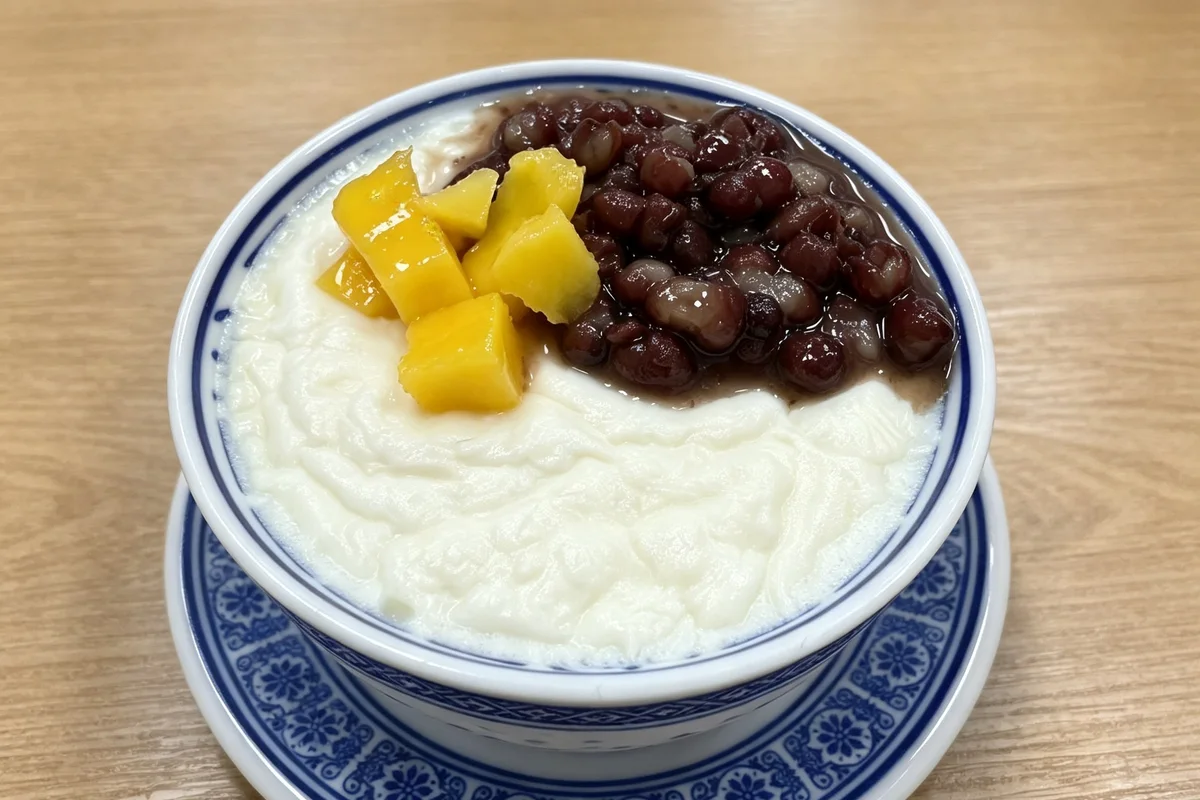
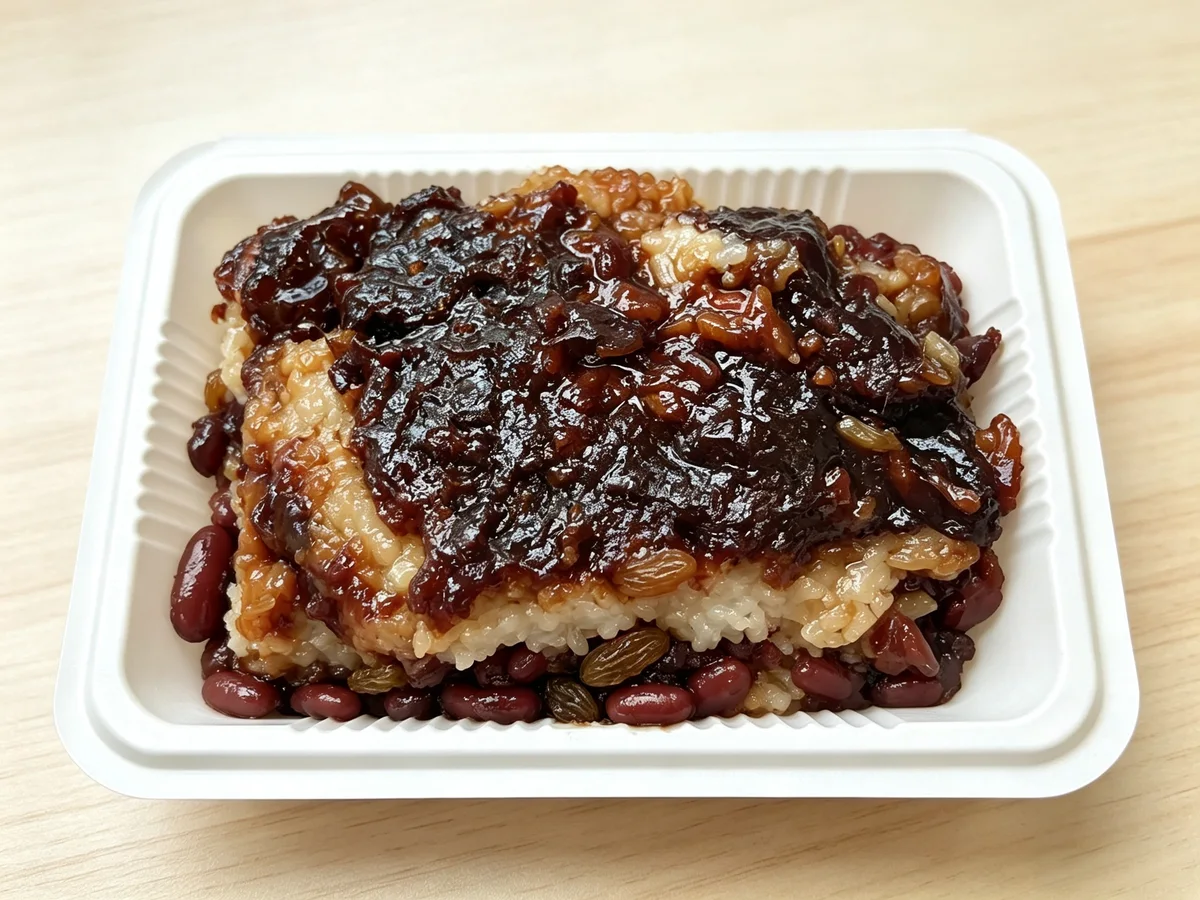
Red-bean soup, black-sesame soup, almond tea and sweet fermented rice can be warm and spoonable. Double-skin milk, douhua and herbal jelly are softly set. Tangyuan, ludagun, zenggao and rice cakes make stickiness and chew part of the pleasure.
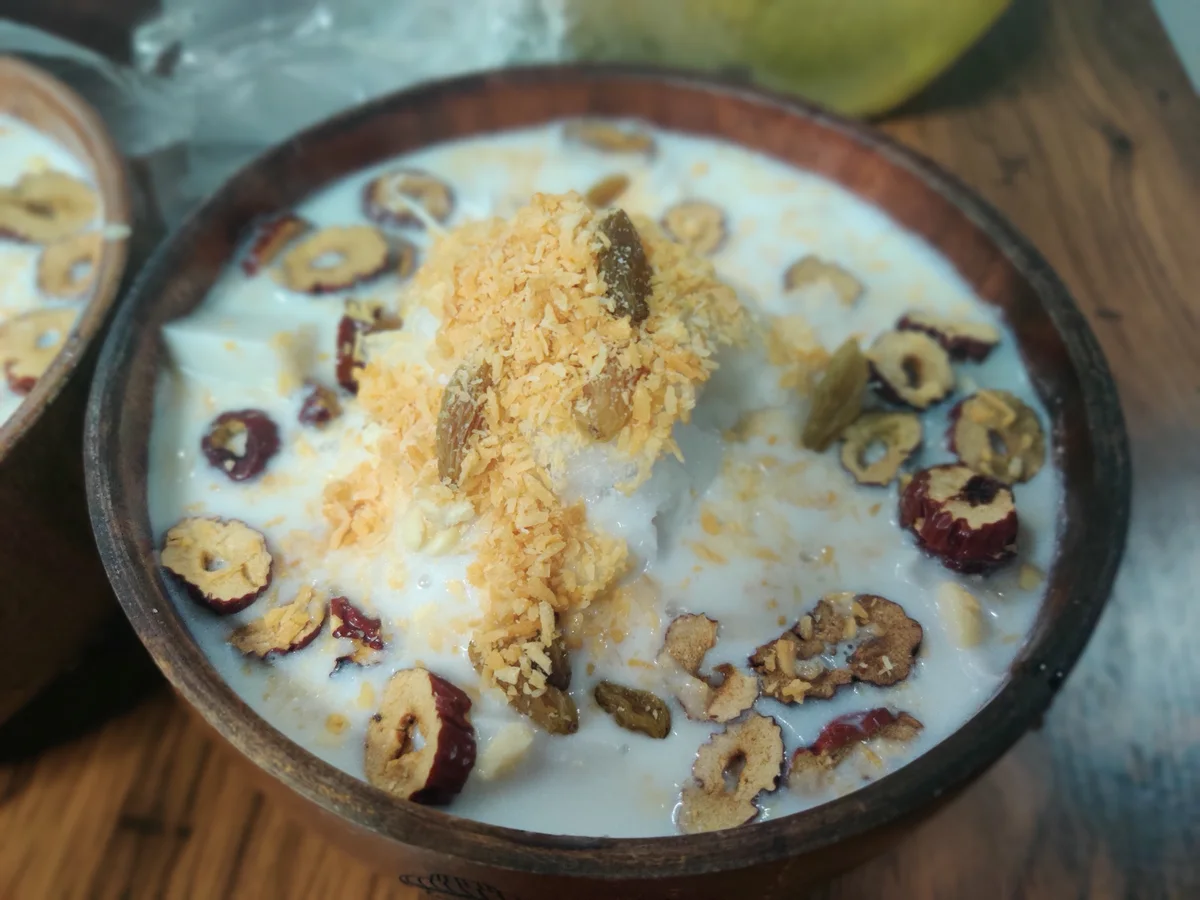
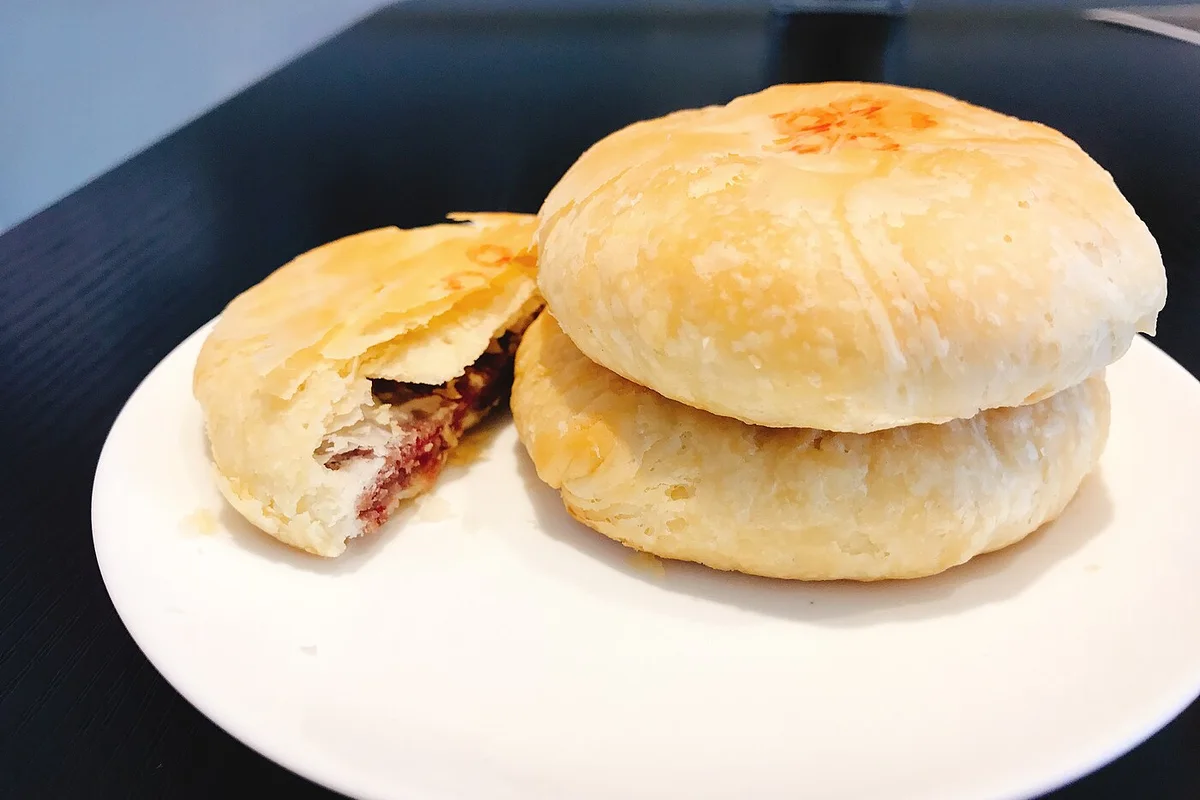
Hainan qingbuliang, mango pomelo sago and coconut-fruit bowls suit hot weather, while flower cakes, egg tarts and bean-paste pastries travel more easily. Small does not mean light: glutinous rice, bean paste, nuts and pastry can be filling.
02
Choose temperature before choosing the main texture
Temperature changes perceived sweetness and determines the food’s best state.
In cold weather or after dinner, a small warm sesame soup, red-bean soup or fermented-rice dessert can be calming. In heat, qingbuliang and chilled milk desserts refresh, but a large amount of ice, syrup and toppings does not automatically make them lighter.
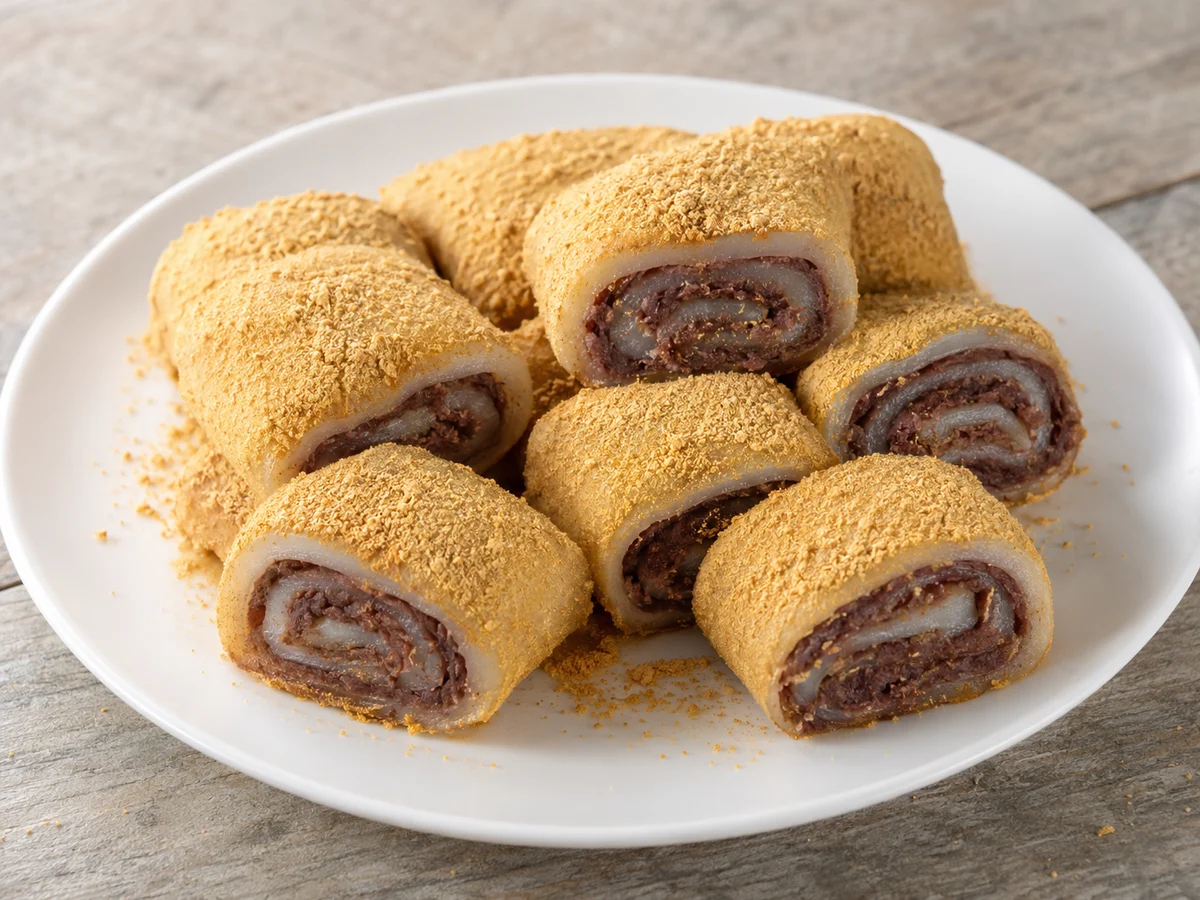
Let liquid-filled tangyuan cool before biting. Double-skin milk should show a delicate surface and tender set. Ludagun should smell of freshly roasted soybean flour and remain soft rather than hard from holding.
03
Desserts still require ingredient and allergen checks
A fruit bowl or bean dessert may also contain dairy, coconut, peanut, sesame, wheat and jelly.
Qingbuliang can use coconut milk, coconut water, condensed milk or dairy, plus peanuts, beans, barley, taro balls, fruit and jelly. Double-skin milk is dairy-led, ludagun contains soybean flour, and flower cakes and egg tarts normally contain wheat.
Ask about the liquid base, major nuts and reduced-sugar options. Vegan, lactose-free and nut-free are separate needs; “traditional dessert” and “no cream” do not answer them.
04
Use one contrasting pair to understand the category
Sharing two different structures teaches more than ordering one large bowl per person.
Compare a warm sweet soup with a chilled milk pudding, or silky double-skin milk with chewy ludagun. A Hainan comparison can focus on coconut, beans and fruit; a Beijing comparison can focus on bean paste, soybean flour and glutinous rice.
Taste the original version before adding syrup, condensed milk or more toppings. A clear main flavor and fresh texture matter more than a “deluxe” bowl containing everything. Choose refrigerated milk, tofu, coconut and cut-fruit desserts from shops with reliable cold storage and turnover. For fried, flaky and sticky-rice sweets, pay attention to production time. Food left warm for a long time is not made safe again by adding ice.
Quick-reference tool
Choose by texture and temperature
Sweetness alone is a poor guide to Chinese desserts.
| Family | Examples | Best expectation |
|---|---|---|
| Chilled coconut bowl | Qingbuliang | Fruit, beans, grains and jellies in coconut water or milk; confirm dairy additions |
| Milk pudding | Double-skin milk | Soft set, dairy-forward and served warm or chilled depending on shop |
| Baked pastry | Flower cake | Flaky wheat pastry with aromatic filling; check nuts and fat |
| Glutinous grain | Zenggao, tangyou baba | Dense chew and substantial satiety; fried versions decline quickly |
| Sweet soup | Bean, sesame, nut or fruit soups | Temperature and thickness vary; not all are meal-ending desserts |
For four people, one chilled bowl, one pastry and one warm or chewy item produce a clearer comparison than three similar cakes.
Ingredient checks
Dairy
Coconut-based bowls may still contain condensed milk or ice cream.
Allergens
Sesame, peanut, tree nuts, wheat and egg appear across fillings, toppings and pastry.
Animal fat
Traditional or commercial pastries may use lard; verify when vegetarian status matters.
Field method
Choose Chinese sweets by texture, temperature and meal context
Chinese dessert is not one final cake course. Sweet soups, chilled coconut bowls, milk puddings, glutinous-rice snacks and pastries appear at different times and sweetness levels.
Start from the texture family
A diner who dislikes one sticky rice cake may still enjoy a silky milk pudding or clear sweet soup.
Double-skin milk is softly set and dairy-led; qingbuliang layers chilled coconut liquid with beans, grains and fruit; flower cakes are baked pastries with aromatic filling; zenggao and tangyou baba foreground glutinous grains and chew. Describing them all as “not too sweet” says little about the actual experience.
Ask whether an item is hot or cold, liquid or set, and made to order or pre-portioned. Temperature affects aroma and firmness. Fried glutinous snacks should be eaten promptly, while a chilled sweet soup may work better after a hot or spicy meal.
Check hidden ingredients without stripping away the dessert
Coconut appearance does not rule out dairy, and a flower name does not reveal wheat, nuts or lard.
Confirm milk, condensed milk, egg, wheat, peanut, sesame and tree nuts as relevant. Modern qingbuliang can include ice cream; pastries may use animal fat; bean and nut toppings may share scoops. Serious allergies need vendor-specific answers, not a category assumption.
Share small portions across contrasting families. One chilled bowl, one pastry and one warm chewy snack teach more than three similar cakes. Dessert can also be a street snack or afternoon stop rather than something every restaurant serves after dinner.
Worked example
Worked example: dessert for four after a spicy dinner
The group includes one dairy-free diner and wants variety without another full meal.
- Step 1 · Choose a cooling base
Confirm a coconut-water qingbuliang without condensed milk or ice cream.
- Step 2 · Add one contrasting solid
Share flower cakes after checking wheat and nut concerns.
- Step 3 · Skip redundant heaviness
Do not add several fried glutinous snacks immediately after a large dinner.
- Step 4 · Taste in sequence
Try the pastry before the chilled bowl so cold sweetness does not mute its floral aroma.
The order delivers temperature and texture contrast while treating dairy-free status as an ingredient check, not a visual guess.
FAQ
Frequently asked questions
Are Chinese desserts always less sweet?
No. Traditional sweet soups can be restrained, while modern coconut, fruit and chain-store desserts may be very sweet. Ask about syrup and sweetness.
Is qingbuliang a medicinal soup or a dessert?
The name has southern herbal-soup contexts, but the common Hainan form is a chilled coconut dessert with beans, grains, fruit and other toppings.
What is a lighter finish after dinner?
Start with a small, simply topped sweet soup or a fruit-and-coconut-water bowl, while still considering sugar, dairy, nuts and portion size.
Sources
Sources and further reading
These sources support the food names, regional context, techniques and dining practices used in this guide. Individual restaurants, households and cities still vary.
- Traditional Hong Kong Sweet Soups and DessertsHong Kong Tourism Board ↗
- Regional Ways of Making TangyuanShanghai Municipal People’s Government ↗
- Hainan Desserts and Local Food CultureHainan Provincial People’s Government ↗
- Traditional Guangzhou Snacks and Milk DessertsGuangzhou Municipal People’s Government ↗