
Change the request
Choose naturally mild structures before asking a spicy dish to change identity
Use the food pages to distinguish dishes that are mild by design from dishes whose chilli is structural. A better restaurant choice often solves more than a removal request.
01
State exactly what “cannot eat chilli” means
Preference, digestive discomfort and allergy risk require different language.
“I do not eat spicy food” works for a preference; “I cannot eat even a little chilli” is more explicit. For an allergy or medical reason, say so and ask about cross-contact. Do not use only the word light, which can mean less oil or salt without excluding chilli.
Ask whether the dish can be made with no chilli at all. Some soups, white-cut dishes, steamed foods and roasts adjust easily. Chopped-chilli fish head, chilli pork and red-oil snacks become different dishes when their central ingredient is removed.
02
Choose food that is naturally gentle
Steaming, white-cut cooking, clear stewing, roasting and some congee and noodle dishes are more reliable entrances.
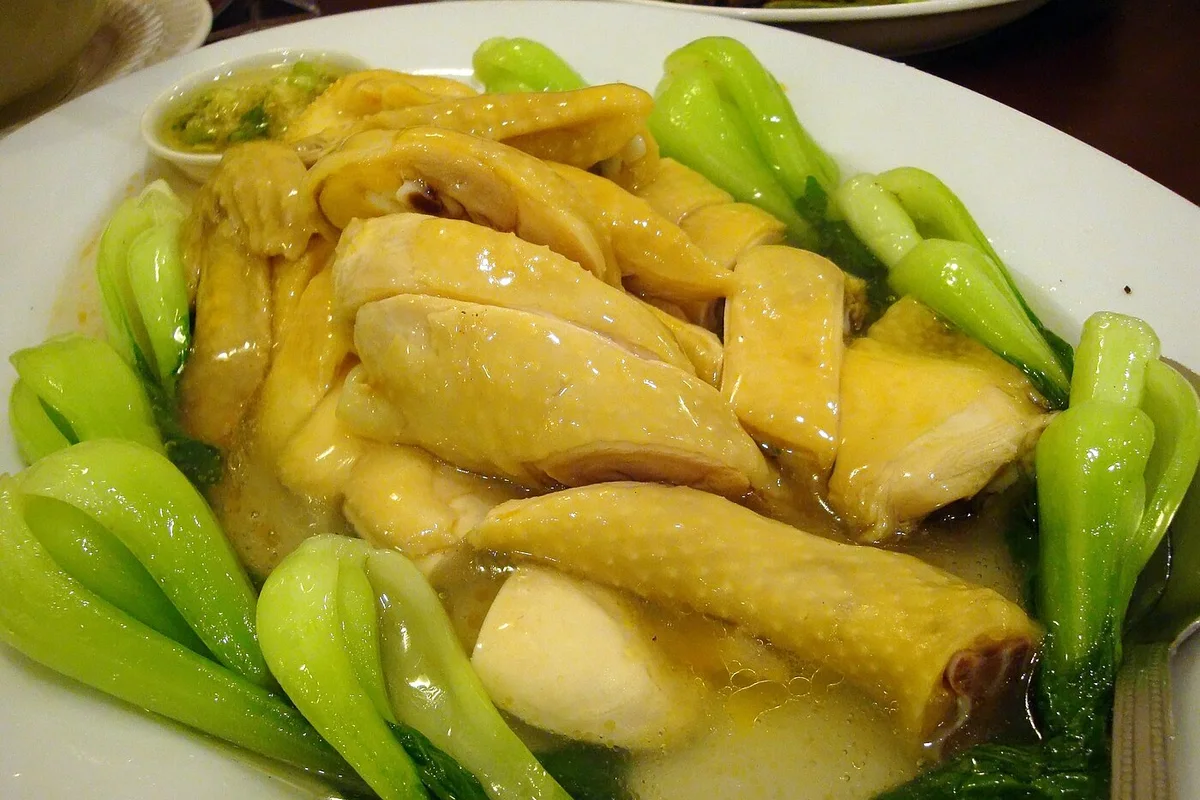
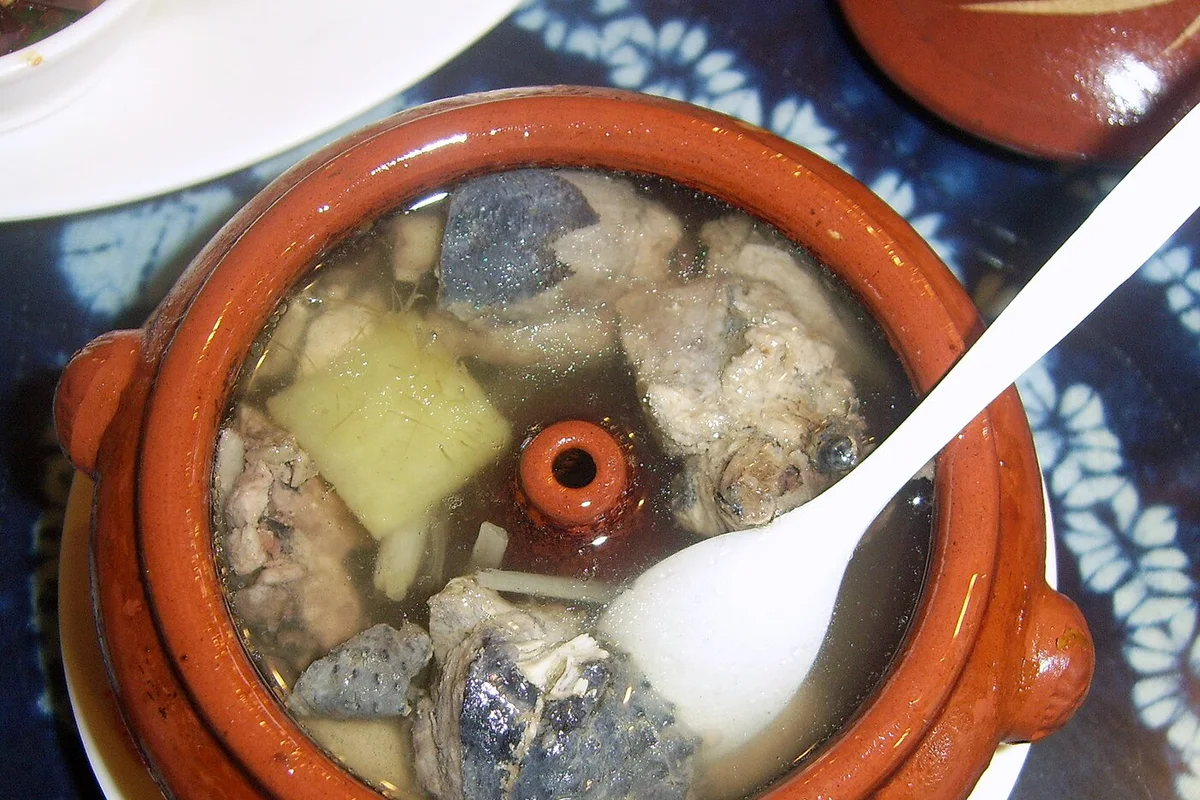
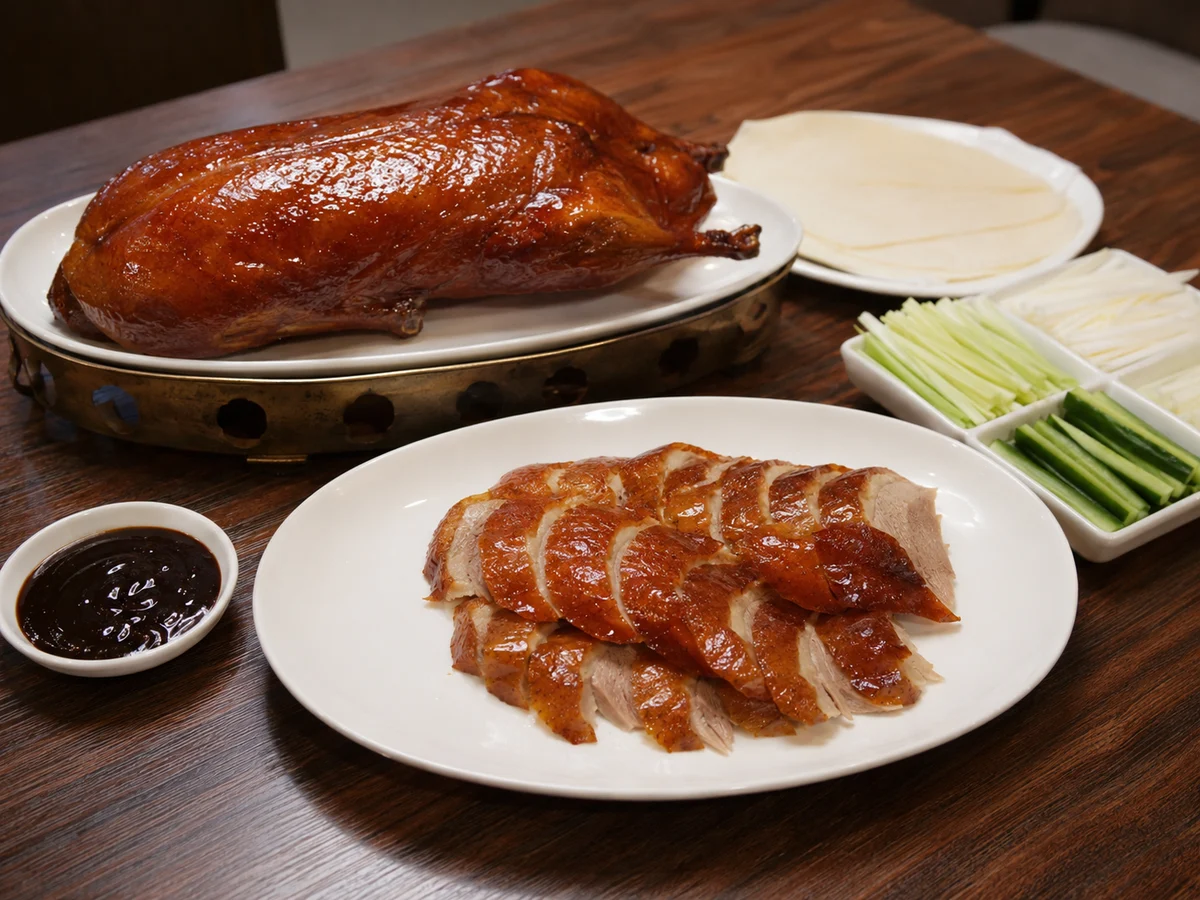
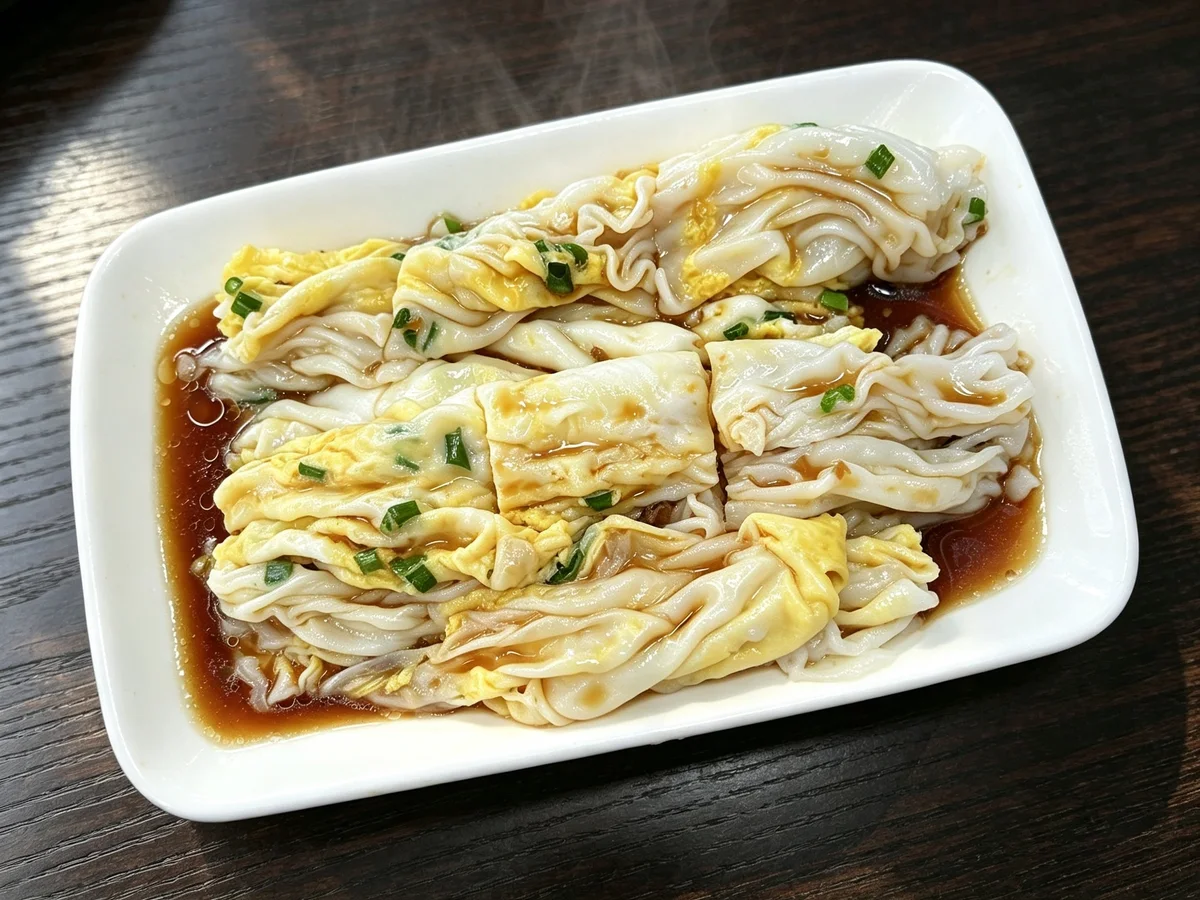
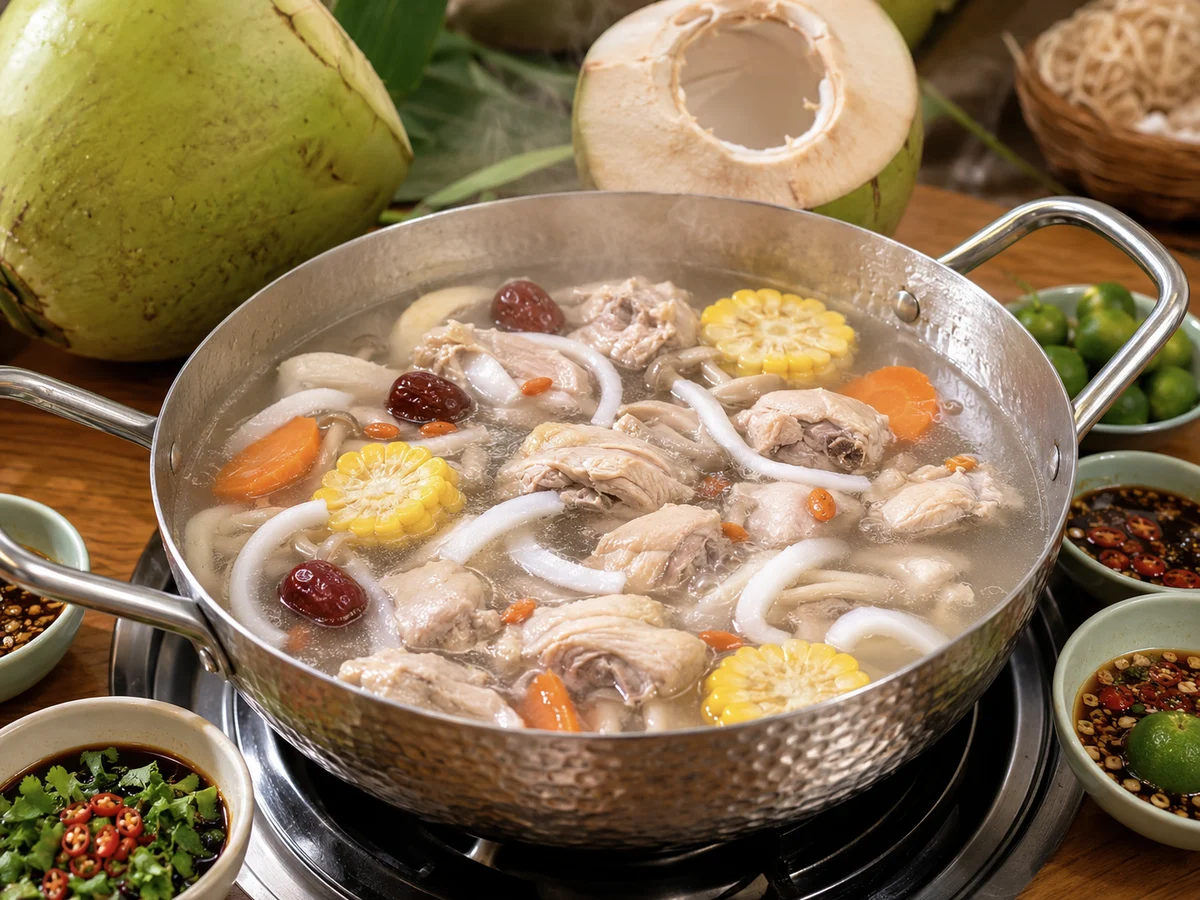
Cantonese white-cut chicken, steamed fish, rice noodle rolls, congee and some dim sum are not normally chilli-led. Yunnan steam-pot chicken builds a clear broth; Beijing roast duck uses roasting, sweet bean sauce and fresh garnish; Hainan coconut chicken can keep chilli in a personal dip.
Still confirm white pepper, chilli-oil garnish and premixed sauce. A clear hot-pot broth may contain pepper and aromatics. Terms such as fragrant-spicy, mala, chopped chilli, pickled chilli, red oil and shuizhu usually announce a chilli system.
03
Keep optional chilli separate at a shared table
One pot, dip or pair of serving chopsticks can carry chilli back to mild food.
Ask for chilli sauce, chilli oil and chopped chilli on the side in separate bowls. A divided hot pot can help, but confirm whether the divider seals and whether utensils are shared; visual separation is not medical assurance.
Agree on serving utensils and do not use chopsticks from the spicy broth on mild dishes. Start with one naturally gentle main, a vegetable and a staple so the entire meal is not a negotiation about weakening spicy dishes.
04
No chilli does not mean no depth
Savoriness, acidity, soy aroma, roasting, pepper, ginger-scallion and fermentation can still make a complete flavor.
Explore white-cut meats and dips, clear soups, roasts, steamed fish, mushroom broth, rice foods and northern wheat dishes. Pepper, mustard and ginger also create pungency, so name each one if all stimulation is a problem.
Do not describe gentle food as children’s food or flavorless. Good white-cut chicken, steam-pot broth and steaming require excellent ingredients and precise doneness. If staff answers conflict, ask them to confirm with the kitchen rather than assuming the most reassuring answer is correct.
Quick-reference tool
Match the phrase to the actual need
“Mild” can fail when the kitchen and diner mean different things.
| Need | Chinese phrase | Limitation |
|---|---|---|
| No heat | 不辣 · bù là | May still be interpreted relative to the restaurant’s normal baseline |
| A little heat is acceptable | 微辣 · wēi là | A Sichuan or Hunan baseline may still feel strong to an unaccustomed diner |
| No chilli ingredient | 不要辣椒 · bú yào làjiāo | Does not automatically remove Sichuan pepper or white pepper |
| No numbing pepper | 不要花椒 · bú yào huājiāo | Does not remove chilli |
| Medical allergy | 我对…过敏 · wǒ duì…guòmǐn | Requires ingredient and cross-contact discussion, not only a heat request |
Choose white-cut chicken, steamed fish, clear soups, roast meats or naturally gentle vegetables before trying to remove chilli from dan dan noodles, dry pot or chilli pork.
One mixed-tolerance table
Secure one complete gentle dish
Ask staff what the kitchen already prepares without chilli or Sichuan pepper.
Keep optional heat separate
Chilli oil and hot dipping sauce can serve tolerant diners without entering every plate.
Use a neutral staple
Rice belongs on the table early enough to moderate intense shared dishes.
Field method
Translate “not spicy” into a dish-selection strategy
A useful request distinguishes chilli, chilli oil and Sichuan pepper, then chooses dishes whose identity does not depend on them. Modification comes after selection, not before.
Name the sensation and the acceptable level
不辣, 微辣 and 不放辣椒 answer different questions.
Say 不辣 when you need no heat, 微辣 when a small amount is acceptable, and 不放辣椒 when visible or ground chilli must be omitted. If numbing pepper is also a problem, add 不要花椒. For an allergy, use 过敏 and discuss cross-contact; “mild” is not a medical instruction.
Ask before ordering whether chilli is structural. Dan dan noodles, Hunan chilli pork and many dry-pot dishes lose their core seasoning when stripped. White-cut chicken, steamed fish, Cantonese roast meats, clear soups and many northern wheat dishes begin from a more compatible flavor design.
Check sauces, garnishes and the restaurant’s baseline
A dish can look pale and still contain white pepper, chilli in a premade sauce or a hot garnish added at the pass.
Show the Chinese sentence to the server and ask them to recommend dishes the kitchen normally makes without chilli. Confirm dipping sauces separately; white-cut chicken itself may be gentle while a table condiment is hot. In Sichuan or Hunan restaurants, “mild” may still feel hot to an unaccustomed diner, so request one naturally non-spicy dish as insurance.
Build the table with rice, a plain vegetable and one gentle protein before adding adjustable heat for companions. Keep chilli oil on the side. This preserves a shared meal without requiring every plate to satisfy the highest heat tolerance.
Worked example
Worked example: one heat-sensitive diner in a group of four
The group enters a Sichuan restaurant; three enjoy chilli and one cannot tolerate it.
- Step 1 · State the need
Say 不辣,不要辣椒和花椒 for the sensitive diner and clarify that this is intolerance, not an allergy.
- Step 2 · Secure one compatible dish
Ask staff for a naturally gentle vegetable or soup rather than deconstructing mapo tofu.
- Step 3 · Separate optional heat
Order one chilli-led shared dish for the other three and keep its sauce and serving utensil separate.
- Step 4 · Add a neutral staple
Serve rice early and confirm that the gentle dish has no hot garnish.
The table still represents the restaurant, while the sensitive diner receives a complete dish rather than plain rice beside three unsafe plates.
FAQ
Frequently asked questions
Is “mild” safe for someone who cannot eat any chilli?
No. Mild still contains chilli and standards vary. Ask for no chilli at all and confirm whether the kitchen can do it.
Which dishes are easiest to order without chilli?
Choose foods built around steaming, white-cut cooking, clear broth, roasting or ginger-scallion seasoning rather than foods named for chilli.
Does black or white pepper count as chilli?
Pepper is botanically different but still causes pungent heat. If all irritation matters, name chilli, pepper, mustard and ginger separately.
Sources
Sources and further reading
These sources support the food names, regional context, techniques and dining practices used in this guide. Individual restaurants, households and cities still vary.
- A Cantonese Dining Guide for International Visitors to GuangzhouForeign Affairs Office of Guangzhou Municipal People’s Government ↗
- Jiangsu Cuisine: Fresh Flavors and Precise HeatEmbassy of the People’s Republic of China in India ↗
- Local Food in HainanHainan Provincial People’s Government ↗
- Ten Common Chinese Cooking VerbsShanghai Municipal People’s Government ↗