
Decode the words
Read technique, cut, ingredient and serving form separately
The food pages show how one or two characters can change the expected dish. Use them as worked examples before applying the glossary to an unfamiliar menu.
01
Step one: identify what the dish name actually tells you
Separate the main ingredient, cut, knife work, technique, flavor and place before judging the meal format.
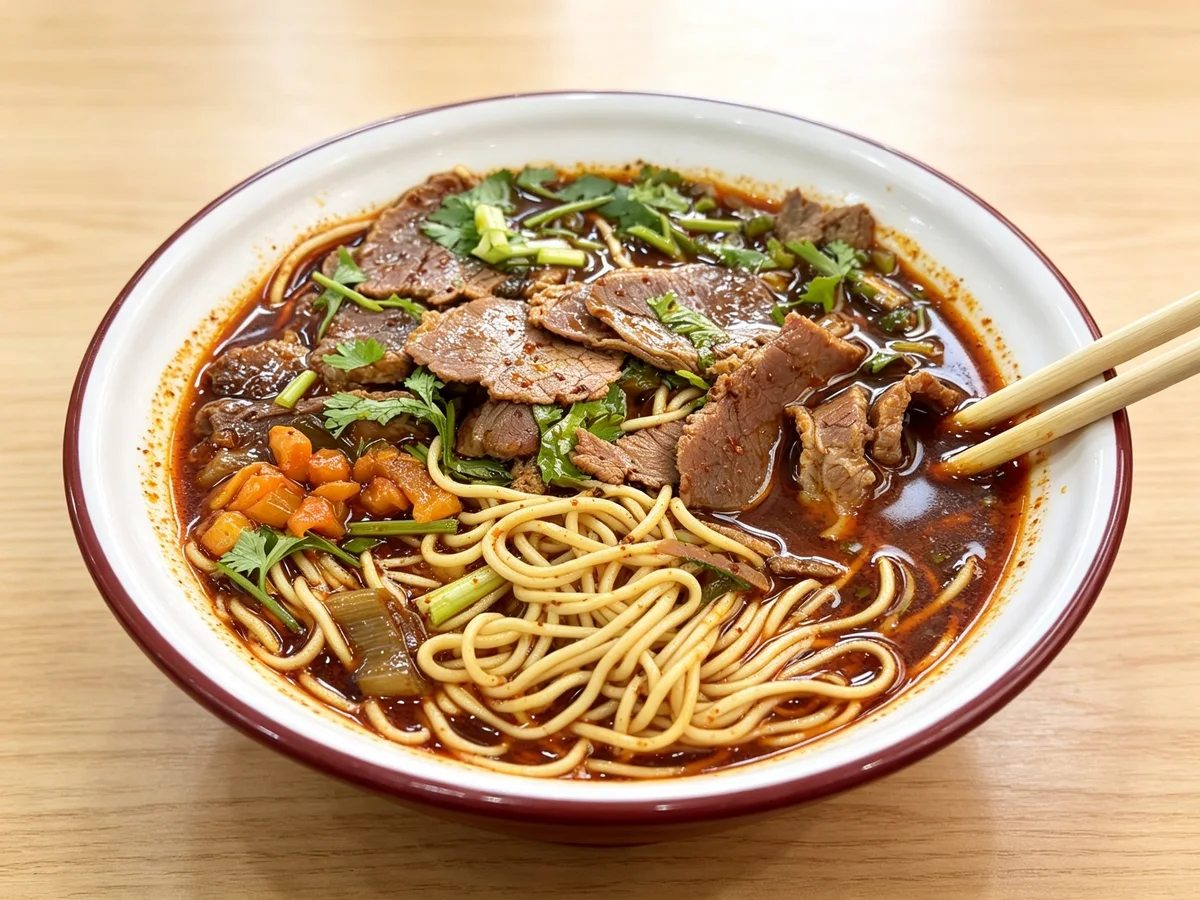
Qingzheng luyu names a technique and main ingredient; yuxiang rousi names a flavor system, pork and shredded knife cut; Xiangyang beef noodles add a place and staple. Names do not include every element or follow one fixed order. For poetic, personal or historical names, ask rather than guessing the ingredients.
English menus often compress very different foods into fried, noodles, dumplings or spicy chicken. Keeping the Chinese name or pinyin lets staff confirm the exact item and makes later comparison possible. Translation is an entry point, not a specification.
02
Step two: use the cooking verb to predict moisture and timing
Stir-fry, flash-fry, pan-fry, deep-fry, steam, blanch, boil, braise, stew, mix, swish and roast are not interchangeable.
Chao usually means quick movement in a wok; bao is hotter and faster; jian browns one or two surfaces against the pan; zha submerges food in more oil to create a shell. Steam and blanching can foreground ingredient doneness and a dip, but “clear” does not guarantee low salt, no oil or no animal seasoning.
Shao, men, dun and bao can all involve longer cooking but differ in liquid, reduction and vessel. Shuizhu can mean simply boiled in ordinary speech yet name a chilli-and-hot-oil Sichuan preparation on a menu; shuan usually means brief tableside cooking. Read the verb with the whole name.
03
Step three: treat flavor words as directions, not ingredient guarantees
Mala, hot-and-sour, yuxiang, red-braised, homestyle, dry-pot, pickled and cured describe systems rather than full recipes.
Ma usually names the aroma and sensation of Sichuan or rattan pepper; la comes from fresh chilli, dried chilli or chilli oil. Sourness can come from vinegar, pickles, sour broth or fermentation. Yuxiang is a classic compound flavor name and does not mean that fish is the main ingredient; the dish may still contain meat.
Red braising is a family of soy, sugar, wine and spice methods, not a national formula and not necessarily spicy. “Homestyle” does not guarantee one sauce. Dry-pot means little free liquid and often a fragrant spicy presentation, but the name alone cannot define heat. Ask what the dominant flavor is and whether chilli is structural.
04
Step four: confirm cuts, bones and hidden ingredients
Chicken, fish and tofu identify a center, not the complete ingredient list or eating instructions.
Chicken, duck, whole fish and many meat dishes are chopped bone-in. Tripe, intestine, liver, kidney, trotter, tendon and yellow throat name specific tissues with different textures. Yangrou broadly means sheep meat; an English menu may call it lamb or mutton without specifying age or cut.
Vegetable and tofu dishes may use chicken or pork stock, lard, oyster sauce, fish sauce, dried shrimp, seasoning powder or mince. Noodle broth, congee, hot-pot bases and dips may also contain animal products. Medical allergies require checks on sauces, fillings, garnish, shared oil and cookware.
05
Step five: understand format, portion and price units
Noodles, rice noodles, rice, soup, pot, casserole, plate, per-person, portion, whole item and market price change how a meal works.
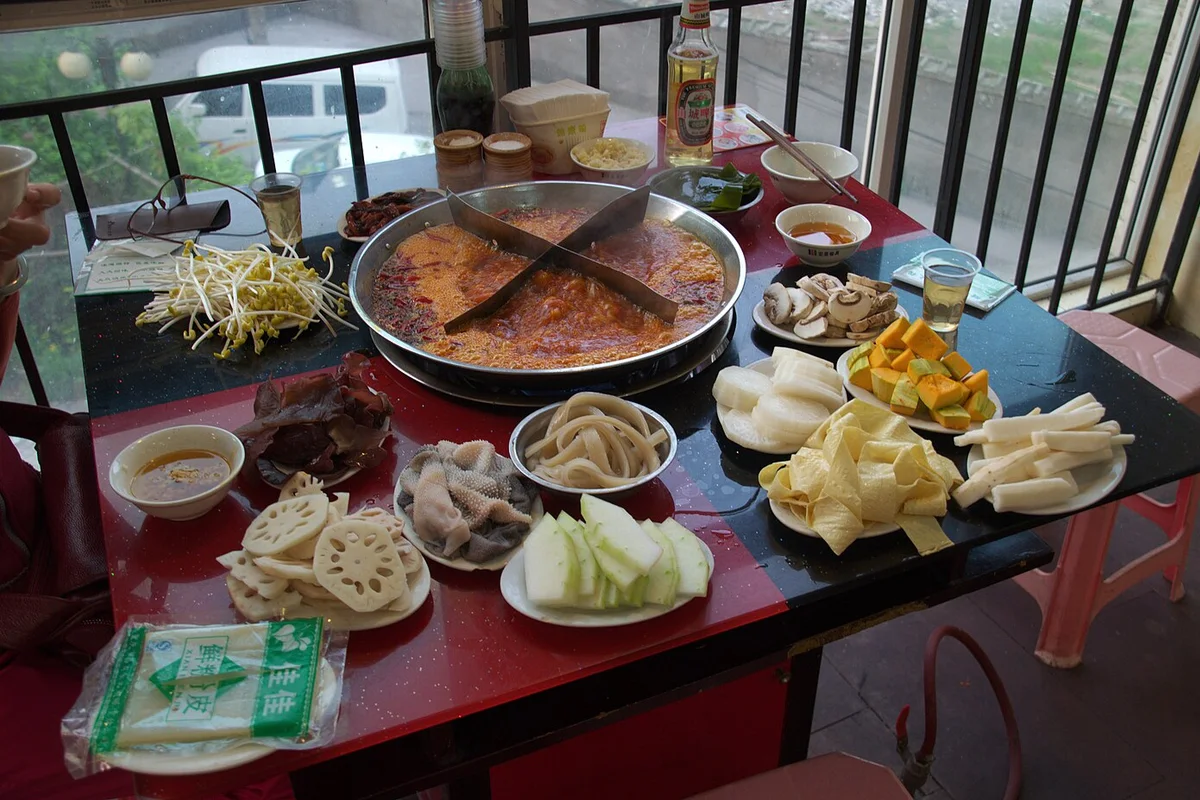
Mian usually means wheat noodles, while fen often names rice or other starch noodles in southern menus, though regional usage varies. Soup noodles, dry-mixed noodles, rice plates, clay pots and hot pot are different meal formats. A noodle bowl is often personal; whole fish, roast duck, soup pots and large stews are usually shared.
Wei is commonly per person, li or fen is a restaurant portion, and zhi or tiao may price a whole animal or fish. Seafood may be sold by weight. In mainland China one jin is normally 500 grams, but menus can use grams, kilograms or house units. Confirm unit price, weight, preparation fee and expected total before cooking market-price seafood.
06
Step six: ask only the questions that change the decision
Main ingredient, bones, broth, heat, portion and price produce clearer answers than “Is it authentic?”
Useful questions include: What is the main ingredient? Does it contain bones? Is it soup or dry-mixed? Can chilli and Sichuan pepper be omitted? Does the broth contain meat? How many people does this serve? Roughly what will this fish cost after cooking? Ask only what affects your choice.
When communication is difficult, show the Chinese name and a written restriction, then ask staff to point to a complete dish that already fits. Vague requests such as light or healthy do not identify whether the concern is chilli, pepper, salt, oil, sugar, stock or a medical risk. If cross-contact cannot be confirmed for a serious allergy, change the dish or restaurant.
Compare
Wonton vs egg drop vs hot and sour soup
These three soups are near-fixtures on overseas Chinese menus and are often ordered on autopilot. All have roots in China, though US versions are frequently adapted. Here is how to tell them apart before you order.
馄饨汤 (húntun tāng)
蛋花汤 (dàn huā tāng)
酸辣汤 (suān là tāng)
Clear broth with filled wontons
Clear broth with ribboned egg
Thickened broth, sour and peppery
Filled dumplings in broth
Silky egg strands, mild
Vinegar tang and white-pepper heat, thick body
Pork or shrimp wontons, greens
Egg; US versions often add corn or peas
Tofu, bamboo, wood-ear; sometimes pork or blood
Not spicy
Not spicy
Warming white-pepper heat, sour-forward
Found across China
Authentic and simple; US adds corn
Authentic (common in the north and Sichuan); US versions vary
To keep decoding other names and techniques on the menu, return to the Cantonese dim sum guide, where wontons sit within a wider tradition.
For dumplings in a clear broth
Order wonton soup. Filled wontons are the point; the broth stays clear and savory.
For something mild and silky
Order egg drop soup. Its ribboned egg is the gentlest of the three and pairs well with bolder dishes.
For sour-and-peppery and thick
Order hot and sour soup. Vinegar and white pepper lead, in a thickened body.
A common misread
The “hot” in hot and sour soup is mostly white pepper and vinegar, not chilli, so it is not a red-oil Sichuan soup.
Quick-reference tool
Practice with real dish names
Read what the name actually tells you, then ask about the missing detail only when it could change your order.
| Dish name | What you can infer | What still needs checking |
|---|---|---|
| 清蒸鲈鱼 · steamed sea bass | Sea bass, simply steamed; commonly served as a whole fish | Weight, market price, bones and sauce ingredients |
| 鱼香茄子 · fish-fragrant eggplant | Eggplant and the yuxiang flavor family; the name does not mean fish is present | Minced meat or animal stock, and heat level |
| 水煮牛肉 · shuizhu beef | Beef in the Sichuan shuizhu style; not plain beef boiled in water | Whether chilli, Sichuan pepper or oil can be adjusted |
| 干锅花菜 · dry-pot cauliflower | Cauliflower in a low-liquid dry-pot format | Pork belly, heat level and continued table heating |
| 襄阳牛肉面 · Xiangyang beef noodles | A Xiangyang-style beef noodle meal, usually for one diner | Stock, heat level, noodle portion and optional toppings |
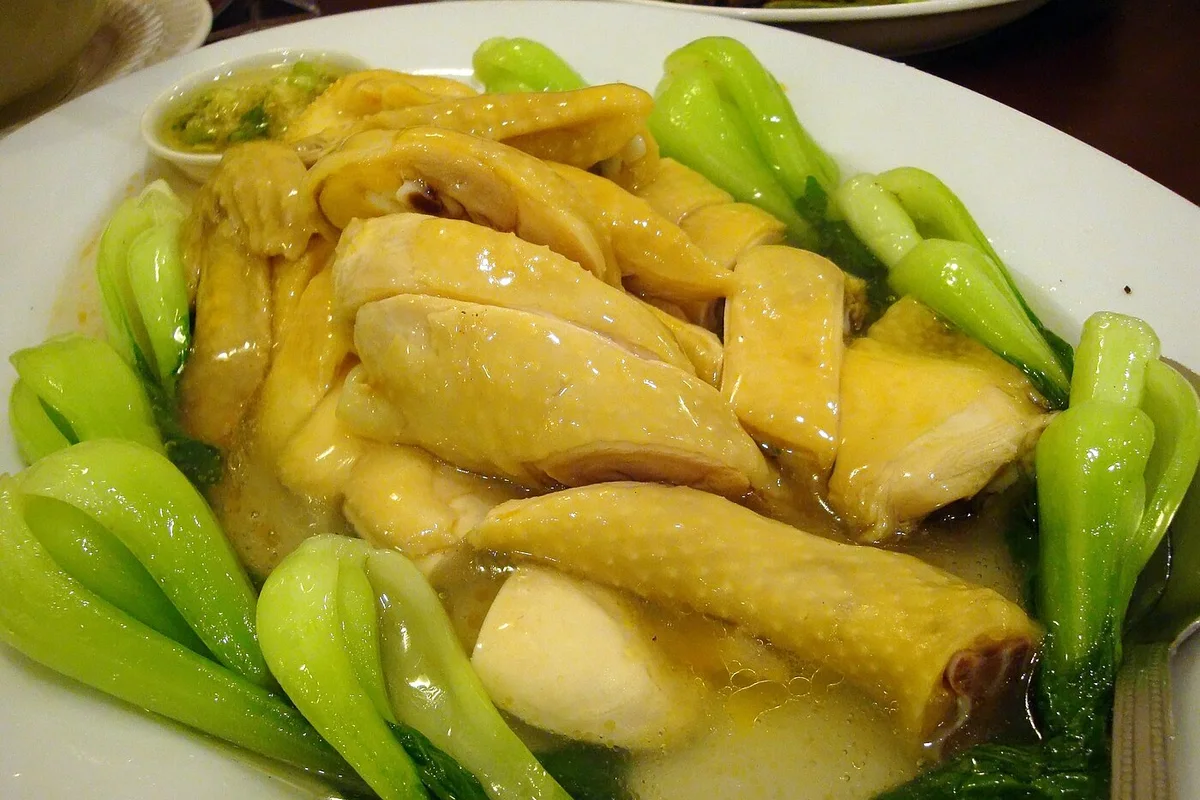
| 白切鸡 · white-cut chicken | Chicken prepared in the white-cut style, where doneness and chicken flavor matter | Bones, portion size, dip and whether it is meant for sharing |
A dish name is a search clue, not a guarantee of ingredients, portion or price. Ask only about details that could change the decision.
Field method
How the clues work in a real order
Suppose four diners see the dishes below for the first time. They do not need every character translated; they need the details that affect balance, restrictions and price.
Worked example
Steamed sea bass, fish-fragrant eggplant, shuizhu beef and dry-pot cauliflower
Before ordering all four, check weight, hidden ingredients and whether the flavor systems overlap.
- Step 1 · Start with the fish
清蒸鲈鱼 is commonly a whole fish. Confirm weight, unit price, estimated total and bones before it becomes the table’s lighter anchor.
- Step 2 · Check the two vegetables
鱼香茄子 may contain minced meat or animal stock, while 干锅花菜 often includes pork belly. “Eggplant” and “cauliflower” do not establish vegetarian suitability.
- Step 3 · Scan for repeated heat
水煮牛肉 commonly brings chilli, Sichuan pepper and hot oil; the dry-pot dish may also be spicy. If the table is heat-sensitive, keep one and choose a naturally mild vegetable instead of heavily modifying both.
- Step 4 · Decide quantity last
Use the actual fish weight and plate sizes rather than assuming four diners need four large dishes. Three dishes with rice may be a sensible first round.
The questions stay focused on price, bones, hidden meat, heat and portion—without turning dinner into a vocabulary test.
FAQ
Frequently asked questions
Does “light” mean non-spicy, low-salt and vegetarian?
No. It is relative and may still involve pepper, chilli, oil, salt or animal stock. State each restriction separately.
Can names such as yuxiang or fuqi feipian be read literally?
Not reliably. Yuxiang is a flavor system and fuqi feipian is an established dish name. Ask about the main ingredient, cut and method.
Why keep the Chinese name when an English translation is printed?
One English word such as fried, noodles or dumplings can cover many techniques and regional foods. The original name supports accurate confirmation and repeat ordering.
Sources
Sources and further reading
These sources support the food names, regional context, techniques and dining practices used in this guide. Individual restaurants, households and cities still vary.
- Ten Common Chinese Cooking VerbsShanghai Municipal People’s Government ↗
- How to Order Seafood in ChineseHainan Provincial People’s Government ↗
- English Translation Standards for Public Services and MenusForeign Affairs Office of Shenzhen Municipal People’s Government ↗
- A Guide to Chinese Table EtiquetteShanghai Municipal People’s Government ↗